 シェアする
シェアする シェアする
シェアする
 詳細を見る
詳細を見る

 ダウンロード
 似ている作品
 スライドショー
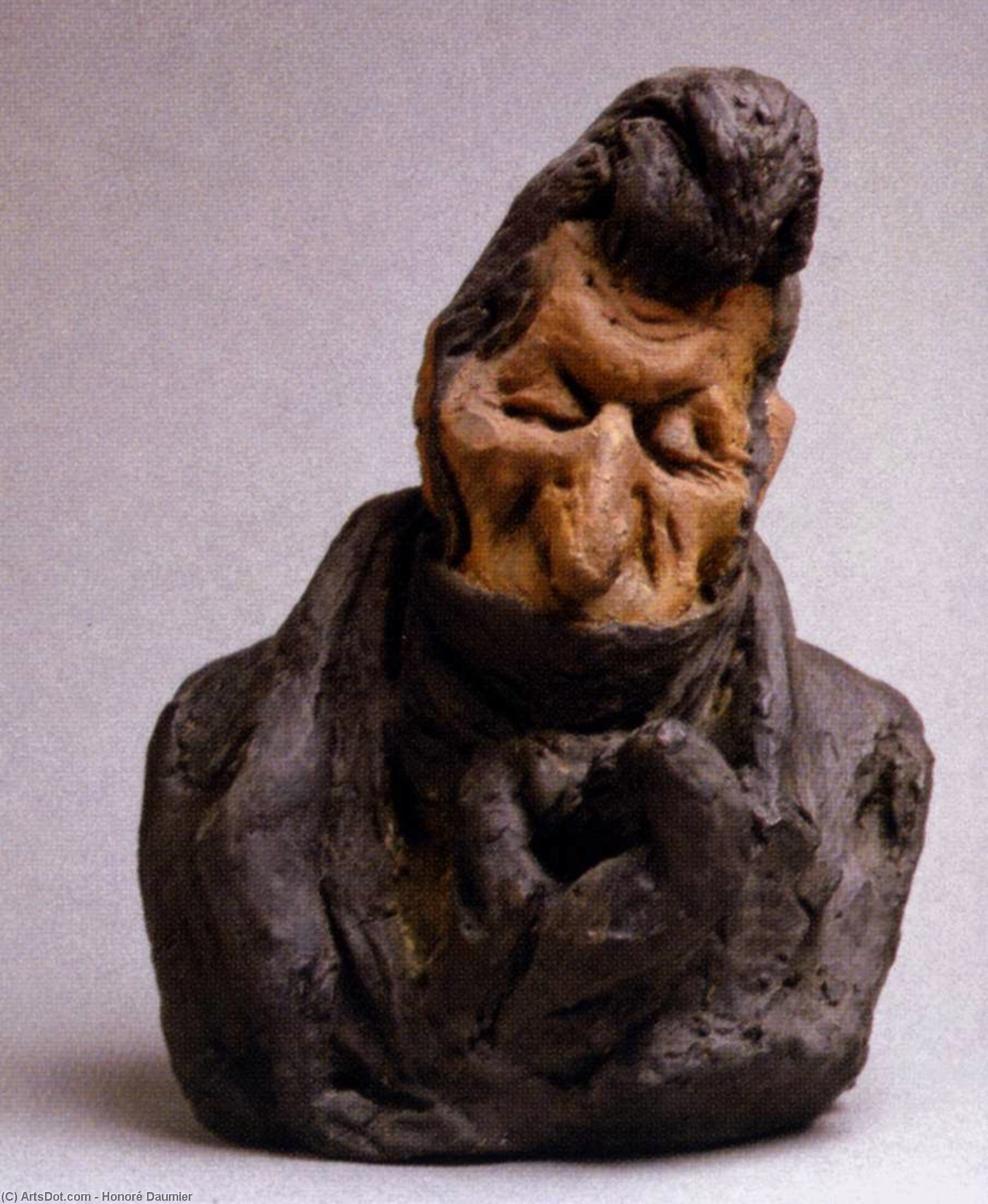
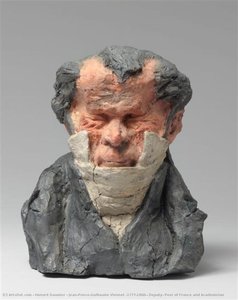
Jean-Auguste Chevandier de Valdrome, Parliamentarian (The Fool)


 詳細を見る
詳細を見る
ジークレー/アートプリント
迅速な制作と多彩な仕上げオプションを備えた、ミュージアムクオリティのジークレーまたはキャンバスプリント。 ( 手描きの絵画を購入 画像を購入)




































作品のオリジナル比率に合わせた、当店の規定サイズからお選びください。

特定のフレームやスペースに合わせて、ご自身でサイズを指定することも可能です。選択されたサイズが元の画像の比率と一致しない場合、作品をトリミングするか、鏡面反射または単色での塗りつぶしによって画像を拡張いたします。制作を開始する前に、ご確認用のデジタルモックアップをお送りいたします。
画面上のプレビューには、実際のトリミングや拡張は反映されませんのでご注意ください。最終的な構図を正確に確認できるのは、モックアップのみとなります。
カスタムサイズも承っておりますが、元の比率を維持するためには、あらかじめ用意されたリストからサイズを選択することをお勧めいたします。


 ガラスオプションは、110cm未満のサイズでのみご利用いただけます。

Jean-Auguste Chevandier de Valdrome, Parliamentarian (The Fool)
ジークレー/アートプリント
複製画のサイズ
-


合計金額
$ 62
作品詳細説明
A Portrait of Weariness: Honoré Daumier’s “Jean-Auguste Chevandier de Valdrome, Parliamentarian (The Fool)”
Honoré Daumier's "Jean-Auguste Chevandier de Valdrome, Parliamentarian (The Fool)" is not merely a sculpture; it’s a profound distillation of human sorrow and the weight of political disillusionment. Completed in 1832, this arresting work captures a moment of quiet despair, rendered with an almost brutal honesty that speaks volumes about the anxieties of post-revolutionary France. The figure, sculpted primarily from dark browns, ochres, and subtle yellows – materials suggesting both clay and plaster – presents a man whose brow is deeply furrowed, his eyes fixed downward in what appears to be profound contemplation or perhaps weary resignation. The texture of the sculpture itself is deliberately rough and uneven; these deliberate imperfections amplify the sense of vulnerability and age, as if the very material reflects the subject’s burdened existence.
Daumier's style here leans heavily into realism, yet he skillfully employs distortion to heighten the emotional impact. The features are not idealized but rather deliberately exaggerated – a prominent nose, deeply set eyes, and a mouth pulled downward in a subtle grimace – all contributing to an overall impression of profound sadness. The draping of his clothing is loose and flowing, mirroring the slump of his shoulders and further emphasizing his sense of defeat. The choice of a parliamentarian as the subject is particularly significant; it immediately connects the figure’s sorrow with the frustrations and disappointments inherent in political life – a realm often perceived as detached from the realities of ordinary people.
The Context of Discontent: 1832 France
To fully appreciate “The Fool,” one must understand the turbulent social and political climate of France in 1832. The July Revolution had recently overthrown Charles X, ushering in Louis-Philippe’s constitutional monarchy. However, many felt that the new regime failed to address the deep-seated inequalities and economic hardships that plagued the nation. Daumier, a staunch republican democrat, used his art as a powerful tool for social commentary, relentlessly satirizing the excesses of the aristocracy, the corruption of the government, and the plight of the working class. This sculpture is a direct reflection of this pervasive discontent – a visual embodiment of the disillusionment felt by those who believed that political reform had not delivered on its promises.
The figure’s posture and expression are reminiscent of the “melancholy” prevalent in Romantic art, but Daumier imbues it with a distinctly modern sensibility. He avoids sentimentality, presenting instead a stark and unflinching portrayal of human suffering. The sculpture was created during a period when political cartoons were becoming increasingly popular as a means of engaging the public in critical debate – a testament to Daumier’s ability to capture complex social issues through powerful visual imagery.
Technique and Materiality: A Study in Texture
Daumier's masterful use of material is central to the sculpture’s impact. The choice of clay or plaster, combined with a deliberate lack of refinement, creates a tactile quality that invites close inspection. The rough surface suggests a process of hand-building, emphasizing the artist’s direct engagement with the medium. The subtle variations in color – from the deep browns of the face to the muted yellows of the clothing – are achieved through careful layering and manipulation of the material. This textural richness is further enhanced by the deliberate use of shadows, which accentuate the contours of the figure and deepen the sense of melancholy.
The sculpture’s relatively small scale—approximately 19 cm in height—contributes to its intimacy and immediacy. It's a portrait designed not for grand display but for quiet contemplation. The lack of elaborate ornamentation focuses attention entirely on the face and upper torso, amplifying the emotional intensity of the scene.
Symbolism and Enduring Resonance
“The Fool” is rich in symbolic meaning. The title itself – “Parliamentarian (The Fool)” – immediately establishes a duality: the figure represents both a member of government and someone who has been rendered foolish by the political system. His downward gaze suggests a loss of hope, while his furrowed brow embodies the weight of responsibility and regret. The sculpture’s overall mood evokes themes of aging, grief, and vulnerability—universal human experiences that transcend time and place.
Daumier's work continues to resonate today because it speaks to the enduring challenges of political power, social injustice, and the human condition. “Jean-Auguste Chevandier de Valdrome, Parliamentarian (The Fool)” is a poignant reminder of the importance of empathy, critical thinking, and the ongoing struggle for a more just and equitable world.
関連作品
アーティストの略歴
生誕とパリへの移住:画家としての萌芽
1808年、フランスのマルセイユにオノレ・ヴィクトリン・ドーミエは生まれました。彼の人生は、19世紀フランスの激動の流れと深く結びついています。父親が詩人を目指し、1814年にパリへ移住したことで、幼いドーミエは芸術的エネルギーに満ちた都市に没頭しました。当初は法曹界への道を進む運命でしたが、彼の傾倒は不可逆的に芸術へと向かいました。アレクサンドル・レノワールのもとで修行し、古典的な影響を受けつつ、ルーベンスの劇的なキアロスクーロにも感銘を受けました。アカデミー・スイスでの研鑽もまた、彼の独特なスタイルを形成する上で重要な基礎となりました。写実主義と表現力豊かな描写技巧の融合が、ドーミエの特徴となり、彼を取り巻く社会的不正や政治的な不条理に対する深い感受性が、その芸術活動を推進しました。風刺画としての覚醒:社会批判のペン
1830年革命の後、ドーミエのキャリアは本格的に始動します。この出来事はフランスの歴史の流れを変え、彼の才能が開花する肥沃な土壌となりました。彼はすぐに優れたリトグラファーとして頭角を現し、当初は匿名で様々な出版物に寄稿していましたが、シャルル・フィリポンが創刊した独立系の風刺雑誌『シャリヴァリ』での活躍を通じて名声を確立しました。ここでドーミエの天才が真に花開きます。彼のカリカチュアは単なるユーモラスな表現ではなく、ブルジョワジー、司法制度、そして政治権力に対する痛烈な批判でした。彼はルイ・フィリップ王を容赦なく風刺し、1832年には特に辛辣なカリカチュアによって6ヶ月の禁固刑を受けました。しかし、この経験は彼を沈黙させるどころか、芸術を通じて偽善を暴き、権威に挑戦するという彼の決意をより強固なものとしました。彼のリトグラフ作品は視覚的なマニフェストとなり、時代の反抗精神を捉え、社会の病弊に対する鋭いコメントとして機能しました。この時期における彼の驚異的な生産量は目を見張るべきものであり、数千枚のリトグラフが、大衆娯楽と強力な政治声明の両方の役割を果たしました。風刺を超えて:絵画と彫刻の探求
ドーミエはリトグラフィーで最も高く評価されていますが、彼を単にカリカチュア作家として限定することは大きな過失です。彼は献身的な画家であり彫刻家でもありましたが、これらの作品に対する評価は彼の晩年になってから高まりました。彼の絵画は、日常のパリの生活を描いたものであり—三等客車、洗濯婦、弁護士など—深い写実主義と共感に満ちています。それらは理想化された表現ではなく、苦難や闘争を容赦なく描いたものです。彼はルーズな筆致と劇的な照明を巧みに使い、感情と雰囲気を伝え、後に印象派が取り入れるであろう技法を予見しました。彼の彫刻作品は、主に粘土で制作されました(生涯に焼き上げられなかった作品も多数)、人間の形を正直に捉え、心理的な深みを表現することへの同様の献身を示しています。彼の死後再発見されたこれらの彫刻は、卓越したモデリング技術と、身体的ジェスチャーを通して心理的な複雑さを伝える能力を証明しています。永続する遺産:影響と歴史的重要性
オノレ・ドーミエの芸術史への影響は否定できません。彼はロマン主義と写実主義の橋渡し役となり、未来の世代の画家たち—ギュスターヴ・クールベやエドゥアール・マネなど—が世界をありのままに描こうとする道を切り開きました。彼の容赦ない社会批判はこれらの芸術家に影響を与え、革新的なリトグラフィー技術は版画の世界に革命をもたらしました。彼の作品は今日でも共鳴し続け、権威に挑戦し、不正を暴き、人間の状態を目撃する芸術の力を思い出させてくれます。パリのオルセー美術館には、彼の絵画と彫刻の重要なコレクションが収蔵されており、彼が鮮やかに描き出した世界を垣間見ることができます。彼のリトグラフはArtsDotのようなコレクションを通じて広く入手可能であり、彼の風刺的な天才が思考を刺激し、対話を促し続けています。ドーミエは単なる芸術家ではありませんでした。彼は時代の記録者—声なき人々に声をかけ、権力者を責任ある立場に置く視覚的な詩人でした。彼の遺産は、社会変革のための芸術の永続的な関連性を示す証です。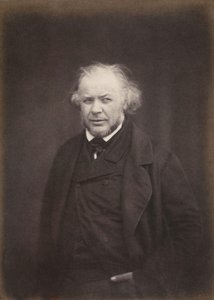
オノレ・ドーミエ
1808 - 1879 , フランス
基本情報
- Artistic Movement Or Style: 写実主義、風刺画
- Artists Or Movements Influenced By This Artist:
- 印象派
- 近代美術
- Artists Who Influenced This Artist:
- アレクサンドル・レヌワール
- ジャック=ルイ・ダヴィッド
- Date Of Birth: 1808年2月26日
- Date Of Death: 1879年2月10日
- Full Name: オノレ・ヴィクトリン・ドーミエ
- Nationality: フランス人
- Notable Artworks (List Of Titles):
- トランノワン通り
- 司法の人々
- 見よ、人の子
- Place Of Birth (City And Country): フランス、マルセイユ
関連記事

Bronze Sculptures That Defined Art History | ArtsDot
Journey through art history with our Top 10 bronze sculptures! Explore masterpieces by Rodin, Michelangelo & more. Discover stories behind iconic statues and find museum-quality reproductions for your home decor at ArtsDot.com.
Romantic Realism's Finest: 10 Masterpieces for Your Home | ArtsDot
Explore 10 defining masterpieces of Romantic Realism! Discover Courbet, Millet & Daumier's powerful paintings—capturing emotion and social realities. Find museum-quality reproductions for your home at ArtsDot.com.
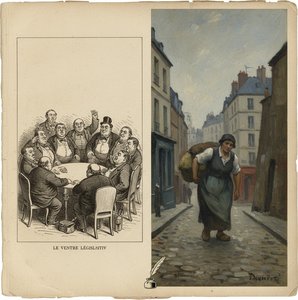
Honoré Daumier: Social Commentary & Artistic Innovation in 19th-Century France
Explore the life & work of Honoré Daumier, a master of 19th-century French realism and satire. Discover his powerful lithographs, paintings, and sculptures critiquing society – and his lasting influence on modern art.

The Enduring Form: Exploring Themes & Techniques in Sculpture Across Historical Periods
Explore the rich history of sculpture from ancient masterpieces to contemporary innovations. Discover key techniques, influential artists & investment potential for discerning art collectors.

Bronze Age to Modern Masters: 10 Sculptures That Redefined Art | ArtsDot
Journey through art history with 10 legendary bronze sculptures – from Michelangelo's David to Rodin’s Thinker. Explore the stories, techniques & timeless beauty of these masterpieces. Find museum-quality reproductions & elevate your home decor on ArtsDot.com.