 シェアする
シェアする シェアする
シェアする
 詳細を見る
詳細を見る

 ダウンロード
 似ている作品
 スライドショー
 統計情報
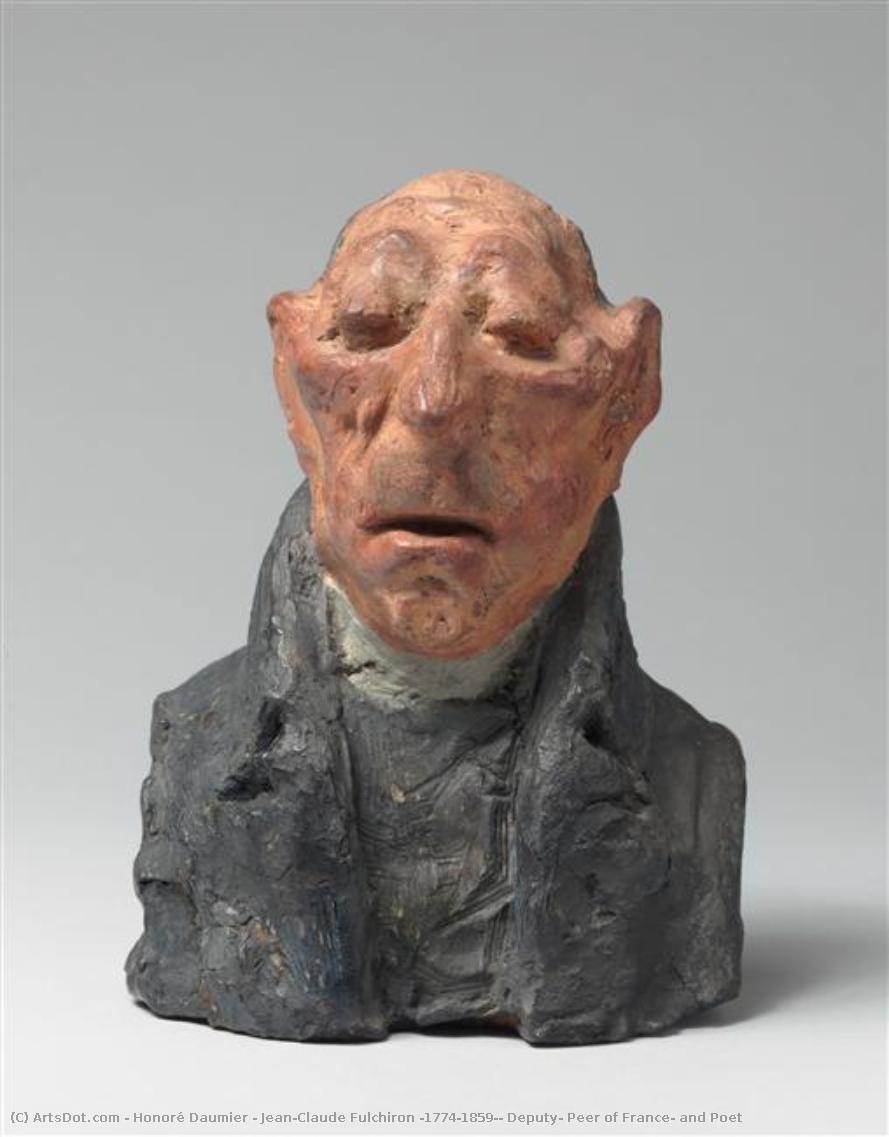
統計情報Jean-Claude Fulchiron (1774-1859), Deputy, Peer of France, and Poet


 詳細を見る
詳細を見る
手描き油彩複製画
当社のアーティストが、お客様のご希望のサイズと額縁に合わせて、キャンバスに手描きで制作する油彩画です。 ( プリント版に切り替え デジタル画像販売へ切り替え)




































作品のオリジナル比率に合わせた、当店の規定サイズからお選びください。

特定のフレームやスペースに合わせて、ご希望のサイズをご入力いただけます。選択されたサイズが元の画像の比率と異なる場合、アートワークをトリミングするか、手描きで要素を追加して絵画を拡張いたします。デジタルモックアップ を制作し、制作開始前にご確認(承認)をいただきます。
画面上のプレビューは、実際のトリミングや拡張を正確に反映しているものではありません。最終的な構図は、モックアップによってのみ正確にご確認いただけます。
カスタムサイズもご利用いただけますが、元の比率を維持するためには、あらかじめ用意されたリストからサイズを選択することをお勧めいたします。
ご注文後、ArtsDot.com チームより詳細な指示をお送りするとともに、仕上がりイメージ(モックアップ)をご提供いたします。


 ガラスオプションは、110cm未満のサイズでのみご利用いただけます。

Jean-Claude Fulchiron (1774-1859), Deputy, Peer of France, and Poet
複製技法
複製画のサイズ
-


合計金額
$ 263
The Visage of Satire: Contemplating Daumier's Echo
To stand before this study in clay is to confront not merely a likeness, but an interrogation of character itself. This piece, evocative of the biting social commentary that defined Honoré Daumier’s life and work, captures a moment—or perhaps an eternal state—of public persona rendered in raw, tactile earth. The subject, identified by association with Jean-Claude Fulchiron, Deputy, Peer of France, and Poet, is presented here through the unflinching gaze of sculpture. The clay medium itself lends an immediate sense of immediacy, as if the very breath of the sitter has been captured before it could dissipate into the Parisian air of the 1830s.
Technique and Texture: The Hand of the Artisan
The technique employed is that of direct modeling in clay, a material choice that speaks volumes about its ephemeral nature yet paradoxically grants it such enduring presence. One can almost feel the artist's fingers working upon the wet medium, leaving behind those subtle ridges and imperfections that betray the human hand. The texture is wonderfully rough, resisting the polished sheen of academic portraiture. This rawness is key; it suggests a piece born from urgent observation rather than careful, idealized rendering. It forces the viewer to acknowledge the physicality of art—the weight, the grit, the very substance of representation.
Historical Resonance and Social Critique
Placing this sculpture within the context of Daumier’s career illuminates its deeper meaning. Daumier was a master satirist whose pen, and by extension his artistic vision, were perpetually aimed at the follies and hypocrisies of the Parisian elite. While the original work may have been intended as a portrait, its current presentation—especially with the noted distortion or deformation of the features—elevates it beyond mere biography. It becomes an allegory. The black hat, the beard, the slightly unsettling cast of the face all contribute to a sense of theatricality, suggesting that the man depicted was perhaps more performance than person.
Emotional Impact and Decorative Potential
For the collector or designer, this piece offers a potent focal point. It does not whisper; it speaks with a gravelly, knowing voice. The eerie quality emanating from the sculpture invites deep contemplation—are we looking at a man, or are we looking at the mask society forces us to wear? Reproducing such an object allows one to bring that intellectual tension into a domestic space. Imagine this piece set against dark wood paneling or illuminated by soft gallery lighting; it becomes less a decoration and more a philosophical anchor, reminding all who pass by of the enduring power of satire and the complexity hidden beneath any public facade.
関連作品
アーティストの略歴
生誕とパリへの移住:画家としての萌芽
1808年、フランスのマルセイユにオノレ・ヴィクトリン・ドーミエは生まれました。彼の人生は、19世紀フランスの激動の流れと深く結びついています。父親が詩人を目指し、1814年にパリへ移住したことで、幼いドーミエは芸術的エネルギーに満ちた都市に没頭しました。当初は法曹界への道を進む運命でしたが、彼の傾倒は不可逆的に芸術へと向かいました。アレクサンドル・レノワールのもとで修行し、古典的な影響を受けつつ、ルーベンスの劇的なキアロスクーロにも感銘を受けました。アカデミー・スイスでの研鑽もまた、彼の独特なスタイルを形成する上で重要な基礎となりました。写実主義と表現力豊かな描写技巧の融合が、ドーミエの特徴となり、彼を取り巻く社会的不正や政治的な不条理に対する深い感受性が、その芸術活動を推進しました。風刺画としての覚醒:社会批判のペン
1830年革命の後、ドーミエのキャリアは本格的に始動します。この出来事はフランスの歴史の流れを変え、彼の才能が開花する肥沃な土壌となりました。彼はすぐに優れたリトグラファーとして頭角を現し、当初は匿名で様々な出版物に寄稿していましたが、シャルル・フィリポンが創刊した独立系の風刺雑誌『シャリヴァリ』での活躍を通じて名声を確立しました。ここでドーミエの天才が真に花開きます。彼のカリカチュアは単なるユーモラスな表現ではなく、ブルジョワジー、司法制度、そして政治権力に対する痛烈な批判でした。彼はルイ・フィリップ王を容赦なく風刺し、1832年には特に辛辣なカリカチュアによって6ヶ月の禁固刑を受けました。しかし、この経験は彼を沈黙させるどころか、芸術を通じて偽善を暴き、権威に挑戦するという彼の決意をより強固なものとしました。彼のリトグラフ作品は視覚的なマニフェストとなり、時代の反抗精神を捉え、社会の病弊に対する鋭いコメントとして機能しました。この時期における彼の驚異的な生産量は目を見張るべきものであり、数千枚のリトグラフが、大衆娯楽と強力な政治声明の両方の役割を果たしました。風刺を超えて:絵画と彫刻の探求
ドーミエはリトグラフィーで最も高く評価されていますが、彼を単にカリカチュア作家として限定することは大きな過失です。彼は献身的な画家であり彫刻家でもありましたが、これらの作品に対する評価は彼の晩年になってから高まりました。彼の絵画は、日常のパリの生活を描いたものであり—三等客車、洗濯婦、弁護士など—深い写実主義と共感に満ちています。それらは理想化された表現ではなく、苦難や闘争を容赦なく描いたものです。彼はルーズな筆致と劇的な照明を巧みに使い、感情と雰囲気を伝え、後に印象派が取り入れるであろう技法を予見しました。彼の彫刻作品は、主に粘土で制作されました(生涯に焼き上げられなかった作品も多数)、人間の形を正直に捉え、心理的な深みを表現することへの同様の献身を示しています。彼の死後再発見されたこれらの彫刻は、卓越したモデリング技術と、身体的ジェスチャーを通して心理的な複雑さを伝える能力を証明しています。永続する遺産:影響と歴史的重要性
オノレ・ドーミエの芸術史への影響は否定できません。彼はロマン主義と写実主義の橋渡し役となり、未来の世代の画家たち—ギュスターヴ・クールベやエドゥアール・マネなど—が世界をありのままに描こうとする道を切り開きました。彼の容赦ない社会批判はこれらの芸術家に影響を与え、革新的なリトグラフィー技術は版画の世界に革命をもたらしました。彼の作品は今日でも共鳴し続け、権威に挑戦し、不正を暴き、人間の状態を目撃する芸術の力を思い出させてくれます。パリのオルセー美術館には、彼の絵画と彫刻の重要なコレクションが収蔵されており、彼が鮮やかに描き出した世界を垣間見ることができます。彼のリトグラフはArtsDotのようなコレクションを通じて広く入手可能であり、彼の風刺的な天才が思考を刺激し、対話を促し続けています。ドーミエは単なる芸術家ではありませんでした。彼は時代の記録者—声なき人々に声をかけ、権力者を責任ある立場に置く視覚的な詩人でした。彼の遺産は、社会変革のための芸術の永続的な関連性を示す証です。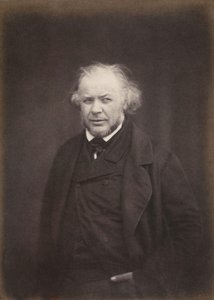
オノレ・ドーミエ
1808 - 1879 , フランス
基本情報
- Artistic Movement Or Style: 写実主義、風刺画
- Artists Or Movements Influenced By This Artist:
- 印象派
- 近代美術
- Artists Who Influenced This Artist:
- アレクサンドル・レヌワール
- ジャック=ルイ・ダヴィッド
- Date Of Birth: 1808年2月26日
- Date Of Death: 1879年2月10日
- Full Name: オノレ・ヴィクトリン・ドーミエ
- Nationality: フランス人
- Notable Artworks (List Of Titles):
- トランノワン通り
- 司法の人々
- 見よ、人の子
- Place Of Birth (City And Country): フランス、マルセイユ
関連記事

クロード・モネ傑作25選:光と色彩の印象派を彩る名画の世界 | ArtsDot
クロード・モネの傑作25選。印象派を代表する光の画家、モネの世界を旅しませんか?睡蓮や風景画など、名画の背景にある物語と芸術技法をご紹介。ArtsDotで高品質な複製画とインテリアアートを見つけましょう。全コレクションはこちら。

Bronze Age to Modern Masters: 10 Sculptures That Redefined Art | ArtsDot
Journey through art history with 10 legendary bronze sculptures – from Michelangelo's David to Rodin’s Thinker. Explore the stories, techniques & timeless beauty of these masterpieces. Find museum-quality reproductions & elevate your home decor on ArtsDot.com.

The Enduring Form: Exploring Themes & Techniques in Sculpture Across Historical Periods
Explore the rich history of sculpture from ancient masterpieces to contemporary innovations. Discover key techniques, influential artists & investment potential for discerning art collectors.

The Enduring Form: Sculpture Across History, Technique & Emotional Resonance
Explore the rich history of sculpture with ArtsDot. Discover key techniques, influential artists & investment potential for discerning collectors. Expert insights into valuing and collecting timeless masterpieces.

Bronze Sculptures That Defined Art History | ArtsDot
Journey through art history with our Top 10 bronze sculptures! Explore masterpieces by Rodin, Michelangelo & more. Discover stories behind iconic statues and find museum-quality reproductions for your home decor at ArtsDot.com.