

 プレビュー
プレビュー
 シェアする
シェアする シェアする
シェアする
 詳細を見る
詳細を見る

 ダウンロード
 似ている作品
 X線調査
X線調査 スライドショー
 Stats
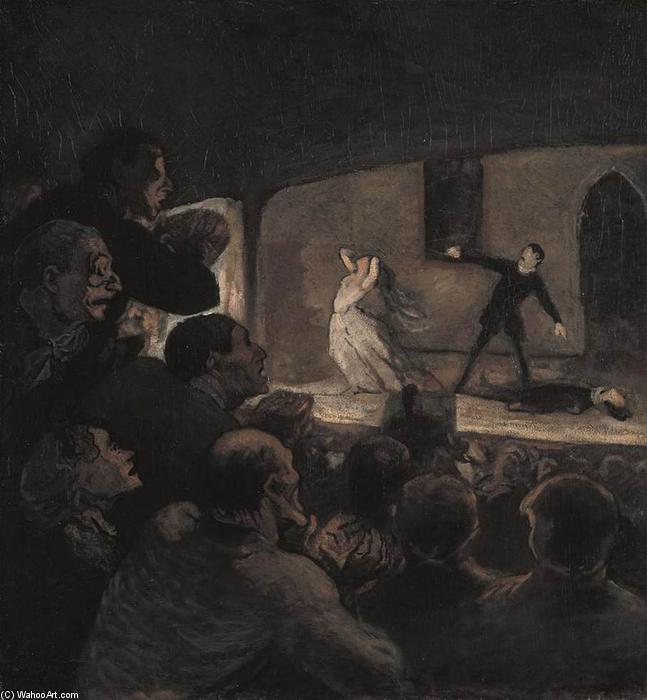
StatsThe Drama
 Acrylic On Canvas
- WallArt
- Social Realism
 1860
1860 98.0 x 90.0 cm
 ネオピナコテカ
 詳細を見る
詳細を見る
オンラインプレビューをはるかに凌ぐ、高解像度で鮮明なデジタル画像をご購入いただけます。
各ファイルは、社内の専門家が高度なツールと熟練した手作業によるレタッチを用いて、細心の注意を払って準備されています。すべての画像において、卓越した鮮明度、正確な色彩再現性、そして繊細なディテールを保証いたします。
最終ファイルは、プロフェッショナルな編集・印刷環境ですぐにご利用いただけるよう最適化された状態で、72時間以内にメールにてお届けいたします。これは、一流のデザインスタジオ、出版社、ギャラリーから信頼されているものと同等の品質です。
デジタルアート
個人での鑑賞、印刷、クリエイティブなプロジェクト用に、高解像度ファイルをダウンロードできます。 ( Switch to Print 手描きの絵画を購入)
デジタル画像のご注文に付随する特典
高品質なデジタル画像配信を、確かな品質で。
ArtsDot.com を選ぶことは、単に画像を手に入れることではありません。それは、プロの手によって精密に仕上げられ、満足保証が付いた高品質なデジタルアートワークを受け取ることを意味します。ご注文いただいた際に自動的に付随する内容は、以下の通りです:

メールですぐにお届け
ご注文から72時間以内に、高解像度のデジタル画像ファイルがメールでお手元に届きます。すぐにそのままご利用いただけます。

AI技術で最適化されたデジタルファイル
お客様の作品は、高度なAIツールと専門家による手作業の編集を組み合わせてプロフェッショナルに最適化されており、細部のディテール、鮮明さ、そして正確な色再現性を最大限に引き出しています。

一生涯無料の再送サービス
ファイルを誤って削除したり、紛失してしまったりしましたか?ご安心ください。いつでも無料で再送いたします。

輸入手数料は一切かかりません
関税や手数料、配送料を気にすることなく、お気に入りのアートワークをすぐにお楽しみいただけます。デジタルダウンロードは常に免税です。

色彩再現の保証
プロ仕様のツールとカラーマネジメント技術を用いることで、デジタル画像が元の色を最大限に忠実に再現することを保証いたします。

100日間満足保証
ご購入いただいたデジタル画像にご満足いただけない場合は、100日以内であれば、理由を問わず修正または100%の返金対応をさせていただきます。

100% 返金保証
ご満足いただけない場合は、デジタルファイルを受け取ってから100日以内であれば、理由を問わず全額返金いたします。

まとめ買い割引
3枚購入で10%OFF - 5枚購入で15%OFF - 10枚以上購入で20%OFF。クリエイティブなプロジェクト、ギャラリー、エージェンシーに最適です。
A Stage of Emotion: Honoré Daumier’s “The Drama”
Honoré Daumier's "The Drama," painted in 1860, isn’t merely a depiction of a theatrical performance; it’s a visceral exploration of human interaction, power dynamics, and the very essence of spectacle. The painting immediately commands attention with its dynamic composition – a swirling vortex of figures caught in a moment of intense action, frozen mid-gesture as if plucked from the heart of a dramatic scene. It's a work that transcends simple illustration, becoming a potent commentary on social hierarchies and the performative nature of life itself.
Daumier’s style is instantly recognizable: a masterful blend of realism and expressive draftsmanship. He eschews idealized forms in favor of capturing the raw energy and emotional truth of his subjects. The figures are rendered with quick, confident brushstrokes, conveying a sense of immediacy and urgency. Notice how he utilizes chiaroscuro – the dramatic contrast between light and shadow – to heighten the theatricality of the scene, drawing our eyes to key moments of interaction and creating an atmosphere of suspense and intrigue. The palette is rich and earthy, dominated by browns, ochres, and deep reds, lending a sense of both drama and groundedness to the composition.
A Glimpse into 19th-Century Parisian Life
To fully appreciate “The Drama,” it’s crucial to understand its historical context. Painted during the tumultuous years following the French Revolution, Daumier was a keen observer of social and political life in Paris. He used his art as a powerful tool for satire and critique, exposing the corruption and hypocrisy he witnessed within the established order. This particular scene likely depicts a performance at the Théâtre Français, a prominent venue during that era, reflecting the vibrant yet often fraught cultural landscape of the city.
The painting’s subject matter – a man dramatically lifting a woman from the stage – speaks volumes about the power dynamics at play. The central figure, bathed in light, embodies authority and control, while the woman, caught mid-fall, represents vulnerability and perhaps even resistance. The surrounding figures, some watching with detached amusement, others actively participating in the performance, further underscore this complex interplay of roles and relationships. Daumier wasn’t simply documenting a theatrical event; he was dissecting the social rituals and power structures that shaped Parisian society.
Symbolism and Theatricality
Beyond its immediate narrative, “The Drama” is laden with symbolic meaning. The stage itself becomes a metaphor for life – a constructed space where roles are played, identities are performed, and power is asserted. The act of lifting the woman can be interpreted as both an act of dominance and a gesture of care (though the ambiguity leaves room for interpretation). The overall composition evokes the conventions of melodrama, with its heightened emotions, dramatic gestures, and focus on spectacle. Daumier was acutely aware of these theatrical tropes and skillfully employed them to convey his critical message.
The inclusion of a diverse audience – some observing passively, others actively engaged – highlights the role of spectatorship in shaping social reality. We are invited to consider our own position within this scene, questioning our complicity in the performance and reflecting on the power dynamics that govern our interactions with one another.
A Timeless Masterpiece: Reproduction Possibilities
“The Drama” remains a remarkably powerful and enduring work of art. Its dramatic intensity, evocative composition, and insightful social commentary continue to resonate with viewers today. Reproductions offer an accessible way to bring this masterpiece into your home or office, allowing you to experience its captivating beauty and thought-provoking themes firsthand. When selecting a reproduction, consider the quality of materials used – a fine art print on archival paper will ensure that the colors and details remain vibrant for years to come. This painting is more than just an image; it’s a window into a bygone era and a timeless meditation on the complexities of human experience.
関連作品
作家の略歴
生誕とパリへの移住:画家としての萌芽
1808年、フランスのマルセイユにオノレ・ヴィクトリン・ドーミエは生まれました。彼の人生は、19世紀フランスの激動の流れと深く結びついています。父親が詩人を目指し、1814年にパリへ移住したことで、幼いドーミエは芸術的エネルギーに満ちた都市に没頭しました。当初は法曹界への道を進む運命でしたが、彼の傾倒は不可逆的に芸術へと向かいました。アレクサンドル・レノワールのもとで修行し、古典的な影響を受けつつ、ルーベンスの劇的なキアロスクーロにも感銘を受けました。アカデミー・スイスでの研鑽もまた、彼の独特なスタイルを形成する上で重要な基礎となりました。写実主義と表現力豊かな描写技巧の融合が、ドーミエの特徴となり、彼を取り巻く社会的不正や政治的な不条理に対する深い感受性が、その芸術活動を推進しました。風刺画としての覚醒:社会批判のペン
1830年革命の後、ドーミエのキャリアは本格的に始動します。この出来事はフランスの歴史の流れを変え、彼の才能が開花する肥沃な土壌となりました。彼はすぐに優れたリトグラファーとして頭角を現し、当初は匿名で様々な出版物に寄稿していましたが、シャルル・フィリポンが創刊した独立系の風刺雑誌『シャリヴァリ』での活躍を通じて名声を確立しました。ここでドーミエの天才が真に花開きます。彼のカリカチュアは単なるユーモラスな表現ではなく、ブルジョワジー、司法制度、そして政治権力に対する痛烈な批判でした。彼はルイ・フィリップ王を容赦なく風刺し、1832年には特に辛辣なカリカチュアによって6ヶ月の禁固刑を受けました。しかし、この経験は彼を沈黙させるどころか、芸術を通じて偽善を暴き、権威に挑戦するという彼の決意をより強固なものとしました。彼のリトグラフ作品は視覚的なマニフェストとなり、時代の反抗精神を捉え、社会の病弊に対する鋭いコメントとして機能しました。この時期における彼の驚異的な生産量は目を見張るべきものであり、数千枚のリトグラフが、大衆娯楽と強力な政治声明の両方の役割を果たしました。風刺を超えて:絵画と彫刻の探求
ドーミエはリトグラフィーで最も高く評価されていますが、彼を単にカリカチュア作家として限定することは大きな過失です。彼は献身的な画家であり彫刻家でもありましたが、これらの作品に対する評価は彼の晩年になってから高まりました。彼の絵画は、日常のパリの生活を描いたものであり—三等客車、洗濯婦、弁護士など—深い写実主義と共感に満ちています。それらは理想化された表現ではなく、苦難や闘争を容赦なく描いたものです。彼はルーズな筆致と劇的な照明を巧みに使い、感情と雰囲気を伝え、後に印象派が取り入れるであろう技法を予見しました。彼の彫刻作品は、主に粘土で制作されました(生涯に焼き上げられなかった作品も多数)、人間の形を正直に捉え、心理的な深みを表現することへの同様の献身を示しています。彼の死後再発見されたこれらの彫刻は、卓越したモデリング技術と、身体的ジェスチャーを通して心理的な複雑さを伝える能力を証明しています。永続する遺産:影響と歴史的重要性
オノレ・ドーミエの芸術史への影響は否定できません。彼はロマン主義と写実主義の橋渡し役となり、未来の世代の画家たち—ギュスターヴ・クールベやエドゥアール・マネなど—が世界をありのままに描こうとする道を切り開きました。彼の容赦ない社会批判はこれらの芸術家に影響を与え、革新的なリトグラフィー技術は版画の世界に革命をもたらしました。彼の作品は今日でも共鳴し続け、権威に挑戦し、不正を暴き、人間の状態を目撃する芸術の力を思い出させてくれます。パリのオルセー美術館には、彼の絵画と彫刻の重要なコレクションが収蔵されており、彼が鮮やかに描き出した世界を垣間見ることができます。彼のリトグラフはArtsDotのようなコレクションを通じて広く入手可能であり、彼の風刺的な天才が思考を刺激し、対話を促し続けています。ドーミエは単なる芸術家ではありませんでした。彼は時代の記録者—声なき人々に声をかけ、権力者を責任ある立場に置く視覚的な詩人でした。彼の遺産は、社会変革のための芸術の永続的な関連性を示す証です。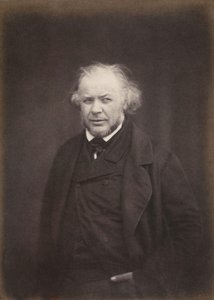
オノレ・ドーミエ
1808 - 1879 , フランス
プロフィール概要
- Artistic Movement Or Style: 写実主義、風刺画
- Artists Or Movements Influenced By This Artist:
- 印象派
- 近代美術
- Artists Who Influenced This Artist:
- アレクサンドル・レヌワール
- ジャック=ルイ・ダヴィッド
- Date Of Birth: 1808年2月26日
- Date Of Death: 1879年2月10日
- Full Name: オノレ・ヴィクトリン・ドーミエ
- Nationality: フランス人
- Notable Artworks (List Of Titles):
- トランノワン通り
- 司法の人々
- 見よ、人の子
- Place Of Birth (City And Country): フランス、マルセイユ