

 プレビュー
プレビュー
 シェアする
シェアする シェアする
シェアする
 詳細を見る
詳細を見る

 ダウンロード
 似ている作品
 X線調査
X線調査 スライドショー
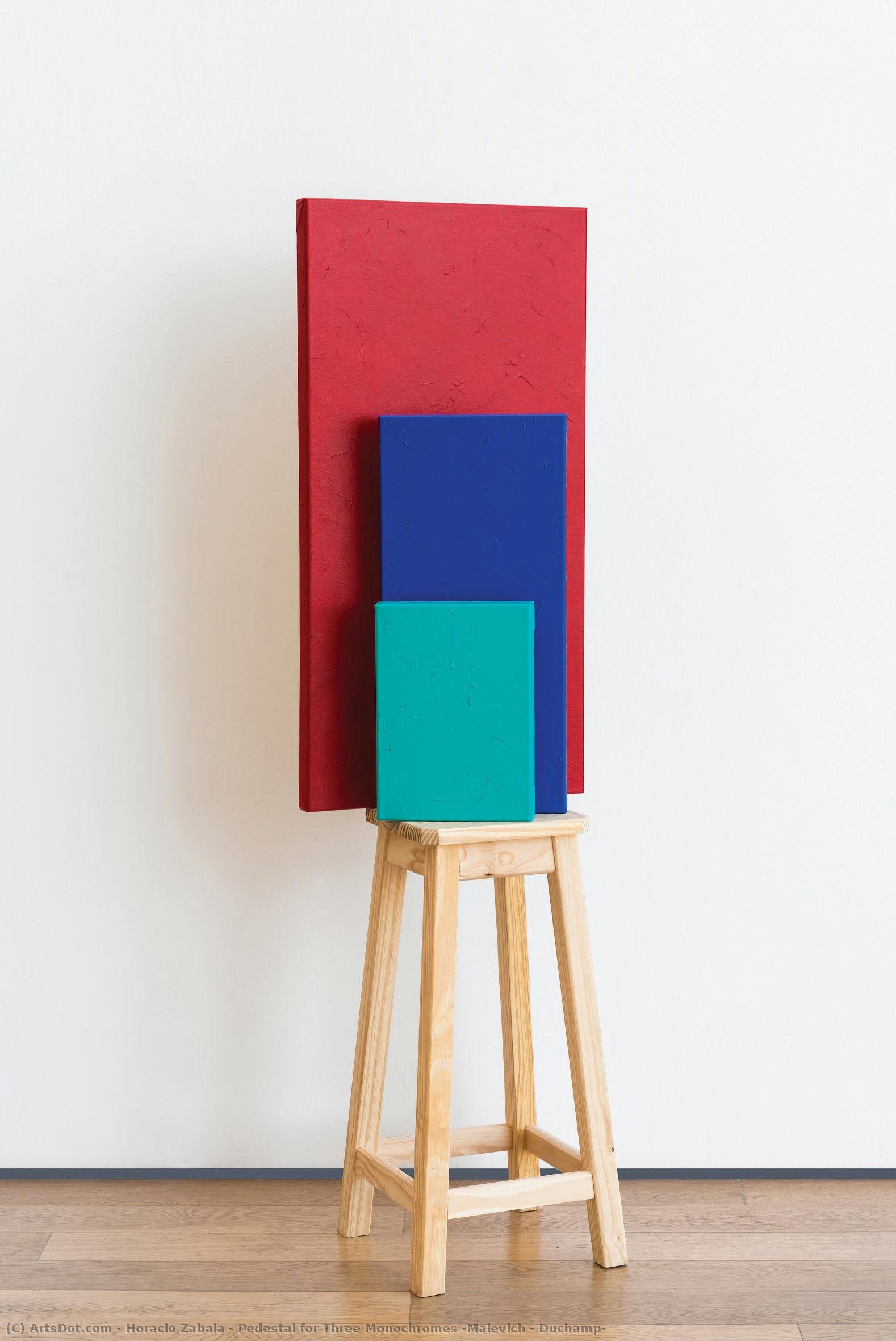
Pedestal for Three Monochromes (Malevich & Duchamp)
 Painting
- Contemporary Abstract
 2015
2015- Contemporary
 134.0 x 100.0 cm
 Colección de Arte Amalia Lacroze de Fortabat
 詳細を見る
詳細を見る
ジークレー/アートプリント
迅速な制作と多彩な仕上げオプションを備えた、ミュージアムクオリティのジークレーまたはキャンバスプリント。 ( 手描きの絵画を購入 画像を購入)




































作品のオリジナル比率に合わせた、当店の規定サイズからお選びください。

特定のフレームやスペースに合わせて、ご自身でサイズを指定することも可能です。選択されたサイズが元の画像の比率と一致しない場合、作品をトリミングするか、鏡面反射または単色での塗りつぶしによって画像を拡張いたします。制作を開始する前に、ご確認用のデジタルモックアップをお送りいたします。
画面上のプレビューには、実際のトリミングや拡張は反映されませんのでご注意ください。最終的な構図を正確に確認できるのは、モックアップのみとなります。
カスタムサイズも承っておりますが、元の比率を維持するためには、あらかじめ用意されたリストからサイズを選択することをお勧めいたします。


 ガラスオプションは、110cm未満のサイズでのみご利用いただけます。

Pedestal for Three Monochromes (Malevich & Duchamp)
ジークレー/アートプリント
複製画のサイズ
-


合計金額
$ 62
作品詳細説明
A Dialogue of Pure Form and Color
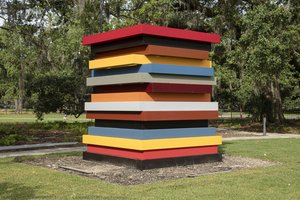
In the quiet intersection of architectural precision and abstract emotion, Pedestal for Three Monochromes (Malevich & Duchamp) stands as a profound meditation on the essence of visual language. Created in 2015 by the Argentine master Horacio Zabala, this installation-style work transcends the boundaries of traditional painting to engage directly with the space it inhabits. The piece presents three rectangular canvases, stacked with deliberate, rhythmic intent upon a simple wooden stool. Each canvas serves as a window into a singular, unadulterated chromatic experience: a vibrant red, a deep, stabilizing blue, and a lush, organic green. Through this arrangement, Zabala invites the viewer to strip away the noise of the modern world and confront the raw power of primary perception.
The technique employed here is one of disciplined minimalism, where the artist’s architectural background shines through every edge and boundary. There is no decorative flourish to distract the eye; instead, the focus remains entirely on the interplay of color, shape, and weight. The application of paint appears smooth and deliberate, creating solid blocks of pigment that seem to vibrate against one another. By utilizing a flat, geometric style, Zabala achieves a sense of timelessness. The way the light interacts with these surfaces—softly diffusing across the red, blue, and green—creates subtle shadows that lend a sculptural dimension to the two-dimensional planes, making the work feel less like an object on display and more like a living presence within the room.
Historical Echoes and Symbolic Resonance
The title of the work serves as a sophisticated homage to the titans of the avant-garde, specifically referencing the Suprematist rigor of Kazimir Malevich and the conceptual provocations of Marcel Duchamp. By invoking these names, Zabala places his contemporary creation within a grand historical lineage of radical abstraction. The "pedestal" concept suggests that these colors are not merely pigments on cloth, but sacred objects of contemplation, elevated for our scrutiny. This intellectual depth provides a rich layer of meaning for the collector; the work is not just an aesthetic choice, but a scholarly nod to the moment when art moved away from representation and toward the pure expression of thought.
Symbolically, the trio of colors offers a balanced emotional spectrum that can transform the atmosphere of any interior. The red canvas pulses with an inherent energy and passion, acting as a focal point of vitality. In contrast, the blue provides a sense of profound calm and structural stability, grounding the composition. The green introduces a subtle connection to the natural world, evoking growth and renewal. Together, they form a complete cycle of existence—fire, water, and earth—rendered through the lens of modern geometric abstraction. For the interior designer, this piece offers a versatile yet commanding presence, capable of anchoring a minimalist gallery space or adding a sophisticated, intellectual pulse to a contemporary residential setting.
An Essential Addition for the Discerning Collector
For those seeking to curate a collection defined by depth and clarity, Pedestal for Three Monochromes represents an unparalleled opportunity. It is a work that demands attention without overwhelming its surroundings, making it an ideal centerpiece for high-end decor. Whether placed in a sunlit studio or a moody, dimly lit study, the piece interacts dynamically with its environment, reflecting the changing light and the architectural lines of the room. Owning a reproduction of such a significant contemporary work allows one to inhabit a space defined by the same principles of purity and structural beauty that Zabala so masterfully captures in his original vision.
関連作品
![Abstract Composition [triptych] — Vaclav Vytlacil, Abstract Expressionism](/media/artworks/images-thumb/08/3c/083c0675045645fd42d4e6c6d63f1ced.jpg)
アーティストの略歴
はじめに
オラシオ・サバラは、1943年にブエノスアイレスで生まれたアルゼンチンを代表する芸術家です。ブエノスアイレス大学で建築学の学位を取得した後、1976年にヨーロッパへと渡りました。ローマやウィーンでの生活を経て、1998年に再び故郷ブエノスアイレスへと戻り、その足跡を刻み続けています。芸術的キャリア
オラシオ・サバラの芸術的な歩みは、建築学と芸術が見事に融合した独自のスタイルによって特徴づけられています。彼の作品は、見る者の思考を刺激するテーマ、鮮烈な構図、そして素材の革新的な活用で広く知られています。その代表作には、ワイヤーを主素材として2014年に制作された「Monochrome of Adobe: Purity is in the Mix」や、紙に描かれた絵画作品「The Essential is in the Mix」などがあります。影響とスタイル
オラシオ・サバラの作風には、彼の建築学的な背景が深く息づいており、それは幾何学的な形態や洗練されたクリーンなラインの表現に色濃く反映されています。質感、色彩、そして構図というテーマを深く掘り下げ、それらの要素が織りなす相互作用について、彼ならではの独自の視点を見せてくれます。美術館とコレクション
オラシオ・サバラの作品は、アルゼンチンのブエノスアイレスにあるアマリア・ラクロゼ・デ・フォルタバット・アートコレクションをはじめ、様々な美術館やコレクションに収蔵されています。また、彼の絵画作品はArtsDot.comでも公開されており、アート愛好家たちはそこで彼の作品を探索し、その芸術的な探求について深く知ることができます。その他の著名な芸術家
アルゼンチンからは、空間の構造的研究で知られるフェデリコ・ブルックや、名作「Logs」を手がけた水彩画家オスカル・アグスティン・アレハンドロ・シュルツ・ソラーリといった、他にも優れた芸術家たちが名を連ねています。これらのアーティストたちはアルゼンチンの豊かな文化的遺産に貢献しており、この国を革新的で示唆に富む芸術の拠点へと押し上げています。- 代表作: Monochrome of Adobe: Purity is in the Mix, The Essential is in the Mix
- 影響を受けた要素: 建築、幾何学的形態、クリーンなライン
- 美術館とコレクション: アマリア・ラクロゼ・デ・フォルタバット・アートコレクション, ArtsDot.com
- その他の著名な芸術家: フェデリコ・ブルック, オスカル・アグスティン・アレハンドロ・シュルツ・ソラーリ
結び
オラシオ・サバラの芸術的キャリアは、まさに革新と創造性の力の証です。彼の作品は今なおアート愛好家たちにインスピレーションを与え、挑戦を促し続け、アルゼンチンのアートシーンにおける重要な人物としての地位を確立しています。その独自のスタイルと示唆に富むテーマを通じて、オラシオ・サバラはアルゼンチン美術の巨匠としての地位を不動のものにしました。
オラシオ・サバラ
1943 - , アルゼンチン
関連記事

幾何学的抽象絵画を定義した傑作10選|アート、アーティスト、インテリア装飾
モンドリアン、マレーヴィチ…幾何学的抽象絵画を代表する傑作10選。各作品の背景や色彩構成、アーティストの情熱に迫ります。美術館品質の複製画はArtsDot.comで。オンラインでアートコレクションをご覧ください。
Beyond Form & Color: Geometric Abstraction's Enduring Legacy in Art History
Explore the captivating world of geometric abstraction! Discover its origins, key artists like Malevich & Mondrian, and why this movement remains highly valued by art collectors today. Expert insights at ArtsDot.
フェルナン・レジェ傑作25選:機械美と色彩の革新 | ArtsDot
フェルナン・レジェの傑作25選。機械美と色彩が織りなすキュビズムの世界を紐解きます。ArtsDotで、フランス絵画の巨匠レジェの作品を高精細プリントで。インテリアアートやギフトにも最適です。全コレクションはこちら: ArtsDot.com
Beyond Form & Color: Geometric Abstraction's Evolution in 20th/21st Century Art
Explore the evolution of geometric abstraction from Cubism to contemporary art. Discover key artists like Malevich & Mondrian, investment insights, and expert collecting advice at ArtsDot.

Kandinsky's Masterpieces: 25 Paintings That Define Abstract Art | ArtsDot
Journey through Wassily Kandinsky's 25 most iconic abstract paintings. Explore his revolutionary use of color, form & spiritual expressionism. Find museum-quality Kandinsky reproductions and elevate your home decor with ArtsDot.com. Discover all masterpieces on ArtsDot.com!

