

 プレビュー
プレビュー
 プリントを購入
 シェアする
シェアする シェアする
シェアする
 詳細を見る
詳細を見る

 ダウンロード
 似ている作品
 X線調査
X線調査 スライドショー
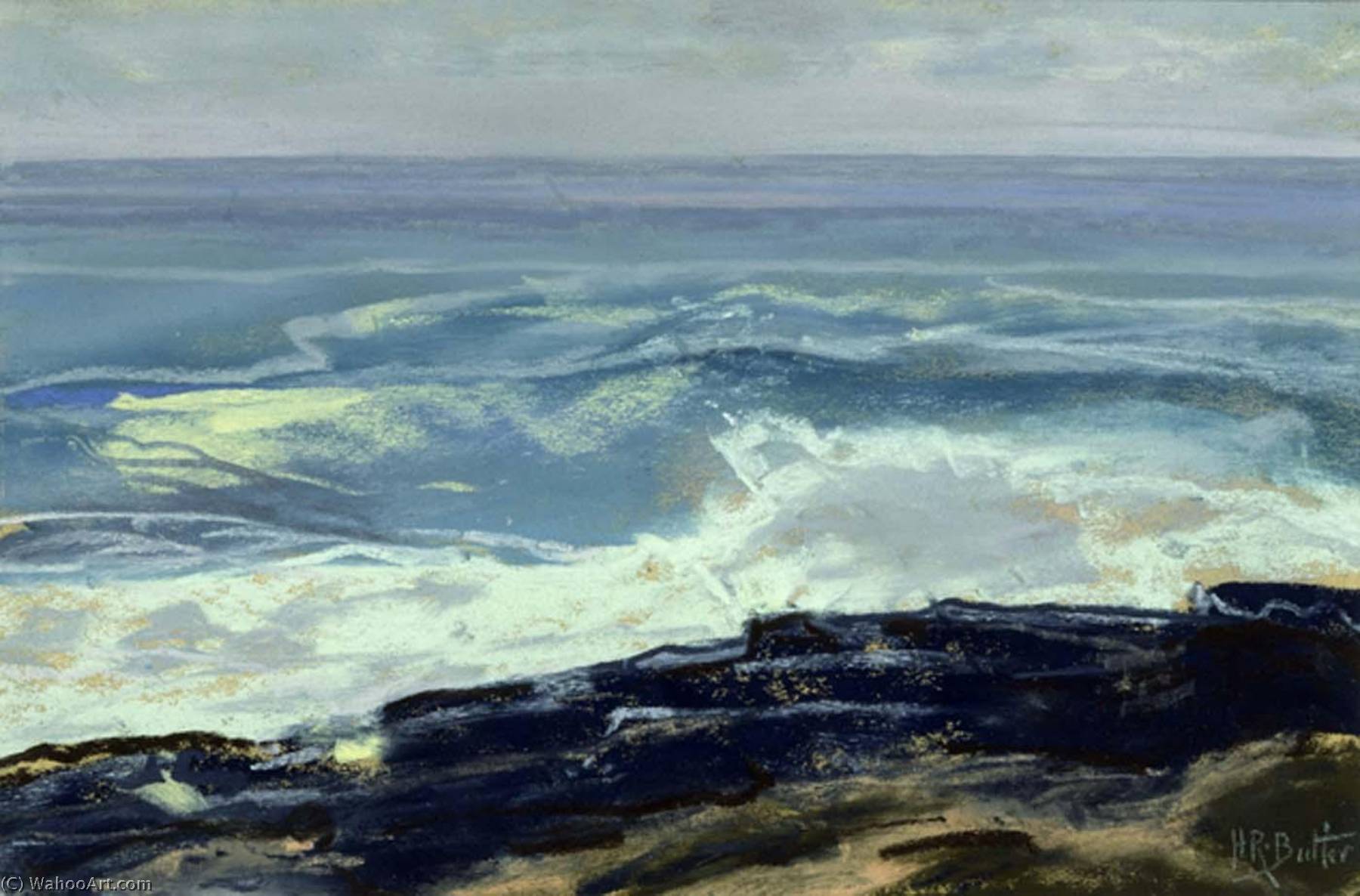
Maine Coast ( 31)
 1920
1920 14.0 x 21.0 cm
 詳細を見る
詳細を見る




































作品のオリジナル比率に合わせた、当店の規定サイズからお選びください。

特定のフレームやスペースに合わせて、ご希望のサイズをご入力いただけます。選択されたサイズが元の画像の比率と異なる場合、アートワークをトリミングするか、手描きで要素を追加して絵画を拡張いたします。デジタルモックアップ を制作し、制作開始前にご確認(承認)をいただきます。
画面上のプレビューは、実際のトリミングや拡張を正確に反映しているものではありません。最終的な構図は、モックアップによってのみ正確にご確認いただけます。
カスタムサイズもご利用いただけますが、元の比率を維持するためには、あらかじめ用意されたリストからサイズを選択することをお勧めいたします。
ご注文後、ArtsDot.com チームより詳細な指示をお送りするとともに、仕上がりイメージ(モックアップ)をご提供いたします。


 ガラスオプションは、110cm未満のサイズでのみご利用いただけます。

Maine Coast ( 31)
複製技法
複製画のサイズ
-


合計金額
$ 263
The Artist and His Style
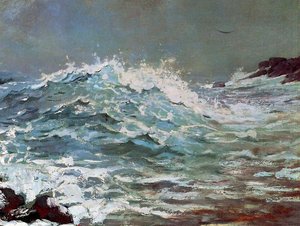
Howard Russell Butler was an American artist known for his beautiful landscapes and seascapes. His style is characterized by the use of bold colors and delicate brushstrokes, which gives his paintings a sense of depth and dimension. The Maine Coast (31) painting is a perfect example of his skill in capturing the beauty of the natural world.The Painting's Composition
The composition of the Maine Coast (31) painting is well-balanced, with the ocean taking up a significant portion of the image. The waves are depicted in a gentle, rolling motion, which creates a sense of calm and serenity. In the foreground, several people can be seen enjoying the beach, adding a touch of humanity to the scene. Two boats are also visible, one closer to the left side of the painting and another further back towards the right.Availability and Reproduction
The Maine Coast (31) painting is currently housed at the Smithsonian American Art Museum in the United States. For those who want to own a piece of this beautiful artwork, handmade oil paintings reproductions are available on https://ArtsDot.com. These reproductions are made with high-quality materials and are carefully crafted to capture the essence of the original painting. You can also find more information about Howard Russell Butler and his other works on Wikipedia.- Painting title: Maine Coast (31)
- Artist: Howard Russell Butler
- Museum: Smithsonian American Art Museum
- Year: 1920
- Medium: Paper
- Size: 14 x 21 cm
The Maine Coast (31) painting by Howard Russell Butler is a beautiful representation of the American coastline. With its well-balanced composition and delicate brushstrokes, it is a must-see for anyone who loves art and nature. Whether you visit the Smithsonian American Art Museum or purchase a handmade oil painting reproduction from https://ArtsDot.com, this painting is sure to leave a lasting impression.
関連作品
アーティストの略歴
Howard Russell Butler: Life and Legacy
Early Life and Education
- Born: March 3, 1856, in New York City.
- Family Background: Butler was the son of William Allen Butler, a renowned lawyer and satirist, and Harriet Allen. His uncle, William Stanley Haseltine, was also an artist.
- Early Training: He received initial artistic training from William Shannon and benefited from exposure to the National Academy of Design, where his parents were fellows, as well as his uncle’s studio.
- Academic Pursuits: Butler attended Princeton University, earning a degree in Science in 1876. He briefly served as an assistant professor of physics there before pursuing legal studies at Columbia University, graduating in 1881.
From Law to Art: A Career Transition
- Early Career: Initially practicing patent law, Butler ultimately decided to dedicate himself entirely to painting in 1884.
- Further Studies: He studied under Frederic Edwin Church in Mexico and later with J. Carroll Beckwith and George de Forest Brush at the Art Students League in New York.
- European Influence: From 1885 to 1887, Butler lived in France, specifically Paris and Concarneau, immersing himself in the American artistic colony there.
Artistic Development and Style
- Diverse Subjects: Butler’s work encompassed seascapes, landscapes, portraits, and notably, depictions of solar eclipses.
- Influences: His style reflects influences from Realism and Impressionism, blending detailed observation with atmospheric effects.
- Unique Focus on Eclipses: He developed a unique approach to capturing the transient colors and phenomena of solar eclipses, utilizing his scientific background.
Major Achievements and Contributions
- American Fine Arts Society: Butler founded the American Fine Arts Society in 1889 and led it for its first seventeen years, promoting American art.
- Carnegie Lake: He persuaded Andrew Carnegie to fund the construction of Carnegie Lake near Princeton University, a significant contribution to the university’s rowing program.
- Architectural Projects: Butler designed Carnegie's mansion on Fifth Avenue (now the Cooper-Hewitt Museum) and an astronomy hall for the American Museum of Natural History.
- Solar Eclipse Paintings: His paintings documenting solar eclipses were displayed at the Hayden Planetarium for many years, showcasing his unique artistic and scientific perspective.
Historical Significance and Legacy
- Bridging Art and Science: Butler’s life exemplifies a rare combination of artistic talent and scientific understanding.
- Patronage and Philanthropy: His relationship with Andrew Carnegie highlights the role of patronage in supporting the arts during the Gilded Age.
- Lasting Impact: Butler’s work continues to be exhibited in prominent museums, including the Metropolitan Museum of Art and the National Museum of American Art, preserving his legacy as a notable American artist.
- Death: Howard Russell Butler passed away on May 20, 1934, near Carnegie Lake, leaving behind a diverse body of work that reflects his multifaceted talents and interests.
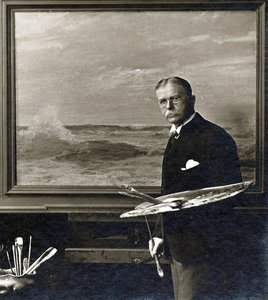
howard russell butler
1856 - 1934
基本情報
- Birth Date: March 3, 1856
- Birth Place: New York City
- Death Date: May 20, 1934
- Influenced By:
- William Shannon
- Frederic Edwin Church
- J. Carroll Beckwith
- George de Forest Brush
- Movement:
- Realism
- Impressionism
- Name: Howard Russell Butler
- Nationality: American
- Notable Works:
- Paintings of solar eclipses
- Seascapes
- Landscapes
- Carnegie Lake design
- Carnegie Mansion design