

 プレビュー
プレビュー
 プリントを購入
 シェアする
シェアする シェアする
シェアする
 詳細を見る
詳細を見る

 ダウンロード
 似ている作品
 X線調査
X線調査 スライドショー
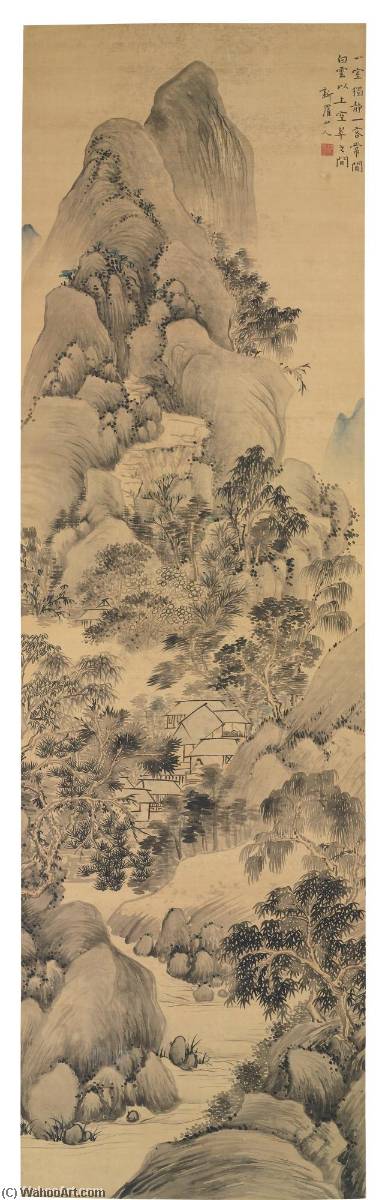
SPIRITUAL ABODE ON A HILL LACED WITH STREAMS
 Landscape Painting
 148.0 x 44.0 cm
 詳細を見る
詳細を見る




P118B $10

P118H $10

P118W $10

P438Z $10

P508JH $12

P508YH $12

P805H $10

P805Z $10

P919BZ $10

P919G $10

P919XJ $10

P959ZH $10

P968JZ $12

W106C $8

W218G $10

W218JH $8

W218Y $10

W307PJ $10

W316G $10

W316PJ $8

W316Y $10

W398PJ $8

W4111J $10

W500HY $15

W500JH $15

W692G $12

W849H $8

W940BG $15

W953PJ $8




作品のオリジナル比率に合わせた、当店の規定サイズからお選びください。

特定のフレームやスペースに合わせて、ご希望のサイズをご入力いただけます。選択されたサイズが元の画像の比率と異なる場合、アートワークをトリミングするか、手描きで要素を追加して絵画を拡張いたします。デジタルモックアップ を制作し、制作開始前にご確認(承認)をいただきます。
画面上のプレビューは、実際のトリミングや拡張を正確に反映しているものではありません。最終的な構図は、モックアップによってのみ正確にご確認いただけます。
カスタムサイズもご利用いただけますが、元の比率を維持するためには、あらかじめ用意されたリストからサイズを選択することをお勧めいたします。
ご注文後、ArtsDot.com チームより詳細な指示をお送りするとともに、仕上がりイメージ(モックアップ)をご提供いたします。


 ガラスオプションは、110cm未満のサイズでのみご利用いただけます。

SPIRITUAL ABODE ON A HILL LACED WITH STREAMS
複製技法
複製画のサイズ
-


合計金額
$ 263
関連作品

アーティストの略歴
Hua Yan (1682 – 1756): A Master of Tranquility and Symbolism in Classical Chinese Landscape Painting
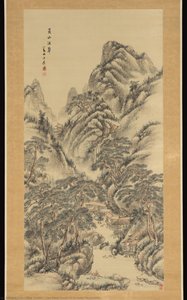
Hua Yan, born in Jiangsu Province during the Qing Dynasty’s Kangxi Reign (1661–1722), stands as a prominent figure within the canon of classical Chinese landscape painting. Though biographical details remain somewhat sparse – largely due to the prevalent practice of artistic anonymity during his era – scholars recognize him as a pivotal contributor to Shuimohua, or ink wash painting, achieving renown for its serene beauty and profound philosophical undercurrents. His work embodies the spirit of Daoist ideals concerning harmony with nature and contemplation—themes deeply ingrained in Chinese art history. Yan’s artistic journey began amidst a period of significant cultural revival following decades of turmoil during the Ming Dynasty. The Kangxi Emperor championed Confucian scholarship and revitalized imperial patronage, fostering an environment conducive to artistic excellence. Yan benefited greatly from this encouragement, honing his skills under renowned masters and establishing himself as a respected artist within the court circles. While precise documentation concerning his formative years is elusive, evidence suggests he studied diligently alongside fellow artists, absorbing stylistic influences from earlier generations of landscape painters like Zhu Da and Shen Zhou—artists who championed expressive brushwork and meticulous observation of natural forms. Yan’s artistic output spanned several decades, producing a substantial body of paintings characterized by exceptional compositional balance and subtle tonal gradations. He skillfully employed techniques honed over years of practice to capture the essence of mountainous vistas, incorporating elements of misty landscapes, rocky outcrops, and flowing streams—all rendered with breathtaking realism and imbued with symbolic significance. Recurring motifs such as pine trees (representing resilience and longevity), orchids (symbolizing purity and nobility) and peonies (signifying wealth and honor) are frequently interwoven into his compositions, reflecting Confucian values concerning virtue and moral integrity. These elements aren’t merely decorative; they serve as conduits for conveying deeper philosophical ideas about the interconnectedness of humanity and the cosmos. A particularly noteworthy achievement was his contribution to “Spiritual Abode on a Hill Laced with Streams,” a monumental landscape scroll that exemplifies Yan's mastery of Shuimohua. The painting depicts a majestic mountain peak enveloped in swirling mist, punctuated by towering rocks and cascading waterfalls—a scene designed to inspire contemplation and evoke feelings of tranquility. Critics lauded its masterful brushwork and atmospheric depth, recognizing it as a testament to Yan’s profound understanding of landscape aesthetics. Similarly, “Peony, Orchid and Rock” showcases Yan's ability to distill complex natural phenomena into simplified yet evocative representations, demonstrating his unwavering commitment to capturing the sublime beauty of the natural world. Hua Yan’s legacy extends beyond individual artworks; he represents a cornerstone of Qing Dynasty artistic tradition. His paintings continue to inspire admiration for their understated elegance and philosophical depth—qualities that resonate powerfully with viewers today. He solidified Shuimohua's reputation as one of China’s most revered art forms, ensuring his place in the annals of Chinese art history as a champion of Daoist principles and an exemplar of artistic excellence. His influence can be seen in subsequent generations of landscape painters who sought to emulate his stylistic innovations and philosophical vision—a testament to the enduring power of his creative spirit.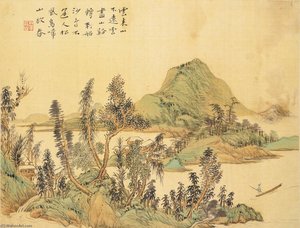
Hua Yan
1682 - 1756
基本情報
- Artistic Movement Or Style: Landscape Painting
- Date Of Birth: 1682
- Date Of Death: 1756
- Full Name: Hua Yan
- Nationality: Chinese
- Notable Artworks:
- Spiritual Abode on a Hill Laced with Streams
- Peony, Orchid & Rock
- Place Of Birth: China
関連記事

ロマン派ランドスケープ:時代を彩る巨匠の10選|アートとインテリアの世界
ロマン派絵画の時代を彩る10選。巨匠たちの風景が織りなす感動の世界へ。ターナー、ルーベンスなど、名作の裏話と高精細複製でアートをお部屋に。ArtsDot.comで至福のアート体験を。

Evocations of Place: A Historical Journey Through Landscape Art
Explore the rich history of landscape art with ArtsDot. Discover renowned artists, movements like Impressionism & Romanticism, and expert guidance for collecting timeless pieces. Find your perfect serene escape today!

ジョン・コンスタブルの傑作25選:英国風景画の巨匠が描く自然と光の詩 | ArtsDot
ジョン・コンスタブルの傑作25選。英国風景画の巨匠が描く自然と光の詩の世界へ。ロマン主義を代表する絵画、デダム・ヴェールやヘイ・ウェインなど、ArtsDotで高品質なアートプリントをお楽しみください。インテリアに深みと感動を。コレクションはこちら。

Evocations of Place: A Historical Journey Through Landscape Art
Explore the rich history of landscape art with ArtsDot. Discover renowned artists, movements like Impressionism & tonalism, and expert guidance for collecting timeless pieces. Find your perfect serene escape today!

葛飾北斎:25の傑作が語る浮世絵の世界 - ArtsDot
葛飾北斎の25選:『神奈川沖浪裏』や『富嶽三十六景』など、浮世絵の世界を深く探求。木版画の技法と日本美術の美をArtsDotで。高品質なアートプリントで空間に感動を。コレクションはこちら。

