

 プレビュー
プレビュー
 プリントを購入
 シェアする
シェアする シェアする
シェアする
 詳細を見る
詳細を見る

 ダウンロード
 似ている作品
 X線調査
X線調査 スライドショー
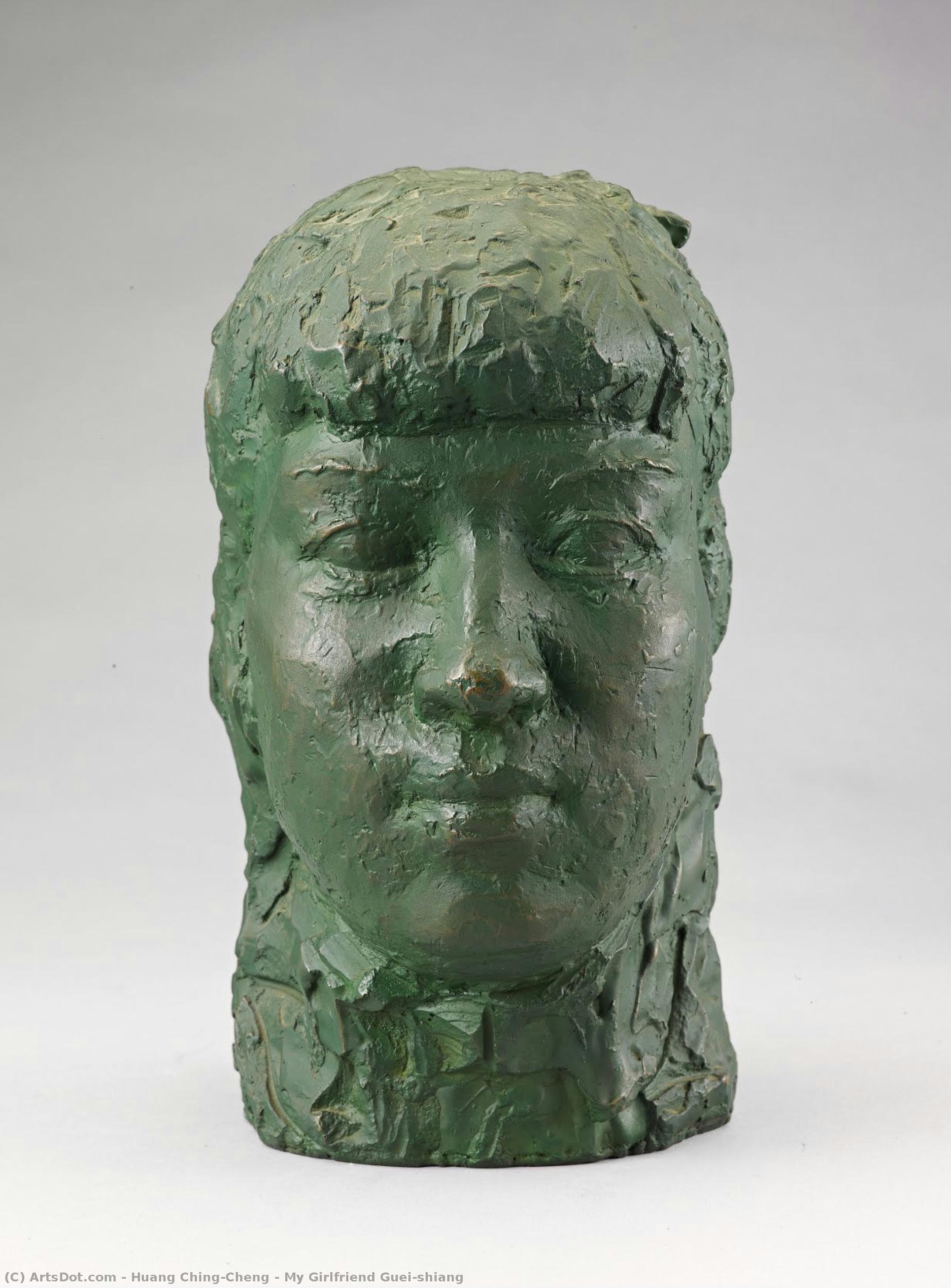
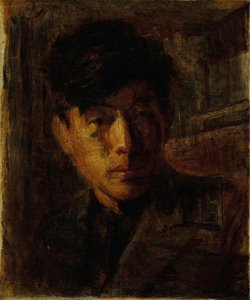
My Girlfriend Guei-shiang


 詳細を見る
詳細を見る




































作品のオリジナル比率に合わせた、当店の規定サイズからお選びください。

特定のフレームやスペースに合わせて、ご希望のサイズをご入力いただけます。選択されたサイズが元の画像の比率と異なる場合、アートワークをトリミングするか、手描きで要素を追加して絵画を拡張いたします。デジタルモックアップ を制作し、制作開始前にご確認(承認)をいただきます。
画面上のプレビューは、実際のトリミングや拡張を正確に反映しているものではありません。最終的な構図は、モックアップによってのみ正確にご確認いただけます。
カスタムサイズもご利用いただけますが、元の比率を維持するためには、あらかじめ用意されたリストからサイズを選択することをお勧めいたします。
ご注文後、ArtsDot.com チームより詳細な指示をお送りするとともに、仕上がりイメージ(モックアップ)をご提供いたします。


 ガラスオプションは、110cm未満のサイズでのみご利用いただけます。

My Girlfriend Guei-shiang
複製技法
複製画のサイズ
-


合計金額
$ 263
作品解説
関連作品



アーティストの略歴
Huang Ching-cheng (1912 - 1943): Pioneer of Taiwanese Modern Art
Huang Ching-cheng (黃清埕/黃清呈; pinyin: Huang Qingcheng; Wade–Giles: Huang Ch'ing-ch'eng; 1912–1943) stands as a pivotal figure in the nascent landscape of Taiwanese modern art, recognized alongside Ju Ming for his contribution to establishing Taiwan’s cultural heritage as protected by law. Born in Chidong Village (池東村), Xiyu, Hōko Prefecture—a region ceded to Japan following the First Sino-Japanese War—Huang's artistic journey unfolded against a backdrop of colonial influence and burgeoning nationalist sentiment. His father operated a pharmacy, fostering an environment conducive to intellectual curiosity and creative exploration from a young age. Early sketches and paintings demonstrated considerable talent, prompting encouragement from his teacher and solidifying his passion for visual arts.- Early Life & Education: Huang’s formative years were marked by exposure to Japanese culture and education, culminating in studies at Kaohsiung Senior High School before pursuing advanced degrees at Tokyo University in pharmacology and art academy.
- Influence of Beethoven: Notably, Huang's artistic sensibilities were profoundly shaped by Ludwig van Beethoven—a composer whose ethos of freedom resonated deeply with him amidst the turbulent political climate of the 1930s and 40s. This connection was particularly evident in his fascination with Beethoven’s Ode to Joy, interpreted as an anthem for revolutionary ideals.
- Sculptural Innovation: Huang's breakthrough came with “Study of a Head,” considered Taiwan’s first modern sculpture and subsequently enshrined as cultural heritage—a testament to his pioneering spirit and unwavering dedication to artistic experimentation.
The Pursuit of Artistic Expression Amidst Wartime Constraints
Despite facing challenges stemming from familial obligations and financial limitations exacerbated by the Second Sino-Japanese War, Huang persevered in his artistic endeavors—a decision driven partly by his desire to embody the values championed by Beethoven. His brother’s selfless support enabled him to continue his studies at Tokyo School of Fine Arts, where he honed his skills and explored diverse sculptural techniques. The influence of Auguste Rodin—another artist who advocated for modernist principles—further solidified Huang's commitment to artistic innovation and a rejection of traditional conventions.- Tokyo Art Academy: Huang’s enrollment at Tokyo School of Fine Arts provided him with invaluable opportunities to refine his craft and engage with influential artistic discourse.
- Financial Support & Artistic Focus: His brother's generosity ensured he could dedicate himself fully to sculpting, mirroring Beethoven’s dedication to revolutionary ideals.
Early Works & Conceptual Foundations
Huang’s sculptural output encompassed a range of subjects—including busts and full-body sculptures—demonstrating his versatility as an artist. His exploration of Beethoven's musical philosophy—characterized by its advocacy for liberty and humanist values—served as a cornerstone of his artistic vision. David B. Dennis highlighted Beethoven’s Ode to Joy as embodying “an Ode to Freedom,” reflecting the progressive sentiments prevalent in Europe during that era. The artist’s preoccupation with capturing human emotion and conveying complex ideas aligns seamlessly with Rodin's sculptural approach, prioritizing psychological depth and expressive realism.- Beethoven Inspiration: Huang’s artistic inspiration drew heavily from Beethoven’s musical philosophy—specifically his championing of liberty and humanist values.
- Sculptural Techniques: He mastered various sculpting techniques, mirroring Rodin's commitment to conveying emotion through form and texture.
Legacy & Recognition
Huang Ching-cheng’s contribution to Taiwanese art history is cemented by the designation of “Study of a Head” as cultural heritage—a symbol of Taiwan’s artistic identity and its embrace of modernist ideals. His work continues to inspire artists and scholars alike, underscoring his enduring influence on the trajectory of Taiwanese modernism. He was recognized alongside Ju Ming for establishing Taiwan's art landscape as protected by law.- Cultural Heritage Designation: “Study of a Head” holds significant cultural heritage status—a testament to Huang’s pioneering spirit and artistic vision.
- Contemporary Relevance: His work resonates with contemporary artists who grapple with themes of memory, identity, and social change—reflecting the enduring legacy of modernist principles.
Further Exploration
For a deeper understanding of Huang Ching-cheng’s artistic journey and his impact on Taiwanese art history, consult resources such as:- Google Arts & Culture: https://artsandculture.google.com/entity/huang-ching-cheng/g11v097v01q
- Wikipedia: https://en.wikipedia.org/wiki/Huang_Ching-cheng
huang ching-cheng
1912 - 1943 , Taiwan
基本情報
- Artistic Movement Or Style: Biomedical Engineering
- Artists Or Movements Influenced By This Artist: ['Modern Art']
- Artists Who Influenced This Artist:
- Ludwig van Beethoven
- Ju Ming
- Date Of Birth: December 22, 1980
- Full Name: Huang Ching-cheng
- Nationality: Taiwanese
- Notable Artworks: ['Study of a Head']
- Place Of Birth: Taichung, Taiwan

