

 プレビュー
プレビュー
 プリントを購入
 シェアする
シェアする シェアする
シェアする
 詳細を見る
詳細を見る

 ダウンロード
 似ている作品
 X線調査
X線調査 スライドショー
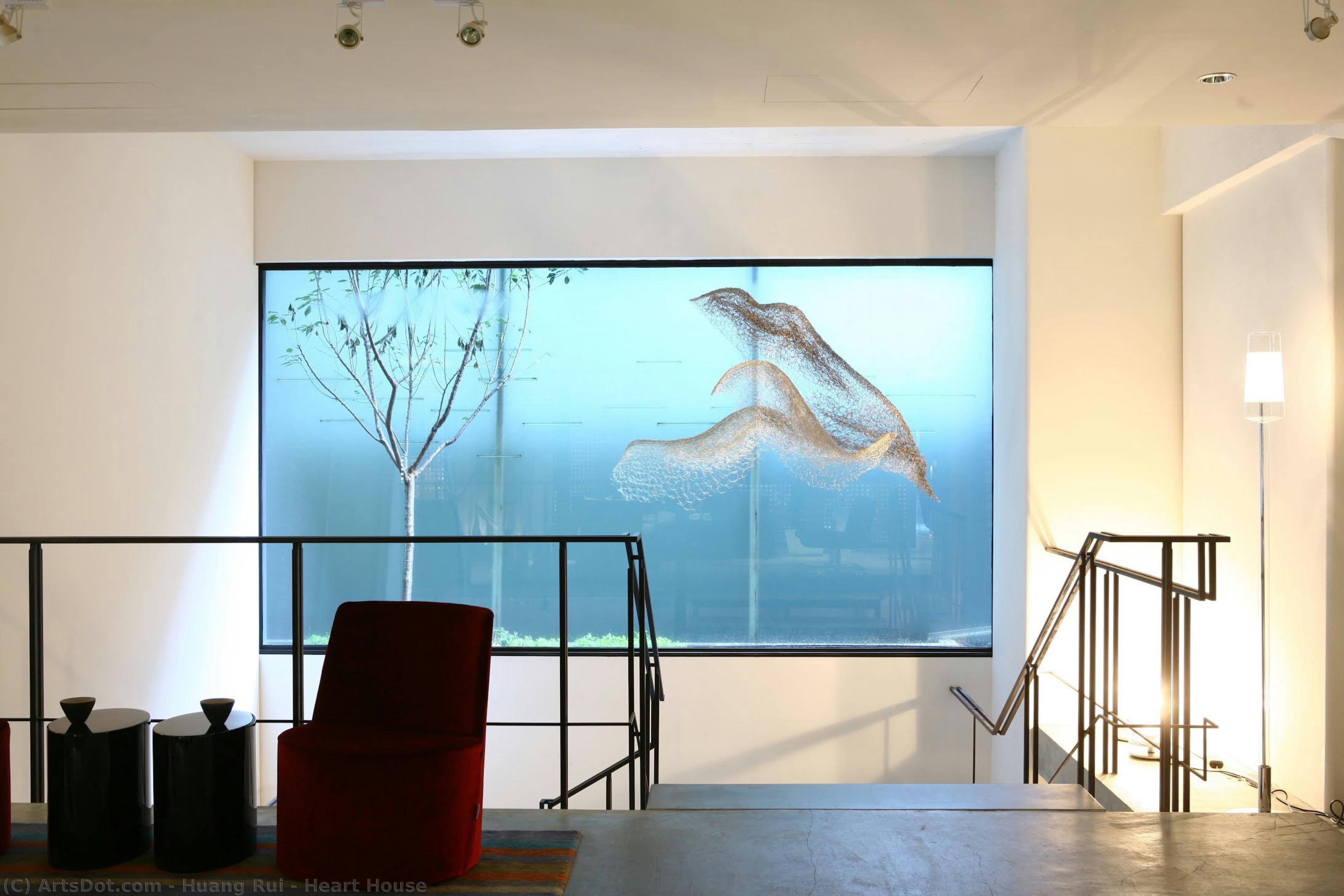
Heart House

 詳細を見る
詳細を見る




































作品のオリジナル比率に合わせた、当店の規定サイズからお選びください。

特定のフレームやスペースに合わせて、ご希望のサイズをご入力いただけます。選択されたサイズが元の画像の比率と異なる場合、アートワークをトリミングするか、手描きで要素を追加して絵画を拡張いたします。デジタルモックアップ を制作し、制作開始前にご確認(承認)をいただきます。
画面上のプレビューは、実際のトリミングや拡張を正確に反映しているものではありません。最終的な構図は、モックアップによってのみ正確にご確認いただけます。
カスタムサイズもご利用いただけますが、元の比率を維持するためには、あらかじめ用意されたリストからサイズを選択することをお勧めいたします。
ご注文後、ArtsDot.com チームより詳細な指示をお送りするとともに、仕上がりイメージ(モックアップ)をご提供いたします。


 ガラスオプションは、110cm未満のサイズでのみご利用いただけます。

Heart House
複製技法
複製画のサイズ
-


合計金額
$ 263
関連作品









アーティストの略歴
Early Life and the Seeds of Rebellion
Huang Rui, born in Beijing in 1952, is a figure inextricably linked to the birth of contemporary Chinese art. His life story isn’t one of privileged artistic upbringing but rather a journey forged through the tumultuous landscape of mid-20th century China. The Cultural Revolution cast a long shadow over his youth; at sixteen, he was sent to Inner Mongolia to work as a farmer – an experience that undoubtedly instilled in him a deep awareness of societal constraints and the power dynamics shaping everyday life. This period wasn’t merely a disruption but a formative one, planting the seeds of rebellion against ideological rigidity. Upon returning to Beijing, his brief studies at the Beijing Worker's Cultural Center offered a glimpse into artistic expression, yet it was the underground literary journal Today (今天), co-published in 1978 with fellow dissidents like Bei Dao and Mang Ke, that truly ignited his creative spirit. This publication, considered one of the most radical of its time, became a vital platform for challenging established norms and fostering intellectual discourse—a crucial precursor to the artistic movements he would soon spearhead.The Stars Group: A Collective Voice
Huang Rui’s name is synonymous with the founding of The Stars Art Group in 1979, a watershed moment in Chinese art history. This collective wasn't simply an assembly of artists; it was a defiant act—the first publicly active group to openly protest government censorship following the Cultural Revolution. Alongside Wang Keping, Ai Weiwei, Mao Lizi, and Li Shuang, Huang Rui challenged the dominance of Socialist Realism, seeking alternative modes of expression that reflected the complexities of their rapidly changing society. Their initial attempts to exhibit were met with swift suppression; a 1979 exhibition outside the China Arts Gallery was shut down by police for “affecting the normal life of the public and social order.” Yet, this act of censorship only amplified their message, drawing attention to the stifling limitations placed on artistic freedom. The Stars Group’s exhibitions, often held in secret within private homes, became spaces for vibrant debate—exploring Western art trends alongside fundamental questions about individual expression and societal control.From Figurative Roots to Abstract Explorations
Huang Rui's early work demonstrated a clear engagement with Western artistic styles – Expressionism, Abstract Expressionism, Fauvism, Cubism all left their mark on his canvases. However, he wasn’t content to simply replicate these forms; instead, he embarked on a path of experimentation that would define his unique artistic voice. Over time, his practice expanded beyond painting to encompass calligraphy, installations, and performance art—a testament to his restless curiosity and refusal to be confined by traditional boundaries. This evolution is characterized by a growing emphasis on symmetry, simplicity of form, and the use of primary colors. While aesthetically pleasing in their own right, Huang Rui’s works are deeply imbued with social consciousness, often provoking controversy through subtle yet powerful critiques of political ideologies and cultural shifts.Themes of Language and Cultural Identity
A recurring motif throughout Huang Rui's career is his exploration of language—particularly the playful manipulation of Chinese political slogans. His iconic piece “Charmain Mao 10,000 RMB”, where he spells out “Mao Zhuxi Wan Sui” (“10,000 years for Chairman Mao”) using ten thousand yuan banknotes, is a striking example of this approach. This work isn’t merely a visual statement; it's a complex commentary on the relationship between politics and economics in post-Cultural Revolution China—acknowledging the inherent contradictions of utilizing Mao’s image to fuel Deng Xiaoping’s economic reforms. Similarly, his piece “Chai-na/China”, which juxtaposes the Chinese characters “chai” and “na” (“destroy here”) with images of Beijing demolitions undertaken in preparation for the Olympics, highlights the human cost of rapid modernization. These works demonstrate Huang Rui’s ability to transform seemingly simple elements into potent symbols of cultural upheaval and societal critique.Legacy and Continued Influence
Huang Rui's impact on contemporary Chinese art is undeniable. He wasn’t just an artist; he was a catalyst—a pioneer who challenged the status quo and paved the way for future generations of artists to explore their own voices without fear of censorship. His commitment to free expression, coupled with his innovative artistic techniques and profound social commentary, has earned him international recognition and cemented his place as a pivotal figure in the art world. Even after relocating to Japan for fifteen years and returning to Beijing in 2000, he continued to push boundaries—initiating apartment exhibitions and establishing a studio in a defunct industrial park that became a hub for artistic experimentation. His recent large-scale exhibition “The Name of Absence”, at the Long Museum West Bund, further solidified his legacy, showcasing over sixty works spanning four decades and demonstrating his continued relevance in a rapidly evolving cultural landscape. Huang Rui’s art is not simply about aesthetics; it's a testament to the power of individual expression, the importance of challenging authority, and the enduring search for meaning in a world marked by constant change.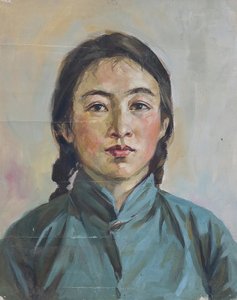
huang rui
1952 - , China
基本情報
- Artistic Movement Or Style: Contemporary Art
- Date Of Birth: 1952
- Full Name: Huang Rui
- Nationality: Chinese
- Notable Artworks:
- Heart House
- Yuanmingyuan - freedom
- The Guitars Story
- Charmain Mao 10,000 RMB
- Place Of Birth: Beijing, China