

 プレビュー
プレビュー
 プリントを購入
 シェアする
シェアする シェアする
シェアする
 詳細を見る
詳細を見る

 ダウンロード
 似ている作品
 X線調査
X線調査 スライドショー
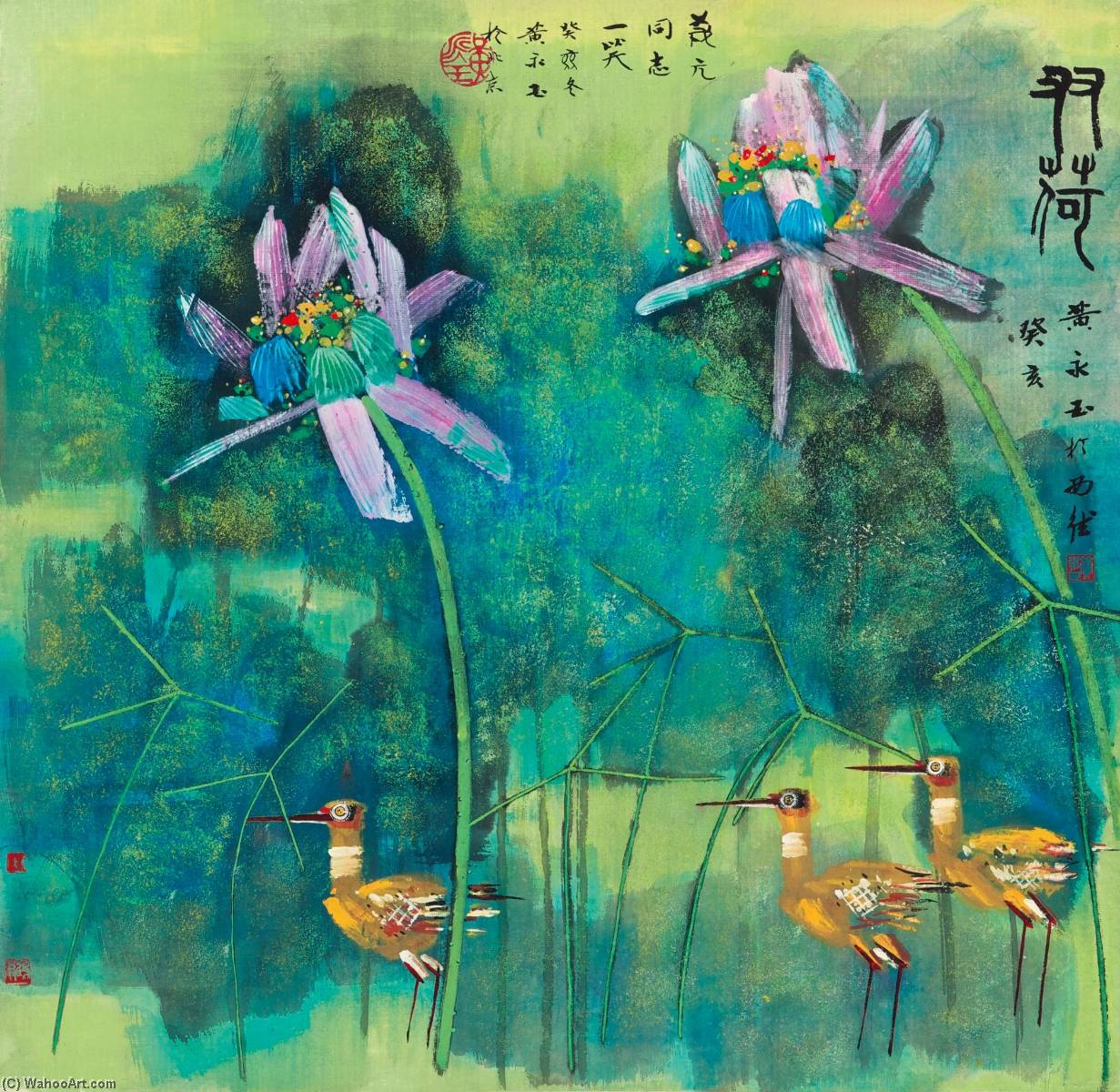
CRANES IN THE LOTUS POND
 詳細を見る
詳細を見る




































作品のオリジナル比率に合わせた、当店の規定サイズからお選びください。

特定のフレームやスペースに合わせて、ご希望のサイズをご入力いただけます。選択されたサイズが元の画像の比率と異なる場合、アートワークをトリミングするか、手描きで要素を追加して絵画を拡張いたします。デジタルモックアップ を制作し、制作開始前にご確認(承認)をいただきます。
画面上のプレビューは、実際のトリミングや拡張を正確に反映しているものではありません。最終的な構図は、モックアップによってのみ正確にご確認いただけます。
カスタムサイズもご利用いただけますが、元の比率を維持するためには、あらかじめ用意されたリストからサイズを選択することをお勧めいたします。
ご注文後、ArtsDot.com チームより詳細な指示をお送りするとともに、仕上がりイメージ(モックアップ)をご提供いたします。


 ガラスオプションは、110cm未満のサイズでのみご利用いただけます。

CRANES IN THE LOTUS POND
複製技法
複製画のサイズ
-


合計金額
$ 263
関連作品






アーティストの略歴
A Legacy of Symbolism and Artistic Vision
Huang Yongyu (1924 – 2023) stands as one of China’s most revered figures in contemporary art, a painter whose distinctive style—characterized by bold ink washes and meticulous woodcuts—captured the spirit of his era while simultaneously delving into profound philosophical themes. Born in the Tujia Autonomous Region of Hunan Province, Yongyu's artistic journey began amidst the rich cultural heritage of his homeland, which profoundly shaped his worldview and informed his creative output. His early years were marked by a resilience born of necessity; having been born into poverty, he began working at the age of twelve in porcelain workshops across the mountainous regions of Anhui and Fujian. This early immersion in craftsmanship instilled in him a deep appreciation for the tactile nature of art, a quality that would later manifest in his exquisite woodcarvings and precise ink strokes.
The foundations of his aesthetic were laid through exposure to traditional Chinese landscape painting and calligraphy, disciplines that taught him the essential values of balance, harmony, and the expressive power of nature. These classical influences were seamlessly woven with the philosophical tenets of Confucian ethics and Daoist thought, creating a tension between structured tradition and fluid, spontaneous expression. As he moved through Shanghai, Taiwan, and Hong Kong, his artistic voice expanded, incorporating a cosmopolitan sensibility that allowed him to synthesize ancient Chinese motifs with a modern, often subversive, perspective.
Mastery of Form and the Power of Protest
Yongyu’s technical prowess was most evident in his dual mastery of ink wash painting and woodcut printing. His woodcuts, often featuring intricate details drawn from Chinese folklore and mythology, showcased a remarkable ability to manipulate texture and light. However, it was during the turbulent years of the Cultural Revolution that his art took on a profound political dimension. During the "black painting" campaigns, Yongyu’s work became a subtle yet powerful vehicle for dissent. His famous depictions of owls—creatures often viewed with suspicion in Chinese lore—became legendary; by painting an owl with one eye closed, he created a piece that critics labeled as counter-revolutionary, symbolizing his quiet doubts about the political climate of the time. While he initially denied such political intent, he later openly acknowledged that these works served as a form of artistic protest against the era's constraints.
Beyond his political significance, his technical achievements reached monumental heights through series that explored the spiritual connection between life and the natural world. His most celebrated achievement remains the Ashima series, a breathtaking undertaking consisting of 108 large-scale ink paintings depicting cranes. In these works, the crane serves as a potent symbol of longevity, grace, and spiritual aspiration. Through masterful brushwork and a sophisticated use of color palettes, Yongyu transformed these canvases into meditative spaces that reflect his belief in the transformative potential of art to convey profound human emotions.
A Global Presence and Enduring Influence
As his career progressed, Huang Yongyu transitioned from a young artist publishing works in his teens to a distinguished professor at the Central Academy of Fine Arts and a vice chairman of the Chinese Artists Association. His influence extended far beyond the borders of China, as he held numerous exhibitions across Australia, Germany, Italy, and Hong Kong. His contributions to cultural exchange were so significant that he received prestigious awards from the Italian government, recognizing his role in bridging Eastern and Western artistic dialogues.
The enduring legacy of Huang Yongyu lies in his ability to remain a "national treasure" while constantly pushing the boundaries of his medium. Whether through the whimsical charm of his Monkey Stamp series or the serene landscapes of his ink washes, his work continues to resonate with themes of human existence, spirituality, and the delicate relationship between humanity and the natural world. He remains a towering figure whose life story—from the porcelain workshops of his youth to the international stage—embodies the resilience and profound depth of the Chinese artistic spirit.
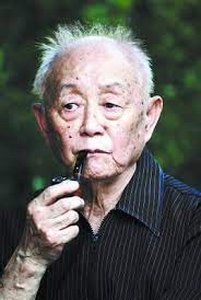
huang yongyu
1924 -
基本情報
- Artistic Movement Or Style: Ink wash painting
- Date Of Birth: 1924
- Date Of Death: Living
- Full Name: Huang Yongyu
- Nationality: Chinese
- Notable Artworks:
- Simply a Young Heart
- Wild Geese Over Reeds
- Cranes in the Lotus Pond
- Place Of Birth: Tujia Autonomous Region

