

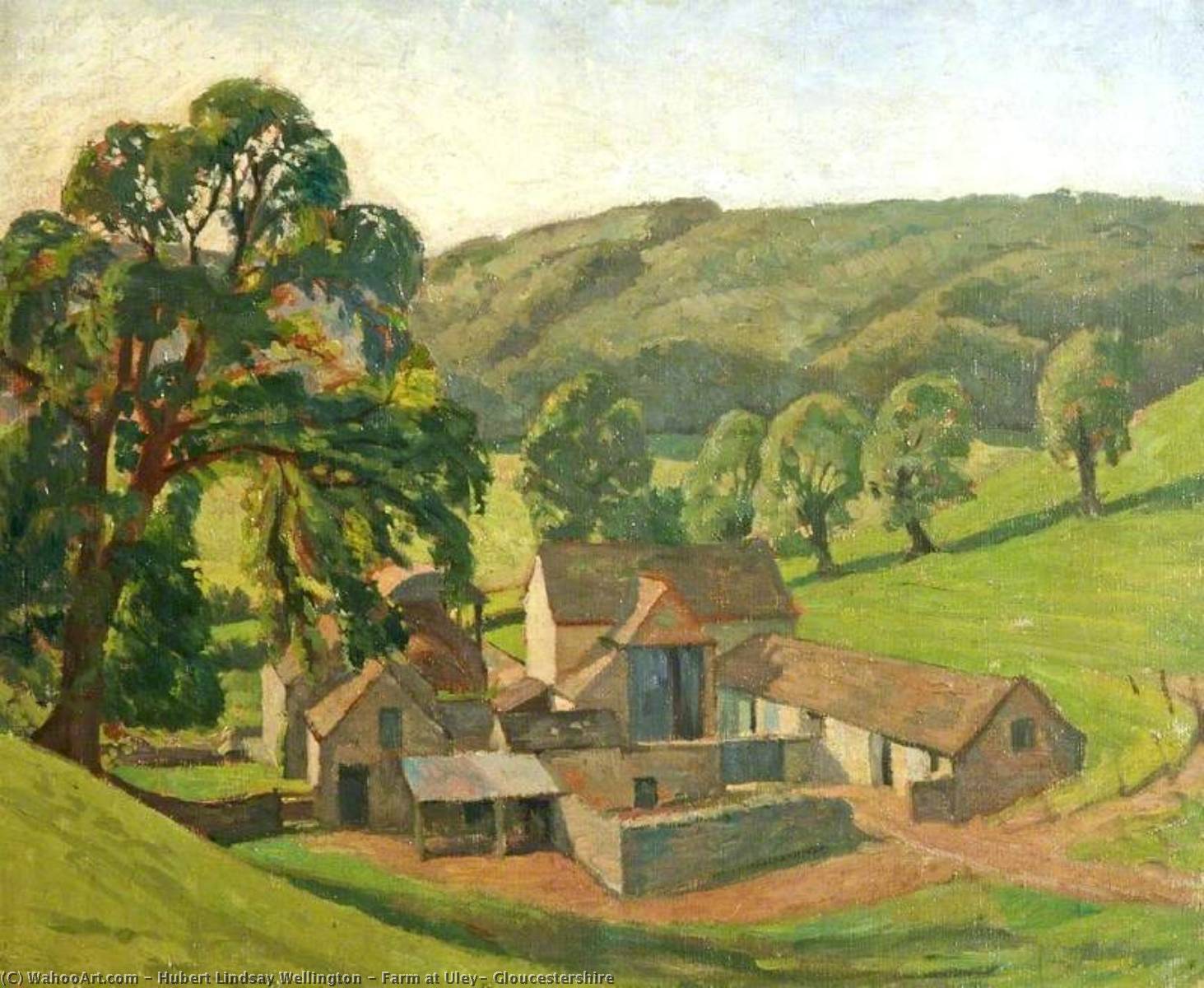
 プレビュー
プレビュー
 シェアする
シェアする シェアする
シェアする
 詳細を見る
詳細を見る

 ダウンロード
 似ている作品
 X線調査
X線調査 スライドショー
Farm at Uley, Gloucestershire
 1932
1932 50.0 x 60.0 cm
 Museum of Gloucester
 詳細を見る
詳細を見る
ジークレー/アートプリント
迅速な制作と多彩な仕上げオプションを備えた、ミュージアムクオリティのジークレーまたはキャンバスプリント。 ( 手描きの絵画を購入 画像を購入)




































作品のオリジナル比率に合わせた、当店の規定サイズからお選びください。

特定のフレームやスペースに合わせて、ご自身でサイズを指定することも可能です。選択されたサイズが元の画像の比率と一致しない場合、作品をトリミングするか、鏡面反射または単色での塗りつぶしによって画像を拡張いたします。制作を開始する前に、ご確認用のデジタルモックアップをお送りいたします。
画面上のプレビューには、実際のトリミングや拡張は反映されませんのでご注意ください。最終的な構図を正確に確認できるのは、モックアップのみとなります。
カスタムサイズも承っておりますが、元の比率を維持するためには、あらかじめ用意されたリストからサイズを選択することをお勧めいたします。


 ガラスオプションは、110cm未満のサイズでのみご利用いただけます。

Farm at Uley, Gloucestershire
ジークレー/アートプリント
複製画のサイズ
-


合計金額
$ 62
関連作品


アーティストの略歴
The Luminous Legacy of Hubert Lindsay Wellington
To wander through the canvases of Hubert Lindsay Wellington is to step into a world where time slows, and the fleeting beauty of the English countryside is captured in an eternal, golden amber. A master of British Impressionism, Wellington possessed a rare ability to translate the ephemeral qualities of light and atmosphere into palpable, textured experiences. Born in 1879, his artistic soul was deeply rooted in the pastoral rhythms of the natural world. His early years, shaped by the verdant landscapes of Worcestershire and Gloucester, instilled in him a lifelong reverence for the subtle shifts in the environment—the way a morning mist clings to a meadow or how the sun pierces through an ancient canopy of leaves.
Wellington’s formal education provided the technical scaffolding for his expressive vision. His studies at the School of Art in Gloucester, followed by periods at the Birmingham School of Art and the prestigious Slade School of Fine Art, equipped him with a rigorous understanding of form and composition. Yet, it was his encounter with the principles of Impressionism that truly liberated his brush. Drawing inspiration from luminaries such as Claude Monet and Pierre Renoir, he moved away from rigid realism toward a more emotive, sensory approach. He sought not merely to document the landscape, quite literally, but to evoke its spirit through a masterful manipulation of color and light.
Technique and the Impressionist Spirit
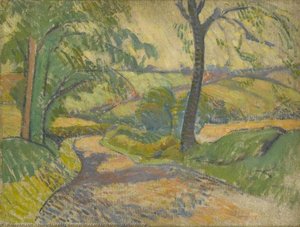
The hallmark of Wellington’s oeuvre lies in his tactile application of paint. He was a practitioner of thick impasto, a technique where pigment is layered heavily upon the canvas to create a three-dimensional quality. This method allowed him to capture the rugged textures of bark, the softness of wildflowers, and the heavy, moisture-laden air of the Staffordshire countryside. Through these raised strokes, light does not just sit upon the painting; it interacts with the physical surface, creating dancing shadows and brilliant highlights that change as the viewer moves.
His palette was a vibrant celebration of the seasons. In his depictions of Staffordshire, one finds an endless variety of hues: the deep, mossy greens of ancient woodlands, the pale, ethereal blues of a summer sky, and the warm, ochre tones of autumn afternoons. His work often focuses on specific, intimate scenes—a lane leading to Walton, an overhanging tree in Frampton Mansell, or the quiet dignity of a large barn. These were not mere topographical studies but poetic meditations on the tranquility of rural life, rendered with a loose, energetic brushwork that suggests movement and life within the stillness.
Academic Eminence and Lasting Significance
Beyond his private explorations of nature, Wellington was a formidable figure in the British academic and institutional art worlds. His career was marked by significant leadership roles and contributions to art education. He served as a lecturer at the National Gallery between 1919 and 1922 and dedicated a decade to teaching at the Royal College of Art in London. Perhaps most notably, his tenure as the Principal of the Edinburgh College of Art from 1932 to 1942 cemented his influence on a generation of emerging artists.
His prestige was reflected in his frequent exhibitions at some of the most respected institutions of his era, including the Royal Academy, the New English Arts Club, and the London Group. The enduring value of his work is evidenced by its presence in permanent collections that safeguard the heritage of British art, such as:
- The Tate Gallery, which holds his evocative Cotswold scenes.
- The Ashmolean Museum in Oxford.
- The Government Art Collection.
- Southampton City Art Gallery and the Museum of Gloucester.
As the art world moved toward the abstractions of modernism, Wellington remained a steadfast guardian of the Impressionist tradition, proving that there is profound, inexhaustible beauty to be found in the quiet corners of the landscape. Today, his paintings remain cherished for their ability to transport the viewer to a more serene era, offering a window into the timeless, sun-drenched heart of England.
hubert lindsay wellington
1879 - 1967
基本情報
- Artistic Movement Or Style: Impressionism
- Artists Or Movements Influenced By This Artist: ['Post-Impressionism']
- Artists Who Influenced This Artist: ['Claude Monet']
- Date Of Birth: 1879
- Date Of Death: 1967
- Full Name: Hubert Lindsay Wellington
- Nationality: British
- Notable Artworks:
- The Big Barn
- Lane to Walton
- Overhanging Tree
- Place Of Birth: Frampton Mansell, Staffordshire