

 プレビュー
プレビュー
 プリントを購入
 シェアする
シェアする シェアする
シェアする
 詳細を見る
詳細を見る

 ダウンロード
 似ている作品
 X線調査
X線調査 スライドショー
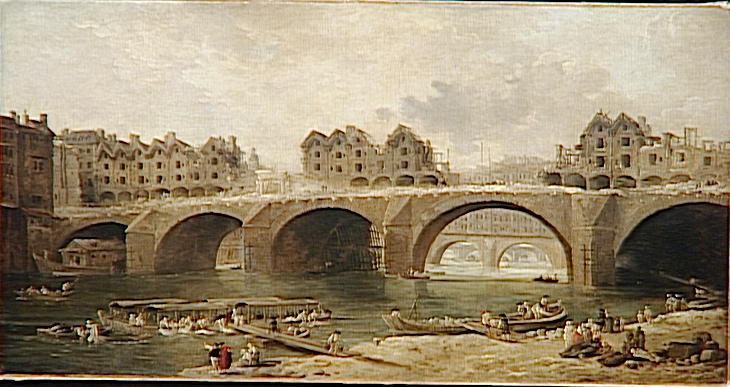
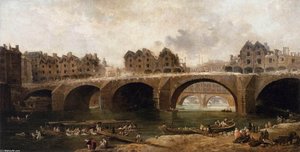
DEMOLITION DES MAISONS DU PONT NOTRE DAME, EN 1786


 詳細を見る
詳細を見る




P118B $10

P118H $10

P118W $10

P438Z $10

P508JH $12

P508YH $12

P805H $10

P805Z $10

P919BZ $10

P919G $10

P919XJ $10

P959ZH $10

P968JZ $12

W106C $8

W218G $10

W218JH $8

W218Y $10

W307PJ $10

W316G $10

W316PJ $8

W316Y $10

W398PJ $8

W4111J $10

W500HY $15

W500JH $15

W692G $12

W849H $8

W940BG $15

W953PJ $8




作品のオリジナル比率に合わせた、当店の規定サイズからお選びください。

特定のフレームやスペースに合わせて、ご希望のサイズをご入力いただけます。選択されたサイズが元の画像の比率と異なる場合、アートワークをトリミングするか、手描きで要素を追加して絵画を拡張いたします。デジタルモックアップ を制作し、制作開始前にご確認(承認)をいただきます。
画面上のプレビューは、実際のトリミングや拡張を正確に反映しているものではありません。最終的な構図は、モックアップによってのみ正確にご確認いただけます。
カスタムサイズもご利用いただけますが、元の比率を維持するためには、あらかじめ用意されたリストからサイズを選択することをお勧めいたします。
ご注文後、ArtsDot.com チームより詳細な指示をお送りするとともに、仕上がりイメージ(モックアップ)をご提供いたします。


 ガラスオプションは、110cm未満のサイズでのみご利用いただけます。

DEMOLITION DES MAISONS DU PONT NOTRE DAME, EN 1786
複製技法
複製画のサイズ
-


合計金額
$ 363
作品解説
A Ruined Beauty: Capturing Ephemeral Change in Robert's Parisian Vision
Hubert Robert’s “Demolition des Maisons du Pont Notre Dame, en 1786” isn’t merely a landscape painting; it’s a poignant meditation on time, decay, and the relentless march of urban transformation. Completed in 1786, this evocative work transports us to the banks of the Seine in Paris, not as a static snapshot, but as a fleeting moment suspended between destruction and renewal. Robert, a master of the “capriccio” – a genre he largely defined – expertly blends observation with imagination, creating an atmosphere thick with nostalgia and a subtle sense of melancholy. The painting’s power lies not just in its depiction of crumbling buildings, but in its ability to evoke the emotional resonance of loss and the beauty inherent in impermanence.
The scene unfolds with remarkable clarity despite the muted palette. Earthy browns, tans, and greys dominate, reflecting the weathered stone of the demolished structures and the overcast Parisian sky. Hints of blue shimmer on the river’s surface, offering a brief respite from the dominant tones. Robert's skillful use of linear perspective draws our eye along the length of the Pont Notre-Dame, guiding us through the composition and emphasizing the scale of the demolition. The strong horizontal lines of the bridge contrast with the gently curving arches, creating a dynamic tension that mirrors the painting’s central theme – the collision between established order and inevitable change.
Romanticism's Echoes: Ruins as Symbols
Robert firmly situated himself within the Romantic movement, an artistic sensibility deeply concerned with emotion, imagination, and the sublime. Unlike the Neoclassical emphasis on reason and order, Robert embraced the beauty of decay and the evocative power of ruins. These weren’t simply abandoned structures; they were potent symbols of history, memory, and the transience of human endeavor. The demolition depicted here isn't a violent act, but rather a carefully orchestrated scene of dissolution, imbued with a poetic quality that aligns perfectly with Romantic ideals. The inclusion of bustling river activity – boats laden with goods, figures engaged in various tasks – adds to the sense of a vibrant, albeit transient, urban life.
Technically, Robert’s approach is masterful. The visible brushstrokes contribute significantly to the painting's texture and atmosphere, particularly evident in the depiction of the weathered stone. There’s an impression of roughness and age, as if we could reach out and feel the cold solidity of the crumbling walls. The use of atmospheric perspective – softening details in the background – creates a convincing sense of depth, drawing us into the scene and immersing us in its melancholic beauty. The artist's attention to detail, from the reflections on the water to the subtle variations in light and shadow, elevates this work beyond a simple landscape depiction.
A Window into 18th-Century Paris
“Demolition des Maisons du Pont Notre Dame, en 1786” offers a fascinating glimpse into Parisian life during the late 18th century. The painting captures a period of significant urban change, as the city expanded and old structures were replaced by new ones. The demolition itself was likely part of a larger plan to improve navigation on the Seine and accommodate growing trade. Robert’s choice to depict this specific event – the dismantling of buildings along the Pont Notre-Dame – speaks volumes about the priorities and concerns of the time. The inclusion of figures engaged in various activities—merchants, laborers, boatmen—adds a layer of social commentary, suggesting that even amidst destruction, life continued on.
Considering Robert’s biography reveals further insight into his artistic vision. Born in Paris and trained by Michel-Ange Slodtz, he initially focused on sculpture before discovering his true calling in landscape painting. His years spent in Rome profoundly influenced his style, shaping his fascination with ruins and his ability to capture the ethereal beauty of light and atmosphere. His later work continued to explore themes of decay, memory, and the passage of time, solidifying his reputation as a master of the capriccio genre.
関連作品
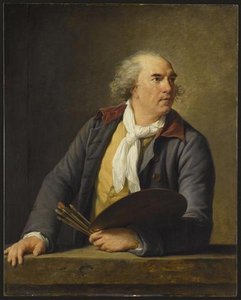
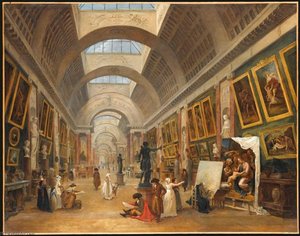
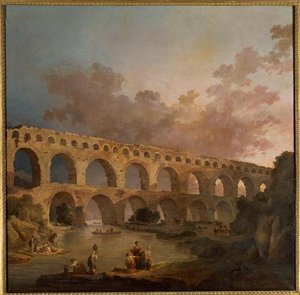
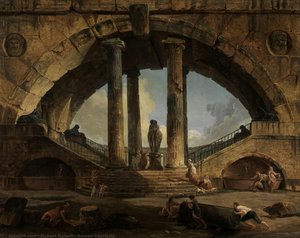
アーティストの略歴
ルネサンスの夢想家:ユベール・ロベールの世界
ユベール・ロベール(1733年生まれ)は、魅惑的な風景画と遺跡へのロマンチックな憧憬を象徴する画家であり、18世紀フランス美術において独特の位置を占めています。パリに生まれた彼は、華麗なロココ様式から新古典主義の夜明け、そして激動のフランス革命へと移り変わる時代の中で生きました。彼は単なる遺跡の記録者ではありませんでした。観察と想像力を融合させ、過去への郷愁と未来への期待を呼び起こすビジョンを創造したのです。彼の芸術的旅は、彫刻家ミシェル=アンジュ・スロッツの下での厳格な訓練から始まりました。スロッツはロベールの才能を見抜きながらも、光、雰囲気、そして形式の繊細な詩を捉えることが彼の真の天職であると直感し、彼を絵画へと導きました。ローマの幻想:芸術的アイデンティティの形成
ロベールの芸術的発展における重要な転換点は、1754年にエティエンヌ=フランソワ・ドゥ・ショワゼルに同行してローマへ長期滞在したことです。彼は歴史と建築的な壮大さに満ちた世界に没頭しました。11年間、古代都市は彼の野外スタジオとなり、崩れかけた神殿、雄大なアーチ、そして生い茂る庭園が彼の想像力を刺激しました。これは単なる見たものを再現する行為ではありませんでした。解釈し、再構築し、メランコリックな美しさで満たすことだったのです。彼はジョヴァンニ・パオロ・パンニニと共に働き、その影響はロベールの初期の *capriccio* 作品に見られます。これらの作品は、古典的な遺跡と現代生活を組み合わせた幻想的な風景画です。しかし、ロベールは模倣を超え、緻密な描写、大気遠近法、そして光と影の微妙なニュアンスに対する深い感受性を特徴とする独自のスタイルを発展させました。彼は単に遺跡を描いていたのではなく、時間そのものを描き出していたのです。儚さの美しさと記憶の永続的な力を捉えていたのです。この時期の彼のスケッチブックは、ヴィラ・デステやカプラローラのローマのランドマークの研究で満たされ、建築的なニュアンスと風景構成に対する鋭い観察眼を示しています。パリでの名声と王室の庇護
1765年にロベールがパリに帰還したことは、彼のキャリアにおける転換点となりました。彼は芸術界内で急速に認められ、「古代および現代のさまざまな建造物で飾られたローマ港」をアカデミー・ロワイヤル・ド・ペーントゥール・エ・スカルプチュールの会員に選出されました。その後のサロンでの展覧会は、遺跡や風光明媚な風景を描いた作品で観客を魅了し、広く賞賛されました。啓蒙主義の著名な人物であるデニ・ディドローは、ロベールの絵画が喚起する壮大さを称賛し、彼が鑑賞者を別の時空へと誘う能力を認めました。この成功により王室からの庇護を受け、装飾プロジェクトの依頼や「国王庭園設計者」、そして後に「国王コレクション管理者」という地位を得ました。彼はイゼルの絵画だけでなく、革新的な庭園デザインや宮殿の内装にも求められるアーティストとなりました。彼の作品は、歴史、考古学、そして風光明媚な風景に魅了されたコレクターを惹きつける *capriccio* 絵画の流行と共鳴しましたが、ロベールはそれを独自の感性で昇華させ、単なる装飾芸術を超越しました。革命、不屈の精神、そして永続的な遺産
フランス革命はロベールにとって前例のない挑戦をもたらしました。多くのアーティストが激動する政治情勢の中で苦労する中、彼は変化の流れに翻弄されました。恐怖政治の時代には投獄され、その経験から一連の監獄生活を描いたスケッチを制作することさえありました。しかし、彼はこの時期を通して精力的に絵画を続け、芸術への揺るぎない献身を示しました。革命後、ロベールは新たに設立されたMuséum Central des Arts(後のルーブル美術館)のキュレーターに任命され、彼の専門知識と文化遺産の保護に対する献身が認められたのです。彼は博物館コレクションの整理とカタログ作成において重要な役割を果たし、フランスの芸術的宝物を次世代のために確保しました。ユベール・ロベールは1808年にパリで亡くなり、畏敬の念と賞賛を呼び起こす並外れた作品群を残しました。彼の遺産は技術的な習熟だけでなく、歴史的な正確さと想像力豊かなビジョンを融合させる比類のない能力にあります。彼はロココ様式と新古典主義様式を結びつけ、歴史への関心と想像力によってロマン主義の側面を予見し、重要な人物としての地位を確立しました。- 主な影響: ジョヴァンニ・パオロ・パンニニ、ピラネージ、ローマの建築的な風景。
- 主要なテーマ: 遺跡、風景、*capriccio* 絵画、歴史的記憶、時間の経過。
- 芸術的スタイル: 緻密な描写、大気遠近法、喚起的な照明、観察と想像力の融合。
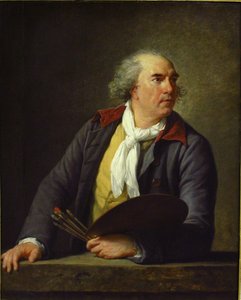
ユベール・ロベール
1733 - 1808 , フランス
基本情報
- Artistic Movement Or Style: ロマン主義、新古典主義
- Artists Or Movements Influenced By This Artist: ['ロマン主義']
- Artists Who Influenced This Artist:
- ジョヴァンニ・パニーニ
- ピラネージ
- Date Of Birth: 1733年5月22日
- Date Of Death: 1808年4月15日
- Full Name: ユベール・ロベール
- Nationality: フランス人
- Notable Artworks (List Of Titles):
- ローマの港
- ガラテアの飛行
- ルーブル美術館
- Place Of Birth (City And Country): フランス、パリ
関連記事
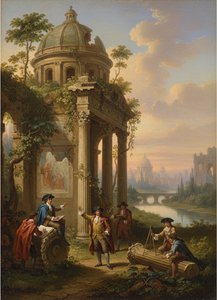
Hubert Robert: Picturing Ruins, Preserving Memory – A Study of Romantic Antiquarianism & Artistic Innovation
Explore the captivating world of Hubert Robert, master of Romantic landscape painting & 'capriccio' ruins. Discover his historical context, artistic innovations, and collecting insights with ArtsDot.

David Roberts: A Scottish Pioneer of Topographical Art & Orientalist Vision
Explore the captivating world of David Roberts, a pioneering Scottish painter renowned for his detailed Orientalist scenes & stunning Egyptian landscapes. Discover his legacy and find museum-quality reproductions at ArtsDot.
Robert Bevan: Pioneering British Post-Impressionism & the Camden Town Group's Intimate Vision
Explore the life & work of Robert Bevan, a pioneer of British Post-Impressionism and founding member of the Camden Town Group. Discover his vibrant landscapes and lasting impact on early 20th-century art.
Édouard Cortès: Capturing Parisian Life – A Comprehensive Study of the 'Painter of Paris'
Explore the captivating world of Édouard Cortès, 'The Painter of Paris'. Discover his iconic street scenes, unique style & lasting legacy. Expert insights for collectors and art enthusiasts.
Robert Henri & the Spirit of American Realism: A Legacy of Urban Life and Artistic Independence
Explore the life & legacy of Robert Henri, a pivotal figure in American Realism. Discover his captivating portraits, influence on the Ashcan School, and enduring impact on art history. Learn more at ArtsDot.

