

 プレビュー
プレビュー
 プリントを購入
 シェアする
シェアする シェアする
シェアする
 詳細を見る
詳細を見る

 ダウンロード
 似ている作品
 X線調査
X線調査 スライドショー
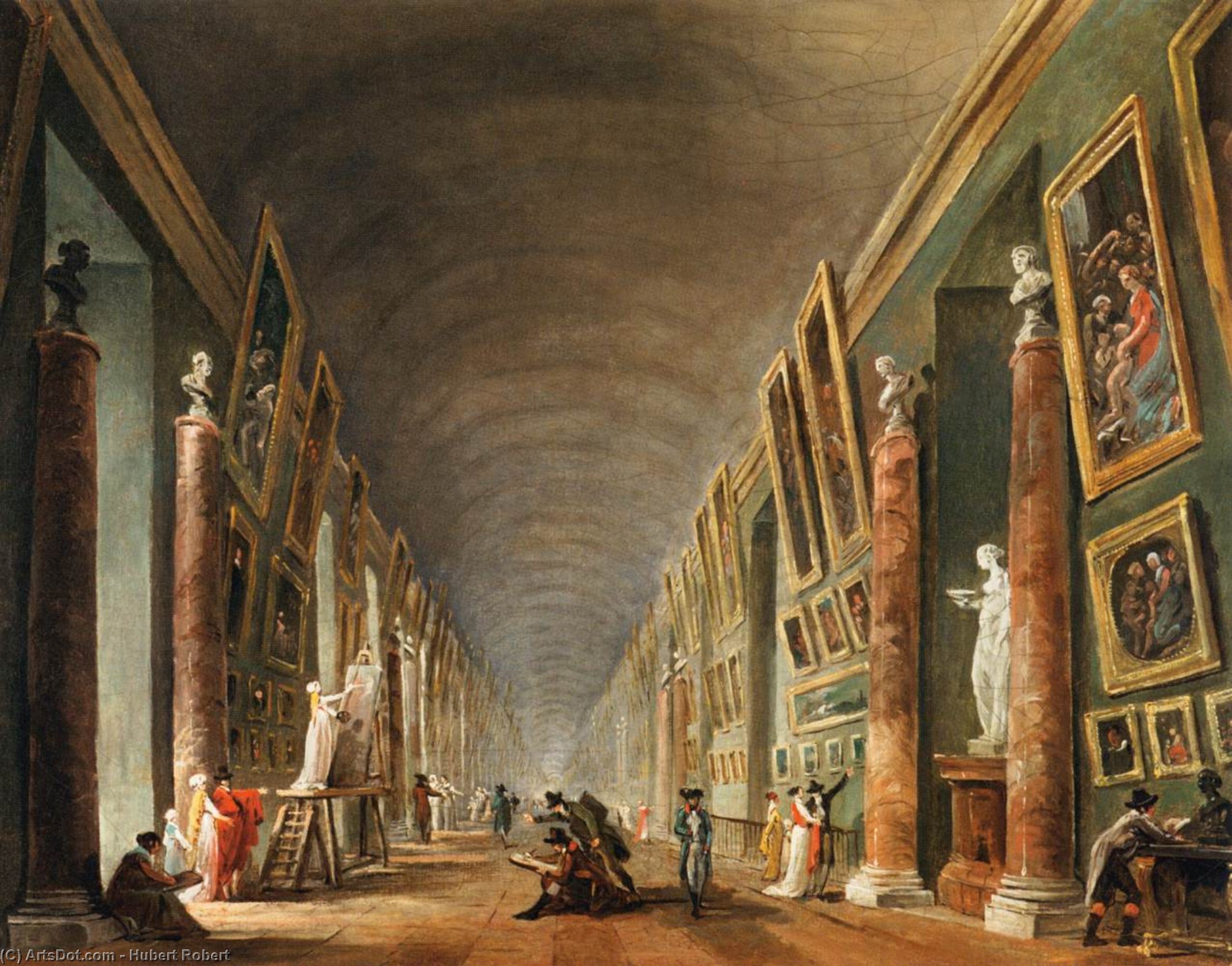
The Grande Galerie
 Acrylic On Canvas
- WallArt
- Romantic Antiquarianism
 1795
1795 37.0 x 41.0 cm
 ルーブル美術館
 詳細を見る
詳細を見る




P118B $10

P118H $10

P118W $10

P438Z $10

P508JH $12

P508YH $12

P805H $10

P805Z $10

P919BZ $10

P919G $10

P919XJ $10

P959ZH $10

P968JZ $12

W106C $8

W218G $10

W218JH $8

W218Y $10

W307PJ $10

W316G $10

W316PJ $8

W316Y $10

W398PJ $8

W4111J $10

W500HY $15

W500JH $15

W692G $12

W849H $8

W940BG $15

W953PJ $8




作品のオリジナル比率に合わせた、当店の規定サイズからお選びください。

特定のフレームやスペースに合わせて、ご希望のサイズをご入力いただけます。選択されたサイズが元の画像の比率と異なる場合、アートワークをトリミングするか、手描きで要素を追加して絵画を拡張いたします。デジタルモックアップ を制作し、制作開始前にご確認(承認)をいただきます。
画面上のプレビューは、実際のトリミングや拡張を正確に反映しているものではありません。最終的な構図は、モックアップによってのみ正確にご確認いただけます。
カスタムサイズもご利用いただけますが、元の比率を維持するためには、あらかじめ用意されたリストからサイズを選択することをお勧めいたします。
ご注文後、ArtsDot.com チームより詳細な指示をお送りするとともに、仕上がりイメージ(モックアップ)をご提供いたします。


 ガラスオプションは、110cm未満のサイズでのみご利用いただけます。

The Grande Galerie
複製技法
複製画のサイズ
-


合計金額
$ 263
作品解説
Hubert Robert: Capturing Light and Decay – A Vision of Antiquity Revisited
Hubert Robert’s “The Grande Galerie,” completed in 1795, transcends mere depiction; it embodies a profound philosophical stance on art and memory. Painted during the turbulent years of the French Revolution, this monumental canvas isn't simply a record of the Louvre Museum—it’s an imaginative reimagining of classical grandeur filtered through the lens of Romantic sensibility.
- Subject Matter: Robert meticulously portrays the Grand Gallery itself, focusing on its central hallway and the impressive collection of paintings displayed upon its walls. However, he doesn't aim for a straightforward topographical representation. Instead, he presents an idealized vision—a “vue imaginaire”—infused with atmospheric perspective and imbued with a palpable sense of melancholy.
- Style & Technique: Robert’s signature style is characterized by his masterful manipulation of light and shadow, techniques honed during his extensive explorations of Roman ruins. He employs a meticulous etching-like approach—a technique he perfected while studying the ruins of Pompeii—to achieve remarkable detail and textural richness. The painting utilizes chiaroscuro extensively, creating dramatic contrasts that heighten the emotional impact of the scene.
- Historical Context: Robert’s work emerged from a pivotal moment in European art history. The Romantic movement rejected Neoclassical formalism, prioritizing emotion and imagination over rational order. “The Grande Galerie” reflects this ethos by presenting an idealized past—a symbol of artistic excellence and intellectual contemplation—against the backdrop of revolutionary upheaval.
- Symbolism: Beyond its visual splendor, the painting carries symbolic weight. The figures strolling through the gallery represent humanity’s engagement with beauty and knowledge. Robert's deliberate inclusion of ruins subtly underscores the transience of time and the enduring power of artistic memory—a theme central to Romantic thought.
- Emotional Impact: Viewing “The Grande Galerie” evokes a feeling of contemplative wonder. Robert captures not just what was seen but what *felt* like—the sublime beauty of art combined with the poignant awareness of its inevitable decay. It’s a painting that invites viewers to contemplate the legacy of artistic achievement and the passage of time.
Detailed Examination: Composition & Atmospheric Perspective
Robert's compositional brilliance is evident in the careful arrangement of figures and architectural elements within the gallery space. The central hallway dominates the canvas, drawing the eye upwards towards the ceiling adorned with paintings—a deliberate reference to the artistic traditions of antiquity. Furthermore, Robert skillfully employs atmospheric perspective—a technique borrowed from Leonardo da Vinci—to create a convincing illusion of depth. Colors become paler and less saturated as they recede into the distance, reinforcing the sense of grandeur and conveying the ethereal quality characteristic of Romantic landscapes.
Robert’s Etching Technique: Precision & Texture
The painting's remarkable detail is achieved through Robert’s mastery of etching technique. He meticulously rendered textures—from the polished marble floors to the draped fabrics—with astonishing accuracy. This painstaking process demanded considerable patience and skill, reflecting Robert’s dedication to capturing the nuances of form and surface appearance. The resulting image possesses a tactile quality that invites viewers to imagine themselves immersed in the gallery's atmosphere.
A Reflection of Romantic Ideals
"The Grande Galerie" stands as a testament to the Romantic movement’s fascination with ruins—a visual metaphor for the decline of civilization and the triumph of imagination. Robert’s depiction aligns perfectly with this aesthetic preoccupation, demonstrating how artists sought to express profound emotions and philosophical ideas through evocative imagery. It remains an enduring symbol of artistic aspiration and the contemplation of beauty amidst historical change.
関連作品


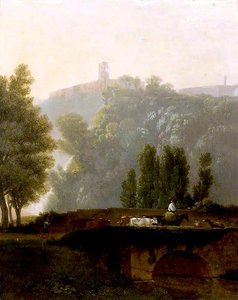
アーティストの略歴
ルネサンスの夢想家:ユベール・ロベールの世界
ユベール・ロベール(1733年生まれ)は、魅惑的な風景画と遺跡へのロマンチックな憧憬を象徴する画家であり、18世紀フランス美術において独特の位置を占めています。パリに生まれた彼は、華麗なロココ様式から新古典主義の夜明け、そして激動のフランス革命へと移り変わる時代の中で生きました。彼は単なる遺跡の記録者ではありませんでした。観察と想像力を融合させ、過去への郷愁と未来への期待を呼び起こすビジョンを創造したのです。彼の芸術的旅は、彫刻家ミシェル=アンジュ・スロッツの下での厳格な訓練から始まりました。スロッツはロベールの才能を見抜きながらも、光、雰囲気、そして形式の繊細な詩を捉えることが彼の真の天職であると直感し、彼を絵画へと導きました。ローマの幻想:芸術的アイデンティティの形成
ロベールの芸術的発展における重要な転換点は、1754年にエティエンヌ=フランソワ・ドゥ・ショワゼルに同行してローマへ長期滞在したことです。彼は歴史と建築的な壮大さに満ちた世界に没頭しました。11年間、古代都市は彼の野外スタジオとなり、崩れかけた神殿、雄大なアーチ、そして生い茂る庭園が彼の想像力を刺激しました。これは単なる見たものを再現する行為ではありませんでした。解釈し、再構築し、メランコリックな美しさで満たすことだったのです。彼はジョヴァンニ・パオロ・パンニニと共に働き、その影響はロベールの初期の *capriccio* 作品に見られます。これらの作品は、古典的な遺跡と現代生活を組み合わせた幻想的な風景画です。しかし、ロベールは模倣を超え、緻密な描写、大気遠近法、そして光と影の微妙なニュアンスに対する深い感受性を特徴とする独自のスタイルを発展させました。彼は単に遺跡を描いていたのではなく、時間そのものを描き出していたのです。儚さの美しさと記憶の永続的な力を捉えていたのです。この時期の彼のスケッチブックは、ヴィラ・デステやカプラローラのローマのランドマークの研究で満たされ、建築的なニュアンスと風景構成に対する鋭い観察眼を示しています。パリでの名声と王室の庇護
1765年にロベールがパリに帰還したことは、彼のキャリアにおける転換点となりました。彼は芸術界内で急速に認められ、「古代および現代のさまざまな建造物で飾られたローマ港」をアカデミー・ロワイヤル・ド・ペーントゥール・エ・スカルプチュールの会員に選出されました。その後のサロンでの展覧会は、遺跡や風光明媚な風景を描いた作品で観客を魅了し、広く賞賛されました。啓蒙主義の著名な人物であるデニ・ディドローは、ロベールの絵画が喚起する壮大さを称賛し、彼が鑑賞者を別の時空へと誘う能力を認めました。この成功により王室からの庇護を受け、装飾プロジェクトの依頼や「国王庭園設計者」、そして後に「国王コレクション管理者」という地位を得ました。彼はイゼルの絵画だけでなく、革新的な庭園デザインや宮殿の内装にも求められるアーティストとなりました。彼の作品は、歴史、考古学、そして風光明媚な風景に魅了されたコレクターを惹きつける *capriccio* 絵画の流行と共鳴しましたが、ロベールはそれを独自の感性で昇華させ、単なる装飾芸術を超越しました。革命、不屈の精神、そして永続的な遺産
フランス革命はロベールにとって前例のない挑戦をもたらしました。多くのアーティストが激動する政治情勢の中で苦労する中、彼は変化の流れに翻弄されました。恐怖政治の時代には投獄され、その経験から一連の監獄生活を描いたスケッチを制作することさえありました。しかし、彼はこの時期を通して精力的に絵画を続け、芸術への揺るぎない献身を示しました。革命後、ロベールは新たに設立されたMuséum Central des Arts(後のルーブル美術館)のキュレーターに任命され、彼の専門知識と文化遺産の保護に対する献身が認められたのです。彼は博物館コレクションの整理とカタログ作成において重要な役割を果たし、フランスの芸術的宝物を次世代のために確保しました。ユベール・ロベールは1808年にパリで亡くなり、畏敬の念と賞賛を呼び起こす並外れた作品群を残しました。彼の遺産は技術的な習熟だけでなく、歴史的な正確さと想像力豊かなビジョンを融合させる比類のない能力にあります。彼はロココ様式と新古典主義様式を結びつけ、歴史への関心と想像力によってロマン主義の側面を予見し、重要な人物としての地位を確立しました。- 主な影響: ジョヴァンニ・パオロ・パンニニ、ピラネージ、ローマの建築的な風景。
- 主要なテーマ: 遺跡、風景、*capriccio* 絵画、歴史的記憶、時間の経過。
- 芸術的スタイル: 緻密な描写、大気遠近法、喚起的な照明、観察と想像力の融合。
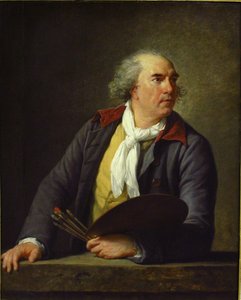
ユベール・ロベール
1733 - 1808 , フランス
基本情報
- Artistic Movement Or Style: ロマン主義、新古典主義
- Artists Or Movements Influenced By This Artist: ['ロマン主義']
- Artists Who Influenced This Artist:
- ジョヴァンニ・パニーニ
- ピラネージ
- Date Of Birth: 1733年5月22日
- Date Of Death: 1808年4月15日
- Full Name: ユベール・ロベール
- Nationality: フランス人
- Notable Artworks (List Of Titles):
- ローマの港
- ガラテアの飛行
- ルーブル美術館
- Place Of Birth (City And Country): フランス、パリ
関連記事
Hubert Robert: Picturing Ruins, Preserving Memory – A Study of Romantic Antiquarianism & Artistic Innovation
Explore the captivating world of Hubert Robert, master of Romantic landscape painting & 'capriccio' ruins. Discover his historical context, artistic innovations, and collecting insights with ArtsDot.

ロマン派ランドスケープ:時代を彩る巨匠の10選|アートとインテリアの世界
ロマン派絵画の時代を彩る10選。巨匠たちの風景が織りなす感動の世界へ。ターナー、ルーベンスなど、名作の裏話と高精細複製でアートをお部屋に。ArtsDot.comで至福のアート体験を。

ジョン・コンスタブルの傑作25選:英国風景画の巨匠が描く自然と光の詩 | ArtsDot
ジョン・コンスタブルの傑作25選。英国風景画の巨匠が描く自然と光の詩の世界へ。ロマン主義を代表する絵画、デダム・ヴェールやヘイ・ウェインなど、ArtsDotで高品質なアートプリントをお楽しみください。インテリアに深みと感動を。コレクションはこちら。
ルーブル美術館の至宝25選:名画と芸術史を巡る旅 | ArtsDot
ルーブル美術館の至宝25選。レオナルド・ダ・ヴィンチ、ミロのヴィーナス…名画の歴史と感動を紐解きます。複製画やインテリアアートも豊富に。ArtsDotで、あなただけの芸術空間を。

Evocations of Place: A Historical Journey Through Landscape Art
Explore the rich history of landscape art with ArtsDot. Discover renowned artists, movements like Impressionism & Romanticism, and expert guidance for collecting timeless pieces. Find your perfect serene escape today!

