

 シェアする
シェアする シェアする
シェアする
 詳細を見る
詳細を見る

 ダウンロード
 似ている作品
 スライドショー
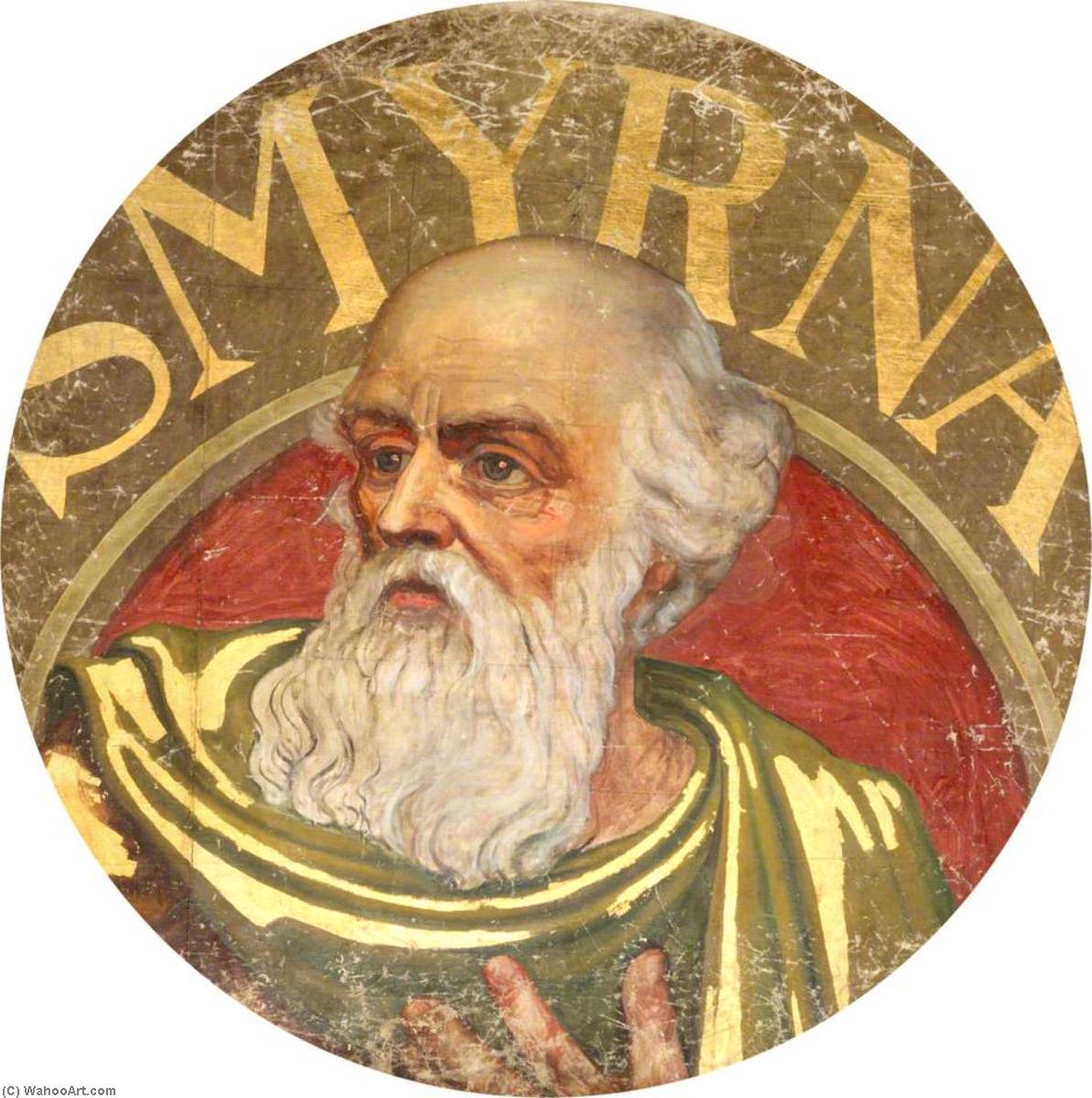
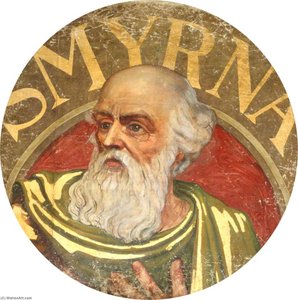
Moses (cartoon for St Paul's Cathedral)
 Fresco
- Renaissance
 1880
1880- 19th Century
 183.0 x 183.0 cm
 ウォーカー・アート・ギャラリー
 詳細を見る
詳細を見る
ジークレー/アートプリント
迅速な制作と多彩な仕上げオプションを備えた、ミュージアムクオリティのジークレーまたはキャンバスプリント。 ( 手描きの絵画を購入 画像を購入)




































作品のオリジナル比率に合わせた、当店の規定サイズからお選びください。

特定のフレームやスペースに合わせて、ご自身でサイズを指定することも可能です。選択されたサイズが元の画像の比率と一致しない場合、作品をトリミングするか、鏡面反射または単色での塗りつぶしによって画像を拡張いたします。制作を開始する前に、ご確認用のデジタルモックアップをお送りいたします。
画面上のプレビューには、実際のトリミングや拡張は反映されませんのでご注意ください。最終的な構図を正確に確認できるのは、モックアップのみとなります。
カスタムサイズも承っておりますが、元の比率を維持するためには、あらかじめ用意されたリストからサイズを選択することをお勧めいたします。


 ガラスオプションは、110cm未満のサイズでのみご利用いただけます。

Moses (cartoon for St Paul's Cathedral)
ジークレー/アートプリント
複製画のサイズ
-


合計金額
$ 62
A Vision of Divine Wisdom: The Majesty of Stannus’s Moses
In the grand tapestry of late Victorian ecclesiastical art, few works capture the intersection of classical reverence and meticulous craftsmanship as profoundly as Hugh Hutton Stannus’s Moses. Originally conceived as a cartoon for the monumental St Paul's Cathedral, this circular fresco transcends its preparatory origins to become a window into the divine. The artwork presents a breathtakingly intimate portrait of the biblical patriarch, focusing on the weathered head and upper torso of a man whose very presence commands silence. Through a masterful command of light and shadow, Stannus breathes life into the subject, transforming a two-dimensional plane into a sculptural, three-dimensional encounter that feels both ancient and immediate.
The composition is anchored by a striking circularity, a shape that has historically symbolized wholeness, eternity, and the celestial sphere. Framed within an ornate, decorative border, the figure of Moses emerges from a warm, resonant reddish-brown background. This choice of palette does more than provide contrast; it creates an atmosphere of warmth and sanctity, reminiscent of the golden hues found in Renaissance masterpieces. The precision of the linework—particularly evident in the stylized lettering that frames the subject—speaks to Stannus’s unique ability to blend the structured discipline of architectural decoration with the fluid, organic grace of fine art painting.
Technique and the Soul of the Fresco
To gaze upon this work is to witness the technical brilliance of the fresco technique. Stannus utilizes pigments mixed with water applied directly onto wet plaster, a method that demands both speed and absolute certainty. This process allows the colors to become an integral part of the wall itself, resulting in a matte, velvety texture that absorbs light rather than reflecting it. The artist’s hand is visible in the subtle modeling of the skin tones and the intricate rendering of the beard, where every stroke contributes to a sense of profound volume. The play of light, appearing to descend from above, casts soft shadows across the facial contours, highlighting the deep furrows of experience and the wisdom etched into the subject's brow.
For the discerning collector or interior designer, this piece offers an unparalleled opportunity to introduce a sense of historical gravity and classical elegance into a space. The organic shapes of the drapery and the textured hair provide a rich tactile quality that complements both traditional period rooms and contemporary minimalist settings. As a reproduction, it serves as more than mere decoration; it acts as a focal point of intellectual and spiritual contemplation, bringing the solemnity of a cathedral into the intimacy of a private residence or a curated gallery.
A Legacy of Devotion and Detail
The historical context of this piece is inseparable from the spirit of the era. Created around 1880, during a period when British artists were looking backward to the Renaissance to find a language for modern grandeur, Stannus’s work embodies the bridge between Victorian industriousness and classical idealism. While his name may not carry the flamboyant celebrity of some of his contemporaries, his dedication to the "art of the detail" is what gives this portrait its enduring emotional impact. The subject matter—the venerable Moses—carries heavy symbolic weight, representing law, leadership, and the divine connection between humanity and the heavens.
Owning a high-quality reproduction of this work allows one to participate in this legacy of reverence. It is an invitation to surround oneself with art that does not merely decorate a wall but enriches the atmosphere with a sense of timelessness. Whether placed in a study, a library, or a grand hall, the Moses cartoon remains a testament to the power of fine art to evoke awe, reminding us of the enduring beauty found in the intersection of human skill and divine inspiration.
関連作品


アーティストの略歴
Hugh Hutton Stannus: Bridging Victorian Craftsmanship and Renaissance Ideals
Hugh Hutton Stannus (1840-1908) stands as a quietly significant figure in late 19th and early 20th-century British art, an artist whose career unfolded largely behind the scenes of grander projects yet profoundly shaped their aesthetic outcomes. Often overshadowed by his prominent collaborators – particularly Alfred Stevens – Stannus’s contributions to architectural decoration, sculpture, and design reveal a meticulous craftsman deeply rooted in both Victorian tradition and a surprisingly informed appreciation for classical forms. His legacy isn't one of flamboyant celebrity, but rather a testament to the enduring value of technical skill, patient observation, and a dedication to elevating the everyday through artistic intervention.
Born in Sheffield, a city renowned for its metalworking heritage, Stannus’s early life was inextricably linked to the practical realities of industrial production. His father, a church minister, instilled in him a respect for craftsmanship, while his mother's family background provided connections within the burgeoning world of decorative arts. This grounding proved crucial when he apprenticed with H.E. Hoole & Co., a foundry specializing in producing casts for Alfred Stevens’s increasingly popular sculptures. It was here that Stannus honed his skills in metal casting, developing an intimate understanding of materials and techniques – knowledge that would later prove invaluable in his own artistic endeavors.
Collaboration with Alfred Stevens: A Partnership of Vision
Stannus's most significant professional relationship was undoubtedly with Alfred Stevens, a sculptor whose work epitomized the Victorian fascination with classical antiquity. Initially an assistant to Stevens, Stannus quickly evolved into a trusted collaborator, contributing significantly to projects such as the Wellington monument for St Paul’s Cathedral – a monumental undertaking that consumed much of Stevens's later years. The protracted delays and artistic challenges associated with this project are vividly documented in Stevens’s own memoir, “Alfred Stevens and his Work,” where Stannus is acknowledged as instrumental in preserving the original design elements and navigating the complexities of execution.
Beyond the Wellington monument, Stannus's involvement spanned a diverse range of commissions. He meticulously recreated fragments of the original design for the statue, ensuring its continued integrity despite the numerous setbacks. His understanding of Stevens’s artistic vision—particularly his emphasis on idealized forms and dynamic compositions—allowed him to seamlessly integrate into the creative process. This collaboration wasn’t merely one of technical assistance; Stannus brought a keen eye for detail and an unwavering commitment to realizing Stevens's ambitious goals.
Architectural Decoration and Beyond: A Broadening Scope
While his work with Stevens cemented his reputation, Stannus steadily expanded his practice into the realms of architecture and decorative design. He quickly gained recognition for his skill in applying classical principles to contemporary buildings, transforming utilitarian structures into objects of beauty and elegance. His designs for the Cutlers’ Hall in Sheffield, the Sheffield United Gas Light Company Offices, and numerous private residences demonstrate a masterful command of proportion, ornamentation, and material choice.
Stannus's architectural contributions weren't limited to mere embellishment; he frequently undertook structural alterations, demonstrating a holistic approach to design. His work on the Channing Hall in Sheffield, for example, involved significant modifications to the building’s façade, seamlessly integrating decorative elements with the existing structure. He also designed the Sunday School centenary memorial at Essex church (unitarian), Notting Hill, showcasing his ability to create meaningful and visually compelling public art.
Legacy and Influence: A Quiet Master
Hugh Hutton Stannus’s impact on British art history is often understated, yet profoundly significant. He represents a crucial link between the Victorian revival of classical ideals and the emerging trends in decorative arts. His meticulous craftsmanship, combined with his deep understanding of both historical precedents and contemporary needs, produced works that are both timelessly elegant and remarkably practical.
His legacy extends beyond individual commissions; Stannus’s dedication to teaching and lecturing at institutions like University College London and the Royal College of Art ensured the transmission of his skills and knowledge to subsequent generations of artists and designers. He wasn't a flamboyant innovator, but rather a steady hand guiding the evolution of Victorian craftsmanship—a quiet master whose influence resonates through the enduring beauty of his creations.
hugh hutton stannus
1840 - 1908
基本情報
- Artistic Movement Or Style: Victorian Sculpture/Architecture
- Artists Or Movements Influenced By This Artist: ["St Paul's Cathedral"]
- Artists Who Influenced This Artist: ['Alfred Stevens']
- Date Of Birth: March 21, 1840
- Date Of Death: August 18, 1908
- Full Name: Hugh Hutton Stannus
- Nationality: British
- Notable Artworks:
- Moses (cartoon)
- Figure with Raised Arms
- Place Of Birth: Sheffield, England
関連記事

家族の遺産を壁画で彩る:伝統技法が紡ぐ、時を超越する美と記憶
古代から現代までの壁画の歴史と技法を解説。日本の壁画文化やカスタムオーダーによる家族の遺産表現、保存・修復技術まで網羅。専門家が時を超越する美と記憶を紡ぐ芸術的価値をご案内します。

The Enduring Legacy of Fresco Painting: Techniques, History & Contemporary Relevance
Explore the rich history & enduring artistry of fresco painting – from Giotto to Michelangelo! Discover techniques, conservation efforts, & modern applications. Learn how ArtsDot brings this timeless art form to your home.

The Enduring Legacy of Fresco: Technique, History & Artistic Expression Across Cultures
Explore the rich history & enduring legacy of fresco painting! Discover ancient techniques, Giotto's masterpieces, and modern applications. Expert insights for art lovers & professionals.

Art That Lives With You: The Emotional Power of a Custom Interior Fresco
Discover the emotional power & timeless beauty of custom interior frescoes. Explore history, design tips & expert guidance from – creating lasting legacies.
The Enduring Legacy of Fresco: Technique, History & Artistic Expression
Explore the rich history & enduring artistry of fresco painting. Discover techniques from Giotto to Michelangelo, conservation efforts, & modern applications. Learn how ArtsDot brings this timeless art form to your home.

