

 プレビュー
プレビュー
 プリントを購入
 シェアする
シェアする シェアする
シェアする
 詳細を見る
詳細を見る

 ダウンロード
 似ている作品
 X線調査
X線調査 スライドショー
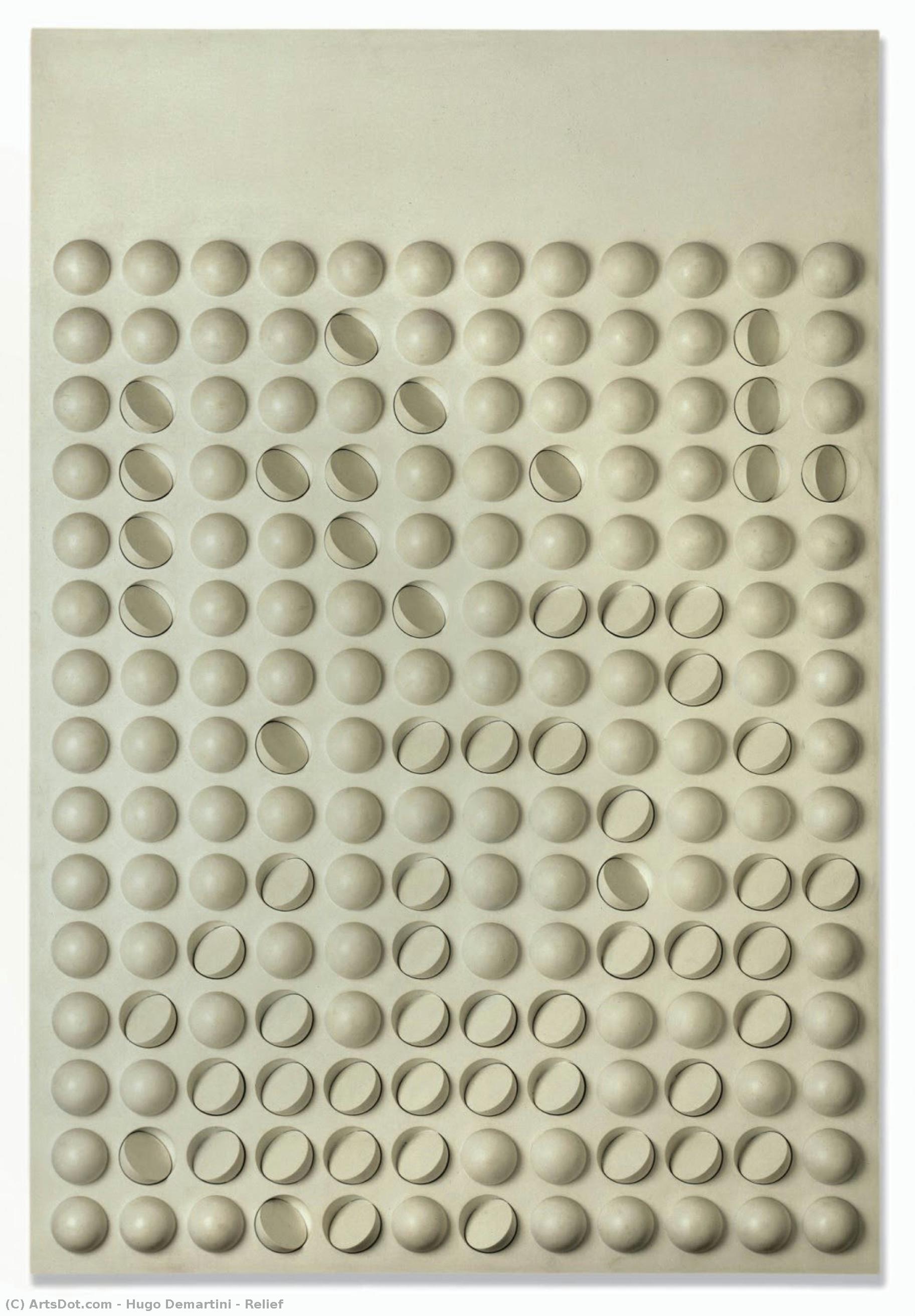
Relief


 詳細を見る
詳細を見る




































作品のオリジナル比率に合わせた、当店の規定サイズからお選びください。

特定のフレームやスペースに合わせて、ご希望のサイズをご入力いただけます。選択されたサイズが元の画像の比率と異なる場合、アートワークをトリミングするか、手描きで要素を追加して絵画を拡張いたします。デジタルモックアップ を制作し、制作開始前にご確認(承認)をいただきます。
画面上のプレビューは、実際のトリミングや拡張を正確に反映しているものではありません。最終的な構図は、モックアップによってのみ正確にご確認いただけます。
カスタムサイズもご利用いただけますが、元の比率を維持するためには、あらかじめ用意されたリストからサイズを選択することをお勧めいたします。
ご注文後、ArtsDot.com チームより詳細な指示をお送りするとともに、仕上がりイメージ(モックアップ)をご提供いたします。


 ガラスオプションは、110cm未満のサイズでのみご利用いただけます。

Relief
複製技法
複製画のサイズ
-


合計金額
$ 263
関連作品


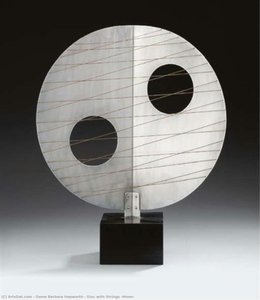


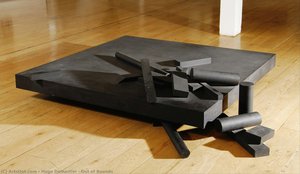
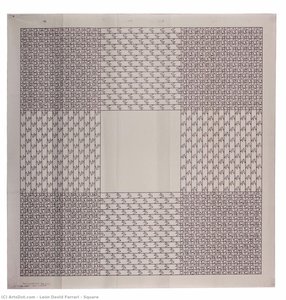
アーティストの略歴
Frank Stella: A Pioneer of Minimalism and Geometric Abstraction
Frank Stella, born in Malden, Massachusetts, on May 12, 1936, emerged as a pivotal figure in the latter half of the 20th century’s art world. His career spanned over six decades, marked by a relentless exploration of form, color, and space – ultimately shaping the trajectory of minimalism and profoundly influencing generations of artists. Stella's journey began with a foundational artistic education, nurtured by his mother, a practicing artist herself, who instilled in him an early appreciation for visual aesthetics. His childhood was punctuated by experiences that would later inform his work: sanding floors alongside his father, a physician, provided a tactile understanding of material and surface; and trips to the Art Center School in Los Angeles ignited a passion for modern art and design. This formative period laid the groundwork for his distinctive approach – one characterized by a deliberate rejection of traditional representational painting and an embrace of pure geometric abstraction.Early Influences and the Rise of Minimalism
Stella’s artistic development was deeply intertwined with the burgeoning minimalist movement of the late 1950s and early 1960s. He initially experimented with a style reminiscent of Abstract Expressionism, but quickly moved away from subjective emotional expression in favor of a more objective approach to painting. Influenced by artists like Franz Kline and Jackson Pollock, he began to strip his work down to its essential elements – flat planes of color on a rectangular canvas. This shift culminated in the “First Memorials” series (1959-60), consisting of four black pinstripe paintings. These works, exhibited at the Museum of Modern Art in New York City, were deliberately confrontational and challenged conventional notions of painting as a vehicle for personal expression. Stella’s intention was to present the canvas itself – its surface, its edges, its materiality – as the primary subject matter, effectively dismantling the illusionistic qualities of traditional painting. This radical departure established him as a key figure in the minimalist movement, alongside artists like Donald Judd and Sol LeWitt.Exploring Geometry and “Stripes”
The 1960s witnessed Stella’s most iconic period – the development of his “Stripes” paintings. These works, characterized by their precisely delineated black and white stripes on a rectangular canvas, represented a significant departure from minimalism. While retaining the focus on geometric form, Stella introduced a complex system of measurement and calculation into his process. He meticulously measured each stripe’s width and spacing, creating a visual rhythm and pattern that was both precise and subtly dynamic. The “Stripes” paintings can be interpreted as explorations of order and chaos, reflecting Stella's fascination with mathematical principles and the inherent tension between structure and spontaneity. He famously stated that his goal was to create paintings that were "a flat surface with paint on it—nothing more," a declaration that underscored his commitment to reducing art to its most fundamental elements.Sculptural Innovations and Beyond
Stella’s artistic practice extended beyond painting, encompassing sculpture and printmaking. In the 1960s, he began creating sculptural works using metal and wood, often incorporating geometric shapes and repetitive patterns. These sculptures mirrored his paintings in their emphasis on form, material, and spatial relationships. He also developed a sophisticated system of color printing, producing silkscreen prints that explored similar themes of geometry and abstraction. Throughout the 1970s and 80s, Stella continued to experiment with various materials and techniques, including neon light installations and architectural projects. His work during this period demonstrated a willingness to push the boundaries of art and engage with broader cultural contexts.Legacy and Historical Significance
Frank Stella’s impact on contemporary art is undeniable. He not only spearheaded the minimalist movement but also profoundly influenced subsequent generations of artists who sought to redefine the possibilities of abstraction. His rigorous approach to form, his meticulous attention to detail, and his willingness to challenge conventional artistic practices continue to inspire artists today. Stella's work remains a testament to the power of geometric abstraction and its ability to evoke complex emotions and ideas through simple, carefully considered forms. He died in New York City on May 4, 2024, leaving behind a rich and enduring legacy as one of the most important American artists of the 20th century.
hugo demartini
1936 - 2018 , Czech Republic
基本情報
- Artistic Movement Or Style:
- Minimalism
- Post-painterly abstraction
- Artists Or Movements Influenced By This Artist:
- Minimalism
- Post-painterly abstraction
- Artists Who Influenced This Artist:
- Franz Kline
- Jackson Pollock
- Date Of Birth: May 12, 1936
- Date Of Death: May 4, 2024
- Full Name: Frank Philip Stella
- Nationality: American
- Notable Artworks:
- Picture Pieces
- Stripes
- Color Forms
- Place Of Birth: Malden, Massachusetts, USA
関連記事

Bronze Sculptures That Defined Art History | ArtsDot
Journey through art history with our Top 10 bronze sculptures! Explore masterpieces by Rodin, Michelangelo & more. Discover stories behind iconic statues and find museum-quality reproductions for your home decor at ArtsDot.com.

The Enduring Form: Exploring Themes & Techniques in Sculpture Across Historical Periods
Explore the rich history of sculpture from ancient masterpieces to contemporary innovations. Discover key techniques, influential artists & investment potential for discerning art collectors.

The Enduring Form: Sculpture Across History, Technique & Emotional Resonance
Explore the rich history of sculpture with ArtsDot. Discover key techniques, influential artists & investment potential for discerning collectors. Expert insights into valuing and collecting timeless masterpieces.

Bronze Age to Modern Masters: 10 Sculptures That Redefined Art | ArtsDot
Journey through art history with 10 legendary bronze sculptures – from Michelangelo's David to Rodin’s Thinker. Explore the stories, techniques & timeless beauty of these masterpieces. Find museum-quality reproductions & elevate your home decor on ArtsDot.com.

幾何学的抽象絵画を定義した傑作10選|アート、アーティスト、インテリア装飾
モンドリアン、マレーヴィチ…幾何学的抽象絵画を代表する傑作10選。各作品の背景や色彩構成、アーティストの情熱に迫ります。美術館品質の複製画はArtsDot.comで。オンラインでアートコレクションをご覧ください。