 プレビュー
プレビュー
 プリントを購入
 シェアする
シェアする シェアする
シェアする
 詳細を見る
詳細を見る

 ダウンロード
 似ている作品
 X線調査
X線調査 スライドショー
The Adoration of the Shepherds (detail) (21)


 詳細を見る
詳細を見る




P118B $10

P118H $10

P118W $10

P438Z $10

P508JH $12

P508YH $12

P805H $10

P805Z $10

P919BZ $10

P919G $10

P919XJ $10

P959ZH $10

P968JZ $12

W106C $8

W218G $10

W218JH $8

W218Y $10

W307PJ $10

W316G $10

W316PJ $8

W316Y $10

W398PJ $8

W4111J $10

W500HY $15

W500JH $15

W692G $12

W849H $8

W940BG $15

W953PJ $8




作品のオリジナル比率に合わせた、当店の規定サイズからお選びください。

特定のフレームやスペースに合わせて、ご希望のサイズをご入力いただけます。選択されたサイズが元の画像の比率と異なる場合、アートワークをトリミングするか、手描きで要素を追加して絵画を拡張いたします。デジタルモックアップ を制作し、制作開始前にご確認(承認)をいただきます。
画面上のプレビューは、実際のトリミングや拡張を正確に反映しているものではありません。最終的な構図は、モックアップによってのみ正確にご確認いただけます。
カスタムサイズもご利用いただけますが、元の比率を維持するためには、あらかじめ用意されたリストからサイズを選択することをお勧めいたします。
ご注文後、ArtsDot.com チームより詳細な指示をお送りするとともに、仕上がりイメージ(モックアップ)をご提供いたします。


 ガラスオプションは、110cm未満のサイズでのみご利用いただけます。

The Adoration of the Shepherds (detail) (21)
複製技法
複製画のサイズ
-


合計金額
$ 263
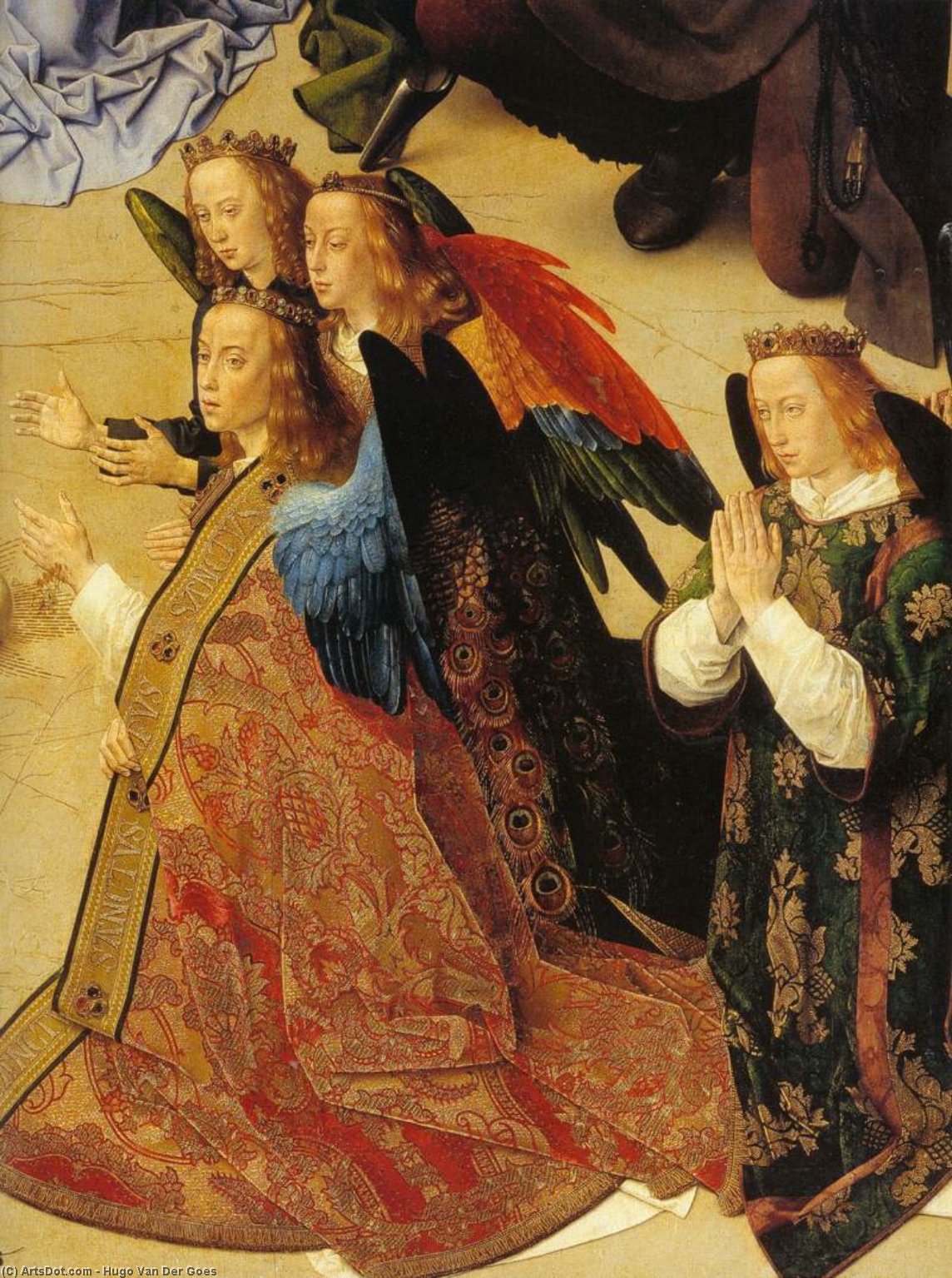
A Vision of Celestial Reverence: Hugo van der Goes’ “The Adoration of the Shepherds” (Detail)
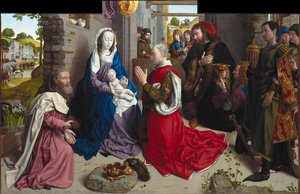
“The Adoration of the Shepherds,” specifically this arresting detail from Hugo van der Goes’ monumental Portinari Triptych, offers a profound glimpse into the burgeoning realism and emotional depth of 15th-century Flemish painting. Completed around 1476, this section captures a pivotal moment within the larger narrative – a scene brimming with religious fervor, human connection, and an almost palpable sense of divine presence. Van der Goes, a pioneer who dared to move beyond the established conventions of his time, masterfully employs light, shadow, and meticulously rendered detail to create an image that transcends mere representation, becoming instead a powerful meditation on faith and humility.
The composition immediately draws the eye to the central figure – a woman kneeling in humble adoration. Her posture is one of profound reverence, her gaze lifted towards an unseen celestial realm. The baby cradled within her arms embodies innocence and vulnerability, further emphasizing the scene’s devotional core. Surrounding her are figures engaged in various acts of worship: a man standing behind her, gesturing with open hands, and another to her right, seemingly offering a gift. These individuals, rendered with Van der Goes' signature attention to individual anatomy and expression, contribute to the overall sense of communal devotion.
The Master’s Technique: Realism and Emotional Resonance
Van der Goes was a revolutionary figure in Flemish painting, and this detail showcases his innovative approach. He moved decisively away from the stylized forms and flattened perspectives prevalent in earlier Netherlandish art, embracing a more naturalistic depiction of human figures and their surroundings. Notice the subtle variations in skin tone, the delicate folds of clothing, and the realistic rendering of facial features – hallmarks of Van der Goes’ commitment to portraying the world as he truly saw it. His use of oil paint allowed for incredible detail and luminosity, creating a rich tapestry of color and texture.
Crucially, Van der Goes didn't simply replicate reality; he imbued his paintings with emotion. The figures aren’t static representations but are alive with feeling – the woman’s devotion, the man’s offering, the child’s serenity. This psychological depth was remarkably advanced for its time and set a new standard for portraiture and religious painting alike. The subtle gradations of light and shadow further enhance this emotional impact, creating a sense of drama and intimacy within the scene.
Historical Context: A Renaissance Awakening
“The Adoration of the Shepherds” was painted during a period of significant artistic and intellectual ferment in Europe – the early 15th century. The rise of humanism, coupled with renewed interest in classical antiquity, spurred artists to explore new ways of representing the world and humanity’s place within it. Van der Goes' work reflects this shift, moving beyond purely symbolic representations towards a more nuanced and psychologically informed approach. The triptych itself was likely commissioned by Giovanni Battista Portinari, a wealthy Florentine merchant, suggesting a connection between Flemish artistic innovation and the burgeoning Renaissance in Italy.
Interestingly, Van der Goes’ work has been linked to Andrea Mantegna's “Adoration of the Shepherds” (circa 1450-1451), another powerful depiction of the same biblical scene. While stylistic differences exist, both paintings share a commitment to realism and emotional intensity, demonstrating a shared influence within the artistic landscape of the period.
Symbolism and Spiritual Significance
The “Adoration of the Shepherds” is rich in symbolic meaning. The shepherds themselves represent the humble and unassuming figures who first encountered Christ – a powerful reminder that divinity can be found in unexpected places. The woman kneeling before them embodies maternal piety and devotion, while the baby represents innocence and salvation. The angels present above signify divine guidance and protection.
Beyond its immediate religious narrative, the painting speaks to universal themes of faith, humility, and the connection between humanity and the divine. It’s a scene that invites contemplation and encourages viewers to consider their own relationship with spirituality. This detail from the Portinari Triptych remains a testament to Hugo van der Goes' genius – a masterpiece of Northern Renaissance art that continues to resonate with audiences centuries later.
関連作品
アーティストの略歴
フランドルの写実主義の先駆者:ヒューゴ・ファン・デル・ゴースの生涯と芸術
15世紀半ば、フランドル地方の中心都市ゲントに生まれたヒューゴ・ファン・デル・ゴースは、北部ルネサンスを代表する画家の一人として知られています。彼の生涯については謎が多いものの、その芸術が後期ルネサンス美術の発展に与えた影響は計り知れません。単なる画家としてではなく、表現のあり方を根本から変革し、フランドルの同時代アーティストだけでなく、イタリア・ルネサンスにも大きな波紋を呼んだ革新者でした。1467年にゲントのギルドに入会し、正式に職人としての地位を確立しましたが、彼を際立たせたのは、写実主義、心理的深み、そして劇的な構図を融合させた独自のビジョンでした。ファン・デル・ゴース以前のフランドル絵画は、技術的には優れていても、しばしば伝統的な様式にとらわれていました。彼はその慣習を打ち破り、比類のない感情と現実感を作品に吹き込みました。革新と芸術的スタイル
ファン・デル・ゴースの芸術の特徴は、宗教的な場面に驚くほどの即時性と感情的な重みを込める能力にあります。初期フランドル絵画の様式化された慣習から脱却し、彼の人物像には重厚な存在感と個性があふれています。色彩の使用は意図的で、しばしば陰鬱であり、荘厳さと精神的な強度を生み出しています。それは単なる外見の再現ではなく、畏敬の念、悲しみ、崇拝といった内面的な状態を、繊細なジェスチャー、表情豊かな顔、そして光と影の巧みな操作を通して表現することでした。大規模な構図と堂々とした人物像を特徴とする彼のモニュメンタルなスタイルは、この感情的なインパクトをさらに増幅させました。彼は不完全さをも隠しませんでした。彼の人物像はしばしば生々しく、不安感を覚えるほどの写実性を持ち、初期の絵画によく見られる理想化された表現とは一線を画しています。この複雑さを描くというコミットメントは、当時の革命的なものであり、単なる技術的スキルを超えて人間の深淵を探求しようとしたアーティストに影響を与えました。ヤン・ファン・エイクの細部へのこだわりの影響は明らかですが、ファン・デル・ゴースは模倣にとどまらず、独自のスタイルを確立しました。傑作と永続的な影響
おそらくファン・デル・ゴースの最も有名な作品は、「ポルティナリ祭壇画」でしょう。ブルージュに住むイタリア人銀行家トマッソ・ポルティナリから依頼されたこの壮大な三連祭壇画(現在はフィレンツェのウフィツィ美術館に所蔵)は、彼の構図、色彩、そして心理的な洞察力の傑作です。羊飼いの礼拝を描いた場面は特に印象的で、劇的な照明、謙虚な人物像の写実的な描写、そして畏敬の念を抱かせるような感覚が際立っています。この祭壇画がイタリアに到着したことは、ドメニコ・ギルランダイオを含むフィレンツェのアーティストたちに深い影響を与え、その革新的な写実性と感情的な力に魅了されました。「モンフォルテ祭壇画」(ベルリン絵画館所蔵)も重要な作品です。この作品は、複雑なディテールと象徴的な意味で満たされたダイナミックな場面を作り出す彼のスキルを示しています。これらの象徴的な作品の他にも、ファン・デル・ゴースは市庁舎の装飾など、数多くの公共事業にも貢献し、その多才さを示しました。彼の影響は絵画にとどまらず、アレクサンダー・ベニングのようなアーティストによって広められたデザインを通して、版画の発展にも貢献しました。人生の転換:工房から修道院へ
1477年、芸術的成功の絶頂期に、ファン・デル・ゴースは突然賑わっていた工房を閉鎖し、オードルゲム近くのローデ・クロースター修道院に入りました。この決断は謎に包まれていますが、深い精神的な渇望や精神的な苦悩から生まれたと考えられています。彼は平信徒として誓いを立てましたが、絵画の依頼を引き受け続け、ルーヴェンの都市のためにディエリック・ボウツの未完成作品を評価する任務も担いました。しかし、晩年は憂鬱と心理的苦痛に悩まされるようになりました。1482年には深刻な精神的な危機に見舞われ、悲劇的に自殺したと言われています。この輝かしいキャリアの哀しい結末は、人間の感情の深さを探求しつつ、内面の葛藤にもがき続けた男、ヒューゴ・ファン・デル・ゴースの遺産に複雑さを加えています。彼の死の状況については何世紀にもわたって憶測が飛び交い、この並外れたアーティストをめぐる神秘性を高めています。時を超えて残る遺産
ヒューゴ・ファン・デル・ゴースの影響は、比較的短い生涯を超えて遠くまで及びました。彼の革新的な技術と深い心理的洞察力は、フランドルとイタリアの両方の次世代のアーティストたちの道を切り開きました。彼の作品は今日、ブリュッセルの王立美術館などの名門博物館で見ることができ、この先駆的なフランドル巨匠の才能を垣間見ることができます。彼は今もなお魅力的な人物であり、芸術が人間の複雑さを捉え、文化の境界を超越する力の証です。彼の遺産は畏敬と賞賛を引き続き呼び起こし、北部ルネサンスで最も重要なアーティストの一人としての地位を確固たるものにしています。- 写実主義への重点は、後世の世代に影響を与えました。
- 「ポルティナリ祭壇画」は、美術史における画期的な業績です。
- 心理的深みを追求したことは、肖像画と宗教絵画の新たな基準を打ち立てました。
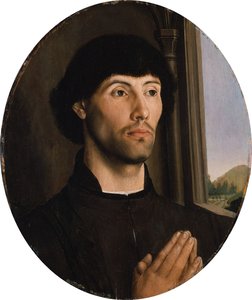
ヒューゴ・ファン・デル・ゴース
1440 - 1482 , ベルギー
基本情報
- Artistic Movement Or Style: 初期ネーデルラント絵画
- Artists Or Movements Influenced By This Artist:
- ドメニコ・ギルランダイオ
- イタリア・ルネサンス
- Artists Who Influenced This Artist:
- ヤン・ファン・エイク
- ディルク・ボウツ
- Date Of Birth: 1440年頃
- Date Of Death: 1482年
- Full Name: ヒューゴ・ファン・デル・ゴース
- Nationality: フランドル人
- Notable Artworks (List Of Titles):
- ポルティナリ祭壇画
- モンフォールト祭壇画
- 賢者の礼拝
- Place Of Birth (City And Country): ベルギー、ハント
関連記事
Hugo van der Goes: Devotion, Innovation & the Psychological Depth of Early Netherlandish Painting
Explore the revolutionary art of Hugo van der Goes – a master of Early Netherlandish painting renowned for his dramatic realism, psychological depth & profound influence on Renaissance artists. Discover his iconic works and lasting legacy.

Early Netherlandish Masters: 10 Paintings That Revolutionized Art & Decor
Journey into the Early Netherlandish Renaissance! Explore 10 iconic paintings by Jan van Eyck, Rogier van der Weyden & more. Discover stunning detail, symbolism, and oil painting techniques. Find museum-quality art reproductions for your home at ArtsDot.com.

Early Netherlandish Masters: 10 Paintings That Revolutionized Art & Decor
Journey into the world of Early Netherlandish painting! Explore 10 masterpieces by Jan van Eyck, Rogier van der Weyden & more. Discover stunning detail, symbolism & Renaissance art for your home decor. Find museum-quality reproductions on ArtsDot.com

レンブラント傑作25選:光と影の巨匠、魂を揺さぶる名画の世界 | ArtsDot
レンブラントの傑作25選。光と影の魔術師が描いた魂を揺さぶる名画の世界へ。美術史に残る自画像、夜警、宗教画…ArtsDotで高品質なアートプリントやインテリアアートをお楽しみください。コレクションはこちら→
Rogier van der Weyden: Emotion, Innovation & the Early Netherlandish Renaissance
Explore the revolutionary art of Rogier van der Weyden, a pivotal figure of the Early Netherlandish Renaissance. Discover his emotional realism, innovative compositions, and lasting impact on painting history.