

 プレビュー
プレビュー
 プリントを購入
 シェアする
シェアする シェアする
シェアする
 詳細を見る
詳細を見る

 ダウンロード
 似ている作品
 X線調査
X線調査 スライドショー
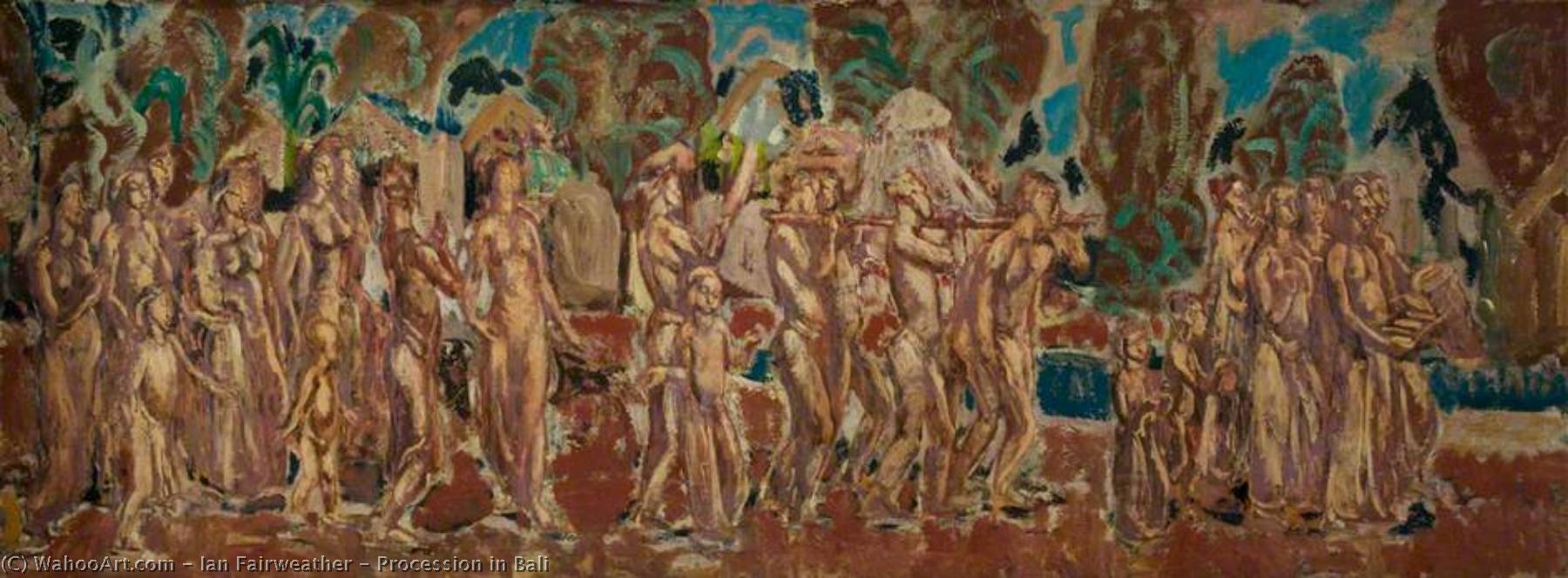
Procession in Bali
 1933
1933 52.0 x 143.0 cm
 New Walk Museum - Art Gallery
 詳細を見る
詳細を見る




































作品のオリジナル比率に合わせた、当店の規定サイズからお選びください。

特定のフレームやスペースに合わせて、ご希望のサイズをご入力いただけます。選択されたサイズが元の画像の比率と異なる場合、アートワークをトリミングするか、手描きで要素を追加して絵画を拡張いたします。デジタルモックアップ を制作し、制作開始前にご確認(承認)をいただきます。
画面上のプレビューは、実際のトリミングや拡張を正確に反映しているものではありません。最終的な構図は、モックアップによってのみ正確にご確認いただけます。
カスタムサイズもご利用いただけますが、元の比率を維持するためには、あらかじめ用意されたリストからサイズを選択することをお勧めいたします。
ご注文後、ArtsDot.com チームより詳細な指示をお送りするとともに、仕上がりイメージ(モックアップ)をご提供いたします。


 ガラスオプションは、110cm未満のサイズでのみご利用いただけます。

Procession in Bali
複製技法
複製画のサイズ
-


合計金額
$ 263
Artistic Style and Technique
The Procession in Bali showcases Ian Fairweather's unique artistic style, characterized by vibrant colors and a lively atmosphere. The painting is done on paper, measuring 52 x 143 cm, and is currently housed at the New Walk Museum - Art Gallery in Leicester, United Kingdom. This museum is renowned for its impressive collection of artworks, including pieces by other notable artists such as Peter Doig and William Etty. Key Features of the Painting:- The use of vibrant colors to create a lively atmosphere
- The arrangement of figures in two rows, with some overlapping one another
- The capture of the essence of a group gathering or event
Artist's Background and Inspiration
Ian Fairweather was a Scottish-born artist who traveled extensively throughout his life, drawing inspiration from various cultures and landscapes. His experiences in Bali, where this painting was created, had a significant impact on his artistic style and technique. For more information on Ian Fairweather's artworks, visit ArtsDot.com.The Procession in Bali is a remarkable example of Ian Fairweather's artistic skill and ability to capture the essence of a moment. This painting, along with other notable works such as Peter Doig's Concrete Cabin and William Etty's The Bowman, can be found at the New Walk Museum - Art Gallery. For handmade oil paintings reproductions of these artworks, visit ArtsDot.com.
関連作品










アーティストの略歴
A Life Forged in Wanderlust and Eastern Echoes
Ian Fairweather, a name synonymous with the bold fusion of Western artistic traditions and the profound spiritual resonance of Asia, remains one of Australia’s most compelling and enigmatic figures. Born in 1891 in the quiet Scottish town of Bridge of Allan, his life was anything but tranquil. Separated from his parents at a young age when they returned to India, Fairweather experienced an itinerant childhood, shuttled between relatives in Scotland, Jersey, London, and Switzerland. This early instability perhaps sowed the seeds for a lifelong restlessness, a nomadic spirit that would define both his personal journey and his artistic vision. Though educated within the conventional structures of European society, it was during the harrowing years of World War I, as a prisoner of war held by the Germans, that Fairweather’s path irrevocably shifted. Confined within those walls, he discovered a new world through the study of Japanese and Chinese calligraphy, immersing himself in Eastern philosophies and artistic principles – an immersion that would become the cornerstone of his unique aesthetic.The Alchemy of East and West
Following his release, Fairweather embarked on decades of extensive travel throughout Asia—China, Bali, Japan, and beyond—not as a mere tourist, but as a dedicated student of culture and art. These journeys were not simply geographical explorations; they were deep dives into the heart of diverse artistic practices. He absorbed the delicate precision of Chinese calligraphy, the vibrant ritualistic energy of Balinese art, and the subtle power of Oceanic traditions, skillfully weaving these influences into his Western training. Initially, his paintings reflected more conventional European styles, but a gradual evolution towards abstraction began to take hold. His style became instantly recognizable: a captivating blend of Eastern and Western elements—calligraphic brushstrokes dancing alongside vibrant colors and symbolic imagery. Fairweather’s commitment to experimentation extended to his materials; often utilizing inexpensive cardboard and paints, he seemed to deliberately reject conventional artistic values, mirroring his itinerant lifestyle and embracing a resourceful, unpretentious approach to creation.Landscapes of the Soul: Major Works and Recurring Themes
Fairweather’s paintings are not easily categorized, defying simple labels. They exist in a fascinating space between abstraction, figuration, and calligraphy, offering viewers both visual delight and intellectual stimulation. "Monastery", often considered his masterpiece, exemplifies this synthesis of Eastern and Western artistic traditions—a testament to his ability to harmonize seemingly disparate influences into a cohesive whole. "Procession in Bali" captures the dynamic energy of Balinese culture through bold brushwork and evocative symbolism. Throughout his oeuvre, certain themes recur with compelling frequency: spirituality, nature, and the search for human connection. His work is imbued with a sense of mystery and contemplation, inviting viewers to embark on their own personal journeys of interpretation. He wasn’t merely depicting scenes; he was exploring profound questions about existence, belief, and our place in the universe.A Pioneer's Legacy: Challenging Conventions and Inspiring Generations
Ian Fairweather is now rightfully recognized as one of Australia’s most significant artists. He broke boundaries by fearlessly incorporating non-Western artistic traditions into his work, challenging conventional notions of Australian art and paving the way for future generations of cross-cultural artists. His willingness to experiment with materials and styles broadened the very definition of what constituted “Australian” art, pushing its limits and expanding its horizons. Fairweather’s unique vision contributed significantly to the development of modern Australian art, influencing countless subsequent artists. Despite facing limited commercial success during his lifetime, his work gained increasing recognition in later years, culminating in exhibitions at major galleries both within Australia and internationally. His final years were marked by another extraordinary adventure: a solo voyage across the sea on a makeshift raft, eventually landing him in Indonesia before returning to settle on Bribie Island, Queensland, where he continued to paint until his death in 1974. His life was a testament to the power of artistic exploration and the enduring allure of cultural exchange—a legacy that continues to inspire awe and admiration today.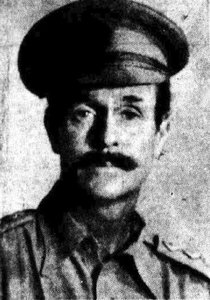
Ian Fairweather
1891 - 1974 , United Kingdom
基本情報
- Artistic Movement Or Style: Abstract Expressionism
- Artists Or Movements Influenced By This Artist: ['Australian Modernism']
- Artists Who Influenced This Artist:
- Fenollosa
- Hearn
- Date Of Birth: September 29, 1891
- Date Of Death: May 20, 1974
- Full Name: Ian Fairweather
- Nationality: Scottish-Australian
- Notable Artworks:
- Monastery
- Procession in Bali
- Outside Hangchow, China
- Place Of Birth: Bridge of Allan, UK