

 プレビュー
プレビュー
 プリントを購入
 シェアする
シェアする シェアする
シェアする
 詳細を見る
詳細を見る

 ダウンロード
 似ている作品
 X線調査
X線調査 スライドショー
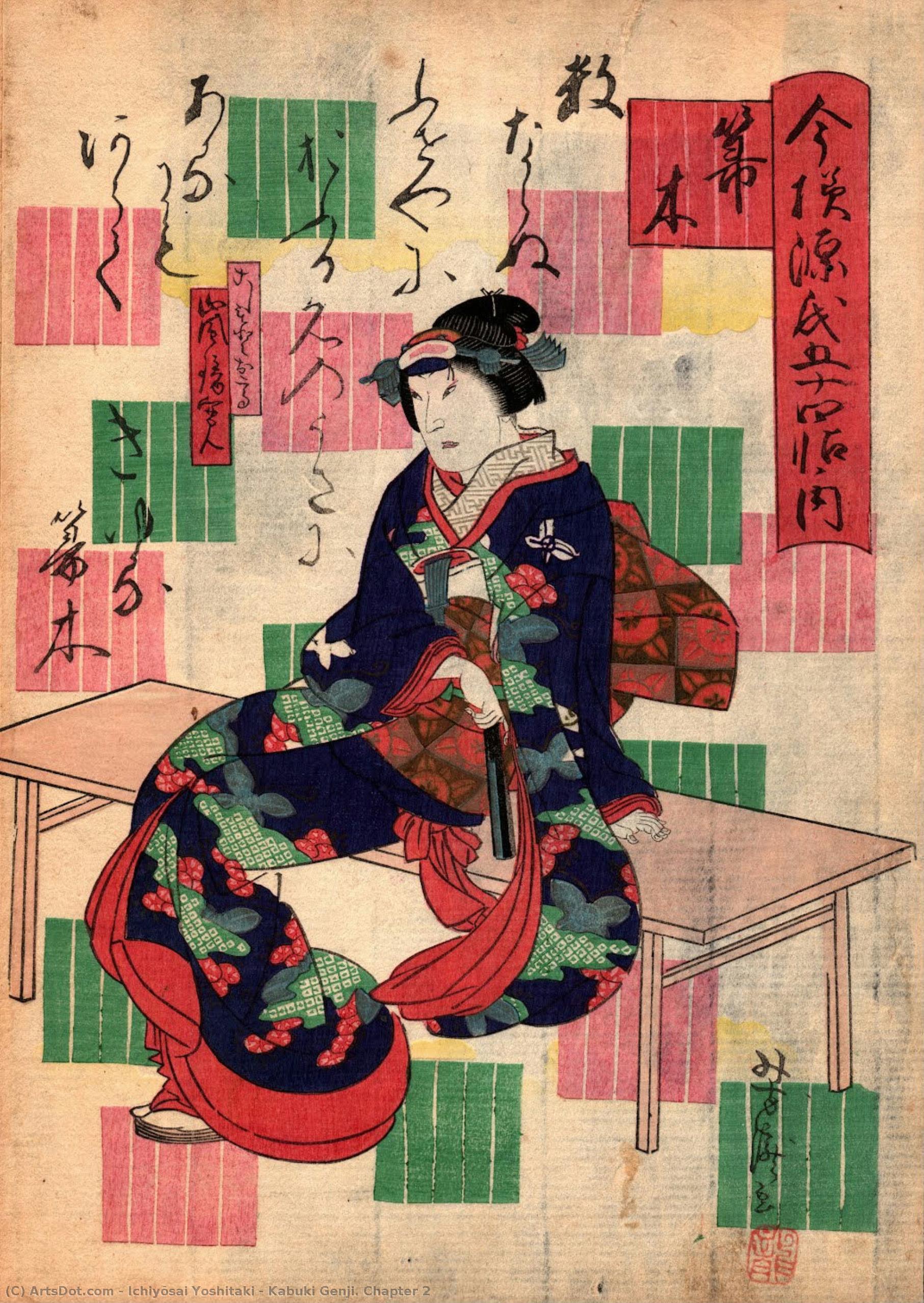
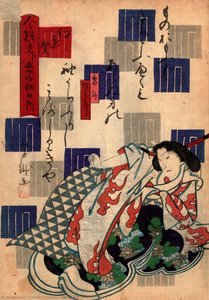
Kabuki Genji. Chapter 2
 Woodblock Print
- Ukiyo-e
 1860
1860- 19th Century
 26.0 x 19.0 cm
 Bujalance Collection
 詳細を見る
詳細を見る




P118B $10

P118H $10

P118W $10

P438Z $10

P508JH $12

P508YH $12

P805H $10

P805Z $10

P919BZ $10

P919G $10

P919XJ $10

P959ZH $10

P968JZ $12

W106C $8

W218G $10

W218JH $8

W218Y $10

W307PJ $10

W316G $10

W316PJ $8

W316Y $10

W398PJ $8

W4111J $10

W500HY $15

W500JH $15

W692G $12

W849H $8

W940BG $15

W953PJ $8




作品のオリジナル比率に合わせた、当店の規定サイズからお選びください。

特定のフレームやスペースに合わせて、ご希望のサイズをご入力いただけます。選択されたサイズが元の画像の比率と異なる場合、アートワークをトリミングするか、手描きで要素を追加して絵画を拡張いたします。デジタルモックアップ を制作し、制作開始前にご確認(承認)をいただきます。
画面上のプレビューは、実際のトリミングや拡張を正確に反映しているものではありません。最終的な構図は、モックアップによってのみ正確にご確認いただけます。
カスタムサイズもご利用いただけますが、元の比率を維持するためには、あらかじめ用意されたリストからサイズを選択することをお勧めいたします。
ご注文後、ArtsDot.com チームより詳細な指示をお送りするとともに、仕上がりイメージ(モックアップ)をご提供いたします。


 ガラスオプションは、110cm未満のサイズでのみご利用いただけます。

Kabuki Genji. Chapter 2
複製技法
複製画のサイズ
-


合計金額
$ 263
作品解説
A Masterpiece of Theatrical Elegance
In the delicate interplay of line and color, Kabuki Genji. Chapter 2 emerges as a breathtaking window into the soul of Japan's Edo and Meiji eras. Created in 1860 by the virtuoso Ichiyōsai Yoshitaki, this exquisite ukiyo-e woodblock print transcends mere portraiture to become a profound dialogue between the ephemeral world of theater and the timeless grandeur of classical literature. The artwork captures a moment of quiet intensity, presenting a figure in traditional Japanese attire that radiates a sense of poised grace. As one gazes upon the composition, the viewer is transported to a time when the stage was not just a place of performance, but a sacred space where myth and reality converged through the artistry of the yakusha-e style.
The brilliance of this piece lies in its intricate symbolic layering. Yoshitaki masterfully weaves the narrative threads of Murasaki Shikibu’s legendary novel, The Tale of Genji, into the very fabric of the print. The background is adorned with the specific Genji-mon—the geometric emblems associated with the second chapter of the saga. These subtle, repetitive motifs serve as a rhythmic visual heartbeat, grounding the theatrical subject in a deep literary heritage. For the discerning collector, this connection offers a rich intellectual depth, making the print not only a visual delight but a scholarly treasure that celebrates the enduring legacy of Japanese storytelling.
The Artistry of the Ukiyo-e Tradition
Technically, the work exemplifies the pinnacle of the Kamigata school's realism. Unlike some contemporary styles that favored idealized beauty, Yoshitaki’s approach in this series is celebrated for its striking fidelity to the human form. In Kabuki Genji. Chapter 2, one can observe the meticulous attention to the texture of the kimono and the precise, flowing lines that define the subject's silhouette. The artist utilizes the woodblock medium to create a sense of depth and presence, where every fold of fabric and every strand of hair contributes to a lifelike vitality. This realism allows the viewer to connect emotionally with the character, feeling the weight of the tradition and the fleeting nature of the "floating world."
For interior designers and connoisseurs of fine art, this reproduction offers an unparalleled opportunity to introduce a sense of historical prestige and cultural sophistication into any space. The print’s intimate dimensions of 26 x 19 cm make it an ideal focal point for a curated gallery wall or a refined study. Whether placed in a contemporary setting to provide a striking contrast or within a classical arrangement to enhance a traditional aesthetic, this work serves as a conversation piece that evokes wonder. It is more than a decoration; it is an invitation to contemplate the exquisite craftsmanship of 19th-century Japan and the timeless allure of the Kabuki stage.
関連作品
アーティストの略歴
Ichiyosai Yoshitaki: The Maestro of Kabuki Portraits
Ichiyosai Yoshitaki (歌川 芳滝, April 13, 1841 – June 28, 1899), also known as Utagawa Yoshitaki, stands as a towering figure in the history of Japanese woodblock prints. Active primarily during the late Edo and early Meiji periods, he dedicated his life to capturing the dynamism and captivating presence of Kabuki actors—a pursuit that cemented his legacy as Osaka’s most prolific designer of *yakusha-e* (役者絵) for nearly four decades. His output, numbering over 1,200 distinct prints, offers an unparalleled visual record of a vibrant theatrical world, revealing not only the artistry of the actors themselves but also the social and cultural currents of his time. Yoshitaki’s origins were humble; born Nakai Tsunejirō in Shimizucho, Osaka, to a paste merchant father. At the tender age of twelve, he began his artistic apprenticeship under Utagawa Yoshiume (1819–1879), a respected printmaker who had previously studied under the renowned Utagawa Kuniyoshi. This early training instilled in him a foundational understanding of woodblock techniques and design principles, providing a crucial springboard for his future success. Crucially, Yoshitaki quickly surpassed his teacher, establishing himself as an independent artist by 1855, marking the beginning of a remarkable career defined by sheer volume and artistic refinement.Osaka’s Printmaking Powerhouse
Yoshitaki's rise to prominence was inextricably linked to Osaka’s thriving printmaking scene during the mid-19th century. Unlike Kyoto, which traditionally dominated Japanese art production, Osaka had emerged as a vibrant center for commercial printing, fueled by its bustling port and burgeoning merchant class. Yoshitaki skillfully capitalized on this environment, becoming the dominant designer of *yakusha-e* in Osaka from the 1860s through the 1880s. His workshop became a hub of activity, employing numerous carvers, printers, and binders – a testament to his considerable influence and demand for his work. He wasn’t merely producing prints; he was orchestrating an entire artistic ecosystem.A Symphony of Color and Form: Artistic Techniques
Yoshitaki's prints are characterized by their remarkable detail, vibrant colors, and dynamic compositions. He mastered the complex techniques of *nishiki-e* (錦絵), utilizing multiple woodblocks to achieve a full spectrum of hues – a significant advancement over earlier monochrome or limited-color prints. His skillful use of shading and perspective created an illusion of depth and movement, effectively capturing the theatricality of the Kabuki stage. He paid meticulous attention to costume design, meticulously recreating the elaborate robes and accessories worn by the actors, reflecting both their individual roles and the broader social status they represented. The influence of Kuniyoshi is evident in Yoshitaki’s bold outlines and dramatic lighting, but he developed a distinctly personal style characterized by a remarkable sensitivity to human expression.Subjects: The Stars of Kabuki
Yoshitaki's oeuvre is overwhelmingly dominated by portraits of Kabuki actors – *yakusha-e*. He depicted a vast array of performers, from established stars to rising talents, capturing their distinctive personalities and stage mannerisms. His subjects included legendary figures like Enjaku Jitsukawa I (as Saijō Takanori), Wagō Soga Homare no Fuji, and countless others. These prints weren’t simply representations; they were carefully constructed narratives, conveying not only the actors' appearances but also their roles, emotions, and relationships within the larger theatrical drama. His ability to capture a fleeting expression or a dramatic pose was truly remarkable, transforming static images into vibrant snapshots of a dynamic art form.Legacy and Historical Significance
Ichiyosai Yoshitaki’s prolific output provides an invaluable window into 19th-century Japanese society. His prints reflect the popularity of Kabuki theater, the rise of Osaka as a commercial center, and the evolving tastes of a rapidly changing nation. Beyond their artistic merit, his works offer insights into social hierarchies, fashion trends, and cultural values. Yoshitaki’s influence extended beyond his own lifetime; he trained numerous students who continued to produce *yakusha-e*, ensuring that his style and techniques remained influential for generations. Today, his prints are highly sought after by collectors worldwide, representing a crucial link in the chain of Japanese artistic heritage. They stand as a testament to one man’s dedication, skill, and profound understanding of the captivating world of Kabuki theater.
ichiyōsai yoshitaki
1841 - 1899 , Japan
基本情報
- Artistic Movement Or Style: Ukiyo-e
- Artists Or Movements Influenced By This Artist: ['Utagawa Kuniyoshi']
- Artists Who Influenced This Artist: ['Utagawa Yoshiume']
- Date Of Birth: April 13, 1841
- Date Of Death: June 28, 1899
- Full Name: Ichiyosai Yoshitaki
- Nationality: Japanese
- Notable Artworks:
- Kabuki Actors
- Kanadehon Chushingura
- Kabuki Genji
- Place Of Birth: Osaka, Japan
関連記事

葛飾北斎:25の傑作が語る浮世絵の世界 - ArtsDot
葛飾北斎の25選:『神奈川沖浪裏』や『富嶽三十六景』など、浮世絵の世界を深く探求。木版画の技法と日本美術の美をArtsDotで。高品質なアートプリントで空間に感動を。コレクションはこちら。
Ukiyo-e: Exploring Japan's Floating World & Enduring Artistic Legacy
Explore the captivating world of Ukiyo-e – Japan's iconic woodblock prints! Discover masters like Hokusai & Hiroshige, learn about Edo period culture, and find expert art collecting guidance at ArtsDot.
The Enduring Legacy of Woodblock Printmaking: Technique, History & Artistic Expression
Explore the rich history of woodblock printmaking – from ancient techniques to Ukiyo-e masterpieces. Discover expert insights on collecting, preserving & appreciating this enduring art form.
Tōshūsai Sharaku: A Fleeting Glimpse into Edo Period Kabuki – Life, Art, and the Enigma of a Ukiyo-e Master
Explore the captivating world of Tōshūsai Sharaku, the enigmatic Edo period ukiyo-e master. Discover his iconic Kabuki actor portraits and unravel the mystery behind this fleeting artistic genius. Learn about his unique style & lasting legacy.
Tsukioka Yoshitoshi: A Master of Ukiyo-e's Final Flourish – Narrative, Innovation, and the Meiji Transition
Explore the life & art of Tsukioka Yoshitoshi, the last great master of ukiyo-e woodblock printing. Discover his dramatic warrior prints, innovative series like 'One Hundred Aspects of the Moon,' and legacy reflecting Japan's Meiji transition.

