

 プレビュー
プレビュー
 シェアする
シェアする シェアする
シェアする
 詳細を見る
詳細を見る

 ダウンロード
 似ている作品
 X線調査
X線調査 スライドショー
 統計情報
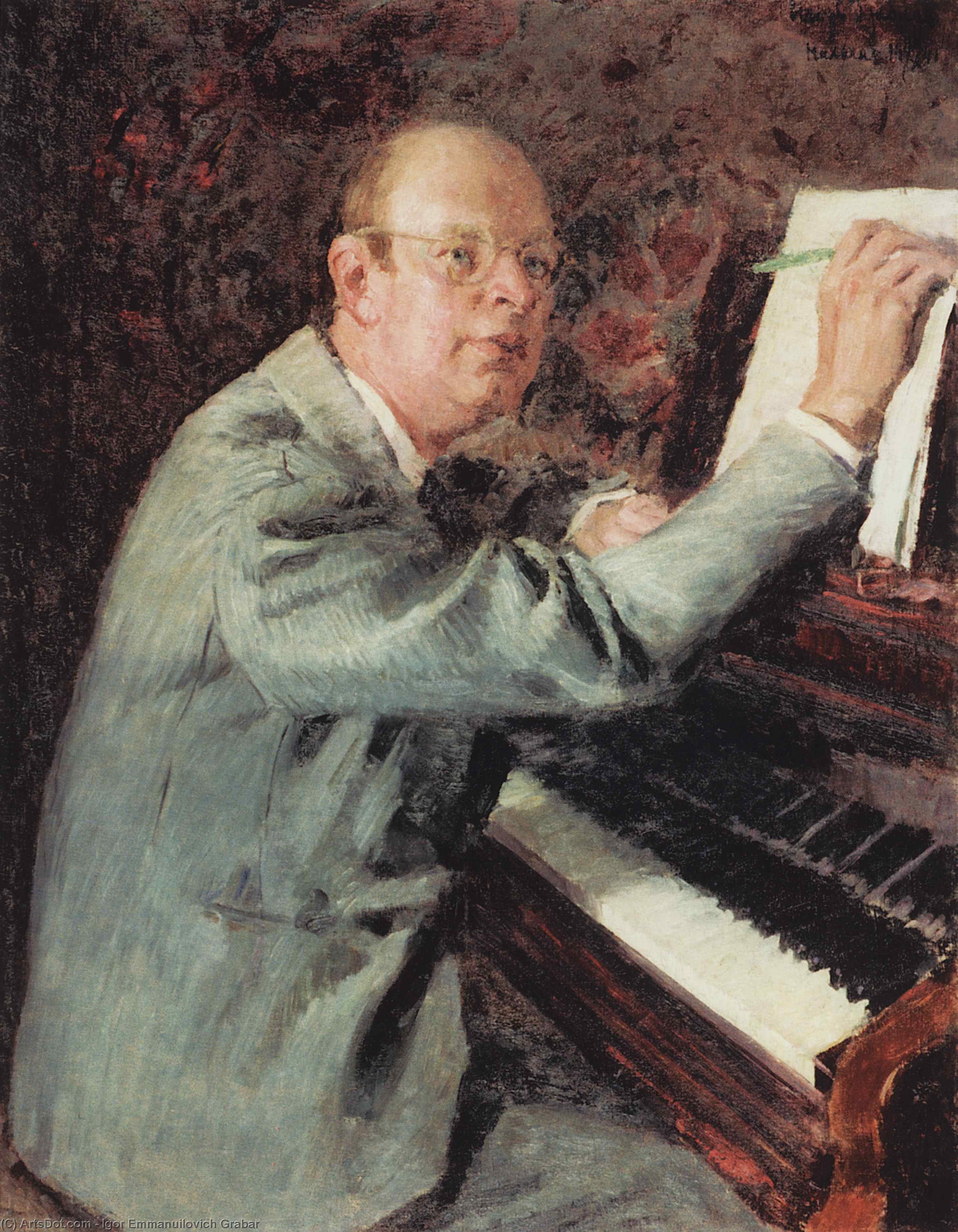
統計情報Portrait of Sergei Prokofiev
 Post-Impressionism
 1941
1941 80.0 x 102.0 cm
 詳細を見る
詳細を見る
手描き油彩複製画
当社のアーティストが、お客様のご希望のサイズと額縁に合わせて、キャンバスに手描きで制作する油彩画です。 ( プリント版に切り替え デジタル画像販売へ切り替え)




P118B $10

P118H $10

P118W $10

P438Z $10

P508JH $12

P508YH $12

P805H $10

P805Z $10

P919BZ $10

P919G $10

P919XJ $10

P959ZH $10

P968JZ $12

W106C $8

W218G $10

W218JH $8

W218Y $10

W307PJ $10

W316G $10

W316PJ $8

W316Y $10

W398PJ $8

W4111J $10

W500HY $15

W500JH $15

W692G $12

W849H $8

W940BG $15

W953PJ $8




作品のオリジナル比率に合わせた、当店の規定サイズからお選びください。

特定のフレームやスペースに合わせて、ご希望のサイズをご入力いただけます。選択されたサイズが元の画像の比率と異なる場合、アートワークをトリミングするか、手描きで要素を追加して絵画を拡張いたします。デジタルモックアップ を制作し、制作開始前にご確認(承認)をいただきます。
画面上のプレビューは、実際のトリミングや拡張を正確に反映しているものではありません。最終的な構図は、モックアップによってのみ正確にご確認いただけます。
カスタムサイズもご利用いただけますが、元の比率を維持するためには、あらかじめ用意されたリストからサイズを選択することをお勧めいたします。
ご注文後、ArtsDot.com チームより詳細な指示をお送りするとともに、仕上がりイメージ(モックアップ)をご提供いたします。


 ガラスオプションは、110cm未満のサイズでのみご利用いただけます。

Portrait of Sergei Prokofiev
複製技法
複製画のサイズ
-


合計金額
$ 263
A Moment of Creation: Igor Grabar’s Portrait of Sergei Prokofiev (1941)
This captivating portrait by Igor Emmanuilovich Grabar offers a rare glimpse into the world of one of Russia's most celebrated composers, Sergei Prokofiev. Painted in 1941 – a year fraught with uncertainty as World War II loomed over Europe – the artwork transcends a simple likeness, becoming a poignant meditation on artistic dedication and inner life. We see Prokofiev seated at his grand piano, not in performance, but deeply immersed in the act of composition; a pencil poised above a sheet of music, suggesting a fleeting moment captured between inspiration and execution. The three-quarter view invites intimacy, drawing the viewer into the composer’s creative space.Impressionistic Brushwork & Emotional Resonance
Grabar's masterful technique leans towards Impressionism, though infused with his own distinct Post-Impressionist sensibilities. Visible brushstrokes and a rich impasto texture are central to the painting’s effect, lending an almost tactile quality to the canvas. The artist prioritizes capturing atmosphere and mood over photographic realism. This is particularly evident in the soft, diffused lighting which suggests an indoor setting bathed in natural light – creating a sense of quiet contemplation. The muted, somewhat desaturated color palette further enhances this introspective feeling. It’s not a vibrant display of virtuosity, but rather a subtle exploration of Prokofiev's inner world, mirroring the complex emotional landscapes often found within his music.Historical Context & Artistic Legacy
Igor Grabar (1871-1960) was a multi-faceted figure – not only a painter, but also a renowned art historian, restorer, and publisher who played a pivotal role in modernizing the Tretyakov Gallery. His work reflects a deep understanding of both Russian artistic traditions and emerging European movements. The year 1941 held particular significance for Prokofiev; it was during this period he was composing some of his most enduring works while facing increasing political pressure from the Soviet regime. Grabar’s portrait, therefore, serves as a powerful document, capturing a moment in time when artistic expression existed alongside societal upheaval. The artwork stands as a testament to the resilience of creativity even amidst challenging circumstances.Symbolism & Interior Design Considerations
The symbolism within the painting is elegantly understated. The piano, naturally, represents Prokofiev’s profession and passion; it's not merely an instrument but an extension of his very being. The sheet music and poised pencil symbolize the ongoing creative process – a constant striving for innovation and expression. For interior designers, this artwork offers versatility. Its muted tones and contemplative mood make it suitable for studies, libraries, or living spaces seeking a touch of sophisticated serenity. The size (80 x 102 cm) makes it a substantial yet manageable statement piece, capable of anchoring a room without overwhelming the space. A high-quality reproduction would bring a sense of artistic heritage and intellectual depth to any environment.関連作品
アーティストの略歴
生い立ちと教育
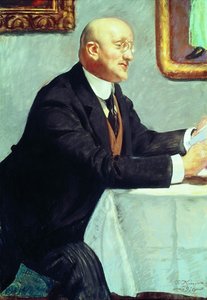
イゴール・エマヌイロヴィチ・グラバーは、ロシアのポスト印象派を代表する画家であり、出版人、修復家、そして美術史家としてもその名を馳せた人物です。1871年3月25日、ハンガリーのブダペストに生を受けた彼は、ルシン系の血筋を持ちながらも、家族はロシア文化に対して深い親愛の情を抱いていました。父エマヌイル・グラバーは、ロシア大使館と密接な繋がりを持つルシン系の弁護士であり政治家でした。グラバーの幼少期はイェゴリエフスクでの教育から始まり、そこで高校に通いました。彼の描画への情熱に火をつけたのは、1881年のロシア皇帝アレクサンドル2世の暗殺事件の後に溢れ出した、数々の雑誌や出版物の潮流でした。その後、モスクワのミハイル・カトコフ寄宿学校に入学したことで、モスクワ絵画彫刻建築学校の学生たちとの重要な出会いが果たされることとなります。芸術的キャリアと代表作
イゴール・エマヌイロヴィチ・グラバーは、サンクトペテルブルクではイリヤ・レーピンに、そしてミュンヘンではアントン・アズベに師事し、その才能を磨きました。1903年から1907年にかけて、彼の画業は絶頂期を迎えます。点描画に近い分割主義(ディヴィジョニズム)の技法と、雪の情景を見事に描き出す表現力は、見る者を圧倒しました。彼の代表的な作品には、以下のようなものがあります:- 干し草のある風景:自然の美しさを捉える彼の卓越した技術が光る一作です。
- 刺繍手:19世紀のロシアで流行した写実主義スタイルの極めて優れた例です。
- 仕事へ向かう:ロシアの人々の日常の営みを静かに映し出した作品です。
美術館と美術修復
1913年、グラバーはモスクワのトレチャコフ美術館の執行責任者に任命されました。彼はコレクションを近代美術へと多角化させ、1917年には初の包括的なカタログを出版しました。また、モスクワ国立大学の美術修復教授(1921年)として、ソビエトにおける芸術体制の確立において極めて重要な役割を果たしました。 グラバーの作品を収蔵する主要な美術館:- ノヴォクズネツク美術館(ロシア):ロシアおよびヨーロッパの素晴らしい美術品を収蔵しています。
- トレチャコフ美術館(モスクワ):ロシアの優れた美術品を広範に誇る、世界的に有名な美術館です。
- ハリコフ美術館(ウクライナ):14世紀からの膨大な芸術作品を展示しています。
遺産と晩年
グラバーは、1960年5月16日にこの世を去るまで、ソビエトの芸術界の頂点に君臨し続けました。彼は1918年から1930年、そして1944年から1960年にかけて、美術修復工房(現在のグラバー・センター)の運営に携わりました。彼が遺した芸術的足跡は、今なお多くの芸術家や美術愛好家たちにインスピレーションを与え続けています。- グラバーのさらなる作品を ArtsDot でご覧いただけます。
- トレチャコフ美術館の詳細については ArtsDot をご確認ください。
- ノヴォクズネツク美術館のコレクションは ArtsDot で探すことができます。
参考文献:
イゴール・グラバリ
1871 - 1960 , ハンガリー
基本情報
- Artistic Movement Or Style: ポスト印象主義
- Artists Or Movements Influenced By This Artist: ['ディヴィジョニズム']
- Artists Who Influenced This Artist:
- イリヤ・レーピン
- アントン・アズベ
- Date Of Birth: 1871年3月25日
- Date Of Death: 1960年5月16日
- Full Name: イーゴリ・エマヌイロヴィチ・グラバー
- Nationality: ロシア
- Notable Artworks:
- 干し草の風景
- 刺繍女
- 仕事へ行く
- Place Of Birth: ハンガリー、ブダペスト
関連記事
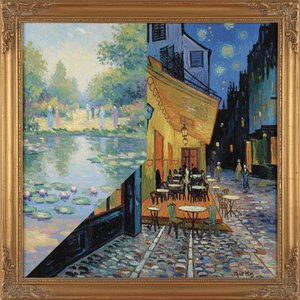
光と色彩の彼方:知的な収集家のための印象派とポスト印象派
印象派とポスト印象派の傑作を深く理解し、知的なコレクションを築くための情報を提供。ArtsDotでは、高品質な油絵複製やカスタムアートをご用意。専門家が最適な作品選びをお手伝いします。
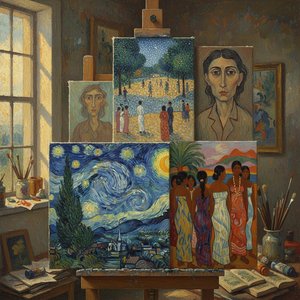
Beyond Impressionism: Exploring the Emotional Depth of Post-Impressionist Painting
Explore the profound emotional depth & innovative techniques of Post-Impressionism with ArtsDot. Discover Cézanne, Van Gogh, Gauguin & more – and their lasting impact on modern art.
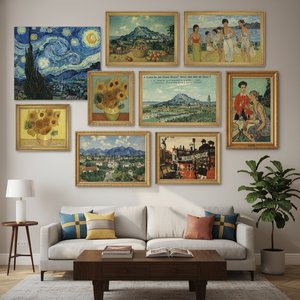
没後印象派を彩る至宝:時代を定義した10大名作
時代を彩る没後印象派の名作10選。ゴッホ、セザンヌら巨匠の傑作を深く掘り下げ、その物語と技法に迫ります。色彩豊かなアートで空間を演出。ArtsDot.comで至高のアートプリントを見つけませんか?
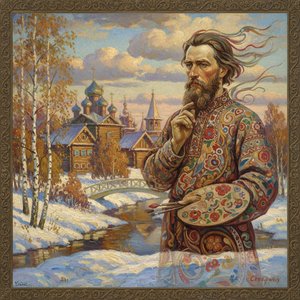
Igor Grabar: Bridging Impressionism & National Identity in Russian Modern Art
Explore the life & art of Igor Grabar, a pivotal figure in Russian Modernism. Discover his Impressionist landscapes, crucial role in art history, and legacy at the Tretyakov Gallery. A deep dive into a master painter & scholar.
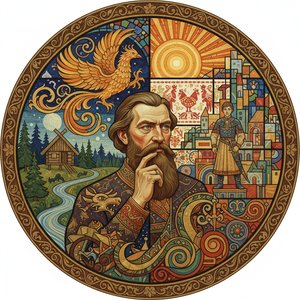
Ivan Bilibin: A Synthesis of Folklore, Modernism & National Identity in Russian Illustration
Explore the enchanting world of Ivan Bilibin, a master Russian illustrator who synthesized folklore, Art Nouveau & national identity. Discover his iconic fairy tale illustrations and legacy with ArtsDot.