

 プレビュー
プレビュー
 プリントを購入
 シェアする
シェアする シェアする
シェアする
 詳細を見る
詳細を見る

 ダウンロード
 似ている作品
 X線調査
X線調査 スライドショー
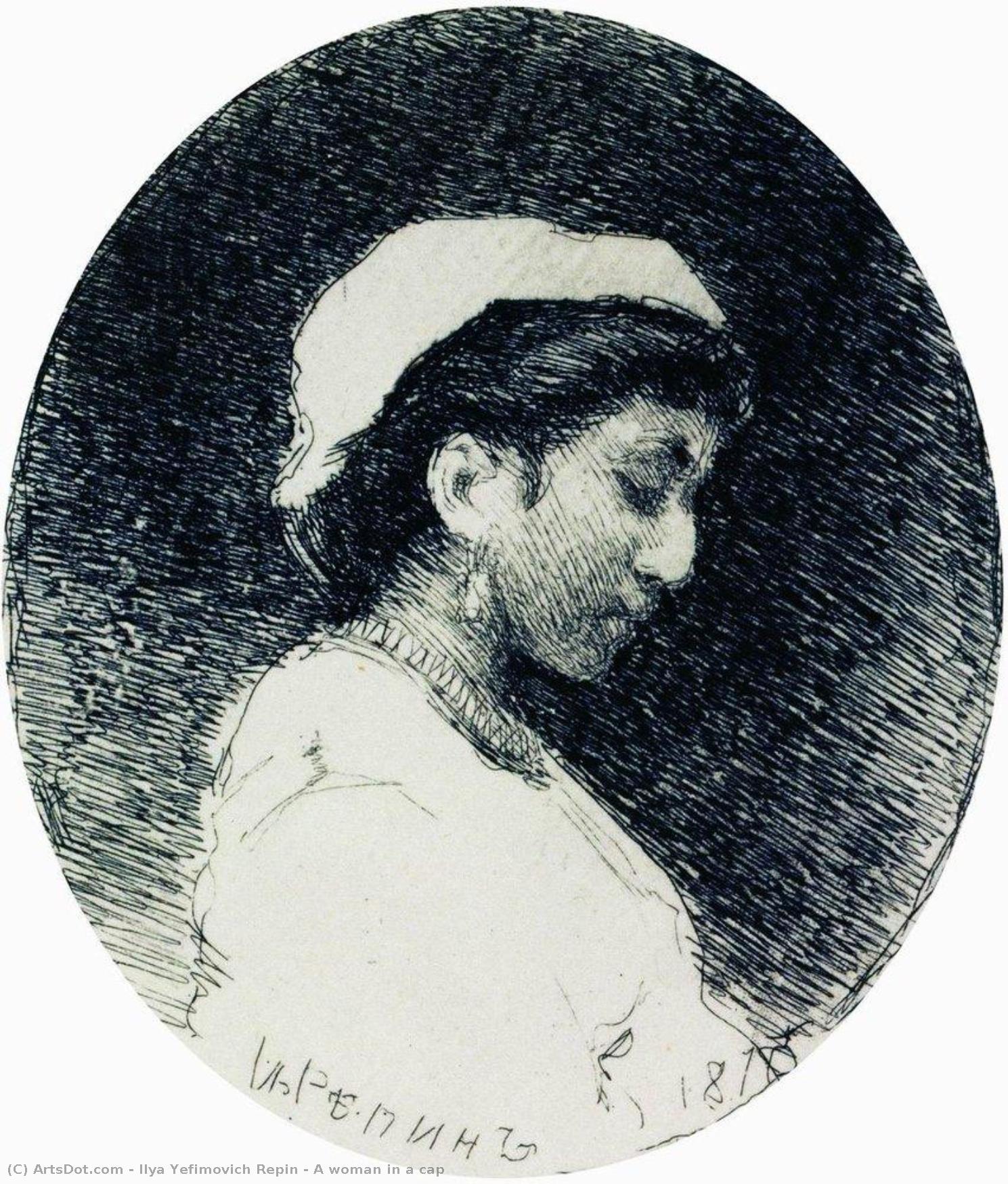
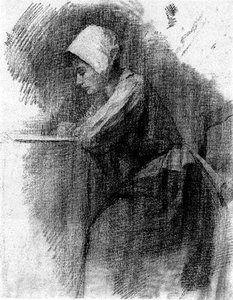
A woman in a cap
 Acrylic On Canvas
- WallArt
- Realism
 27.0 x 21.0 cm
 ヴィテプスク現代美術館
 詳細を見る
詳細を見る
オンラインプレビューをはるかに凌ぐ、高解像度で鮮明なデジタル画像をご購入いただけます。
各ファイルは、社内の専門家が高度なツールと熟練した手作業によるレタッチを用いて、細心の注意を払って準備されています。すべての画像において、卓越した鮮明度、正確な色彩再現性、そして繊細なディテールを保証いたします。
最終ファイルは、プロフェッショナルな編集・印刷環境ですぐにご利用いただけるよう最適化された状態で、72時間以内にメールにてお届けいたします。これは、一流のデザインスタジオ、出版社、ギャラリーから信頼されているものと同等の品質です。
デジタル画像のご注文に付随する特典
高品質なデジタル画像配信を、確かな品質で。
ArtsDot.com を選ぶことは、単に画像を手に入れることではありません。それは、プロの手によって精密に仕上げられ、満足保証が付いた高品質なデジタルアートワークを受け取ることを意味します。ご注文いただいた際に自動的に付随する内容は、以下の通りです:

メールですぐにお届け
ご注文から72時間以内に、高解像度のデジタル画像ファイルがメールでお手元に届きます。すぐにそのままご利用いただけます。

AI技術で最適化されたデジタルファイル
お客様の作品は、高度なAIツールと専門家による手作業の編集を組み合わせてプロフェッショナルに最適化されており、細部のディテール、鮮明さ、そして正確な色再現性を最大限に引き出しています。

一生涯無料の再送サービス
ファイルを誤って削除したり、紛失してしまったりしましたか?ご安心ください。いつでも無料で再送いたします。

輸入手数料は一切かかりません
関税や手数料、配送料を気にすることなく、お気に入りのアートワークをすぐにお楽しみいただけます。デジタルダウンロードは常に免税です。

色彩再現の保証
プロ仕様のツールとカラーマネジメント技術を用いることで、デジタル画像が元の色を最大限に忠実に再現することを保証いたします。

100日間満足保証
ご購入いただいたデジタル画像にご満足いただけない場合は、100日以内であれば、理由を問わず修正または100%の返金対応をさせていただきます。

100% 返金保証
ご満足いただけない場合は、デジタルファイルを受け取ってから100日以内であれば、理由を問わず全額返金いたします。

まとめ買い割引
3枚購入で10%OFF - 5枚購入で15%OFF - 10枚以上購入で20%OFF。クリエイティブなプロジェクト、ギャラリー、エージェンシーに最適です。
The Enigmatic Gaze: Unveiling ‘A Woman in a Cap’
Ilya Repin's “A Woman in a Cap,” painted circa 1876-1878, isn’t merely a portrait; it’s a carefully constructed window into the soul of late 19th-century Russia. This arresting image, rendered in meticulous black and white etching, captures a moment of profound introspection within a seemingly simple scene – a woman, her face partially obscured by a worn cap, gazing downwards with eyes closed. The composition immediately draws you in, not through grand gestures or dramatic lighting, but through the quiet intensity radiating from this single figure. Repin, a pivotal voice in Russian Realism, masterfully eschews romantic idealization, presenting instead a portrait of everyday life imbued with an undercurrent of melancholy and resilience.
The Roots of Realism: Context and Influences
Repin’s artistic journey was deeply intertwined with the burgeoning realist movement in Russia, a reaction against the prevailing academic styles that prioritized idealized beauty over authentic representation. His early years were shaped by his humble origins – born in Chuguev, Ukraine, to a family of horse traders – and his apprenticeship under an icon painter, a stark contrast to the aristocratic circles often associated with artistic patronage. This grounding in the lives of ordinary people profoundly influenced his work. The painting’s subject matter—a woman from the working class—reflects Repin's commitment to portraying the realities of Russian society, particularly the hardships faced by its peasantry. He was deeply affected by the social and economic changes sweeping across Russia at the time, witnessing firsthand the displacement and struggles of rural communities. The influence of artists like Jean-François Millet, whose depictions of peasant life resonated with Repin’s own empathy for the downtrodden, is palpable in the work's directness and unvarnished portrayal of human experience.
A Study in Texture and Detail: Technique and Style
Repin’s etching technique is nothing short of extraordinary. He employs a remarkable level of detail, meticulously rendering the texture of the woman’s cap, the folds of her clothing, and the subtle nuances of her facial features. The stark contrast between light and shadow creates a dramatic effect, emphasizing the contours of her face and drawing attention to her downward gaze. The use of cross-hatching—a technique involving layering intersecting lines—builds up tonal values with incredible precision, giving the image a rich, tactile quality. This painstaking process speaks volumes about Repin’s dedication to capturing not just the likeness of his subject but also the very essence of her being. The monochrome palette further enhances the painting's mood, lending it an air of timelessness and solemnity.
Symbolism and Emotional Resonance: Beyond the Surface
The woman’s closed eyes invite speculation about her thoughts and feelings. Is she lost in memory? Reflecting on a difficult past? Or perhaps simply seeking solace from the burdens of daily life? The cap, worn and slightly askew, suggests a life lived with hardship and resilience. It's not an emblem of wealth or status, but rather a symbol of practicality and endurance. The overall effect is one of quiet dignity—a testament to the strength and stoicism of ordinary people in the face of adversity. “A Woman in a Cap” isn’t just a portrait; it’s a meditation on human experience, a poignant reminder of the enduring spirit that resides within us all. It's a piece that continues to resonate with viewers today, prompting reflection on themes of identity, memory, and the complexities of life.
関連作品
作家の略歴
イリヤ・エフモヴィチ・レピン:ロシア写実主義の巨匠
イリヤ・エフモヴィチ・レピン、1844年から1930年まで生きたこの名は、ロシア美術史において揺るぎない地位を確立しています。ウクライナ生まれでありながら、その作品はロシア国民の魂を深く映し出し、社会の現実と人間の感情を鮮烈に表現しました。レピンの生涯は、謙虚な農村出身から、時代を代表する芸術家へと昇華していく波瀾万丈な物語です。幼少期を過ごしたチュグイェフという小さな町で育ち、父は馬商人であり母は地元の伝統を重んじる家庭環境でした。この初期の経験が、レピンの作品に土着的なリアリズムと人々の生活への深い共感を植え付けたのです。アイコン画家であるイヴァン・ブナコフのもとで絵画技術を習得し、その後サンクトペテルブルクの帝国美術アカデミーに入学。しかし、最初の入学試験に失敗したにもかかわらず、彼は諦めず、アカデミーの講義を聴き、才能を開花させました。写実主義への道:ペレヴィズニキと社会意識
1860年代後半、レピンは芸術家集団「ペレヴィズニキ」(流動派)に合流します。このグループは、アカデミーの保守的な伝統を打破し、ロシアの現実を描くことを志向していました。彼らは、社会の不条理や人々の苦しみといったテーマを積極的に取り上げ、その作品は当時の社会に大きな影響を与えました。レピンもまた、ペレヴィズニキの一員として、社会批判精神と写実的な表現力を融合させました。特に重要なのは、ヴォルガ川で出会ったボート係の人々を描いた「ヴォルガの荷役人」(1873年)です。この作品は、重労働に苦しむ人々の姿を力強く描き出し、社会的不平等を告発するものであり、レピンの名声を不動のものとしました。また、イヴァン・クRAMSKOIとの出会いは、レピンの芸術的成長に大きな影響を与えました。クRAMSKOIは、レピンに社会的なテーマを深く掘り下げ、人間の内面を表現することの重要性を教え導いたのです。歴史と人間ドラマ:巨匠の筆致
レピンの作品は、単なる写実的な描写にとどまらず、歴史的事件や人物を通して人間の心理を描き出すことに長けています。その中でも、「イワン雷帝とその息子イワン」(1885年)は、最も議論を呼んだ作品の一つです。父が息子を殺害する瞬間を捉えたこの絵画は、権力と暴力、そして後悔というテーマを深く掘り下げています。「ザポロージャ・コサックのトルコへの手紙」(1880-91年)は、ウクライナのコサックたちが自由と独立を求めて戦った歴史を描き出し、その勇壮な姿とユーモラスな手紙が、見る者の心を捉えます。レピンはまた、レオ・トルストイやモーデスト・ムソルグスキーなど、当時の文化人たちの肖像画も数多く残しました。これらの肖像画は、単なる外見の描写にとどまらず、彼らの個性や内面を深く理解した上で描かれており、レピンの卓越した観察眼と表現力を物語っています。遺産と影響:ロシア美術における確固たる地位
20世紀に入り、ロシア革命が起こると、レピンは一時的にフィンランドに亡命しました。しかし、その後も精力的に作品を制作し続けました。彼の作品は、社会の現実を鋭く描き出しながらも、人間の尊厳と希望を失わないという普遍的なテーマを追求しており、時代を超えて人々の心を捉えます。レピンの芸術的功績は、ロシア美術史において確固たる地位を確立しています。彼は、写実主義の巨匠として、後世の多くの芸術家に影響を与え、その作品は今もなお世界中の美術館で高く評価されています。彼の故郷であるクオッカラ(現在のレピノ)には、レピン記念館があり、彼の生涯と作品に触れることができます。レピンの遺産は、単なる絵画作品にとどまらず、ロシア文化全体を豊かに彩るものであり、これからも多くの人々に感動を与え続けるでしょう。主要作品
- ヴォルガの荷役人:社会的不平等を告発する写実主義の傑作
- ザポロージャ・コサックのトルコへの手紙:ウクライナの自由と独立を象徴する作品
- イワン雷帝とその息子イワン:権力と暴力、後悔を描いた心理劇
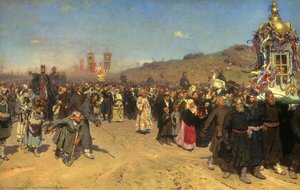
- 宗教的巡礼行列(クルスク地方にて):ロシア社会の多様性を描いた作品
- レオ・トルストイの肖像:文化人たちの内面を深く理解した肖像画
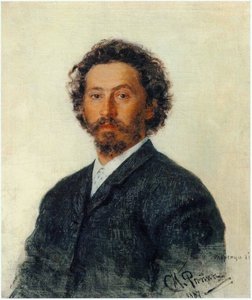
イリヤ・エフモヴィチ・レピン
1844 - 1930 , ロシア
プロフィール概要
- フルネーム: イリヤ・エフモヴィチ・レピン
- 主な作品:
- ヴォルガの船曳き
- ザポロージャ・コサックの返答
- イワン雷帝とその子イワン
- 出生地: チュグイェフ(ロシア/ウクライナ)
- 国籍: ロシア
- 影響を与えた芸術家または運動: ['社会主義リアリズム']
- 影響を受けたアーティスト:
- イヴァン・クRAMSKOI
- ウラジーミル・スタソフ
- 死亡年月日: 1930年9月29日
- 生年月日: 1844年8月5日
- 芸術運動またはスタイル: 写実主義