 プレビュー
プレビュー
 プリントを購入
 シェアする
シェアする シェアする
シェアする
 詳細を見る
詳細を見る

 ダウンロード
 似ている作品
 X線調査
X線調査 スライドショー
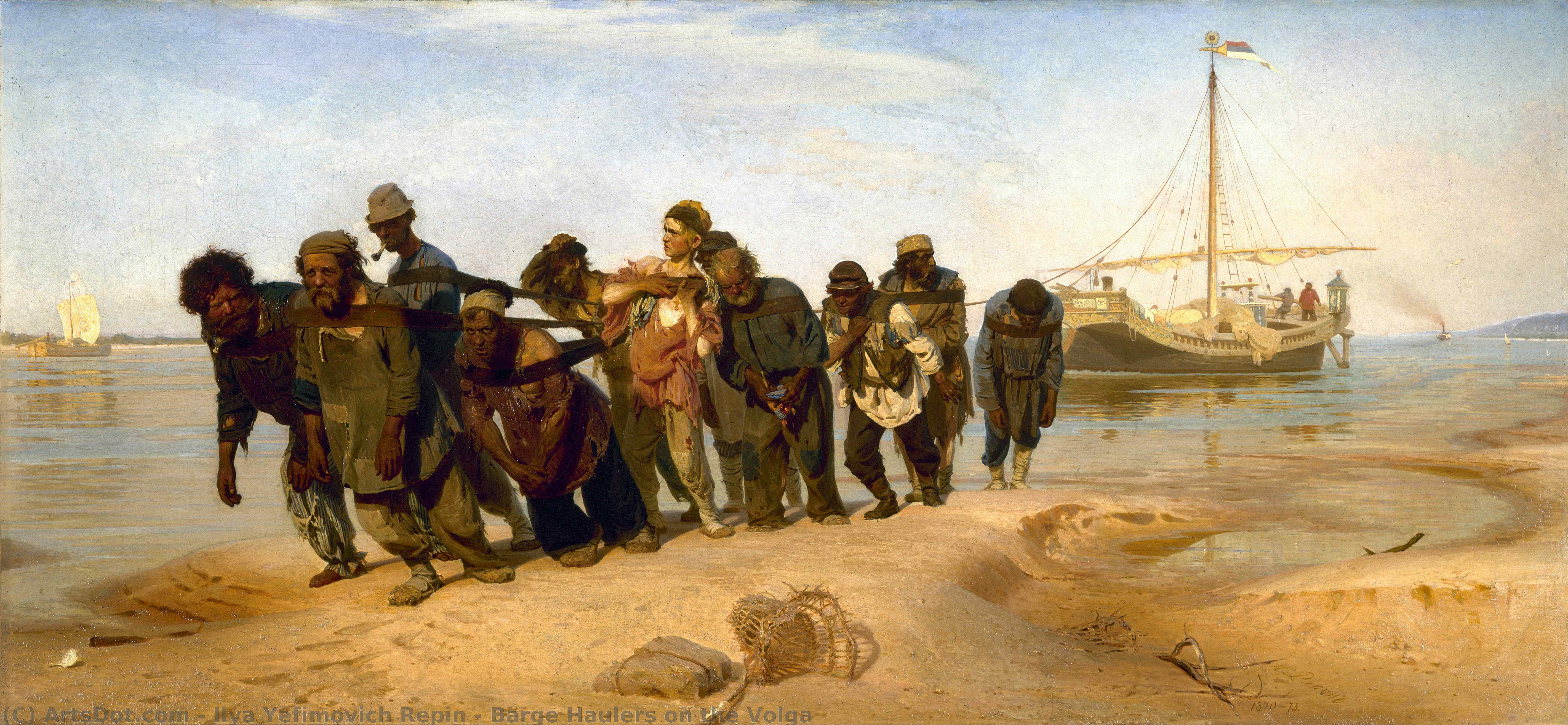
Barge Haulers on the Volga
 Oil On Canvas
- WallArt
- Realism
 1873
1873- 19th Century
 131.0 x 281.0 cm
 詳細を見る
詳細を見る




P118B $10

P118H $10

P118W $10

P438Z $10

P508JH $12

P508YH $12

P805H $10

P805Z $10

P919BZ $10

P919G $10

P919XJ $10

P959ZH $10

P968JZ $12

W106C $8

W218G $10

W218JH $8

W218Y $10

W307PJ $10

W316G $10

W316PJ $8

W316Y $10

W398PJ $8

W4111J $10

W500HY $15

W500JH $15

W692G $12

W849H $8

W940BG $15

W953PJ $8




作品のオリジナル比率に合わせた、当店の規定サイズからお選びください。

特定のフレームやスペースに合わせて、ご希望のサイズをご入力いただけます。選択されたサイズが元の画像の比率と異なる場合、アートワークをトリミングするか、手描きで要素を追加して絵画を拡張いたします。デジタルモックアップ を制作し、制作開始前にご確認(承認)をいただきます。
画面上のプレビューは、実際のトリミングや拡張を正確に反映しているものではありません。最終的な構図は、モックアップによってのみ正確にご確認いただけます。
カスタムサイズもご利用いただけますが、元の比率を維持するためには、あらかじめ用意されたリストからサイズを選択することをお勧めいたします。
ご注文後、ArtsDot.com チームより詳細な指示をお送りするとともに、仕上がりイメージ(モックアップ)をご提供いたします。


 ガラスオプションは、110cm未満のサイズでのみご利用いただけます。

Barge Haulers on the Volga
複製技法
複製画のサイズ
-


合計金額
$ 438
作品解説
A Symphony of Toil and Resilience
In the vast landscape of nineteenth-century Russian Realism, few canvases command the viewer's attention with such raw, unyielding power as Ilya Yefimovich Repin’s Barge Haulers on the Volga. Painted between 1870 and 1873, this monumental work is far more than a mere depiction of manual labor; it is a profound psychological study of the human spirit under the weight of systemic hardship. As one gazes upon the scene, the heavy atmosphere of the Volga River seems to press against the canvas, pulling the observer into a world where every muscle fiber and weathered crease tells a story of endurance. Repin does not merely observe his subjects; he inhabably enters their struggle, capturing a moment that serves as both a historical chronicle and an eternal emblem of social justice.
The composition is masterfully orchestrated to emphasize the grueling nature of the task at hand. A group of men, caught in the rhythmic, agonizing process of hauling heavy barges along the riverbank, forms a powerful horizontal line that stretches across the frame. This arrangement directs the eye through the sheer length of the shoreline, mirroring the endless, repetitive journey of the haulers themselves. Through a sophisticated use of perspective and atmospheric haze, Repin creates a sense of immense depth, where the distant, shimmering horizon contrasts sharply with the tactile, immediate reality of the foreground. The lighting, naturalistic yet dramatic, casts deep shadows that define the straining anatomy of the men, lending a sculptural quality to their forms that makes their exhaustion feel almost tangible.
The Mastery of Realism and Texture
Technically, the painting is a triumph of the Realist tradition. Repin eschewed the polished, idealized aesthetics prevalent in aristocratic salons, opting instead for an uncompromising honesty. His brushwork is visible and energetic, used with surgical precision to render the diverse textures of the scene—the coarse, sweat-soaked fabric of the laborers' clothing, the gritty grain of the river sand, and the slick, heavy scales of the fish being brought ashore. This meticulous attention to detail serves a higher purpose: it grounds the emotional weight of the painting in a physical reality that cannot be ignored. The color palette, dominated by muted earth tones, ochres, and somber grays, reinforces the gravity of the subject matter, while subtle blues in the background provide a breath of atmospheric light that prevents the scene from descending into total gloom.
For the discerning collector or interior designer, this artwork offers a profound sense of gravitas. It is a piece that demands presence within a room, acting as an anchor of historical significance and emotional depth. The interplay of light and shadow creates a dynamic visual interest that evolves with the ambient lighting of a space, making it an ideal centerpiece for a study, a library, or a sophisticated gallery wall. To possess a reproduction of this masterpiece is to invite a dialogue about the human condition into one's home—a reminder of the dignity found in labor and the quiet strength required to face life's most arduous currents.
A Legacy of Social Consciousness
Beyond its aesthetic brilliance, Barge Haulers on the Volga remains a vital historical document. Created during a period of intense socio-economic transformation in Russia, the painting captures the friction between the burgeoning industrial revolution and the stagnant, often brutal, realities of rural life. Repin’s decision to focus on the marginalized—the men whose physical strength fueled the nation's commerce while they themselves remained in the shadows of prosperity—was a radical act of empathy. The symbolism within the work transcends the literal; the heavy ropes and the straining bodies become metaphors for the societal burdens borne by the working class.
Ultimately, the emotional impact of Repin’s masterpiece lies in its ability to evoke both sorrow and admiration. There is a tragic beauty in the way the figures move in unison, a collective resilience that suggests that while the burden is immense, it is shared. This duality—the recognition of suffering paired with the celebration of unyielding perseverance—is what makes the painting an enduring icon of art history. It remains a timeless inspiration for those who find beauty in truth and strength in the face of adversity.
関連作品


アーティストの略歴
イリヤ・エフモヴィチ・レピン:ロシア写実主義の巨匠
イリヤ・エフモヴィチ・レピン、1844年から1930年まで生きたこの名は、ロシア美術史において揺るぎない地位を確立しています。ウクライナ生まれでありながら、その作品はロシア国民の魂を深く映し出し、社会の現実と人間の感情を鮮烈に表現しました。レピンの生涯は、謙虚な農村出身から、時代を代表する芸術家へと昇華していく波瀾万丈な物語です。幼少期を過ごしたチュグイェフという小さな町で育ち、父は馬商人であり母は地元の伝統を重んじる家庭環境でした。この初期の経験が、レピンの作品に土着的なリアリズムと人々の生活への深い共感を植え付けたのです。アイコン画家であるイヴァン・ブナコフのもとで絵画技術を習得し、その後サンクトペテルブルクの帝国美術アカデミーに入学。しかし、最初の入学試験に失敗したにもかかわらず、彼は諦めず、アカデミーの講義を聴き、才能を開花させました。写実主義への道:ペレヴィズニキと社会意識
1860年代後半、レピンは芸術家集団「ペレヴィズニキ」(流動派)に合流します。このグループは、アカデミーの保守的な伝統を打破し、ロシアの現実を描くことを志向していました。彼らは、社会の不条理や人々の苦しみといったテーマを積極的に取り上げ、その作品は当時の社会に大きな影響を与えました。レピンもまた、ペレヴィズニキの一員として、社会批判精神と写実的な表現力を融合させました。特に重要なのは、ヴォルガ川で出会ったボート係の人々を描いた「ヴォルガの荷役人」(1873年)です。この作品は、重労働に苦しむ人々の姿を力強く描き出し、社会的不平等を告発するものであり、レピンの名声を不動のものとしました。また、イヴァン・クRAMSKOIとの出会いは、レピンの芸術的成長に大きな影響を与えました。クRAMSKOIは、レピンに社会的なテーマを深く掘り下げ、人間の内面を表現することの重要性を教え導いたのです。歴史と人間ドラマ:巨匠の筆致
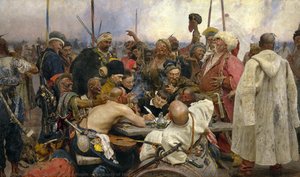
レピンの作品は、単なる写実的な描写にとどまらず、歴史的事件や人物を通して人間の心理を描き出すことに長けています。その中でも、「イワン雷帝とその息子イワン」(1885年)は、最も議論を呼んだ作品の一つです。父が息子を殺害する瞬間を捉えたこの絵画は、権力と暴力、そして後悔というテーマを深く掘り下げています。「ザポロージャ・コサックのトルコへの手紙」(1880-91年)は、ウクライナのコサックたちが自由と独立を求めて戦った歴史を描き出し、その勇壮な姿とユーモラスな手紙が、見る者の心を捉えます。レピンはまた、レオ・トルストイやモーデスト・ムソルグスキーなど、当時の文化人たちの肖像画も数多く残しました。これらの肖像画は、単なる外見の描写にとどまらず、彼らの個性や内面を深く理解した上で描かれており、レピンの卓越した観察眼と表現力を物語っています。遺産と影響:ロシア美術における確固たる地位
20世紀に入り、ロシア革命が起こると、レピンは一時的にフィンランドに亡命しました。しかし、その後も精力的に作品を制作し続けました。彼の作品は、社会の現実を鋭く描き出しながらも、人間の尊厳と希望を失わないという普遍的なテーマを追求しており、時代を超えて人々の心を捉えます。レピンの芸術的功績は、ロシア美術史において確固たる地位を確立しています。彼は、写実主義の巨匠として、後世の多くの芸術家に影響を与え、その作品は今もなお世界中の美術館で高く評価されています。彼の故郷であるクオッカラ(現在のレピノ)には、レピン記念館があり、彼の生涯と作品に触れることができます。レピンの遺産は、単なる絵画作品にとどまらず、ロシア文化全体を豊かに彩るものであり、これからも多くの人々に感動を与え続けるでしょう。主要作品
- ヴォルガの荷役人:社会的不平等を告発する写実主義の傑作
- ザポロージャ・コサックのトルコへの手紙:ウクライナの自由と独立を象徴する作品
- イワン雷帝とその息子イワン:権力と暴力、後悔を描いた心理劇
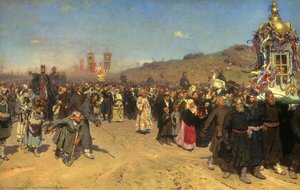
- 宗教的巡礼行列(クルスク地方にて):ロシア社会の多様性を描いた作品
- レオ・トルストイの肖像:文化人たちの内面を深く理解した肖像画
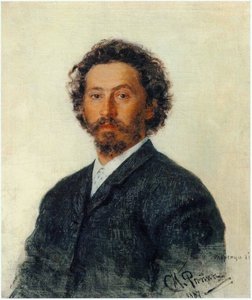
イリヤ・エフモヴィチ・レピン
1844 - 1930 , ロシア
基本情報
- フルネーム: イリヤ・エフモヴィチ・レピン
- 主な作品:
- ヴォルガの船曳き
- ザポロージャ・コサックの返答
- イワン雷帝とその子イワン
- 出生地: チュグイェフ(ロシア/ウクライナ)
- 国籍: ロシア
- 影響を与えた芸術家または運動: ['社会主義リアリズム']
- 影響を受けたアーティスト:
- イヴァン・クRAMSKOI
- ウラジーミル・スタソフ
- 死亡年月日: 1930年9月29日
- 生年月日: 1844年8月5日
- 芸術運動またはスタイル: 写実主義
関連記事
Ilya Repin: Realism, Revolution & the Russian Soul – A Comprehensive Exploration of Life and Legacy
Explore the life & legacy of Ilya Repin, Russia's leading realist painter. Discover his iconic works like 'Barge Haulers on the Volga,' social commentary, and profound portraits. A comprehensive guide for art enthusiasts.
Alexei Bogolyubov: Bridging Realism & Romanticism in the Russian Landscape Tradition
Explore the captivating world of Alexei Bogolyubov, a master of Russian Realism & Romanticism. Discover his stunning landscapes, maritime scenes, and lasting influence on 19th-century art. Learn more at ArtsDot.
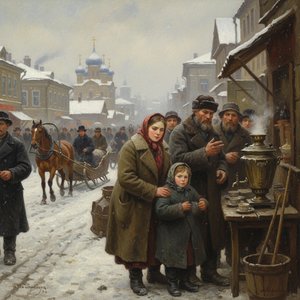
Vladimir Makovsky: Realism, Social Commentary & Russian Life in Late 19th-Century Painting
Explore the captivating world of Vladimir Makovsky, a leading Russian realist painter. Discover his insightful depictions of 19th-century life, social commentary & legacy with ArtsDot.
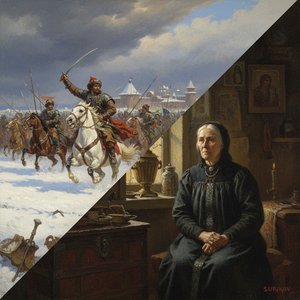
Vasily Surikov: Historical Epic & Psychological Realism in 19th-Century Russian Painting
Explore the powerful historical paintings of Vasily Surikov, a leading figure of Russian Realism. Discover his dramatic compositions, psychological depth & lasting influence on 19th-century art. Learn about collecting Surikov's masterpieces.

Ivan Bilibin: A Synthesis of Folklore, Modernism & National Identity in Russian Illustration
Explore the enchanting world of Ivan Bilibin, a master Russian illustrator who synthesized folklore, Art Nouveau & national identity. Discover his iconic fairy tale illustrations and legacy with ArtsDot.