

 プレビュー
プレビュー
 シェアする
シェアする シェアする
シェアする
 詳細を見る
詳細を見る

 ダウンロード
 似ている作品
 X線調査
X線調査 スライドショー
 統計情報
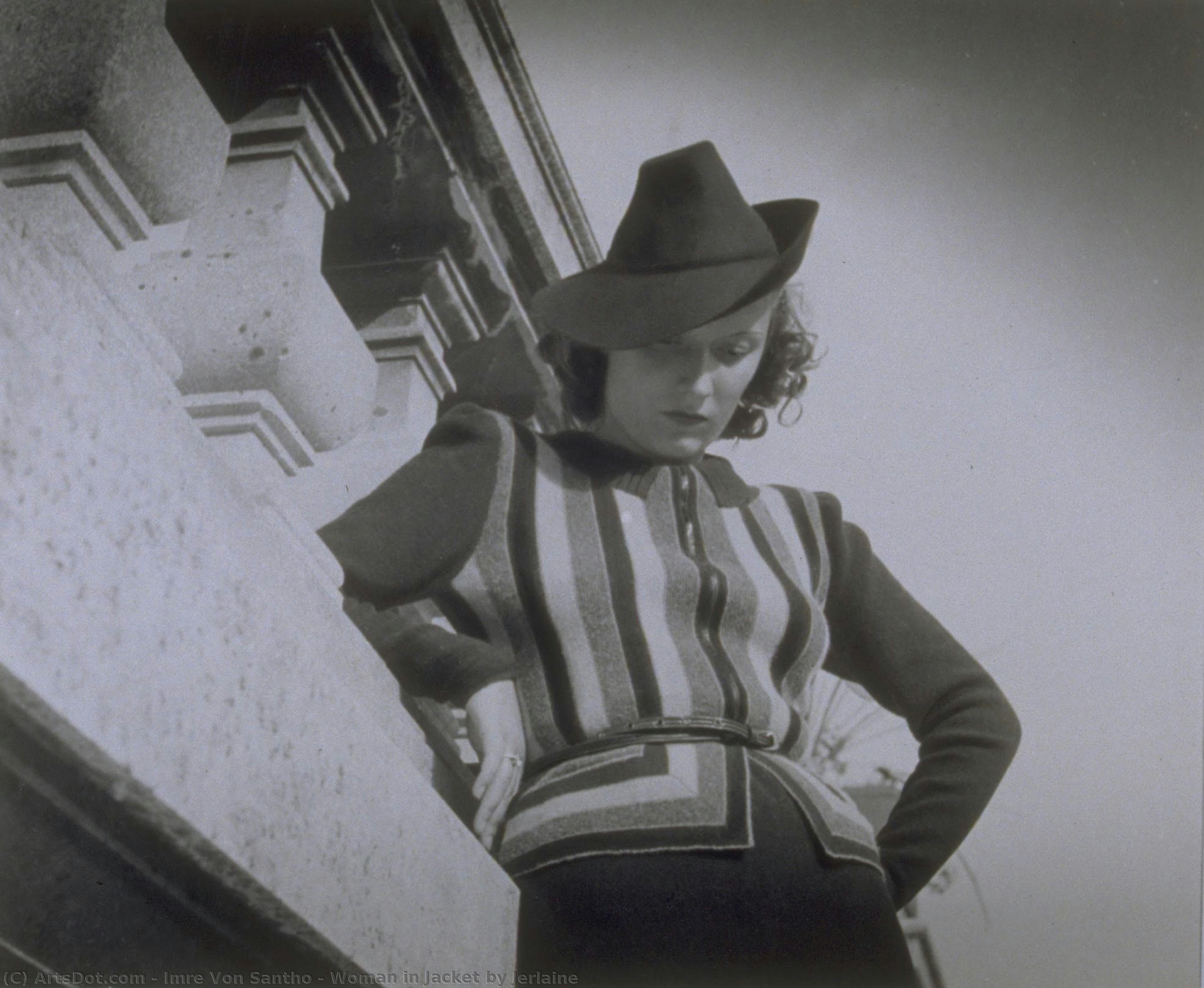
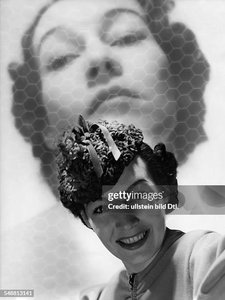
統計情報Woman in Jacket by Jerlaine
 1938
1938 21.0 x 26.0 cm
 詳細を見る
詳細を見る
ジークレー/アートプリント
迅速な制作と多彩な仕上げオプションを備えた、ミュージアムクオリティのジークレーまたはキャンバスプリント。 ( 手描きの絵画を購入 デジタル画像販売へ切り替え)




































作品のオリジナル比率に合わせた、当店の規定サイズからお選びください。

特定のフレームやスペースに合わせて、ご自身でサイズを指定することも可能です。選択されたサイズが元の画像の比率と一致しない場合、作品をトリミングするか、鏡面反射または単色での塗りつぶしによって画像を拡張いたします。制作を開始する前に、ご確認用のデジタルモックアップをお送りいたします。
画面上のプレビューには、実際のトリミングや拡張は反映されませんのでご注意ください。最終的な構図を正確に確認できるのは、モックアップのみとなります。
カスタムサイズも承っておりますが、元の比率を維持するためには、あらかじめ用意されたリストからサイズを選択することをお勧めいたします。


 ガラスオプションは、110cm未満のサイズでのみご利用いただけます。

Woman in Jacket by Jerlaine
ジークレー/アートプリント
複製画のサイズ
-


合計金額
$ 62
関連作品







アーティストの略歴
A Life in Light and Shadow: Imre von Santho and the Elegance of Interwar Europe
Imre Szántó, known to the world as Imre von Santho, was a figure who embodied the glamour and underlying anxieties of a continent poised between eras. Born in Budapest in 1895, his journey led him from the vibrant artistic circles of Hungary to the bustling metropolises of Berlin and Vienna – cities that would become both his canvas and his muse. While officially documented as a fashion photographer and illustrator, Santho’s story is far more nuanced, interwoven with threads of eroticism, political currents, and a remarkable ability to capture the spirit of a generation. He navigated a complex landscape, leaving behind a legacy of striking images that continue to fascinate and provoke discussion today. His early life in Budapest provided a foundation for his artistic sensibilities, though details remain somewhat elusive. The move to Berlin after World War I proved pivotal; it was here he began to forge his professional identity, adopting the more sophisticated moniker “Imre von Santho” for his commercial work and signing his more intimate illustrations as "I. de Chanteau." This duality hints at a deliberate separation between his public persona and a hidden artistic exploration of sensuality.The Berlin Years: Agency Work and Artistic Flourishing
The 1920s saw Santho establish himself within the thriving German art scene. He quickly became associated with Agentur Schostal, a prominent photographic agency headquartered in Vienna but boasting branches across Europe – Paris, Milan, Stockholm, and of course, Berlin. This affiliation was crucial to his success, providing access to a wide network of clients including leading fashion magazines such as Die Dame, Die Woche, and Uhu. Santho’s work during this period wasn't merely about documenting clothing; it was about constructing an image of modern femininity, one that balanced sophistication with a subtle undercurrent of desire. He possessed a keen eye for composition, utilizing dramatic lighting and elegant posing to elevate his subjects beyond simple models. His studio on Tiergartenstrasse became a hub for creative energy, attracting collaborators like the celebrated German “supermodel” Karen Stilke. The agency’s success throughout the 1930s was predicated on providing images relating to culture, fashion, and glamour – Santho was instrumental in delivering this vision. However, beneath the surface of artistic flourishing lay a growing political tension that would soon cast a long shadow over his career.Navigating Troubled Times: Collaboration and Controversy
The rise of Nazism presented an unprecedented challenge for artists across Germany. Santho’s story during this period is particularly complex and fraught with contradictions. While he ostensibly left Germany after Hitler's ascent, evidence suggests a continued presence in Berlin well into the late 1930s and even the early 1940s. This has led to speculation regarding his relationship with key figures within the Nazi regime, most notably Magda Goebbels. He was reportedly friendly with her, and some of his fashion photography from this era bears dates that challenge the narrative of a complete departure. In 1933, Goebbels established the Deutsches Modeamt (German Fashion Office) under the Ministry of Propaganda; while she was later dismissed from this role, Santho’s continued work for Der Silberspiegel, an officially sanctioned journal, raises questions about his level of collaboration. Despite the suspension of many luxury magazines in 1939, he remained a key figure in fashion photography, suggesting a degree of accommodation with the prevailing political climate.A Legacy of Elegance and Enigma
Imre von Santho’s life came to a tragic end in Frankfurt/Main in 1957. The circumstances surrounding his death remain somewhat unclear, though it is believed he took his own life out of fear of retribution due to his Jewish connections and past associations. His work, however, has experienced a resurgence in recent years, gaining recognition for its artistic merit and historical significance. Exhibitions such as “Vanity: Fashion Photography from the F.C. Gundlach Collection” at the National Museum in Kraków have brought his images to a wider audience. Santho’s photographs are not simply relics of a bygone era; they offer a glimpse into the complex social and political landscape of interwar Europe, capturing both the elegance and the underlying anxieties of a continent on the brink of change.- Key Characteristics: Dramatic lighting, elegant posing, focus on modern femininity, subtle eroticism.
- Influences: Art Deco style, Bauhaus aesthetics, the broader cultural currents of interwar Europe.
- Major Achievements: Establishing a successful career as a fashion photographer and illustrator in Berlin and Vienna, capturing the spirit of the interwar era, creating striking images that continue to resonate today.
imre von santho
1895 - 1957 , Hungary
基本情報
- Artistic Movement Or Style: Fashion photography
- Date Of Birth: 1895
- Date Of Death: 1957
- Full Name: Imre von Santho
- Nationality: Hungarian
- Notable Artworks:
- Woman in Evening Gown
- Woman in Jacket
- Jabot
- Place Of Birth: Budapest, Hungary