

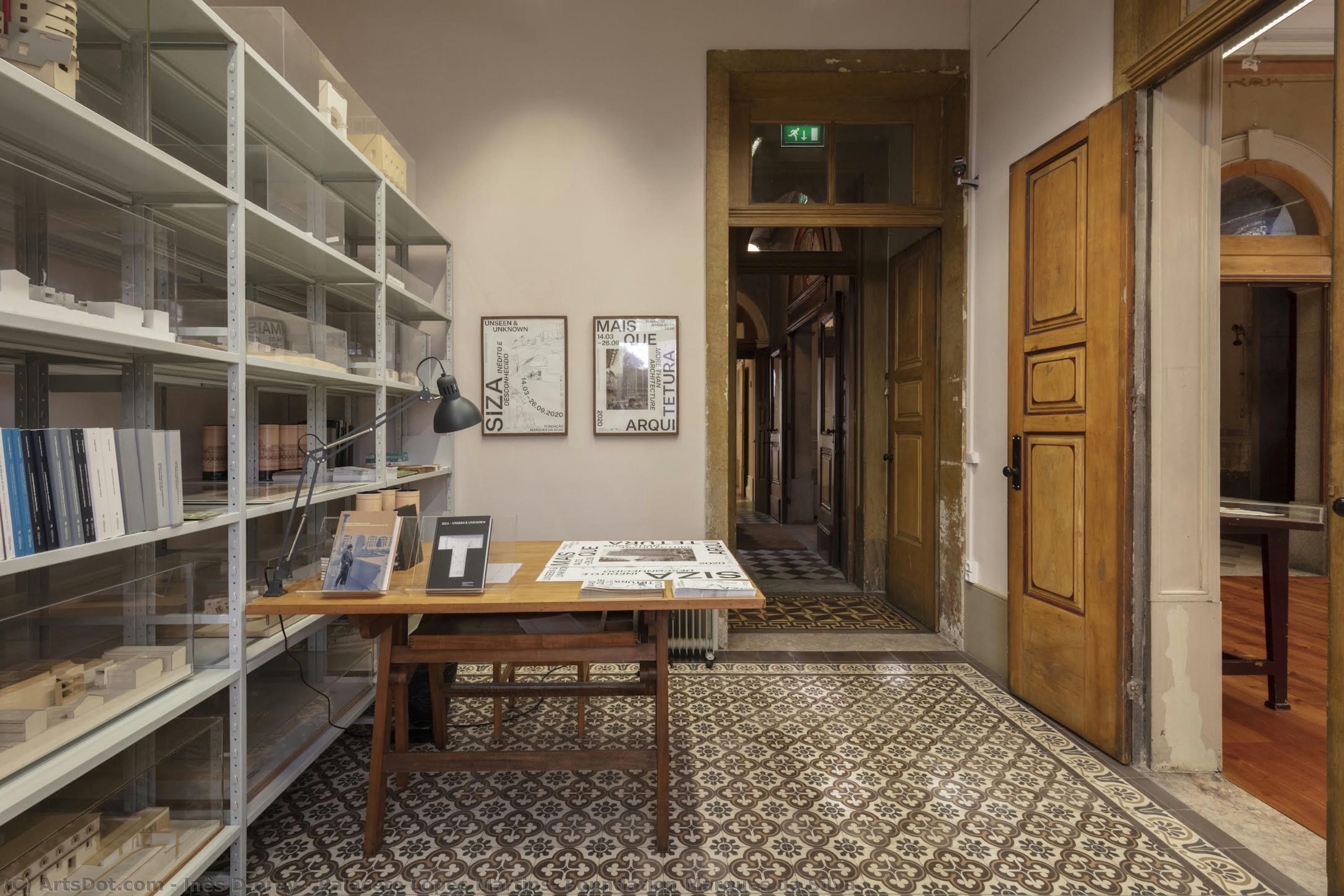
 プレビュー
プレビュー
 シェアする
シェアする シェアする
シェアする
 詳細を見る
詳細を見る

 ダウンロード
 似ている作品
 X線調査
X線調査 スライドショー
 統計情報
統計情報Palacete Lopes Martins, Foundation Marques da Silva


 詳細を見る
詳細を見る
ジークレー/アートプリント
迅速な制作と多彩な仕上げオプションを備えた、ミュージアムクオリティのジークレーまたはキャンバスプリント。 ( 手描きの絵画を購入 デジタル画像販売へ切り替え)




































作品のオリジナル比率に合わせた、当店の規定サイズからお選びください。

特定のフレームやスペースに合わせて、ご自身でサイズを指定することも可能です。選択されたサイズが元の画像の比率と一致しない場合、作品をトリミングするか、鏡面反射または単色での塗りつぶしによって画像を拡張いたします。制作を開始する前に、ご確認用のデジタルモックアップをお送りいたします。
画面上のプレビューには、実際のトリミングや拡張は反映されませんのでご注意ください。最終的な構図を正確に確認できるのは、モックアップのみとなります。
カスタムサイズも承っておりますが、元の比率を維持するためには、あらかじめ用意されたリストからサイズを選択することをお勧めいたします。


 ガラスオプションは、110cm未満のサイズでのみご利用いただけます。

Palacete Lopes Martins, Foundation Marques da Silva
ジークレー/アートプリント
複製画のサイズ
-


合計金額
$ 62
関連作品










アーティストの略歴
Kehinde Wiley: Reimagining History Through the Gaze of Black Subjects
Kehinde Wiley, born in 1977 in Los Angeles, California, is a name synonymous with a powerful and transformative shift in portraiture. His work isn’t merely about capturing likeness; it's an audacious act of reimagining history, reclaiming narratives often marginalized, and presenting the Black experience through the lens of Old Master paintings. Wiley’s journey from a challenging childhood to international acclaim is inextricably linked to his artistic vision – a vision rooted in both personal experience and a profound understanding of art historical tradition.
Wiley's early life was shaped by economic hardship and the resilience of his single mother, Freddie Mae Wiley, who ran a small thrift store. This environment instilled in him a keen awareness of social dynamics and the importance of representation. Crucially, his mother enrolled him and his brother in art classes, recognizing the potential for creative expression as an escape and a means of self-discovery. A pivotal moment occurred when they were selected to study briefly at an art conservatory near St. Petersburg, Russia – an experience that ignited a lifelong passion for portraiture and exposed them to a world beyond their immediate circumstances. This early exposure, combined with the competitive spirit he shared with his brother, fostered a dedication to capturing realistic likenesses, laying the foundation for his distinctive style.
The Influence of Old Masters and a New Narrative
Wiley’s artistic approach is immediately recognizable: he meticulously recreates the poses, costumes, and settings of iconic paintings from the 15th to 18th centuries – works by artists like Rembrandt, Titian, and Rubens. However, these aren't simple copies. Wiley deliberately chooses subjects who are overwhelmingly Black men, often dressed in contemporary clothing and engaging in modern activities. This juxtaposition creates a striking tension between the formality of the historical context and the lived realities of his subjects. As he himself has stated, “I’m trying to take these paintings that were made by white Europeans about European people and put them in the world today.”
The deliberate selection of these figures is not arbitrary. Wiley draws inspiration from the visual language of portraiture as a means of asserting power and agency. He elevates his subjects, transforming them into heroic figures worthy of inclusion within the canon of Western art history – a powerful act of reclamation against centuries of exclusion. His use of vibrant colors and dynamic compositions further enhances this effect, injecting energy and life into traditionally static images.
Street Art Roots and Community Engagement
While Wiley’s formal training at the Los Angeles County High School for the Arts provided him with technical skills, his artistic practice is deeply rooted in street art. He began pasting his portraits onto buildings in New York City in 1999, initially anonymously, before adopting the moniker Swoon – a reference to a dream he had. This early work was driven by a desire to make art accessible to everyday people and to challenge conventional notions of where art belongs.
This commitment to public engagement extends beyond his street art interventions. Wiley frequently collaborates with communities facing social challenges, using his art as a catalyst for dialogue and healing. His 2007 exhibition at the Columbus Museum of Art, “Going Home,” featured portraits of African American men from Atlanta’s West End neighborhood, reflecting their experiences and aspirations. This collaborative approach underscores Wiley's belief in the transformative power of art to foster social change.
Major Achievements and Recognition
Wiley’s work has garnered widespread critical acclaim and commercial success. In 2017, he was commissioned by Barack Obama to paint a portrait for the National Portrait Gallery, marking a historic moment in American art history. The painting, titled “Barack Obama,” is a masterful synthesis of Old Master technique and contemporary subject matter, capturing the President’s dignity and strength while subtly referencing his background and experiences.
Beyond the presidential portrait, Wiley's work has been exhibited extensively around the world, including major shows at institutions like the Whitney Museum of American Art in New York and the Tate Modern in London. He is considered one of the most important contemporary artists working today, whose innovative approach to portraiture continues to challenge conventions and inspire audiences.
Legacy and Historical Significance
Kehinde Wiley’s impact extends far beyond his individual artworks. He has fundamentally altered our understanding of portraiture, demonstrating its potential as a tool for social commentary and cultural critique. By reinterpreting the visual language of Western art history through the lens of Black subjects, he has not only created stunningly beautiful paintings but also challenged dominant narratives and amplified marginalized voices. Wiley’s work serves as a powerful reminder of the importance of representation and the enduring legacy of artistic innovation.
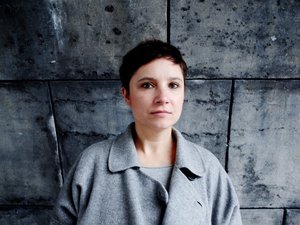
inês d'orey
1977 - , Portugal
基本情報
- Artistic Movement Or Style: Portraiture, Naturalism
- Artists Or Movements Influenced By This Artist: ['Old Master paintings']
- Artists Who Influenced This Artist: ['Gordon Matta-Clark']
- Date Of Birth: February 28, 1977
- Full Name: Kehinde Wiley
- Nationality: American
- Notable Artworks:
- Barack Obama (Painting)
- Anthropocene Extinction
- Place Of Birth: Los Angeles, California, USA