

 プレビュー
プレビュー
 プリントを購入
 シェアする
シェアする シェアする
シェアする


 ダウンロード
 似ている作品
 X線調査
X線調査 スライドショー
Portrait of Don Diego Felix de Esquivel y Aldama


バルトロメ・エステバン・ムリーリョ(1618 – 1682)
バルトロメ・エステバン・ムリーリョ(1618-1682)は、スペイン・バロックを代表する画家。セビリアの日常生活や宗教的テーマを情感豊かに描き、特に「無原罪の御宿命」シリーズで知られる。その光輝く作風は後世に大きな影響を与えた。
デンバー美術館(デンバー, アメリカ合衆国)
デンバー美術館の公式サイト。コロラド州を代表する文化拠点として、アメリカ・インディアン美術、モダン&コンテンポラリーアート、アフリカ美術、オセアニア美術など、7万点を超える貴重なコレクションをご紹介します。
The Gaze and the Golden Light: Bartolomé Esteban Murillo’s Portrait
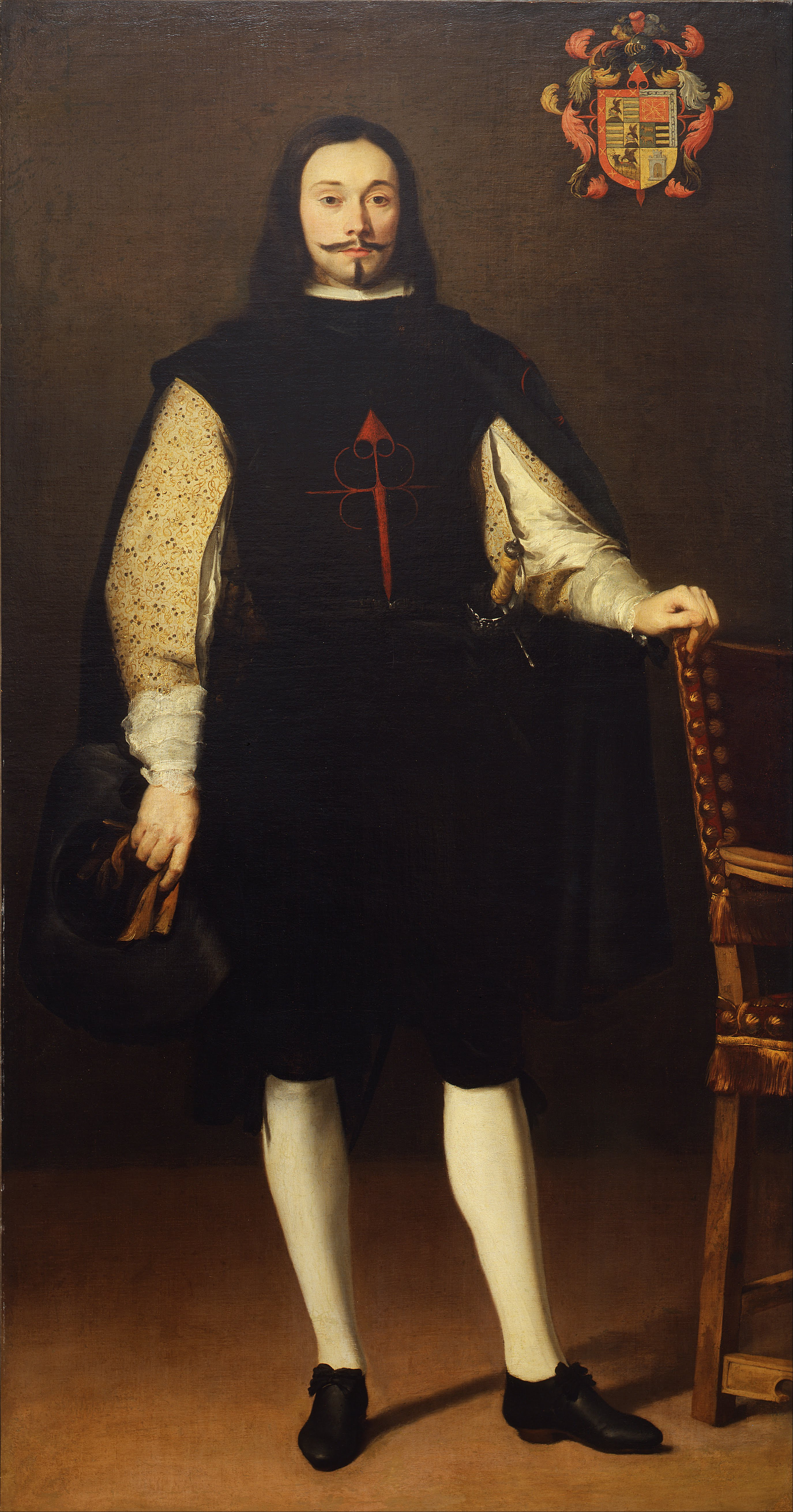
Bartolomé Esteban Murillo's “Portrait of Don Diego Felix de Esquivel y Aldama” is more than a simple likeness; it’s a carefully constructed tableau vivant, a window into the refined world of 17th-century Seville. Painted in 1660, this oil on canvas offers a glimpse into the social and artistic currents of Spain's Golden Age – a period defined by burgeoning wealth, religious fervor, and an exquisite appreciation for beauty. The painting immediately draws the eye to Don Diego’s direct gaze; it is not a polite, averted glance, but a deliberate engagement with the viewer, suggesting both confidence and perhaps a touch of melancholy. This intensity is masterfully achieved through Murillo's subtle manipulation of light and shadow – a technique deeply rooted in the Baroque tradition.
The Painter’s Palette: Technique and Style
Murillo's style is instantly recognizable – a harmonious blend of realism and idealized beauty. He eschewed the stark, dramatic lighting favored by earlier Baroque masters like Zurbarán, opting instead for a softer, more diffused illumination that bathes Don Diego in a warm, golden light. This “tenebrism,” as it’s often called, creates an atmosphere of intimacy and serenity. Notice how Murillo renders the textures – the velvet of his coat, the sheen of his hair, the delicate folds of his clothing. These details are rendered with remarkable precision, yet they never feel overly fussy or detailed. Instead, they contribute to a sense of tactile richness, inviting the viewer to almost reach out and touch the painting.
The composition itself is carefully balanced. Don Diego stands slightly off-center, creating a dynamic visual rhythm. The chair behind him – a simple, dark object – provides a grounding element, anchoring the figure within the space. The subtle use of color—rich browns, deep reds, and hints of gold—further enhances the painting’s luxurious feel. Murillo's mastery lies in his ability to capture not just the outward appearance of his subject but also something of his inner character.
A Seville of Wealth and Faith
To fully appreciate “Portrait of Don Diego Felix de Esquivel y Aldama,” it’s essential to understand the context in which it was created. Seville, at this time, was a thriving port city – the gateway to the Americas and a center of trade and wealth. The influx of gold and silver fueled an unprecedented economic boom, transforming the city into a dazzling metropolis filled with opulent palaces, grand churches, and bustling marketplaces. Religious faith permeated all aspects of life, and portraits like this one served not only as visual records but also as symbols of status and piety.
Don Diego’s attire—the richly embroidered coat, the elaborate hat—clearly indicates his social standing. The painting subtly reinforces this message, presenting him as a man of considerable means and influence. However, there's an underlying sense of quiet dignity in Don Diego’s demeanor that transcends mere material wealth. He embodies the values of the era – honor, loyalty, and faith – qualities highly prized by Spanish society.
Symbolism and Emotional Resonance
Beyond its surface beauty, “Portrait of Don Diego Felix de Esquivel y Aldama” is rich in symbolic meaning. The direct gaze invites contemplation, suggesting a depth of character beyond the visible. The pose itself—standing upright, shoulders squared—conveys confidence and self-assurance. While the painting offers no explicit narrative, it evokes a powerful sense of timelessness – a reminder that human emotions and aspirations remain remarkably consistent across centuries. It’s a portrait not just of a man, but of an era, captured in all its splendor and complexity.
作品詳細
- 作品名: Portrait of Don Diego Felix de Esquivel y Aldama
- 作家: バルトロメ・エステバン・ムリーリョ
- 制作年: 1660
- 技法: Tall
- 著作権の状態: パブリックドメイン
- 展示場所: デンバー美術館
- 制作時期: Mature Period
- カラーパレット: Earthy
- 用途: Statement
- キーワード: religious art , seville , murillo
作品詳細
- Location: Denver Art Museum
- Movement: Baroque
- Subject or theme: Portrait of a man
- Title: Portrait of Don Diego Felix de Esquivel y Aldama
- Influences:
- Zurbarán
- Velázquez
- Artistic style: Spanish Baroque
- Year: 1660
QRコード


