

 プレビュー
プレビュー
 プリントを購入
 シェアする
シェアする シェアする
シェアする
 詳細を見る
詳細を見る

 ダウンロード
 似ている作品
 X線調査
X線調査 スライドショー
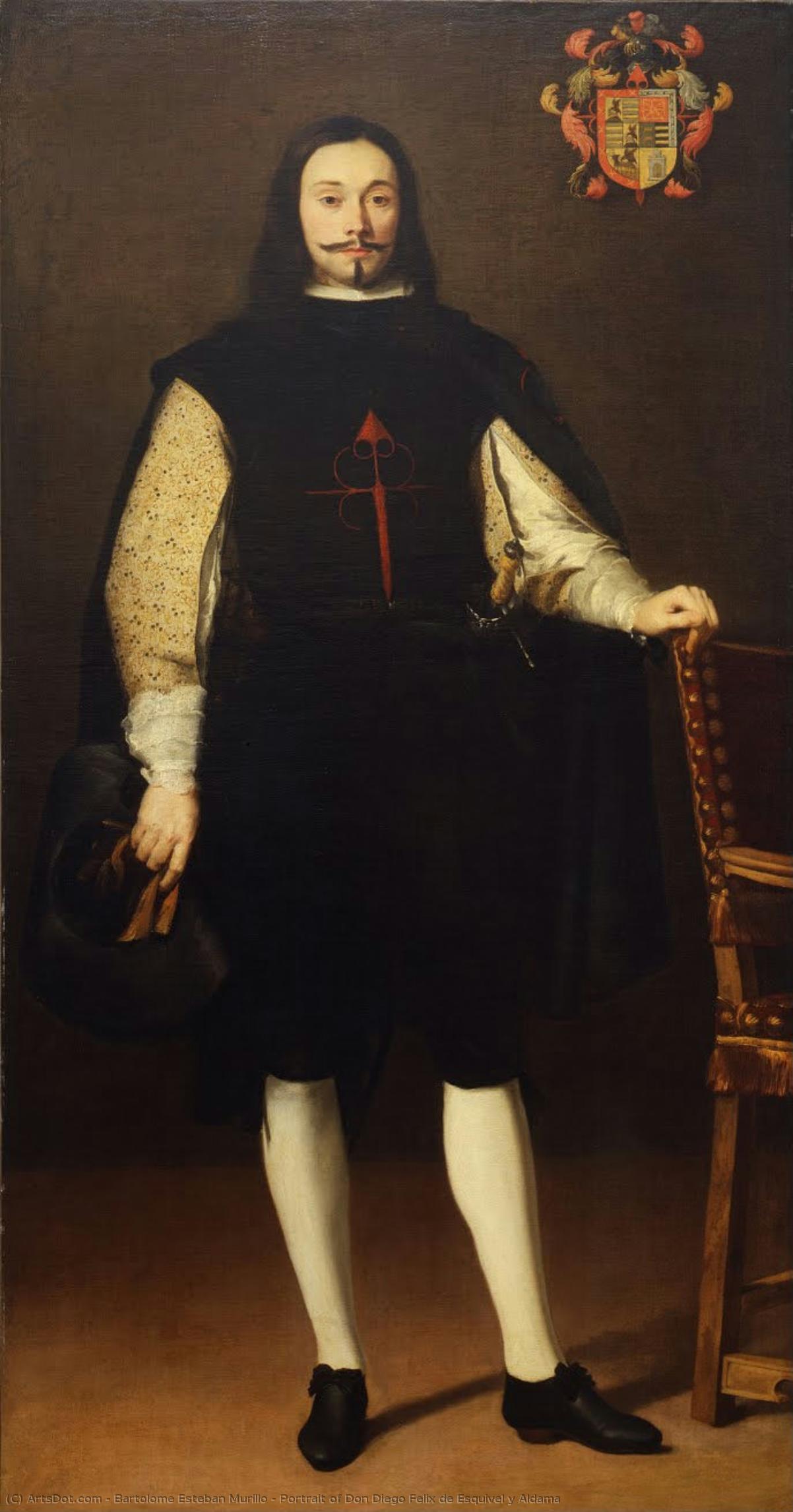
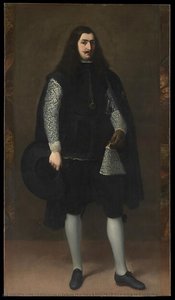
Portrait of Don Diego Felix de Esquivel y Aldama


 詳細を見る
詳細を見る
オンラインプレビューをはるかに凌ぐ、高解像度で鮮明なデジタル画像をご購入いただけます。
各ファイルは、社内の専門家が高度なツールと熟練した手作業によるレタッチを用いて、細心の注意を払って準備されています。すべての画像において、卓越した鮮明度、正確な色彩再現性、そして繊細なディテールを保証いたします。
最終ファイルは、プロフェッショナルな編集・印刷環境ですぐにご利用いただけるよう最適化された状態で、72時間以内にメールにてお届けいたします。これは、一流のデザインスタジオ、出版社、ギャラリーから信頼されているものと同等の品質です。
デジタル画像のご注文に付随する特典
高品質なデジタル画像配信を、確かな品質で。
ArtsDot.com を選ぶことは、単に画像を手に入れることではありません。それは、プロの手によって精密に仕上げられ、満足保証が付いた高品質なデジタルアートワークを受け取ることを意味します。ご注文いただいた際に自動的に付随する内容は、以下の通りです:

メールですぐにお届け
ご注文から72時間以内に、高解像度のデジタル画像ファイルがメールでお手元に届きます。すぐにそのままご利用いただけます。

AI技術で最適化されたデジタルファイル
お客様の作品は、高度なAIツールと専門家による手作業の編集を組み合わせてプロフェッショナルに最適化されており、細部のディテール、鮮明さ、そして正確な色再現性を最大限に引き出しています。

一生涯無料の再送サービス
ファイルを誤って削除したり、紛失してしまったりしましたか?ご安心ください。いつでも無料で再送いたします。

輸入手数料は一切かかりません
関税や手数料、配送料を気にすることなく、お気に入りのアートワークをすぐにお楽しみいただけます。デジタルダウンロードは常に免税です。

色彩再現の保証
プロ仕様のツールとカラーマネジメント技術を用いることで、デジタル画像が元の色を最大限に忠実に再現することを保証いたします。

60日間満足保証
ご購入いただいたデジタル画像にご満足いただけない場合は、60日以内であれば、修正または100%の返金(理由を問う必要はありません)をさせていただきます。

100% 返金保証
ご満足いただけない場合は、デジタルファイルを受け取ってから60日以内であれば、理由を問わず全額返金いたします。

まとめ買い割引
3枚購入で10%OFF - 5枚購入で15%OFF - 10枚以上購入で20%OFF。クリエイティブなプロジェクト、ギャラリー、エージェンシーに最適です。
The Gaze and the Golden Light: Bartolomé Esteban Murillo’s Portrait
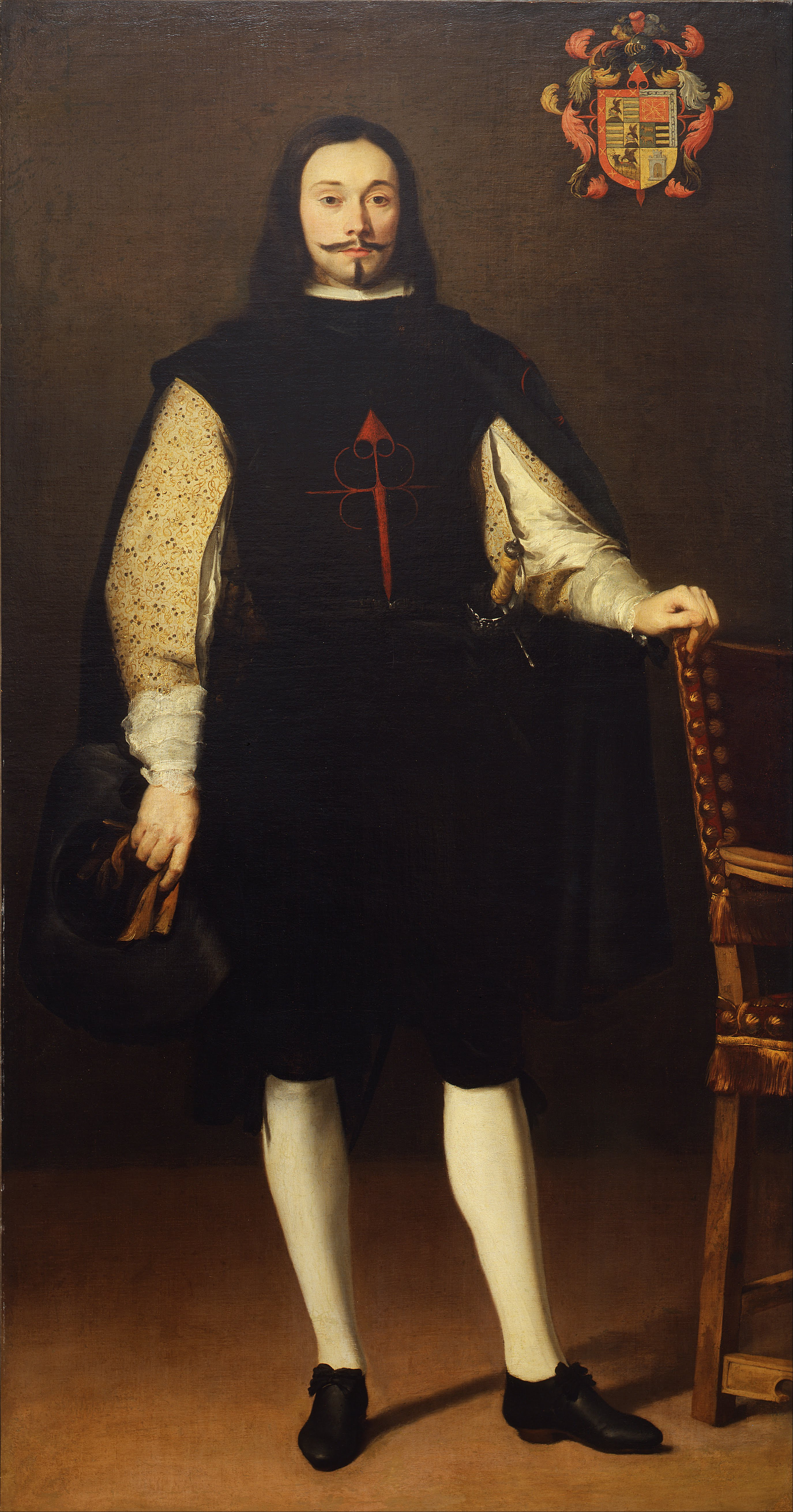
Bartolomé Esteban Murillo's “Portrait of Don Diego Felix de Esquivel y Aldama” is more than a simple likeness; it’s a carefully constructed tableau vivant, a window into the refined world of 17th-century Seville. Painted in 1660, this oil on canvas offers a glimpse into the social and artistic currents of Spain's Golden Age – a period defined by burgeoning wealth, religious fervor, and an exquisite appreciation for beauty. The painting immediately draws the eye to Don Diego’s direct gaze; it is not a polite, averted glance, but a deliberate engagement with the viewer, suggesting both confidence and perhaps a touch of melancholy. This intensity is masterfully achieved through Murillo's subtle manipulation of light and shadow – a technique deeply rooted in the Baroque tradition.
The Painter’s Palette: Technique and Style
Murillo's style is instantly recognizable – a harmonious blend of realism and idealized beauty. He eschewed the stark, dramatic lighting favored by earlier Baroque masters like Zurbarán, opting instead for a softer, more diffused illumination that bathes Don Diego in a warm, golden light. This “tenebrism,” as it’s often called, creates an atmosphere of intimacy and serenity. Notice how Murillo renders the textures – the velvet of his coat, the sheen of his hair, the delicate folds of his clothing. These details are rendered with remarkable precision, yet they never feel overly fussy or detailed. Instead, they contribute to a sense of tactile richness, inviting the viewer to almost reach out and touch the painting.
The composition itself is carefully balanced. Don Diego stands slightly off-center, creating a dynamic visual rhythm. The chair behind him – a simple, dark object – provides a grounding element, anchoring the figure within the space. The subtle use of color—rich browns, deep reds, and hints of gold—further enhances the painting’s luxurious feel. Murillo's mastery lies in his ability to capture not just the outward appearance of his subject but also something of his inner character.
A Seville of Wealth and Faith
To fully appreciate “Portrait of Don Diego Felix de Esquivel y Aldama,” it’s essential to understand the context in which it was created. Seville, at this time, was a thriving port city – the gateway to the Americas and a center of trade and wealth. The influx of gold and silver fueled an unprecedented economic boom, transforming the city into a dazzling metropolis filled with opulent palaces, grand churches, and bustling marketplaces. Religious faith permeated all aspects of life, and portraits like this one served not only as visual records but also as symbols of status and piety.
Don Diego’s attire—the richly embroidered coat, the elaborate hat—clearly indicates his social standing. The painting subtly reinforces this message, presenting him as a man of considerable means and influence. However, there's an underlying sense of quiet dignity in Don Diego’s demeanor that transcends mere material wealth. He embodies the values of the era – honor, loyalty, and faith – qualities highly prized by Spanish society.
Symbolism and Emotional Resonance
Beyond its surface beauty, “Portrait of Don Diego Felix de Esquivel y Aldama” is rich in symbolic meaning. The direct gaze invites contemplation, suggesting a depth of character beyond the visible. The pose itself—standing upright, shoulders squared—conveys confidence and self-assurance. While the painting offers no explicit narrative, it evokes a powerful sense of timelessness – a reminder that human emotions and aspirations remain remarkably consistent across centuries. It’s a portrait not just of a man, but of an era, captured in all its splendor and complexity.
関連作品

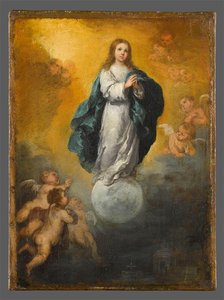
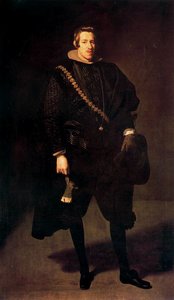
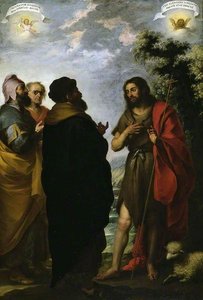
作家の略歴
アンダルシアの光に包まれた生涯
バルトロメ・エステバン・ムリーリョ。その名は、スペイン・バロック絵画の黄金時代を象徴する存在として知られています。1618年、活気あふれるセビリアの街で生まれたムリーリョは、波乱に満ちた人生を送る傍ら、宗教的な熱狂、社会の変化、そして新たな芸術的革新が芽生える時代精神を捉えた画家として花開きました。ガスパール・エステバンとマリア・ペレス・ムリーリョの間に生まれたムリーリョは、14人の兄弟姉妹がいる大家族の中で育ちました。幼少期に両親を相次いで亡くし、苦難の時代を経験しますが、その後の人生において、彼の芸術的才能を導く重要な人物となる姉の夫、フアン・アグスティン・ラガレスの庇護のもとで成長していきます。ムリーリョの初期の修行は、母親方の親戚にあたる地元の画家、フアン・デル・カスティージョのもとで始まりました。この時期に培われた基礎は、彼独自のスタイルを確立するための土台となります。セビリアで流行していた写実主義の伝統を受け継ぎながらも、スールバラン、リベラ、カーノといった巨匠たちの影響を受け、鮮烈な写実性と劇的な表現力を吸収していきます。しかし、ムリーリョの真価は、単なる模倣に留まらず、その基礎をより繊細で光輝きに満ちた、そして何よりも人間味あふれるものへと昇華させた点にあります。リアリズムから輝かしい優雅さへ
ムリーリョの芸術的旅路は、一躍して名声を得るものではなく、むしろ明確な段階を経て進化を遂げたものでした。初期の作品は、同時代の画家たちの厳格な写実主義の影響を強く受けており、細部への徹底的なこだわりと陰鬱な色彩が特徴です。1640年から50年頃に制作された「夏の擬人化(果物籠を持つ青年)」は、この時期の代表作であり、日常生活の描写が驚くほど正確に行われています。しかし、これらの初期作品の中にも、彼の成熟したスタイルを予感させる優しさや感情的な深さが垣間見えます。「若い乞食」、1645年頃に描かれたこの作品は、人間の苦しみに対する繊細な感受性を示しており、ベラスケスによる日常の人々の描写の影響を感じさせます。ムリーリョが成熟するにつれて、彼のスタイルは劇的な変貌を遂げました。同時代の画家たちの写実主義から脱却し、セビリアの裕福なブルジョワジーや貴族階級の嗜好に合致した、より洗練された美学を受け入れます。この変化は、特に宗教画において顕著であり、伝統的な図像に比類のない温かさ、優雅さ、そして感情的な親しみやすさを吹き込みました。1650年から52年の間に描かれた「聖ヒエロニモ」は、この成熟したスタイルの証であり、穏やかで光輝きに満ちた描写が静謐さと献身を湛えています。宗教的感情とジャンル画の巨匠
ムリーリョの芸術的アウトプットは非常に多様であり、宗教画、ジャンル画、肖像画、神話的な主題など、幅広い分野に及びました。しかし、彼が最も高く評価されているのは、生涯を通して彼を魅了し、数多くのバリエーションを生み出した無原罪の御宿りの描写です。繊細な筆致、鮮やかな色彩、そして優雅な構図によって特徴づけられるこれらの作品は、スペインにおける宗教画の第一人者としての彼の地位を確立しました。聖なる主題に加えて、ムリーリョは日常の人々の生活を描写することにも長けていました。花売り娘、ストリートの子供たち、そして乞食などを描いた彼のジャンル画は、17世紀のセビリアの社会現実を垣間見せてくれます。これらの絵画は単なる観察的な研究ではなく、深い共感と慈悲の念が込められており、謙虚な主題を尊厳と優雅さへと高めています。彼は幼少期の無邪気さを捉えることに並外れた才能を発揮し、子供たちを驚くほど写実的かつ愛情深く描き出しました。遺産と永続的な影響
バルトロメ・エステバン・ムリーリョがスペイン芸術、そしてヨーロッパ絵画の歴史に与えた影響は否定できません。彼は宗教的な献身と人間主義的な感情を融合させた独自のスタイルを確立し、社会階層を超えて人々の心に響く作品を生み出しました。彼の影響力はスペイン国内にとどまらず、ヨーロッパ全土の世代の芸術家たちにインスピレーションを与えました。ゲーンズボローやグレーズらは、ムリーリョの光輝きに満ちたスタイルと繊細な人間感情の描写に敬意を表しています。彼はセビリアにある自身の工房で多くの弟子を育成し、彼の芸術的遺産が後世へと受け継がれることを確実なものとしました。彼の絵画は、マドリードのプラド美術館、サンクトペテルブルクのエルミタージュ美術館、ロンドンのウォレス・コレクション、そしてサンディエゴのティムケン美術館など、世界中の著名な美術館に所蔵されており、彼の永続的な魅力と歴史的意義を物語っています。ムリーリョの芸術は、その美しさ、優雅さ、そして深い人間性によって今もなお人々を魅了し続け、スペイン・バロック絵画における最も愛され、影響力のある画家としての地位を不動のものとしています。彼の宗教的なイメージに感情的な深みを吹き込み、日常生活を共感をもって描き出す能力は、1682年の死後何世紀にもわたって人々の心を捉え続けています。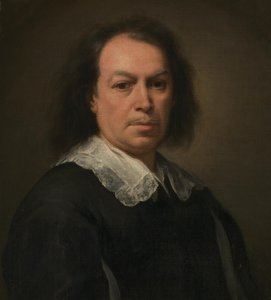
バルトロメ・エステバン・ムリーリョ
1618 - 1682 , スペイン
プロフィール概要
- Artistic Movement Or Style: バロック絵画
- Artists Or Movements Influenced By This Artist:
- ゲインズボロー
- グルーズ
- Artists Who Influenced This Artist:
- スールバラン
- リベラ
- Date Of Birth: 1618年1月1日
- Date Of Death: 1682年4月3日
- Full Name: バルトロメ・エステバン・ムリーリョ
- Nationality: スペイン人
- Notable Artworks (List Of Titles):
- 無原罪の御宿題
- 若い物乞い
- 聖ヒエロニモ
- Place Of Birth (City And Country): スペイン、セビリア

