

 プレビュー
プレビュー
 シェアする
シェアする シェアする
シェアする
 詳細を見る
詳細を見る

 ダウンロード
 似ている作品
 X線調査
X線調査 スライドショー
 統計情報
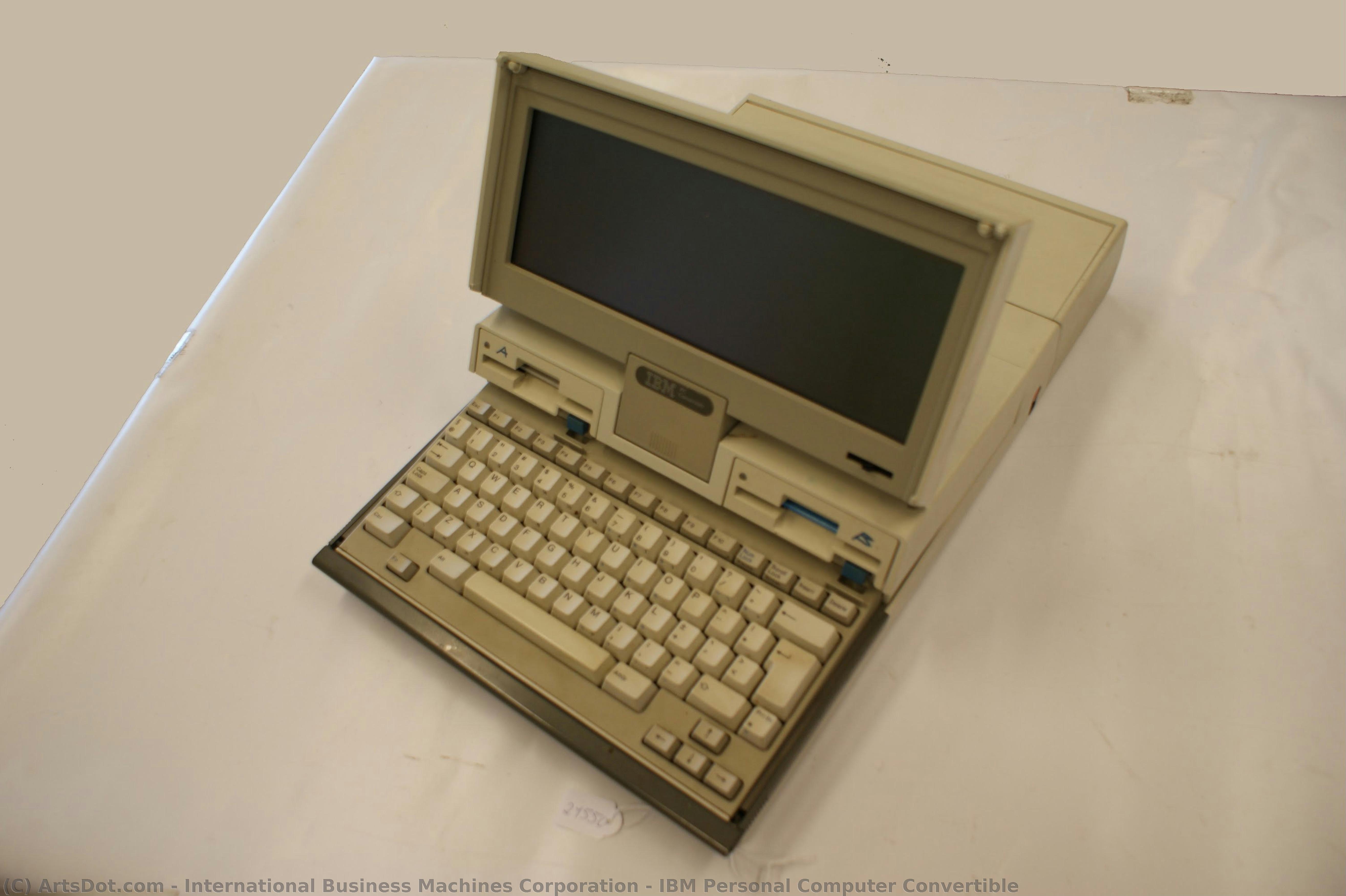
統計情報IBM Personal Computer Convertible


 詳細を見る
詳細を見る
オンラインプレビューをはるかに凌ぐ、高解像度で鮮明なデジタル画像をご購入いただけます。
各ファイルは、社内の専門家が高度なツールと熟練した手作業によるレタッチを用いて、細心の注意を払って準備されています。すべての画像において、卓越した鮮明度、正確な色彩再現性、そして繊細なディテールを保証いたします。
最終ファイルは、プロフェッショナルな編集・印刷環境ですぐにご利用いただけるよう最適化された状態で、72時間以内にメールにてお届けいたします。これは、一流のデザインスタジオ、出版社、ギャラリーから信頼されているものと同等の品質です。
デジタルアート
個人での鑑賞、印刷、クリエイティブなプロジェクト用に、高解像度ファイルをダウンロードできます。 ( プリント版に切り替え 手描きの絵画を購入)
デジタル画像のご注文に付随する特典
高品質なデジタル画像配信を、確かな品質で。
ArtsDot.com を選ぶことは、単に画像を手に入れることではありません。それは、プロの手によって精密に仕上げられ、満足保証が付いた高品質なデジタルアートワークを受け取ることを意味します。ご注文いただいた際に自動的に付随する内容は、以下の通りです:

メールですぐにお届け
ご注文から72時間以内に、高解像度のデジタル画像ファイルがメールでお手元に届きます。すぐにそのままご利用いただけます。

AI技術で最適化されたデジタルファイル
お客様の作品は、高度なAIツールと専門家による手作業の編集を組み合わせてプロフェッショナルに最適化されており、細部のディテール、鮮明さ、そして正確な色再現性を最大限に引き出しています。

一生涯無料の再送サービス
ファイルを誤って削除したり、紛失してしまったりしましたか?ご安心ください。いつでも無料で再送いたします。

輸入手数料は一切かかりません
関税や手数料、配送料を気にすることなく、お気に入りのアートワークをすぐにお楽しみいただけます。デジタルダウンロードは常に免税です。

色彩再現の保証
プロ仕様のツールとカラーマネジメント技術を用いることで、デジタル画像が元の色を最大限に忠実に再現することを保証いたします。

100日間満足保証
ご購入いただいたデジタル画像にご満足いただけない場合は、100日以内であれば、理由を問わず修正または100%の返金対応をさせていただきます。

100% 返金保証
ご満足いただけない場合は、デジタルファイルを受け取ってから100日以内であれば、理由を問わず全額返金いたします。

まとめ買い割引
3枚購入で10%OFF - 5枚購入で15%OFF - 10枚以上購入で20%OFF。クリエイティブなプロジェクト、ギャラリー、エージェンシーに最適です。
関連作品









作家の略歴
The Enduring Legacy of International Business Machines Corporation
International Business Machines Corporation, or IBM as it is universally known, occupies a unique and often paradoxical position in the history of art and technology. While immediately recognized for its pioneering role in computing—a legacy built on punched cards, mainframes, and now artificial intelligence—its contributions to the visual arts are less widely celebrated yet profoundly significant. IBM’s story isn't simply one of technological advancement; it is a narrative interwoven with industrial design, conceptual art, and a deliberate cultivation of corporate identity through aesthetic engagement. The company’s journey began in 1911 as the Computing-Tabulating-Recording Company (CTR), an amalgamation of businesses focused on automating business processes. This early focus on precision and efficiency would become a defining characteristic, subtly influencing its later artistic endeavors.
The ascent of Thomas J. Watson in 1914 marked a turning point. Watson’s vision extended beyond mere functionality; he understood the power of branding and sought to create not just products but solutions—and an image that reflected reliability and innovation. This ethos, born from the practical needs of commerce, laid the groundwork for IBM's later foray into art. The rebranding as “International Business Machines” in 1924 signaled a broadening scope, encompassing electric typewriters and other office equipment, yet the core principle remained: to provide comprehensive systems rather than isolated components.
From Industrial Design to Conceptual Interventions
IBM’s engagement with art wasn't immediate. It evolved gradually, initially manifesting in meticulous industrial design. The punch-card machines of the mid-20th century—like the type IBM 011—were not merely functional objects; they were engineered with a certain aesthetic sensibility, reflecting the streamlined forms and optimistic spirit of the post-war era. These machines, captured in vintage photographs, stand as testaments to an era where technology was perceived as inherently progressive and visually compelling. However, it was in the latter half of the 20th century that IBM’s relationship with art took a more deliberate turn, moving beyond design towards conceptual interventions.
The company began commissioning works from artists who explored themes relevant to its core business: information, communication, and the evolving relationship between humans and technology. This wasn't simply about decorating office spaces; it was about fostering dialogue and positioning IBM at the forefront of cultural discourse. A notable example is their engagement with conceptual art practices, which challenged traditional notions of authorship and ownership—themes that resonated with IBM’s own complex corporate structure and its role in shaping the digital landscape.
The System/360 Era and the Rise of “Big Blue”
The introduction of the System/360 family of mainframe computers in the 1960s cemented IBM's dominance. This wasn’t just a technological breakthrough; it was a holistic approach, offering hardware, software, and service agreements—a complete ecosystem designed to foster client loyalty. This period also saw the emergence of the nickname “Big Blue,” reflecting both the color of its computers and its imposing presence in the industry. The company's success wasn’t solely based on innovation; it was built on a carefully cultivated image of reliability, expertise, and forward-thinking leadership.
As IBM became synonymous with computing power, its artistic commissions reflected this growing influence. The works often explored the abstract concepts of data processing, information flow, and the potential—and limitations—of artificial intelligence. This period also saw a rise in corporate art collections as a means of projecting an image of sophistication and cultural awareness.
Navigating Challenges and Reinventing Identity
The late 1980s and 1990s presented significant challenges for IBM. The mainframe-centric corporation struggled to adapt to the rapid pace of technological change, facing substantial losses in the early 1990s. This period forced a reevaluation of its core identity and a renewed focus on innovation. The company’s artistic endeavors also underwent a transformation, reflecting this shift.
IBM increasingly commissioned works that explored themes of globalization, interconnectedness, and the digital revolution. The emphasis shifted from celebrating computing power to examining its societal impact—a more nuanced and self-aware approach. Today, IBM continues to support art initiatives, recognizing the value of creative expression in fostering innovation and shaping public perception. The company’s legacy extends beyond technological advancements; it is a testament to the enduring power of aesthetic engagement in building brand identity and navigating an ever-changing world.
Historical Significance & Contemporary Relevance
IBM's contribution to art history lies not in producing a specific style or movement, but in its deliberate cultivation of a corporate aesthetic. It demonstrated how large organizations can leverage art as a strategic tool—to foster innovation, build brand loyalty, and engage with complex cultural issues. The company’s early embrace of industrial design foreshadowed the growing importance of user experience and visual appeal in technology.
Furthermore, IBM's engagement with conceptual art practices challenged traditional notions of authorship and ownership, paving the way for new forms of artistic expression. Today, as artificial intelligence continues to reshape our world, IBM’s legacy remains profoundly relevant. The questions raised by its earlier commissions—about the relationship between humans and technology, the nature of information, and the ethical implications of innovation—are more pressing than ever. IBM's story serves as a compelling reminder that art and technology are not mutually exclusive domains but rather interconnected forces shaping our understanding of the world.
プロフィール概要
- Date Of Death: Living
- Full Name: International Business Machines Corp.
- Notable Artworks:
- Punch card puncher for 80-row cards
- Melted computer
- IBM Personal Computer Convertible