

 プレビュー
プレビュー
 プリントを購入
 シェアする
シェアする シェアする
シェアする
 詳細を見る
詳細を見る

 ダウンロード
 似ている作品
 X線調査
X線調査 スライドショー
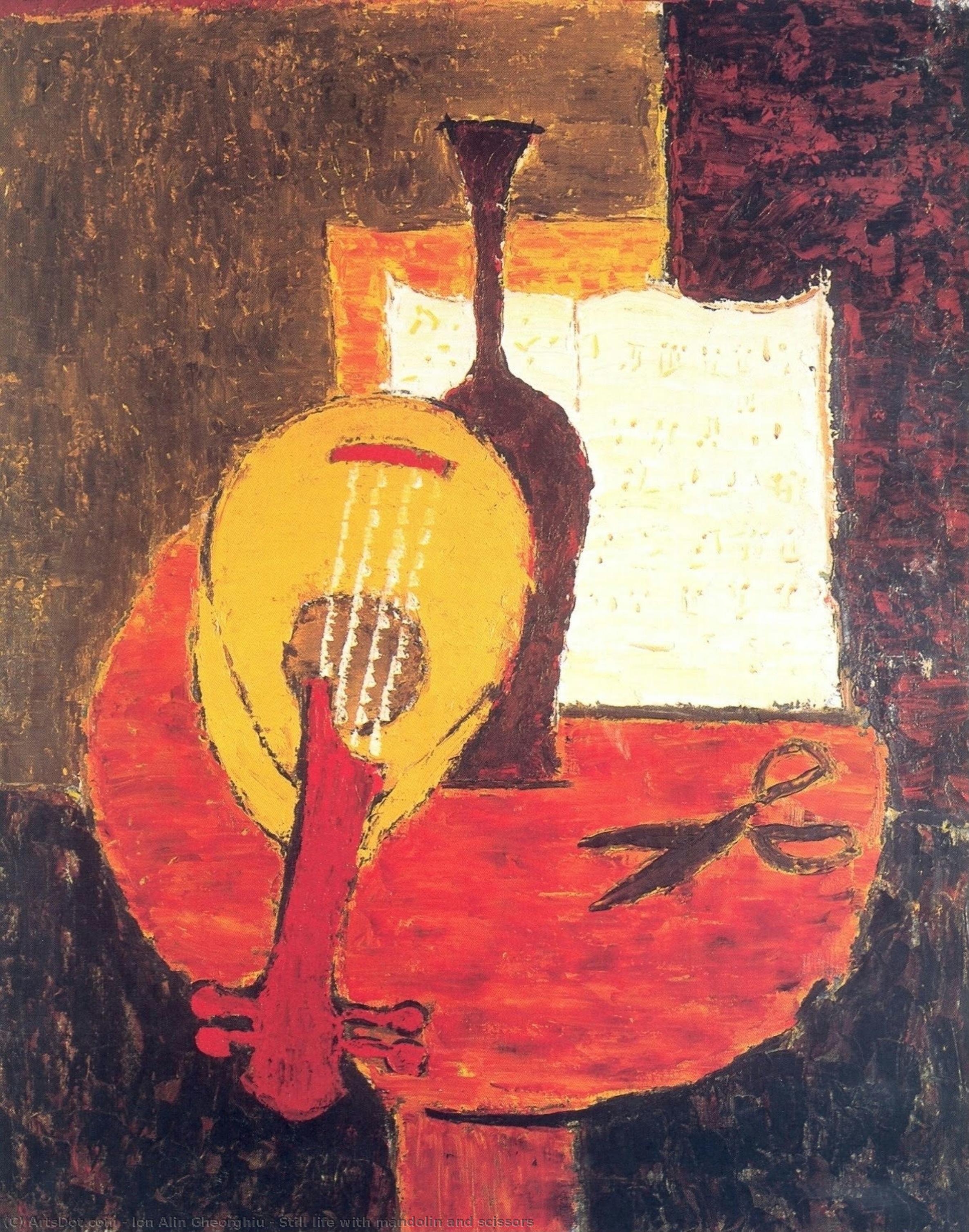
Still life with mandolin and scissors
 Oil
Oil- WallArt
- Abstract Art
 Modern
 100.0 x 81.0 cm
 議事堂 - 国会議事堂 (Palace of Parliament - Chamber of Deputies)
 詳細を見る
詳細を見る




































作品のオリジナル比率に合わせた、当店の規定サイズからお選びください。

特定のフレームやスペースに合わせて、ご希望のサイズをご入力いただけます。選択されたサイズが元の画像の比率と異なる場合、アートワークをトリミングするか、手描きで要素を追加して絵画を拡張いたします。デジタルモックアップ を制作し、制作開始前にご確認(承認)をいただきます。
画面上のプレビューは、実際のトリミングや拡張を正確に反映しているものではありません。最終的な構図は、モックアップによってのみ正確にご確認いただけます。
カスタムサイズもご利用いただけますが、元の比率を維持するためには、あらかじめ用意されたリストからサイズを選択することをお勧めいたします。
ご注文後、ArtsDot.com チームより詳細な指示をお送りするとともに、仕上がりイメージ(モックアップ)をご提供いたします。


 ガラスオプションは、110cm未満のサイズでのみご利用いただけます。

Still life with mandolin and scissors
複製技法
複製画のサイズ
-


合計金額
$ 263
A Symphony of Crimson and Shadow
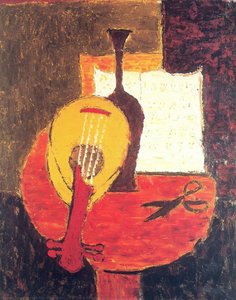
In the quiet intimacy of Ion Alin Gheorghiu’s Still Life with Mandolin and Scissors, the viewer is invited into a world where everyday objects transcend their physical forms to become vessels of melody and memory. The composition is anchored by a striking palette of deep, resonant reds that bathe the scene in a warm, inviting glow, reminiscent of a twilight study or a sun-drenched atelier. At the heart of this arrangement lies a mandolin, its curved silhouette suggesting the silent echoes of music long since played, resting alongside the sharp, utilitarian presence of scissors and the elegant neck of a central vase. The background, layered with the delicate textures of sheet music, creates a rhythmic backdrop that breathes life into the stillness, turning a simple collection of items into a poetic dialogue between sound and silence.
The technique employed in this masterpiece reflects Gheorghiu’s profound mastery over light and texture. Through deliberate brushwork, the artist achieves a tactile quality that makes the surfaces of the instruments and metalwork feel almost tangible to the touch. The interplay of light across the crimson tones creates a sense of depth and movement, guiding the eye from the lyrical curves of the mandolin to the precise, geometric lines of the scissors. This careful manipulation of color and form demonstrates a sophisticated understanding of balance, where the weight of the objects is perfectly offset by the ethereal, paper-like lightness of the musical notation behind them.
Symbolism and the Art of Presence
Beyond its visual splendor, this work serves as a profound meditation on the concept of presence. The juxtaposition of the mandolin—an instrument of art and emotion—with the scissors—a tool of precision and severance—suggests a delicate tension between creation and destruction, or perhaps the harmony found in the intersection of different life forces. The sheet music acts as a ghostly layer of history, implying that while the objects remain stationary, the ideas and melodies they represent are eternal and fluid. For the discerning collector, this painting offers more than mere decoration; it provides a window into the soul of Romanian abstract expressionism, capturing a moment of profound stillness within the passage of time.
For interior designers and lovers of fine art, Still Life with Mandolin and Scissors represents a versatile and commanding centerpiece. Its warm, monochromatic dominance allows it to integrate seamlessly into sophisticated, contemporary spaces, adding a layer of intellectual depth and emotional warmth to any room. Whether placed in a grand salon or a quiet reading nook, this reproduction brings with it the prestige of Gheorghiu’s visionary legacy, offering an evocative atmosphere that inspires contemplation and celebrates the enduring beauty of the classical still life tradition.
関連作品
アーティストの略歴
The Visionary of Shadows and Light: The Life of Ion Alin Gheorghiu
In the quiet, evocative realms of Romanian modernism, few names resonate with as much profound tension and poetic grace as Ion Alin Gheorghiu. Born in Bucharest on September 29, 1929, Gheorghiu emerged from a period of immense historical upheaval, navigating a world caught between the rigid ideological constraints of Soviet-influenced Socialist Realism and an unyielding personal desire for formalist expression. His journey was not merely one of artistic evolution, but a courageous struggle for creative autonomy. As a painter and sculptor, he possessed the rare ability to transform the mundane into the monumental, turning simple objects into vessels of deep, symbolic resonance.
Gheorghiu’s artistic foundation was laid at the Institute of Fine Arts ‘Nicolae Grigorescu,’ where he studied under the legendary Camil Ressu. This mentorship provided him with a rigorous command of classical aesthetics, yet it also planted the seeds of rebellion. His academic path was famously interrupted when his final degree piece, “Creanga si Eminescu la Iasi,” was deemed politically unacceptable by the establishment due to its perceived nationalist and formalist tendencies. This rejection forced Gheorghiu into a period of profound hardship; for years, he lived without a studio, sustaining himself through manual labor at train stations. Yet, it was within this crucible of isolation that his unique voice began to crystallize, far removed from the state-mandated narratives of his era.
A Symphony of Form and Symbolism
As the political climate in Romania shifted following the withdrawal of the Red Army in 1958, Gheorghiu’s work finally found its way into the light of national and international exhibitions. His mature style became a captivating dialogue between abstraction and figuration, where the boundaries of reality seemed to dissolve into texture and emotion. He was a master of the still life, but his compositions were never merely observational; they were psychological landscapes. In works such as Still Life with Mandolin and Scissors, he invites the viewer into an intimate, twilight world where deep, resonant crimsons and heavy shadows create a sense of timelessness.
The brilliance of Gheorghiu’s technique lies in his tactile manipulation of light and medium. He utilized deliberate brushwork to imbue surfaces with a physical presence, making the cold metal of scissors or the curved wood of a mandolin feel almost tangible. His art often explored the following thematic dualities:
- Creation and Destruction: The juxtaposition of musical instruments representing harmony against utilitarian tools suggesting severance.
- Memory and Presence: Using layered textures, such as the ghostly appearance of sheet music, to evoke a sense of history and lost melodies.
- Light and Shadow: A sophisticated use of chiaroscuro to guide the eye through complex, rhythmic compositions.
Legacy and Historical Significance
Beyond the canvas, Gheorghiu’s contribution to the sculptural arts added another dimension to his multifaceted genius. His ability to navigate the complexities of the Soviet era—maintaining an international presence despite censorship—marks him as a pivotal figure in the history of Eastern European abstraction. He did not merely exist within his time; he resisted it, using the language of myth and abstraction to preserve a sense of individual truth.
Today, Ion Alin Gheorghiu is remembered not just as a Romanian master, but as a visionary who found beauty in the intersection of silence and sound, precision and chaos. His legacy remains etched in the vibrant textures of his paintings, serving as a testament to the enduring power of the human spirit to find light even in the most shadowed historical epochs. Through his work, the ephemeral echoes of the past are made permanent, inviting every generation to rediscover the profound poetry hidden within the everyday.
ion alin gheorghiu
Romania
基本情報
- Artistic Movement Or Style: Abstract Art
- Artists Or Movements Influenced By This Artist: ['Marxism']
- Artists Who Influenced This Artist: ['Camil Ressu']
- Date Of Birth: September 29, 1929
- Full Name: Ion Alin Gheorghiu
- Nationality: Romanian
- Notable Artworks: ['Creanga si Eminescu la Iasi']
- Place Of Birth: Bucharest, Romania
関連記事
Harmonies on Canvas: Exploring the Visual Representation of Music in Art History
Explore the fascinating history of music's visual representation in art! From ancient symbolism to modern abstraction, discover how artists have captured sound and emotion on canvas. Expert insights & stunning examples.

Crimson Threads of Narrative: Exploring Symbolism & Representation in Artworks Featuring the Red Dress
Explore the rich symbolism of the red dress in art history! From ancient power displays to iconic portraits like Cézanne’s 'Madame Cezanne', discover the cultural and artistic significance behind this captivating color. Expert analysis & insights.

ジョルジュ・ブラック傑作25選:革新的なキュビスムの世界と装飾への誘い
ジョルジュ・ブラックの傑作25選。キュビスムを代表する画家、その革新的な色彩と技法に迫ります。名画から知られざる逸品まで、美術史に残る作品群をArtsDot.comで鑑賞。お部屋を彩るアートプリントも多数ご用意。今すぐオンラインでコレクションをご覧ください。
Silent Narratives: Exploring the Enduring Appeal of Still Life Painting Across Centuries
Explore the rich history of still life painting with ArtsDot. Discover Dutch Masters, decode vanitas symbolism & learn about collecting timeless art. Expert insights and museum-quality reproductions.
The Enduring Appeal of Still Life: A Historical & Contemporary Exploration
Explore the rich history & symbolism of still life painting with ArtsDot. Discover masterpieces from the Dutch Golden Age, learn about vanitas art, and find expert guidance for collecting timeless artworks.