


 プレビュー
プレビュー
 シェアする
シェアする シェアする
シェアする
 詳細を見る
詳細を見る

 ダウンロード
 似ている作品
 X線調査
X線調査 スライドショー
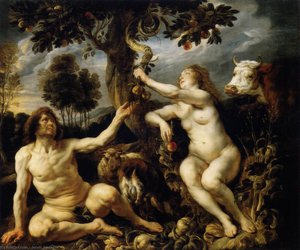
Salmacis and Hermaphroditus
 詳細を見る
詳細を見る
ジークレー/アートプリント
迅速な制作と多彩な仕上げオプションを備えた、ミュージアムクオリティのジークレーまたはキャンバスプリント。 ( 手描きの絵画を購入 画像を購入)




































作品のオリジナル比率に合わせた、当店の規定サイズからお選びください。

特定のフレームやスペースに合わせて、ご自身でサイズを指定することも可能です。選択されたサイズが元の画像の比率と一致しない場合、作品をトリミングするか、鏡面反射または単色での塗りつぶしによって画像を拡張いたします。制作を開始する前に、ご確認用のデジタルモックアップをお送りいたします。
画面上のプレビューには、実際のトリミングや拡張は反映されませんのでご注意ください。最終的な構図を正確に確認できるのは、モックアップのみとなります。
カスタムサイズも承っておりますが、元の比率を維持するためには、あらかじめ用意されたリストからサイズを選択することをお勧めいたします。


 ガラスオプションは、110cm未満のサイズでのみご利用いただけます。

Salmacis and Hermaphroditus
ジークレー/アートプリント
複製画のサイズ
-


合計金額
$ 62
関連作品





アーティストの略歴
The Visionary of the Ferrarese Landscape
Ippolito Scarsella, known affectionately to art historians as Scarsellino, emerged from the vibrant intellectual cradle of Ferrara around 1550. As a pivotal figure within the School of Ferrara, his life and work represent a profound metamorphosis in Italian painting. While much of his early biography remains shrouded in the archives of the late Renaissance, his presence is felt through the transformative way he bridged the gap between the structured elegance of Mannerism and the emotive, naturalistic pulse of the burgeoning Baroque era. Born into an environment shaped by the humanist scholarship of the Este court, Scarsella was uniquely positioned to witness the shift from idealized classical forms toward a more visceral, atmospheric observation of the world.
His artistic evolution was deeply rooted in the fertile ground of Ferrara, a city that demanded both technical mastery and intellectual depth. Unlike many of his contemporaries who sought refuge in theatrical or overly stylized compositions, Scarsellino possessed an insatiable curiosity for the natural world. He did not merely paint scenery; he studied the very breath of the earth. His canvases reveal a meticulous devotion to geological formations, the shifting nuances of light through clouds, and the delicate textures of flora. This scientific inclination, blended with a poetic sensibility, allowed him to pioneer a style of landscape painting that felt alive, capturing the psychological weight of a setting as much as its physical reality.
Mastery of Light and Atmosphere
The true genius of Scarsellino lies in his ability to manipulate light to evoke profound emotion. His technique moved away from the rigid, often artificial lighting of the Mannerist period, opting instead for a subtle interplay of tonal gradations that suggested movement and time. Through expressive brushwork and a sophisticated use of color, he created landscapes that seemed to breathe with an internal rhythm. This mastery of atmosphere served as a precursor to the great Baroque masters, influencing how future generations would approach the concept of sfumato and dramatic chiaroscuro in landscape settings.
His repertoire was remarkably diverse, seamlessly blending mythological narratives with religious devotion. In works such as Nymphs at the Bath or Salmacis and Hermaphroditus, he utilized the landscape not just as a backdrop, but as an active participant in the mythic drama, using shadows and light to heighten the tension of the classical tales. Similarly, his religious compositions, including poignant scenes like Landscape with Abraham and Isaac, demonstrate his ability to infuse sacred narratives with a sense of earthly presence and human vulnerability. This ability to marry the divine with the naturalistic is what defines his enduring legacy.
Legacy and Historical Significance
Though Scarsellino passed away in 1620, his influence rippled far beyond the borders of Ferrara. He stands as a vital link in the chain of Italian art history, providing the stylistic foundation upon which later landscape innovators built their careers. His work anticipated the atmospheric depth found in the works of Pietro Testa and the dramatic intensity of Giovanni Battista Gaulli, marking him as a true visionary of the transition into the Baroque.
To study the oeuvre of Ippolito Scarsella is to witness the birth of a new way of seeing. His contributions can be summarized through several key artistic milestones:
- The Integration of Nature and Narrative: He transformed the landscape from a secondary element into a primary vessel for storytelling and emotion.
- Pioneering Naturalism: His commitment to observing atmospheric conditions and geological accuracy helped move Italian art toward a more grounded, realistic aesthetic.
- Stylistic Bridge: He successfully navigated the transition from the complex artifice of Mannerism to the emotive power of the Baroque.
- Atmospheric Innovation: His use of light and tonal variation set a new standard for creating mood and depth in outdoor settings.
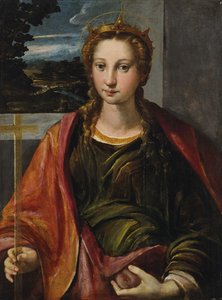
ippolito scarsella (scarsellino)
1550 - 1620 , Italy
基本情報
- Artistic Movement Or Style: Baroque
- Artists Who Influenced This Artist:
- Andrea Pozzo
- Giovanni Battista Gaulli
- Date Of Birth: 1550 (or 1551)
- Date Of Death: 1620
- Full Name: Ippolito Scarsella
- Nationality: Italian
- Notable Artworks:
- David with the Head of Goliath
- Madonna of Reggio and saints Margaret, Clare and Francis
- The Virgin Adored by Saints
- Place Of Birth: Ferrera, Italy

