

 プレビュー
プレビュー
 シェアする
シェアする シェアする
シェアする
 詳細を見る
詳細を見る

 ダウンロード
 似ている作品
 X線調査
X線調査 スライドショー
 Stats
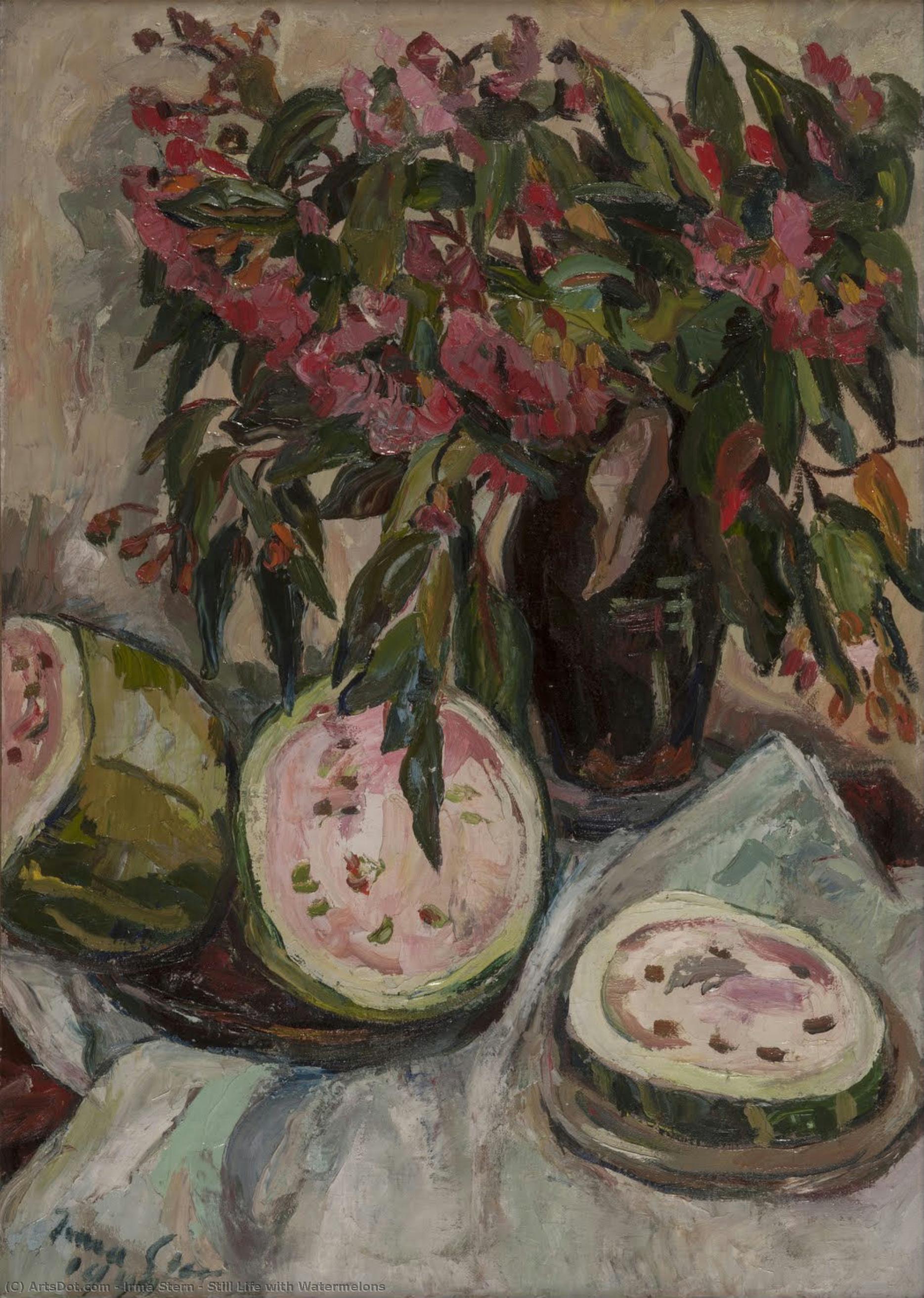
StatsStill Life with Watermelons
 1948
1948 84.0 x 60.0 cm
 University of Pretoria Museums
 詳細を見る
詳細を見る
ジークレー/アートプリント
迅速な制作と多彩な仕上げオプションを備えた、ミュージアムクオリティのジークレーまたはキャンバスプリント。 ( 手描きの絵画を購入 Switch to Digital Image)




































作品のオリジナル比率に合わせた、当店の規定サイズからお選びください。

特定のフレームやスペースに合わせて、ご自身でサイズを指定することも可能です。選択されたサイズが元の画像の比率と一致しない場合、作品をトリミングするか、鏡面反射または単色での塗りつぶしによって画像を拡張いたします。制作を開始する前に、ご確認用のデジタルモックアップをお送りいたします。
画面上のプレビューには、実際のトリミングや拡張は反映されませんのでご注意ください。最終的な構図を正確に確認できるのは、モックアップのみとなります。
カスタムサイズも承っておりますが、元の比率を維持するためには、あらかじめ用意されたリストからサイズを選択することをお勧めいたします。


 ガラスオプションは、110cm未満のサイズでのみご利用いただけます。

Still Life with Watermelons
ジークレー/アートプリント
複製画のサイズ
-


合計金額
$ 62
関連作品





アーティストの略歴
A Life Defined by Movement and Color
The story of Irma Stern is one of profound movement, a life lived between the vibrant landscapes of South Africa and the avant-garde studios of Germany. Born in 1894 in the small Transvaal town of Schweizer-Reneke to German-Jewish parents, her early years were shaped by the turbulent winds of the Second Boer War. As her father was interned in a concentration camp due to his pro-Boer sympathies, young Irma and her brother were moved to Cape Town, an experience that planted the seeds of resilience within her soul. This duality of identity—rooted in the African soil yet deeply connected to European intellectualism—would become the heartbeat of her artistic journey. Her frequent travels between these two worlds did more than just provide new scenery; they forged a unique perspective that allowed her to bridge the gap between colonial tradition and modern expression.
Her formal artistic awakening occurred in the heart of Germany’s burgeoning modernism. Studying at the Grand-Ducal Saxon Art School in Weimar and later at the Levin-Fuchke Studio in Berlin, Stern found herself immersed in a revolution of form and feeling. Most significantly, her mentorship under Max Pechstein, a titan of the German Expressionist movement, fundamentally altered her creative DNA. From Pechstein, she learned to move beyond mere representation, embracing the Expressionist ethos of using color as a direct conduit for emotion. By the time she held her first exhibition in Berlin in 1919, Stern was no longer just a student; she was a burgeoning force in the international art scene, a member of the influential Novembergruppe, and an artist capable of translating the raw energy of life onto canvas.
The Pulse of Expressionism and African Soul
When Stern returned to South Africa in 1920, she brought with her a visual language that was nothing short of incendiary. To the conservative, colonial art circles of Cape Town, her work appeared radical, even scandalous. Her use of bold, unapologetic colors—deep crimsons, sun-drenched yellows, and electric blues—clashed violently with the muted, academic styles prevalent at the time. There were even instances where the authorities were called to investigate her work for public indecency, yet Stern remained undeterred. She did not seek to please the critics; she sought to capture the vibrancy of existence. Her technique, characterized by energetic, thick brushstrokes and a rhythmic application of paint, gave her subjects a palpable sense of life and movement.
As her career matured, Stern’s travels through Africa, Zanzibar, and the Congo became the primary fuel for her creative fire. She viewed Africa not merely as a subject, but as her "Paradise"—a source of spiritual and aesthetic truth. Her paintings from these periods are masterclasses in Fauvist and Expressionist sensibilities, where the human form and the natural landscape merge into a singular, rhythmic composition. Whether she was depicting the intimate details of a still life or the sweeping dignity of African portraits, her work always maintained an intense focus on the "source of the beginning." She possessed a rare ability to find the universal within the local, turning specific cultural encounters into timeless explorations of human emotion and natural beauty.
A Lasting Legacy of Artistic Courage
The historical significance of Irma Stern lies in her role as a pioneer who forced the South African art world to confront modernity. While she faced initial derision, by the 1940s, she had emerged as an established and celebrated figure. Her courage to break ties with Germany during the era of National Socialism and her refusal to conform to the stifling social norms of her time allowed her to maintain an authentic, uncompromised voice. She was a prolific creator, leaving behind a massive body of work that includes paintings, sculptures, and ceramics, all unified by her signature pursuit of truth through color.
Today, Stern’s legacy is preserved not only in prestigious galleries worldwide but also through the Irma Stern Museum in Cape Town. Her life serves as a testament to the power of artistic wandering—the idea that by traversing different cultures and confronting different hardships, one can arrive at a deeper understanding of beauty. She remains an icon of South African modernism, an artist whose work continues to pulse with the same raw, infectious energy that first shocked the world decades ago.
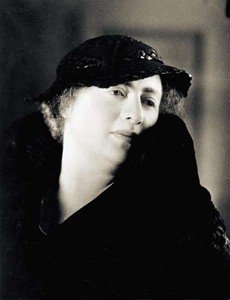
Irma Stern
1894 - 1966 , South Africa
基本情報
- Artistic Movement Or Style: Expressionism & Fauvism
- Artists Or Movements Influenced By This Artist: ['Pablo Picasso']
- Artists Who Influenced This Artist: ['Max Pechstein']
- Date Of Birth: October 2, 1894
- Date Of Death: August 23, 1966
- Full Name: Irma Analize Stern
- Nationality: South African
- Notable Artworks:
- Still Life with Watermelons
- Still Life
- Place Of Birth: Schweizer-Reneke, South Africa