

 プレビュー
プレビュー
 シェアする
シェアする シェアする
シェアする
 詳細を見る
詳細を見る

 ダウンロード
 似ている作品
 X線調査
X線調査 スライドショー
 Stats
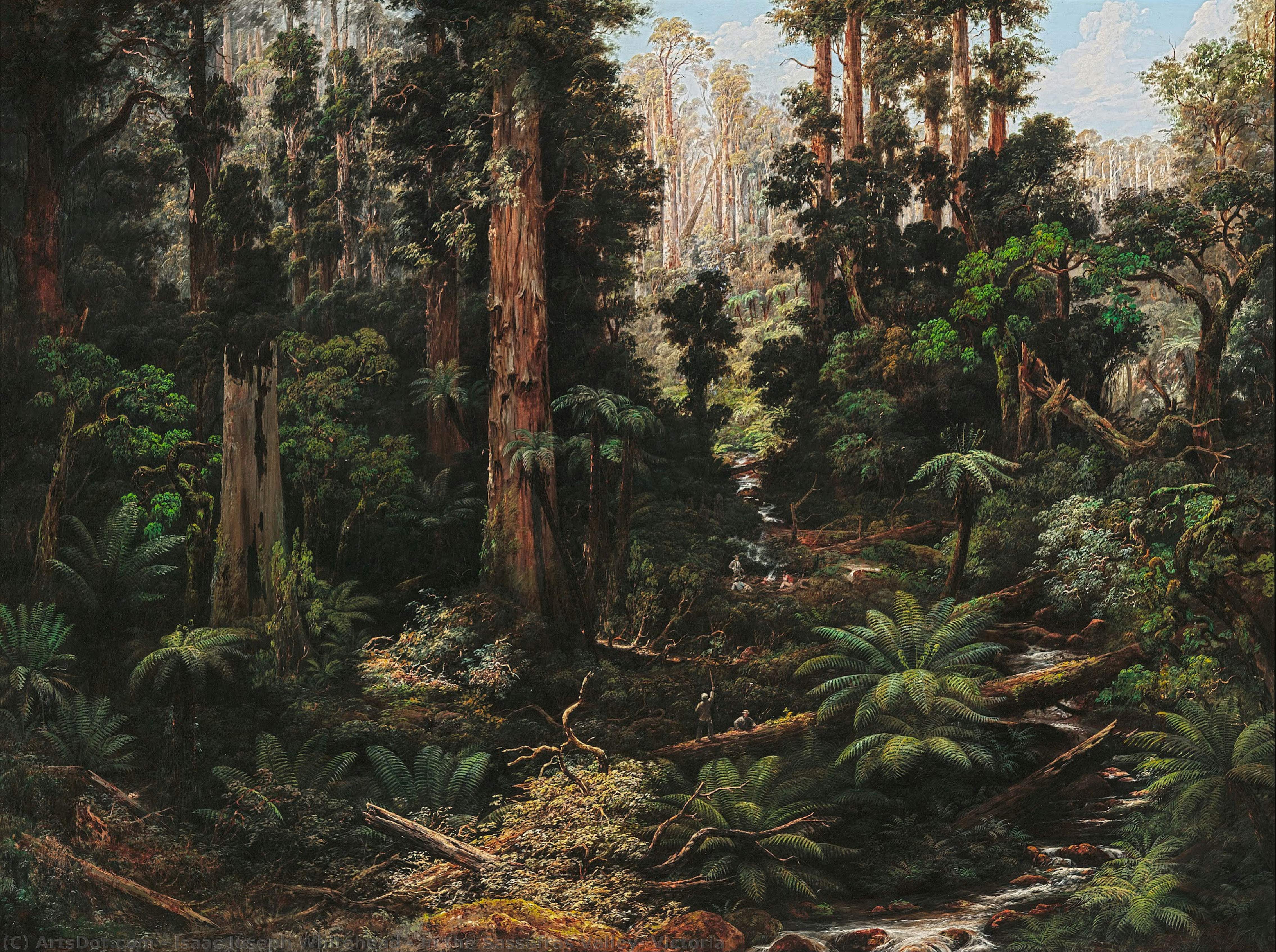
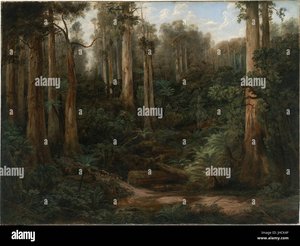
StatsIn the Sassafras Valley, Victoria
 1875
1875 132.0 x 99.0 cm
 南オーストラリア・ギャラリー
 詳細を見る
詳細を見る
ジークレー/アートプリント
迅速な制作と多彩な仕上げオプションを備えた、ミュージアムクオリティのジークレーまたはキャンバスプリント。 ( 手描きの絵画を購入 Switch to Digital Image)




































作品のオリジナル比率に合わせた、当店の規定サイズからお選びください。

特定のフレームやスペースに合わせて、ご自身でサイズを指定することも可能です。選択されたサイズが元の画像の比率と一致しない場合、作品をトリミングするか、鏡面反射または単色での塗りつぶしによって画像を拡張いたします。制作を開始する前に、ご確認用のデジタルモックアップをお送りいたします。
画面上のプレビューには、実際のトリミングや拡張は反映されませんのでご注意ください。最終的な構図を正確に確認できるのは、モックアップのみとなります。
カスタムサイズも承っておりますが、元の比率を維持するためには、あらかじめ用意されたリストからサイズを選択することをお勧めいたします。


 ガラスオプションは、110cm未満のサイズでのみご利用いただけます。

In the Sassafras Valley, Victoria
ジークレー/アートプリント
複製画のサイズ
-


合計金額
$ 62
関連作品






アーティストの略歴
Isaac Whitehead: Bridging Irish Roots and Australian Landscapes
Isaac Joseph Whitehead (c. 1819 – 1881) stands as a quietly significant figure in the history of Victorian art, a man whose career spanned continents and blended diverse artistic pursuits. Born in Dublin, Ireland, to a family steeped in craftsmanship—his father a carver and gilder—Whitehead’s early life instilled within him an appreciation for detail, texture, and the meticulous application of hand skills. This foundation would prove crucial as he transitioned from drawing with a style reminiscent of the celebrated James Arthur O'Connor and Thomas Sautelle Roberts to establishing himself as a prominent picture framer and, ultimately, a watercolor and pastel landscape artist.
Whitehead’s artistic journey began in Dublin, where he honed his skills before embarking on a pivotal emigration around 1853 or 1858. This move took him and his family to Victoria, Australia – a region that would become the defining focus of his later career. The Australian landscape, with its vast eucalyptus forests, rolling hills, and dramatic coastlines, captivated Whitehead, providing an endless source of inspiration for his paintings. He wasn’t merely documenting these scenes; he sought to capture their essence, imbuing them with a sense of atmosphere and tranquility.
A Dual Career: Art and Craftsmanship
Whitehead's professional life was remarkably multifaceted. While he is primarily remembered for his artwork, particularly his evocative landscapes, it’s important to acknowledge the significant role he played as a picture framer. Beginning his business at 5 Church Lane, Dame Street in Dublin, Whitehead quickly gained recognition for his ornate and meticulously crafted frames. These weren't simply functional objects; they were considered works of art themselves, often adorned with intricate floral designs – a testament to his father’s legacy and his own refined aesthetic sensibilities.
This dual career—artist and framer—provided Whitehead with invaluable connections within the artistic community. He collaborated with prominent Victorian artists like Louis Buvelot, Nicholas Chevalier, and Eugene von Guérard, showcasing their work in his framing business and gaining insights into contemporary art trends. This network facilitated his own artistic development and contributed to his growing reputation.
The Style of a Pioneer
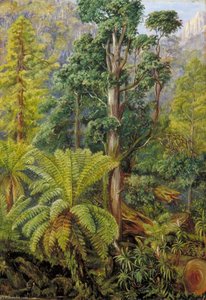
Whitehead’s artistic style evolved significantly throughout his career. Initially influenced by the Romanticism prevalent in Ireland, particularly the detailed landscapes of O'Connor and Roberts, he gradually developed a distinct approach characterized by a meticulous attention to botanical detail and a subtle use of color. His paintings of Gippsland forests – a region renowned for its lush vegetation – are particularly noteworthy. These works aren’t simply representations of scenery; they are studies in light, shadow, and texture, capturing the feeling of being immersed within these ancient woodlands.
Interestingly, Whitehead's work also reveals an unexpected connection to New Zealand. Despite no documented visits, he produced two seascapes – "Ocean Beach (Back Beach, Sorrento)" and “Entrance to Anita Bay, Milford Sound” – that demonstrate a keen understanding of the country’s dramatic coastline. This suggests either a deep interest in New Zealand art or perhaps a correspondence with artists working there.
Recognition and Legacy
Despite facing challenges as an immigrant artist, Whitehead achieved considerable recognition during his lifetime. He was a member of both the New South Wales Academy of Art and the Victorian Academy of Arts, receiving awards for his work – a medal at the 1875 Victorian Intercolonial Preparatory to the Philadelphia Centenary Exhibition and a silver medal at the Paris Universal Exhibition in 1878. His paintings were subsequently exhibited at prestigious events such as the 1884 Victorian Jubilee Exhibition, the 1886 London Colonial and Indian Exhibition, and the 1888 Melbourne Centennial Intercolonial Exhibition, solidifying his place within the Victorian art scene.
Isaac Whitehead’s legacy extends beyond his individual artworks. He represents a fascinating intersection of Irish heritage, Australian identity, and artistic innovation. His career exemplifies the challenges faced by immigrant artists seeking recognition while simultaneously highlighting the enduring appeal of landscape painting and the importance of craftsmanship in shaping an artist's vision.
isaac joseph whitehead
1881 , Ireland
基本情報
- Artistic Movement Or Style: Victorian styles
- Artists Or Movements Influenced By This Artist: ['Romanticism']
- Artists Who Influenced This Artist:
- James Arthur O'Connor
- Thomas Sautelle Roberts
- Date Of Birth: c. 1819
- Date Of Death: 1881
- Full Name: Isaac Joseph Whitehead
- Nationality: Irish-Australian
- Notable Artworks: ['In the Sassafras Valley']
- Place Of Birth: Dublin, Ireland