

 プレビュー
プレビュー
 シェアする
シェアする シェアする
シェアする
 詳細を見る
詳細を見る

 ダウンロード
 似ている作品
 X線調査
X線調査 スライドショー
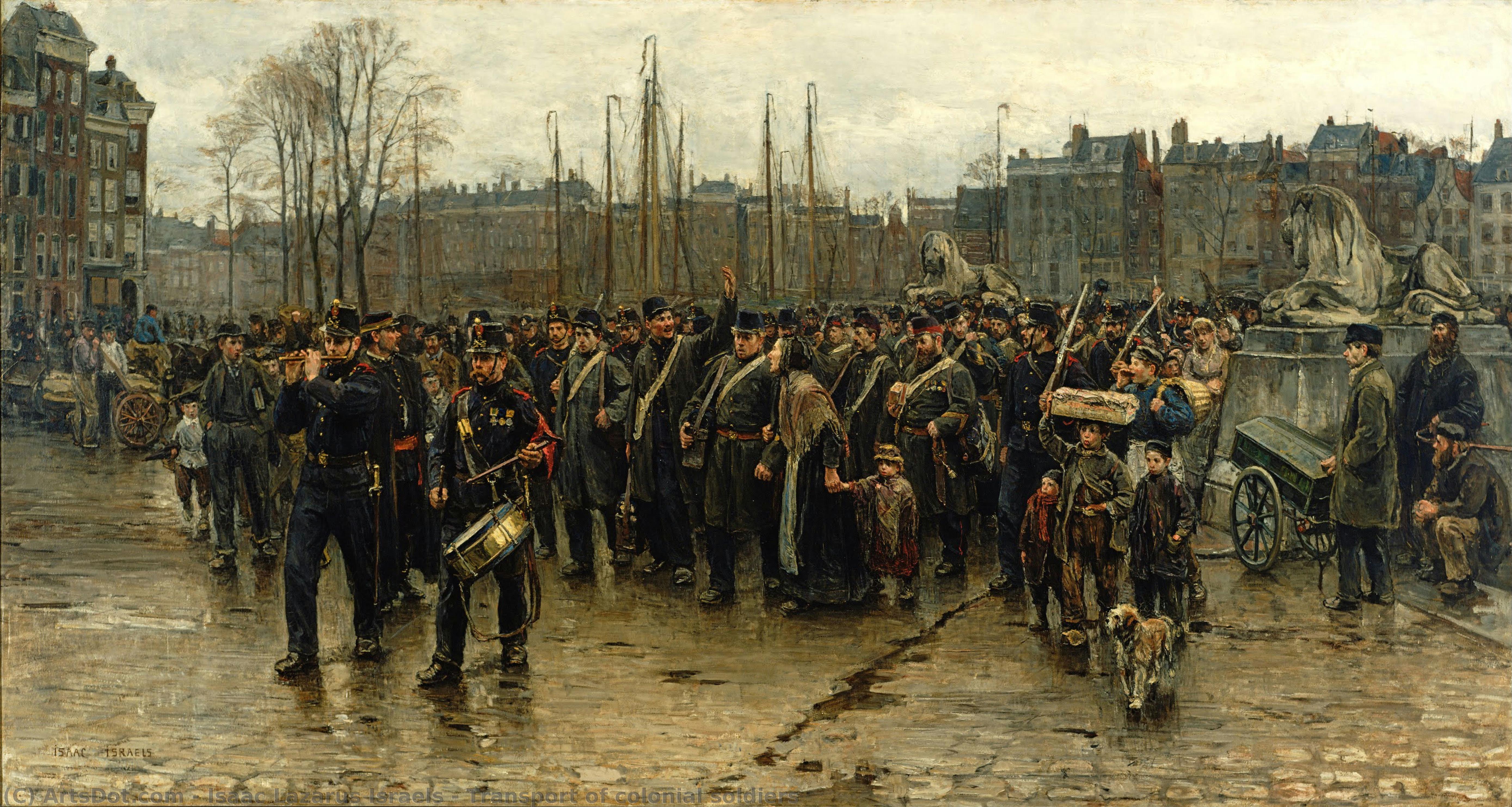
Transport of colonial soldiers
 Oil On Canvas
- WallArt
- Impressionistic Realism
 1884
1884- 19th Century
 300.0 x 160.0 cm
 クローラー・ミュラー美術館
 詳細を見る
詳細を見る
ジークレー/アートプリント
迅速な制作と多彩な仕上げオプションを備えた、ミュージアムクオリティのジークレーまたはキャンバスプリント。 ( 手描きの絵画を購入 画像を購入)




P118B $10

P118H $10

P118W $10

P438Z $10

P508JH $12

P508YH $12

P805H $10

P805Z $10

P919BZ $10

P919G $10

P919XJ $10

P959ZH $10

P968JZ $12

W106C $8

W218G $10

W218JH $8

W218Y $10

W307PJ $10

W316G $10

W316PJ $8

W316Y $10

W398PJ $8

W4111J $10

W500HY $15

W500JH $15

W692G $12

W849H $8

W940BG $15

W953PJ $8




作品のオリジナル比率に合わせた、当店の規定サイズからお選びください。

特定のフレームやスペースに合わせて、ご自身でサイズを指定することも可能です。選択されたサイズが元の画像の比率と一致しない場合、作品をトリミングするか、鏡面反射または単色での塗りつぶしによって画像を拡張いたします。制作を開始する前に、ご確認用のデジタルモックアップをお送りいたします。
画面上のプレビューには、実際のトリミングや拡張は反映されませんのでご注意ください。最終的な構図を正確に確認できるのは、モックアップのみとなります。
カスタムサイズも承っておりますが、元の比率を維持するためには、あらかじめ用意されたリストからサイズを選択することをお勧めいたします。


 ガラスオプションは、110cm未満のサイズでのみご利用いただけます。

Transport of colonial soldiers
ジークレー/アートプリント
複製画のサイズ
-


合計金額
$ 62
作品詳細説明
A Solemn Procession in Tonal Grey
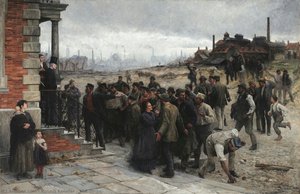
In the vast, commanding expanse of Isaac Israëls’s 1884 masterpiece, "Transport of Colonial Soldiers," viewers are transported to a moment of quiet, heavy stillness on a cobblestone street in Charleroi, Belgium. This monumental canvas, measuring an impressive 300 by 160 cm, serves as a profound window into the late nineteenth century, capturing a group of colonial troops gathered in what feels like a pause between duties. The scene is not one of frantic movement or battlefield glory, but rather a somber tableau of men, horses, and the weight of imperial reality. As they stand amidst the urban textures of the Belgian landscape, there is an undeniable sense of gravity; some soldiers lean against stone walls with weary grace, while others maintain a rigid, disciplined posture, their hands resting near swords that hint at the latent power and potential violence of their era.
The atmosphere is thick with a muted, atmospheric haze, achieved through Israë s’s masterful command of the Hague School aesthetic. Eschewing the vibrant, sun-drenched palettes often associated with later Impressionism, the artist utilizes a sophisticated range of sombre grey tones and earthy neutrals to create a sense of depth and melancholy. This deliberate flattening of perspective allows the viewer to focus on the subtle interplay of light and shadow across the cobblestones and the textured uniforms of the men. The technique is remarkably nuanced; through delicate tonal variations, Israëls suggests the rough grain of stone, the heavy fabric of military garb, and the muscular presence of the horses, all without the need for jarring or aggressive brushstrokes.
The Human Cost of Empire
Beyond its formal brilliance, "Transport of Colonial Soldiers" functions as a poignant historical document. While the inclusion of horses and the disciplined formation of troops might initially evoke images of grandeur and colonial authority, a closer inspection reveals a much more complex narrative. Israëls does not seek to glorify conquest; instead, he employs a realist lens to capture the mundane, often exhausting reality of military life. The faces of the soldiers, rendered with meticulous attention to detail, betray a spectrum of human emotion—from stoic determination to a profound, bone-deep fatigue. This focus on the individual experience invites the observer to look past the uniform and contemplate the human cost inherent in the machinery of imperial ambition.
For the discerning collector or interior designer, this painting offers more than just visual prestige; it provides an emotional anchor for a space. The understated palette and the sense of quiet contemplation make it an ideal centerpiece for sophisticated environments that value depth and historical resonance. Whether placed in a gallery-style study or as a commanding feature in a contemporary living space, the work’s ability to evoke both strength and vulnerability ensures it remains a captivating subject of conversation. It is a piece that does not merely decorate a wall but enriches the very soul of a room, offering a timeless reflection on duty, history, and the quiet dignity found within the shadows of the past.
関連作品

アーティストの略歴
アイザック・ラザルス・イスラエルス:アムステルダム印象派に捧げた生涯
- 生誕:オランダ、アムステルダム(1865年2月3日)
- 逝去:オランダ、ハーグ(1934年10月7日)
幼少期と芸術への目覚め
アイザック・ラザルス・イスラエルスは、オランダの芸術界に深く根ざした家系に生を受けました。ハーグ派を代表する画家ジョゼフ・イスラエルスとアレイダ・シャープの息子として育った彼は、その芸術的な血統から、幼い頃より絵画に対する深い審美眼を養っていきました。1880年から188世紀にかけて、彼はハーグ王立芸術アカデミーで学び、そこで生涯の友となるジョージ・ヘンドリック・ブレイターと出会います。この出会いは、彼のその後の芸術的軌道を決定づける重要な出来事となりました。わずか16歳の時、イスラエルスの才能は早くも世に知られることとなります。未完成の状態であったにもかかわらず、作品「ラッパの練習」が芸術家でありコレクターでもあるヘンドリック・ウィレム・メスダに購入されたのです。同年、祖母や家族の友人を描いた肖像画で見せた卓越した技術は、彼の将来を予感させるものでした。
アムステルダム印象派の旗手
イスラエルスの名は、アムステルダム印象派という運動において、その先駆的な存在として刻まれています。表現される内容が様式に反映されるべきだと説き、強烈な技法を通じて感情豊かな主題を描き出すことを提唱した「タハティヘール(80人派)」の思想に触れた彼は、次第にアムステルダムの活気あふれる日常風景を捉えることへと情熱を注ぐようになりました。夏の間は父と共にスフェニンゲンの海岸で過ごし、色彩豊かな海辺の風景を描き出すことも多々ありました。彼の作品には、かつてのオランダの巨匠たちが好んだ伝統的な主題から脱却し、アムステルダムの賑わう街角やカフェ、キャバレーの熱気を写し出そうとする強い意志が込められています。
- 代表作:「植民地兵の輸送」(クローラー・ミュラー美術館)、「コーヒー選別工」(ボイマンス・ファン・ベーニンゲン美術館)、「マタ・ハリの肖像」(クローラー・ミュラー美術館)
旅路と芸術的進化
1904年、イスラエルスの舞台はパリへと移ります。彼はパリにアトリエを構え、この都市特有のモチーフを自身の表現に取り入れ始めました。また、パキーンやドレコールといった名門ファッションハウスでの学びを通じて、自身の関心をファッションの世界へと広げていきました。しかし、第一次世界大戦の勃発により、彼はオランダへの帰還を余儀なくされ、その後は主に肖像画の制作に専念することとなります。戦後、彼はヨーロッパからアジアに至るまで広大な旅へと踏み出しました。インドやオランダ領東インドで過ごした2年間のスケッチと絵画制作の経験は、彼の芸術的視野を劇的に広げ、晩年の作品に新たな主題と深遠な視点をもたらすこととなったのです。
遺産と不朽の名声
アイザック・ラザルス・イスラエルスの遺した膨大な作品群は、鮮やかな色彩、軽やかな筆致、そして日常の機微を捉えた洞察力に満ちた描写によって、今なお高く称賛されています。彼の作品は現在、ファン・ゴッホ美術館やマウリッツハイス美術館をはじめ、世界中の権威ある美術館に収蔵されています。1928年のオリンピックにおいて、作品「赤い騎士」で金メダルを獲得したことは、彼の国際的な評価を象徴する出来事でした。イスラエルスの功績は、単なる芸術的達成にとどまりません。アムステルダム印象派の発展に果たした貢献は極めて大きく、彼は自らの時代における最も重要なオランダ人画家の一人として、その地位を不動のものとしたのです。
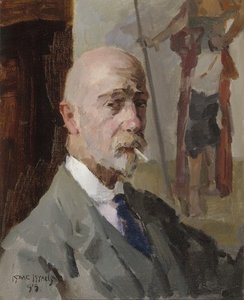
アイザック・ラザルス・イスラエルズ
1865 - 1934 , オランダ
基本情報
- Artistic Movement Or Style: アムステルダム印象派
- Artists Who Influenced This Artist: ['エミール・ゾラ']
- Date Of Birth: 1865年2月3日
- Date Of Death: 1934年10月7日
- Full Name: アイザック・ラザルス・イスラエルス
- Nationality: オランダ
- Notable Artworks:
- 植民地兵の輸送
- コーヒー選別工
- マタ・ハリの肖像
- ヒルシュ家のイッピーとゲルティー
- ゴッホのひまわりを前にした貴婦人
- ダンサー、ラ・コケットの太陽
- ムーラン・ド・ラ・ガレットのダンスホール
- ドラマー
- Place Of Birth (City And Country): オランダ、アムステルダム
関連記事
The Hague School: Realism, Atmosphere & the Dawn of Dutch Impressionism
Explore the Hague School's pivotal role in Dutch art history. Discover realism, atmospheric landscapes & its influence on Impressionism. Learn about key artists like Mauve & Maris with ArtsDot.
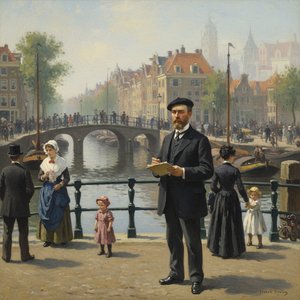
Isaac Lazarus Israëls: A Chronicle of Dutch Life & the Evolution of Impressionistic Realism
Explore the captivating world of Isaac Lazarus Israëls (1865-1934), a leading Dutch Amsterdam Impressionist. Discover his city scenes, portraits & travels through Asia – a chronicle of Dutch life and artistic evolution.
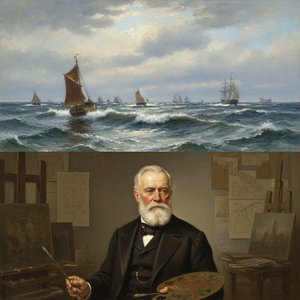
Hendrik Willem Mesdag: Pioneering Impressionism & the Dutch Maritime Tradition
Explore the life & work of Hendrik Willem Mesdag, a pioneer of Dutch Impressionism and leading figure of the Hague School. Discover his captivating seascapes and the immersive Panorama Mesdag – a true masterpiece.
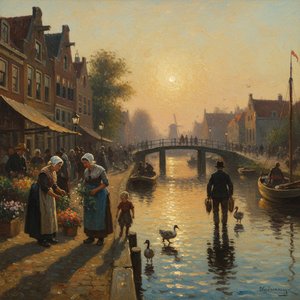
Wilhelmus de Zwart: Capturing Dutch Life Through the Lens of Realism & Impressionism
Explore the captivating world of Wilhelmus de Zwart, a Dutch master bridging Realism & Impressionism. Discover his landscapes, cityscapes, and unique technique – a compelling study for art enthusiasts and collectors.
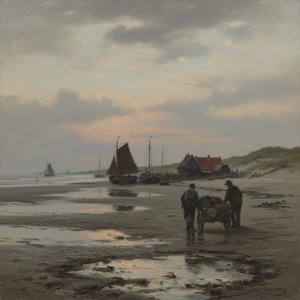
Jan Hendrik Weissenbruch: A Master of Dutch Realism & Atmospheric Light
Explore the captivating world of Jan Hendrik Weissenbruch, a master of Dutch Realism. Discover his atmospheric landscapes, influences, and legacy within the Hague School. Learn about this 19th-century artist's unique style & enduring impact.

