

 プレビュー
プレビュー
 シェアする
シェアする シェアする
シェアする
 詳細を見る
詳細を見る

 ダウンロード
 似ている作品
 X線調査
X線調査 スライドショー
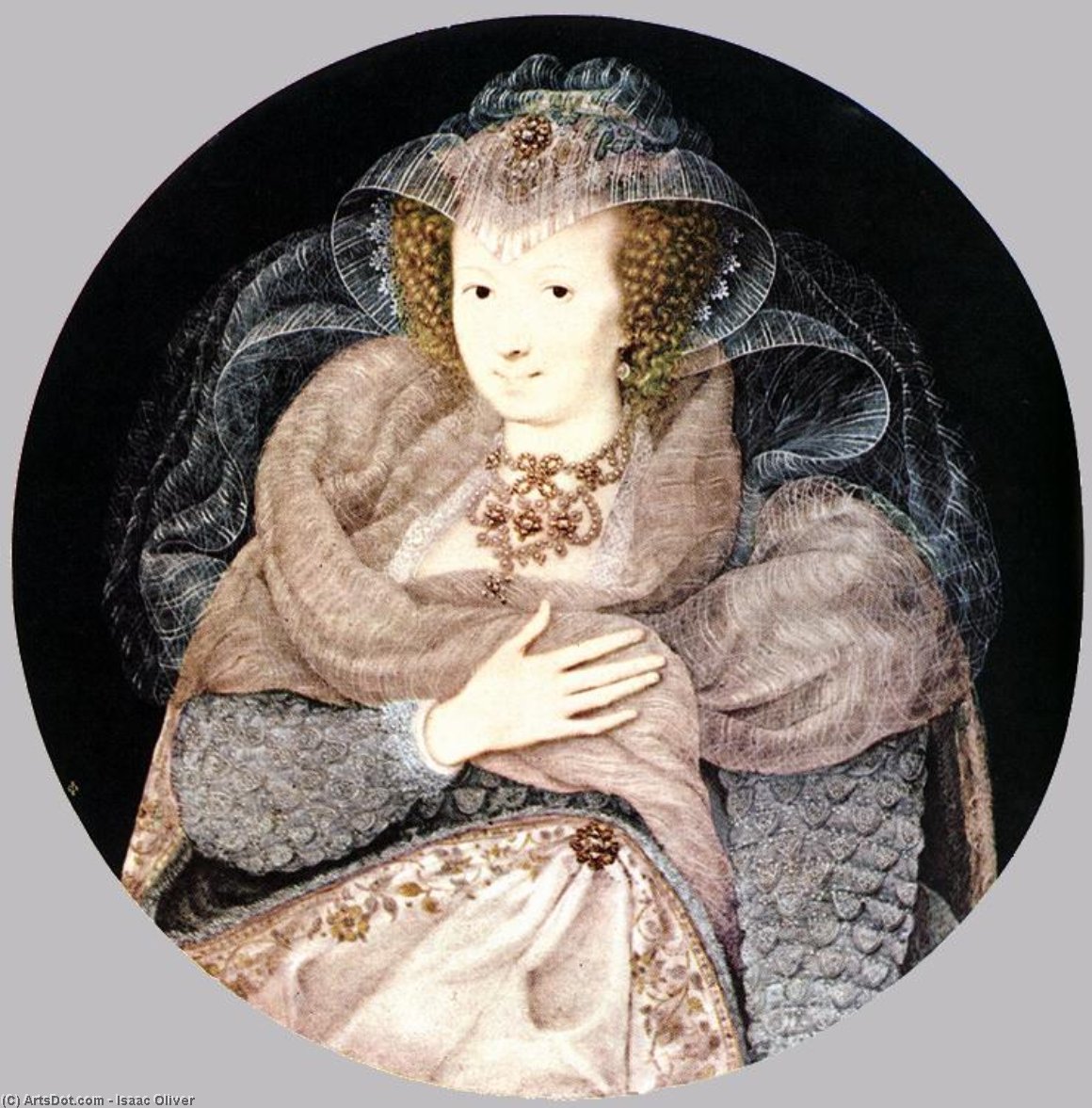
Frances Howard, Countess of Somerset and Essex
 Acrylic On Canvas
- WallArt
- Baroque Portraiture
 1595
1595 13.0 x 13.0 cm
 ヴィクトリア&アルバート博物館
 詳細を見る
詳細を見る
ジークレー/アートプリント
迅速な制作と多彩な仕上げオプションを備えた、ミュージアムクオリティのジークレーまたはキャンバスプリント。 ( 手描きの絵画を購入 画像を購入)




P118B $10

P118H $10

P118W $10

P438Z $10

P508JH $12

P508YH $12

P805H $10

P805Z $10

P919BZ $10

P919G $10

P919XJ $10

P959ZH $10

P968JZ $12

W106C $8

W218G $10

W218JH $8

W218Y $10

W307PJ $10

W316G $10

W316PJ $8

W316Y $10

W398PJ $8

W4111J $10

W500HY $15

W500JH $15

W692G $12

W849H $8

W940BG $15

W953PJ $8




作品のオリジナル比率に合わせた、当店の規定サイズからお選びください。

特定のフレームやスペースに合わせて、ご自身でサイズを指定することも可能です。選択されたサイズが元の画像の比率と一致しない場合、作品をトリミングするか、鏡面反射または単色での塗りつぶしによって画像を拡張いたします。制作を開始する前に、ご確認用のデジタルモックアップをお送りいたします。
画面上のプレビューには、実際のトリミングや拡張は反映されませんのでご注意ください。最終的な構図を正確に確認できるのは、モックアップのみとなります。
カスタムサイズも承っておりますが、元の比率を維持するためには、あらかじめ用意されたリストからサイズを選択することをお勧めいたします。


 ガラスオプションは、110cm未満のサイズでのみご利用いただけます。

Frances Howard, Countess of Somerset and Essex
ジークレー/アートプリント
複製画のサイズ
-


合計金額
$ 62
The Enigmatic Countess: Isaac Oliver’s “Frances Howard, Countess of Somerset and Essex”
Isaac Oliver's 1635 portrait of Frances, Countess of Somerset and Essex, isn’t merely a likeness; it’s a carefully constructed tableau of ambition, scandal, and lingering melancholy. Held within the Victoria and Albert Museum’s collection, this miniature painting offers a poignant glimpse into the tumultuous life of a woman caught between political maneuvering and personal heartbreak, all rendered with Oliver's signature blend of meticulous detail and subtle emotional depth.
The subject herself—Frances Howard—was a figure of considerable notoriety. Born into nobility, her marriage to Robert Devereux, the 3rd Earl of Essex, was strategically arranged, designed to solidify alliances rather than foster genuine affection. The portrait captures a pivotal moment: the aftermath of their annulment, a decision that reverberated through the highest echelons of English society and ultimately led to Essex’s downfall. Oliver doesn't shy away from portraying her complex emotions; she gazes directly at the viewer with an expression that is both defiant and vulnerable, hinting at the pain concealed beneath a carefully maintained composure.
A Study in Light and Shadow – The Technique
Oliver’s mastery lies not just in his ability to capture likeness but in his nuanced use of light and shadow. The painting is dominated by a soft, diffused illumination that seems to emanate from an unseen source, bathing Frances' face in a gentle glow. This technique draws attention to her features – the delicate curve of her cheekbones, the subtle shading around her eyes—and imbues them with a sense of quiet dignity. The artist employs a meticulous layering of thin glazes of oil paint, building up textures and tones with incredible precision. Notice particularly the rendering of her elaborate gown; each ruffle, fold, and jewel is rendered with painstaking detail, reflecting Oliver’s commitment to realism.
The miniature format itself—measuring just 13 x 13 centimeters—forces a close intimacy with the subject. It's as if we are granted privileged access into her private world, invited to contemplate her story and grapple with the complexities of her fate. The use of ivory white for highlights adds an ethereal quality, further enhancing the sense of timelessness and emphasizing the portrait’s enduring appeal.
Symbolism and Intrigue – Decoding the Details
Beyond the immediate portrayal of Frances Howard, the painting is rich in symbolic detail. Her hand resting gracefully on her chest—a pose reminiscent of classical sculpture—suggests both composure and a hint of vulnerability. The necklace she wears, adorned with pearls, represents wealth and status, but also perhaps a subtle reminder of the transactional nature of her marriage. The background, deliberately muted and indistinct, serves to focus all attention on the central figure, reinforcing her importance within the narrative.
Crucially, the portrait was painted shortly after the annulment, a period rife with speculation and rumor. The scandal surrounding Frances’s relationship with Robert Carr, 1st Earl of Somerset, fueled intense public interest and contributed to the painting's enduring fascination. The very act of commissioning such a detailed and intimate portrait speaks volumes about the desire to understand—and perhaps even control—the narrative surrounding this controversial woman.
A Legacy of Quiet Intensity – The Artist’s Vision
Isaac Oliver, born in Rouen around 1565, was an artist who defied easy categorization. While influenced by the Venetian Renaissance and the Flemish masters, he developed a distinctly English style characterized by its psychological depth and emotional resonance. Unlike many of his contemporaries, Oliver rarely received grand commissions; instead, he pursued independent projects, allowing him to cultivate a unique artistic vision. His portraits are not merely representations of individuals but explorations of their inner lives—a testament to his profound understanding of human nature.
“Frances Howard, Countess of Somerset and Essex” stands as a prime example of Oliver’s genius. It is a painting that invites contemplation, prompting us to consider the complexities of love, ambition, and betrayal within the context of 17th-century England. Whether viewed as a historical document or a work of art, it remains a powerful and enduring testament to the artist's skill and his ability to capture the essence of a remarkable woman.
関連作品
関連記事

ジョン・コンスタブルの傑作25選:英国風景画の巨匠が描く自然と光の詩 | ArtsDot
ジョン・コンスタブルの傑作25選。英国風景画の巨匠が描く自然と光の詩の世界へ。ロマン主義を代表する絵画、デダム・ヴェールやヘイ・ウェインなど、ArtsDotで高品質なアートプリントをお楽しみください。インテリアに深みと感動を。コレクションはこちら。
Sarah Churchill, Countess of Essex: A Patron's Influence on 18th-Century Art & Identity
Explore the fascinating world of Sarah Churchill, Countess of Essex, a pivotal figure in 18th-century art patronage. Discover her influence on Rococo aesthetics and portraiture, and learn about commissioning artworks as a statement of power & identity.
Isaac Lazarus Israëls: A Chronicle of Dutch Life & the Evolution of Impressionistic Realism
Explore the captivating world of Isaac Lazarus Israëls (1865-1934), a leading Dutch Amsterdam Impressionist. Discover his city scenes, portraits & travels through Asia – a chronicle of Dutch life and artistic evolution.

Sir Alfred Munnings' Masterpieces: 25 Paintings That Define Equine Art | ArtsDot
Explore 25 iconic Sir Alfred Munnings paintings! Discover the beauty of British Impressionism, equine art & rural England. Find museum-quality reproductions and elevate your home decor with ArtsDot. Explore the full collection online.
Francis Cotes: Elegance, Portraiture & the Rise of a Georgian Aesthetic
Explore the elegant world of Francis Cotes, pioneer of English pastel painting & celebrated Georgian portraitist. Discover his captivating portraits, artistic techniques, and lasting influence on 18th-century art.