 プレビュー
プレビュー
 シェアする
シェアする シェアする
シェアする
 詳細を見る
詳細を見る

 ダウンロード
 似ている作品
 X線調査
X線調査 スライドショー
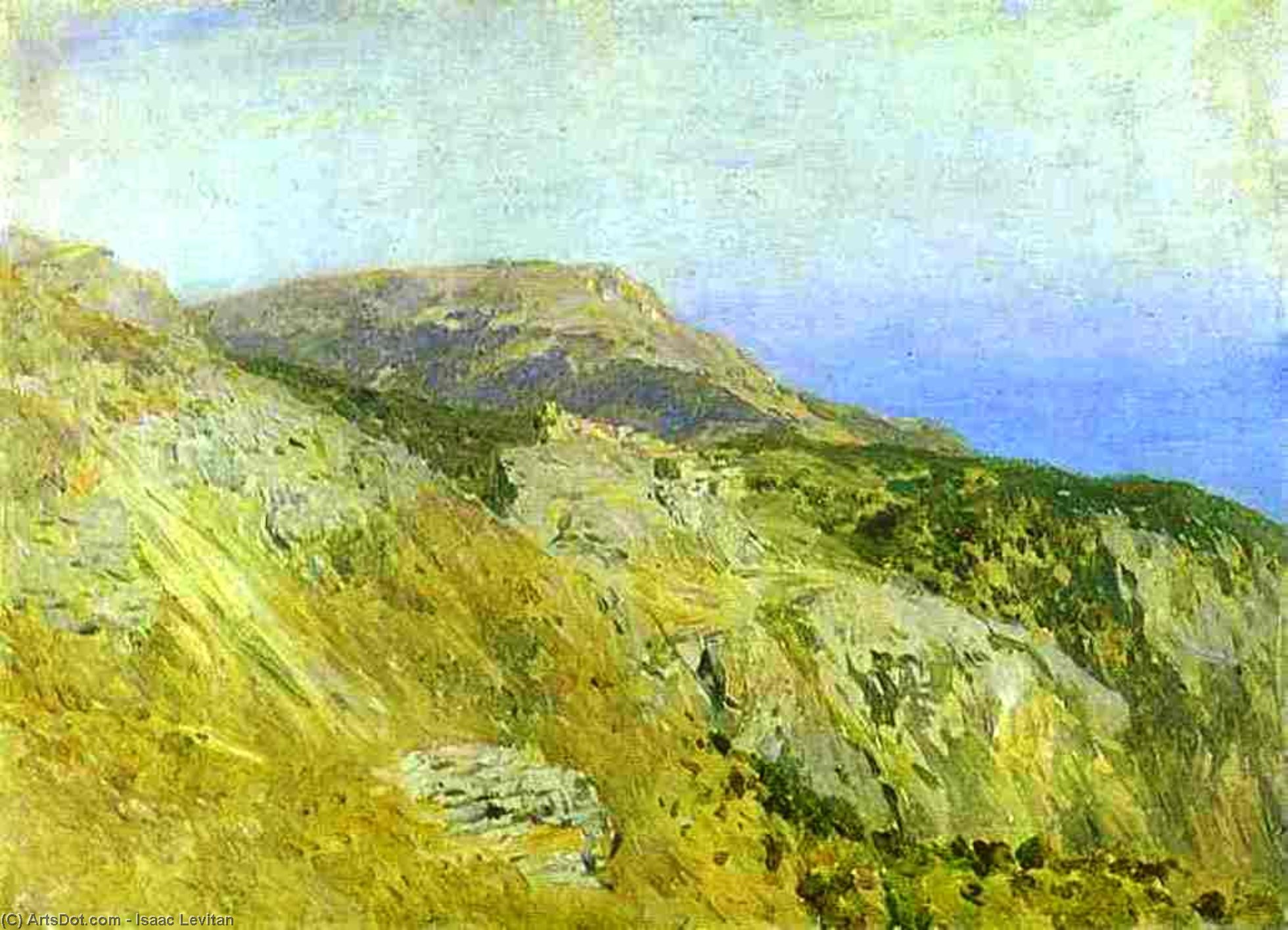
Corniche, Southern France. Sketch


 詳細を見る
詳細を見る
ジークレー/アートプリント
迅速な制作と多彩な仕上げオプションを備えた、ミュージアムクオリティのジークレーまたはキャンバスプリント。 ( 手描きの絵画を購入 画像を購入)




P118B $10

P118H $10

P118W $10

P438Z $10

P508JH $12

P508YH $12

P805H $10

P805Z $10

P919BZ $10

P919G $10

P919XJ $10

P959ZH $10

P968JZ $12

W106C $8

W218G $10

W218JH $8

W218Y $10

W307PJ $10

W316G $10

W316PJ $8

W316Y $10

W398PJ $8

W4111J $10

W500HY $15

W500JH $15

W692G $12

W849H $8

W940BG $15

W953PJ $8




作品のオリジナル比率に合わせた、当店の規定サイズからお選びください。

特定のフレームやスペースに合わせて、ご自身でサイズを指定することも可能です。選択されたサイズが元の画像の比率と一致しない場合、作品をトリミングするか、鏡面反射または単色での塗りつぶしによって画像を拡張いたします。制作を開始する前に、ご確認用のデジタルモックアップをお送りいたします。
画面上のプレビューには、実際のトリミングや拡張は反映されませんのでご注意ください。最終的な構図を正確に確認できるのは、モックアップのみとなります。
カスタムサイズも承っておりますが、元の比率を維持するためには、あらかじめ用意されたリストからサイズを選択することをお勧めいたします。


 ガラスオプションは、110cm未満のサイズでのみご利用いただけます。

Corniche, Southern France. Sketch
ジークレー/アートプリント
複製画のサイズ
-


合計金額
$ 62
Corniche. Southern France – An Impressionistic Ode to Coastal Majesty
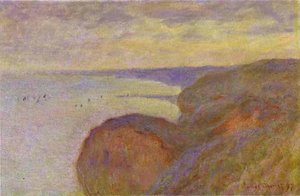
The painting “Corniche. Southern France,” executed by Isaak Levitan in 1894, isn’t merely a depiction of a rocky cliff overlooking the Mediterranean; it's an embodiment of Russian landscape painting’s ambition—to capture not just what is seen but how it feels. Levitan, deeply influenced by Jean-Baptiste-Camille Corot and other Barbizon artists who championed plein air painting, sought to distill the essence of nature into a visual symphony of light and atmosphere. This approach distinguishes him from earlier academic traditions that prioritized meticulous detail and idealized representations.- Subject Matter: The scene portrays a dramatic coastline – jagged cliffs plunging into turquoise waters – typical of Levitan’s fascination with the Russian wilderness.
- Style: Impressionism dominates, rejecting photographic realism in favor of capturing fleeting impressions of light and color. Loose brushstrokes create textured surfaces that convey movement and dynamism.
- Technique: Levitan employed oil paints on cardboard, layering pigment in short, expressive strokes to achieve a luminous effect. He skillfully utilized atmospheric perspective – paler hues in the distance – to heighten depth and evoke a sense of vastness.
Historical Context & Artistic Influences
Levitan’s work emerged during a period of significant artistic experimentation within Russia, mirroring broader European trends toward Impressionism. The Barbizon School's emphasis on direct observation and tonal harmony profoundly impacted Levitan’s aesthetic sensibilities. Furthermore, the anxieties surrounding antisemitism in Tsarist society subtly shaped his artistic vision—a desire to portray beauty untainted by prejudice informing his compositions and color palettes.- Barbizon Influence: Like Corot, Levitan prioritized capturing the mood of a place rather than its precise topographical features.
- Social Commentary: The painting subtly reflects anxieties about Jewish identity within Russian society—a yearning for authenticity and sincerity expressed through artistic form.
Symbolism & Emotional Resonance
“Corniche. Southern France” transcends a simple landscape portrayal; it communicates profound emotional depth. The dominant blues and greens evoke tranquility and contemplation, mirroring Levitan’s own introspective spirit. The jagged cliffs symbolize resilience and permanence against the relentless forces of nature—a visual metaphor for enduring beauty amidst hardship. The painting invites viewers to contemplate the sublime – experiencing awe and wonder at the grandeur of the natural world.- Color Palette: Blues and greens dominate, conveying serenity and reflecting the coastal environment.
- Composition: Diagonal lines created by the cliffs guide the eye upwards towards the summit, reinforcing a sense of aspiration and transcendence.
Legacy & Artistic Significance
Isaac Levitan’s “Corniche. Southern France” stands as a cornerstone of Russian landscape painting—a testament to Impressionism's transformative impact on artistic expression. Its masterful technique, evocative symbolism, and profound emotional resonance continue to inspire artists and captivate audiences today. It exemplifies the genre’s ability to convey complex feelings through deceptively simple visual elements—a timeless masterpiece celebrating the beauty and majesty of the Russian wilderness.関連作品

アーティストの略歴
Isaak Ilyich Levitan - A Symphony of the Russian Soul
Isaak Ilyich Levitan, a name synonymous with the evocative power of Russian landscape painting, was more than just a chronicler of nature; he was a poet of the land, a translator of its moods into visual form. Born in 1860 in Kibarty (present-day Lithuania) to a Jewish family who later settled in Moscow, Levitan’s life was marked by both profound hardship and an unwavering dedication to his art. The early loss of his mother and father instilled within him a sensitivity that would permeate his canvases with a melancholic beauty—a characteristic that would define his artistic vision throughout his career.Early Life and Artistic Formation
Levitan's formative years were shaped by considerable adversity. Orphaned shortly after birth, he endured homelessness and poverty as a child, experiences which profoundly impacted his worldview and fueled an innate desire to find solace in the natural world. Recognizing his talent early on, he enrolled at the Moscow School of Painting, Sculpture and Architecture in 1873, where he was mentored by Alexei Savrasov—a pivotal encounter that instilled in him Savrasov’s distinctive approach to landscape painting: capturing not merely visual appearance but also the intangible essence of atmosphere and emotion. Savrasov championed Levitan's burgeoning ability to translate feeling into form, guiding him toward a path of artistic exploration rooted in profound observation and emotional honesty. This influence would prove instrumental in shaping Levitan’s signature style—characterized by muted palettes, subtle tonal gradations, and masterful use of light and shadow.The Birth of Mood Landscape: Savrasov's Influence
Savrasov’s teachings solidified Levitan’s conviction that landscape painting could transcend mere representation to become a conduit for spiritual contemplation. Rejecting the prevailing academic conventions of his time—particularly the idealized depictions favored by Neoclassical artists—Savrasov encouraged Levitan to embrace a radically different aesthetic: *mood landscape*. This genre prioritized conveying emotion over topographical accuracy, seeking to evoke feelings of tranquility, solitude, or melancholy through carefully crafted compositions and evocative color harmonies. As Savrasov himself famously remarked, “The artist must not depict what he sees but what he feels.” This ethos resonated deeply with Levitan, informing his artistic practice from its inception and establishing him as a pioneer of this transformative movement within Russian art.A Distinctive Artistic Voice: Exploring Emotion Through Landscape
Levitan swiftly distinguished himself as an artist capable of capturing profound emotion through landscape—a feat that cemented his reputation as one of the foremost practitioners of mood landscape. His canvases pulsated with palpable feeling, reflecting his own inner turmoil and grappling with themes of loss, longing, and mortality. Unlike many of his contemporaries who adhered to rigid stylistic conventions, Levitan cultivated a uniquely expressive style characterized by loose brushstrokes, diffused tonal ranges, and an intuitive grasp of atmospheric effects. Works such as *Autumn Day. Sokolniki* (1879)—painted during his formative years—exemplify this distinctive aesthetic—a testament to Levitan’s ability to distill complex emotions into deceptively simple visual forms. The painting's subdued palette and delicate rendering of light create a sense of wistful nostalgia, hinting at the transience of beauty and the inevitability of change.Major Achievements and Legacy
Levitan’s artistic journey culminated in recognition from the Imperial Academy of Arts—a testament to his growing stature within the Russian art world. He subsequently served as head of the landscape studio at Moscow School of Painting, Sculpture and Architecture, nurturing the talent of aspiring artists and perpetuating Savrasov's legacy of emotional landscape painting. His influence extended far beyond his students, shaping the trajectory of Russian landscape art for decades to come—inspiring generations of painters to explore the expressive potential of nature with unwavering sensitivity and conviction. Levitan’s enduring contribution to Russian culture lies in his ability to transform visual observation into profound artistic contemplation—a feat that continues to captivate audiences today. His paintings remain a poignant reminder of the beauty and melancholy inherent in the human condition, forever enshrined as masterpieces of mood landscape and symbols of Russia's soulful spirit.
イサク・イリイチ・レヴィタン
1860 - 1900 , ロシア
基本情報
- Artistic Movement Or Style: ムードランド風景画、リアリズム
- Artists Who Influenced This Artist: ['アレクセイ・サヴァロフ」「ヴィタリー・ポレノフ」\n }']
- Date Of Birth: August 30, 1860
- Date Of Death: July 22, 1900
- Full Name: Isaak Ilyich Levitan
- Nationality: ロシア語
- Notable Artworks: ['秋の日のソコリンキ」「ウラジミールカ通り」「永遠の休息」「春の洪水」「嵐の日」「ヴェスパーの鐘']
- Place Of Birth: Kibarty, Lithuania
関連記事

Impressionistic Landscapes: 10 Masterpieces That Changed Art & Decor
Journey into the heart of Impressionism! Explore 10 masterpieces by Monet, Renoir & Degas that revolutionized landscape art. Discover their stories, techniques & find museum-quality reproductions to elevate your home decor on ArtsDot.com.
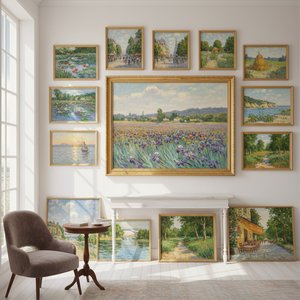
印象派風景を彩った至宝:アート史に名を刻む10選
印象派風景の革新を彩った10選。モネ、ルノワールら巨匠の名作を紐解き、色彩と光が生み出す感動の世界へ。アートの歴史とインテリアのインスピレーションをArtsDot.comで。高品質な複製画で、あなただけの空間を創造しましょう。
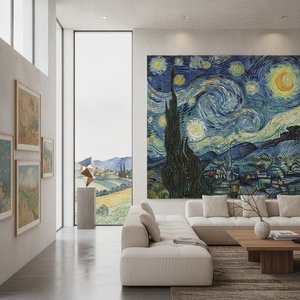
Beyond the Horizon: A Curated Guide to Integrating Post-Impressionist Landscapes into Modern Interiors
Transform your home with the emotive power of Post-Impressionist landscapes. Discover expert tips on selecting hand-painted oil reproductions to create a soulful, vibrant interior that reflects your unique style and connection to nature.

Evocations of Place: A Historical Journey Through Landscape Art
Explore the rich history of landscape art with ArtsDot. Discover renowned artists, movements like Impressionism & Romanticism, and expert guidance for collecting timeless pieces. Find your perfect serene escape today!

ジョン・コンスタブルの傑作25選:英国風景画の巨匠が描く自然と光の詩 | ArtsDot
ジョン・コンスタブルの傑作25選。英国風景画の巨匠が描く自然と光の詩の世界へ。ロマン主義を代表する絵画、デダム・ヴェールやヘイ・ウェインなど、ArtsDotで高品質なアートプリントをお楽しみください。インテリアに深みと感動を。コレクションはこちら。