

 プレビュー
プレビュー
 プリントを購入
 シェアする
シェアする シェアする
シェアする
 詳細を見る
詳細を見る

 ダウンロード
 似ている作品
 X線調査
X線調査 スライドショー
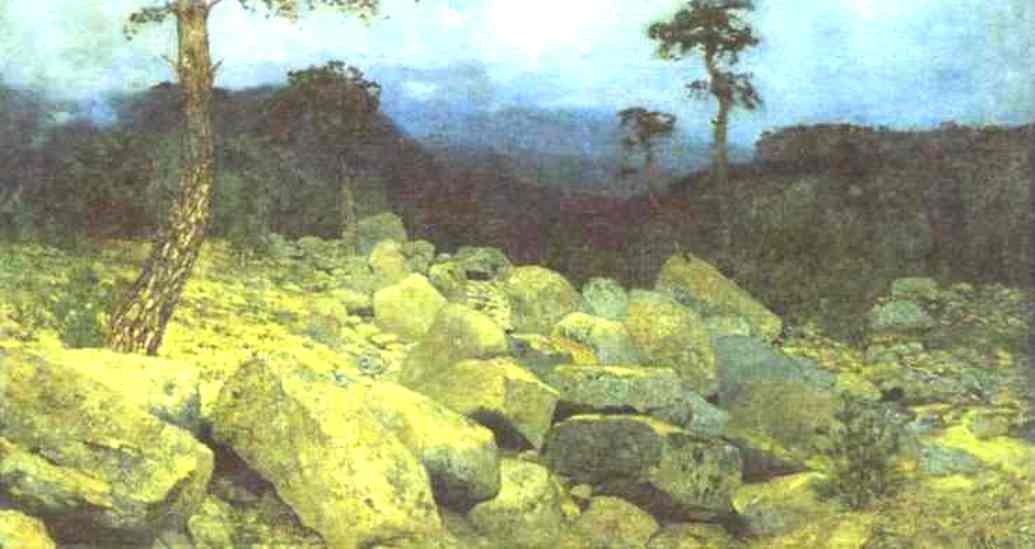
In the Mountains in the Crimea


 詳細を見る
詳細を見る
オンラインプレビューをはるかに凌ぐ、高解像度で鮮明なデジタル画像をご購入いただけます。
各ファイルは、社内の専門家が高度なツールと熟練した手作業によるレタッチを用いて、細心の注意を払って準備されています。すべての画像において、卓越した鮮明度、正確な色彩再現性、そして繊細なディテールを保証いたします。
最終ファイルは、プロフェッショナルな編集・印刷環境ですぐにご利用いただけるよう最適化された状態で、72時間以内にメールにてお届けいたします。これは、一流のデザインスタジオ、出版社、ギャラリーから信頼されているものと同等の品質です。
デジタル画像のご注文に付随する特典
高品質なデジタル画像配信を、確かな品質で。
ArtsDot.com を選ぶことは、単に画像を手に入れることではありません。それは、プロの手によって精密に仕上げられ、満足保証が付いた高品質なデジタルアートワークを受け取ることを意味します。ご注文いただいた際に自動的に付随する内容は、以下の通りです:

メールですぐにお届け
ご注文から72時間以内に、高解像度のデジタル画像ファイルがメールでお手元に届きます。すぐにそのままご利用いただけます。

AI技術で最適化されたデジタルファイル
お客様の作品は、高度なAIツールと専門家による手作業の編集を組み合わせてプロフェッショナルに最適化されており、細部のディテール、鮮明さ、そして正確な色再現性を最大限に引き出しています。

一生涯無料の再送サービス
ファイルを誤って削除したり、紛失してしまったりしましたか?ご安心ください。いつでも無料で再送いたします。

輸入手数料は一切かかりません
関税や手数料、配送料を気にすることなく、お気に入りのアートワークをすぐにお楽しみいただけます。デジタルダウンロードは常に免税です。

色彩再現の保証
プロ仕様のツールとカラーマネジメント技術を用いることで、デジタル画像が元の色を最大限に忠実に再現することを保証いたします。

60日間満足保証
ご購入いただいたデジタル画像にご満足いただけない場合は、60日以内であれば、修正または100%の返金(理由を問う必要はありません)をさせていただきます。

100% 返金保証
ご満足いただけない場合は、デジタルファイルを受け取ってから60日以内であれば、理由を問わず全額返金いたします。

まとめ買い割引
3枚購入で10%OFF - 5枚購入で15%OFF - 10枚以上購入で20%OFF。クリエイティブなプロジェクト、ギャラリー、エージェンシーに最適です。
The Soul of the Russian Landscape: Levitan’s “In the Crimea Mountains”
Isaac Ilyich Levitan's "In the Crimea Mountains," painted in 1886, isn’t merely a depiction of a landscape; it’s a profound meditation on solitude, memory, and the enduring spirit of nature. This evocative scene, rendered with his signature atmospheric realism, transports us to the rugged beauty of the Crimean mountains – a region that held a particularly poignant significance for Levitan throughout his life. The painting captures a moment suspended in time, a fleeting glimpse into a world both familiar and deeply melancholic.
Levitan’s style is often described as “moodscapes,” and "In the Crimea Mountains" exemplifies this perfectly. He eschewed dramatic vistas or heroic portrayals of nature, instead focusing on subtle shifts in light, color, and texture to convey a sense of quiet contemplation. The brushstrokes are loose and expressive, creating an almost hazy effect that blurs the boundaries between foreground and background. This technique wasn’t simply about visual accuracy; it was a deliberate attempt to capture the *feeling* of being immersed within the landscape – a feeling of both awe and gentle sadness.
A Crimean Connection: Levitan's Personal Landscape
Levitan’s deep connection to Crimea is undeniable, and this painting serves as a testament to that bond. Born in Kyiv but spending much of his childhood and formative years in the Crimean Peninsula, the region became inextricably linked with his artistic vision. The stark beauty of the mountains, the vastness of the sky, and the quiet solitude of the landscape provided him with an endless source of inspiration. It’s believed that this particular scene was painted during a personal visit to the Crimea, possibly reflecting memories of a lost loved one or a yearning for simpler times.
The Crimean Mountains themselves hold symbolic weight within Russian art and culture. They represent resilience, endurance, and the enduring power of nature – qualities often associated with the Russian soul. Levitan’s choice to depict them in this subdued, almost mournful light suggests a deeper resonance than mere topographical representation; he's tapping into something primal and deeply felt.
Technique and Atmosphere: The Language of Color
Levitan masterfully employs color to create an atmosphere of profound tranquility. The dominant hues are muted blues, grays, and browns – colors that evoke the cool, damp air of the mountains and the weathered stone of the rocks. Notice how he uses subtle gradations of tone to suggest depth and distance, creating a sense of vastness without resorting to dramatic contrasts. The occasional splashes of green in the sparse vegetation offer brief moments of vibrancy, hinting at life amidst the prevailing stillness.
His technique is characterized by layering – multiple thin washes of paint applied over time to build up texture and create a luminous effect. This approach allows him to capture the fleeting quality of light and shadow, imbuing the scene with an almost ethereal quality. The rocks themselves are rendered with remarkable detail, their rough surfaces conveying a sense of age and permanence.
Emotional Resonance: A Portrait of Longing
"In the Crimea Mountains" isn’t simply a pretty landscape; it's a deeply emotional work that speaks to universal themes of loss, memory, and the search for solace. The solitary figure implied within the composition – perhaps a shepherd or a traveler – embodies a sense of quiet contemplation and longing. The painting invites us to step into this space of stillness and reflect on our own relationship with nature and the passage of time.
Reproductions, meticulously crafted by skilled artisans, allow us to experience the full impact of Levitan’s vision. Each brushstroke is faithfully recreated, capturing the subtle nuances of color and texture that make this painting so captivating. Whether displayed in a grand salon or a cozy study, “In the Crimea Mountains” offers a timeless reminder of the beauty and power of the natural world – and the enduring resonance of Levitan’s artistic genius.
関連作品
作家の略歴
Isaak Ilyich Levitan - A Symphony of the Russian Soul
Isaak Ilyich Levitan, a name synonymous with the evocative power of Russian landscape painting, was more than just a chronicler of nature; he was a poet of the land, a translator of its moods into visual form. Born in 1860 in Kibarty (present-day Lithuania) to a Jewish family who later settled in Moscow, Levitan’s life was marked by both profound hardship and an unwavering dedication to his art. The early loss of his mother and father instilled within him a sensitivity that would permeate his canvases with a melancholic beauty—a characteristic that would define his artistic vision throughout his career.Early Life and Artistic Formation
Levitan's formative years were shaped by considerable adversity. Orphaned shortly after birth, he endured homelessness and poverty as a child, experiences which profoundly impacted his worldview and fueled an innate desire to find solace in the natural world. Recognizing his talent early on, he enrolled at the Moscow School of Painting, Sculpture and Architecture in 1873, where he was mentored by Alexei Savrasov—a pivotal encounter that instilled in him Savrasov’s distinctive approach to landscape painting: capturing not merely visual appearance but also the intangible essence of atmosphere and emotion. Savrasov championed Levitan's burgeoning ability to translate feeling into form, guiding him toward a path of artistic exploration rooted in profound observation and emotional honesty. This influence would prove instrumental in shaping Levitan’s signature style—characterized by muted palettes, subtle tonal gradations, and masterful use of light and shadow.The Birth of Mood Landscape: Savrasov's Influence
Savrasov’s teachings solidified Levitan’s conviction that landscape painting could transcend mere representation to become a conduit for spiritual contemplation. Rejecting the prevailing academic conventions of his time—particularly the idealized depictions favored by Neoclassical artists—Savrasov encouraged Levitan to embrace a radically different aesthetic: *mood landscape*. This genre prioritized conveying emotion over topographical accuracy, seeking to evoke feelings of tranquility, solitude, or melancholy through carefully crafted compositions and evocative color harmonies. As Savrasov himself famously remarked, “The artist must not depict what he sees but what he feels.” This ethos resonated deeply with Levitan, informing his artistic practice from its inception and establishing him as a pioneer of this transformative movement within Russian art.A Distinctive Artistic Voice: Exploring Emotion Through Landscape
Levitan swiftly distinguished himself as an artist capable of capturing profound emotion through landscape—a feat that cemented his reputation as one of the foremost practitioners of mood landscape. His canvases pulsated with palpable feeling, reflecting his own inner turmoil and grappling with themes of loss, longing, and mortality. Unlike many of his contemporaries who adhered to rigid stylistic conventions, Levitan cultivated a uniquely expressive style characterized by loose brushstrokes, diffused tonal ranges, and an intuitive grasp of atmospheric effects. Works such as *Autumn Day. Sokolniki* (1879)—painted during his formative years—exemplify this distinctive aesthetic—a testament to Levitan’s ability to distill complex emotions into deceptively simple visual forms. The painting's subdued palette and delicate rendering of light create a sense of wistful nostalgia, hinting at the transience of beauty and the inevitability of change.Major Achievements and Legacy
Levitan’s artistic journey culminated in recognition from the Imperial Academy of Arts—a testament to his growing stature within the Russian art world. He subsequently served as head of the landscape studio at Moscow School of Painting, Sculpture and Architecture, nurturing the talent of aspiring artists and perpetuating Savrasov's legacy of emotional landscape painting. His influence extended far beyond his students, shaping the trajectory of Russian landscape art for decades to come—inspiring generations of painters to explore the expressive potential of nature with unwavering sensitivity and conviction. Levitan’s enduring contribution to Russian culture lies in his ability to transform visual observation into profound artistic contemplation—a feat that continues to captivate audiences today. His paintings remain a poignant reminder of the beauty and melancholy inherent in the human condition, forever enshrined as masterpieces of mood landscape and symbols of Russia's soulful spirit.
イサク・イリイチ・レヴィタン
1860 - 1900 , ロシア
プロフィール概要
- Artistic Movement Or Style: ムードランド風景画、リアリズム
- Artists Who Influenced This Artist: ['アレクセイ・サヴァロフ」「ヴィタリー・ポレノフ」\n }']
- Date Of Birth: August 30, 1860
- Date Of Death: July 22, 1900
- Full Name: Isaak Ilyich Levitan
- Nationality: ロシア語
- Notable Artworks: ['秋の日のソコリンキ」「ウラジミールカ通り」「永遠の休息」「春の洪水」「嵐の日」「ヴェスパーの鐘']
- Place Of Birth: Kibarty, Lithuania

