 プレビュー
プレビュー
 シェアする
シェアする シェアする
シェアする
 詳細を見る
詳細を見る

 ダウンロード
 似ている作品
 X線調査
X線調査 スライドショー
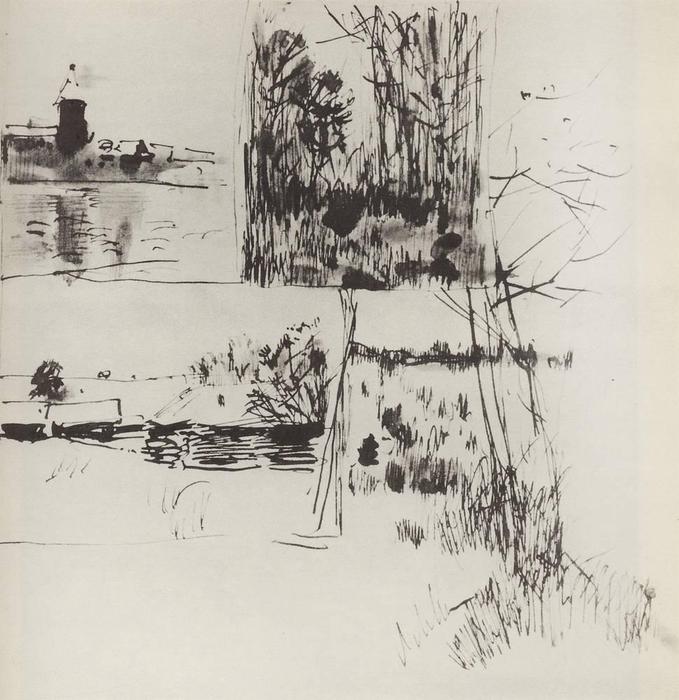
建物は水辺に。村の端にある。


 詳細を見る
詳細を見る
ジークレー/アートプリント
迅速な制作と多彩な仕上げオプションを備えた、ミュージアムクオリティのジークレーまたはキャンバスプリント。 ( 手描きの絵画を購入 画像を購入)




P118B $10

P118H $10

P118W $10

P438Z $10

P508JH $12

P508YH $12

P805H $10

P805Z $10

P919BZ $10

P919G $10

P919XJ $10

P959ZH $10

P968JZ $12

W106C $8

W218G $10

W218JH $8

W218Y $10

W307PJ $10

W316G $10

W316PJ $8

W316Y $10

W398PJ $8

W4111J $10

W500HY $15

W500JH $15

W692G $12

W849H $8

W940BG $15

W953PJ $8




作品のオリジナル比率に合わせた、当店の規定サイズからお選びください。

特定のフレームやスペースに合わせて、ご自身でサイズを指定することも可能です。選択されたサイズが元の画像の比率と一致しない場合、作品をトリミングするか、鏡面反射または単色での塗りつぶしによって画像を拡張いたします。制作を開始する前に、ご確認用のデジタルモックアップをお送りいたします。
画面上のプレビューには、実際のトリミングや拡張は反映されませんのでご注意ください。最終的な構図を正確に確認できるのは、モックアップのみとなります。
カスタムサイズも承っておりますが、元の比率を維持するためには、あらかじめ用意されたリストからサイズを選択することをお勧めいたします。


 ガラスオプションは、110cm未満のサイズでのみご利用いただけます。

建物は水辺に。村の端にある。
ジークレー/アートプリント
複製画のサイズ
-


合計金額
$ 62
Building by The Water. At The Edge Of Village – A Symphony Of Russian Landscape
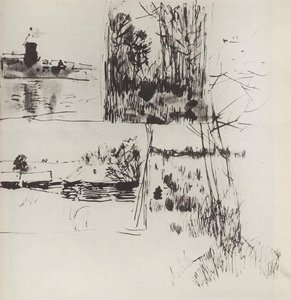
Isaac Levitan’s “Building by The Water. At The Edge Of Village,” created circa 1895, transcends mere visual representation; it embodies the very essence of Russian landscape painting—specifically what critics termed "mood landscapes." More than just capturing a picturesque vista, this monochrome sketch delves into the artist's profound connection to the Russian soul, distilling its melancholic beauty into deceptively simple lines and tonal values. Examining this masterpiece reveals layers of artistic intention and symbolic resonance that continue to captivate audiences today. ### Composition & Technique: Embracing Expressive Lineage Levitan deliberately rejected meticulous realism, aligning himself with the burgeoning Impressionist movement—influenced by artists like Monet and Renoir—and its predecessor, Post-Impressionism. The artwork’s composition is fragmented, presenting multiple viewpoints within a single image – a technique designed to heighten emotional impact rather than strict adherence to spatial accuracy. Thick, gestural lines dominate the sketch, conveying rapid execution and prioritizing feeling over precise detail. These bold strokes capture movement and atmosphere with remarkable immediacy—a hallmark of Levitan's distinctive style. Hatching and cross-hatching are skillfully employed to build form and texture, particularly in representing foliage and shadows; these techniques imbue the scene with palpable depth and volume. The artist’s conscious avoidance of conventional perspective contributes to a sense of spatial ambiguity, inviting viewers to contemplate the landscape’s mood rather than its literal depiction. ### Historical Context & Artistic Resonance: Reflections Of A Changing Era “Building by The Water” emerged during a pivotal period in Russian history—the twilight years of Tsarist rule marked by growing disillusionment with industrialization and urbanization. Artists like Levitan sought refuge in the natural world, perceiving it as an immutable bastion of beauty amidst societal transformation. This artistic impulse reflects broader cultural anxieties of the time – a yearning for authenticity and solace in simpler times. The melancholic tone conveyed through muted colors—primarily shades of grey—mirrors Levitan’s own emotional state and speaks to the Romantic sensibility prevalent throughout Russia during this era. ### Symbolism & Emotional Impact: Capturing The Soul Of Place The subject matter centers on a tranquil marsh or wetland area – a recurring motif in Levitan's oeuvre – symbolizing both solitude and contemplation. These landscapes served as a conduit for expressing inner emotions—a desire to transcend the superficial concerns of urban life. The distant buildings glimpsed amidst the reeds subtly underscore humanity’s relationship with nature, prompting reflection on our place within the grand scheme of existence. Ultimately, “Building by The Water” succeeds in conveying profound emotion through understated artistry – a timeless masterpiece that continues to resonate with those seeking beauty and contemplation. ### Materials & Reproduction Considerations: Authenticity And Aesthetic Harmony Executed primarily in paper and black ink/charcoal—materials chosen for their economical efficiency while maximizing expressive potential—the artwork embodies Levitan’s unwavering commitment to artistic integrity. High-quality reproductions strive to faithfully capture the tonal nuances and textural subtleties of the original sketch, allowing collectors and interior designers alike to appreciate Levitan's artistic vision. Consider framing options that complement the artwork’s subdued palette and enhance its contemplative mood – framing choices that honor the spirit of this iconic piece.関連作品
アーティストの略歴
Isaak Ilyich Levitan - A Symphony of the Russian Soul
Isaak Ilyich Levitan, a name synonymous with the evocative power of Russian landscape painting, was more than just a chronicler of nature; he was a poet of the land, a translator of its moods into visual form. Born in 1860 in Kibarty (present-day Lithuania) to a Jewish family who later settled in Moscow, Levitan’s life was marked by both profound hardship and an unwavering dedication to his art. The early loss of his mother and father instilled within him a sensitivity that would permeate his canvases with a melancholic beauty—a characteristic that would define his artistic vision throughout his career.Early Life and Artistic Formation
Levitan's formative years were shaped by considerable adversity. Orphaned shortly after birth, he endured homelessness and poverty as a child, experiences which profoundly impacted his worldview and fueled an innate desire to find solace in the natural world. Recognizing his talent early on, he enrolled at the Moscow School of Painting, Sculpture and Architecture in 1873, where he was mentored by Alexei Savrasov—a pivotal encounter that instilled in him Savrasov’s distinctive approach to landscape painting: capturing not merely visual appearance but also the intangible essence of atmosphere and emotion. Savrasov championed Levitan's burgeoning ability to translate feeling into form, guiding him toward a path of artistic exploration rooted in profound observation and emotional honesty. This influence would prove instrumental in shaping Levitan’s signature style—characterized by muted palettes, subtle tonal gradations, and masterful use of light and shadow.The Birth of Mood Landscape: Savrasov's Influence
Savrasov’s teachings solidified Levitan’s conviction that landscape painting could transcend mere representation to become a conduit for spiritual contemplation. Rejecting the prevailing academic conventions of his time—particularly the idealized depictions favored by Neoclassical artists—Savrasov encouraged Levitan to embrace a radically different aesthetic: *mood landscape*. This genre prioritized conveying emotion over topographical accuracy, seeking to evoke feelings of tranquility, solitude, or melancholy through carefully crafted compositions and evocative color harmonies. As Savrasov himself famously remarked, “The artist must not depict what he sees but what he feels.” This ethos resonated deeply with Levitan, informing his artistic practice from its inception and establishing him as a pioneer of this transformative movement within Russian art.A Distinctive Artistic Voice: Exploring Emotion Through Landscape
Levitan swiftly distinguished himself as an artist capable of capturing profound emotion through landscape—a feat that cemented his reputation as one of the foremost practitioners of mood landscape. His canvases pulsated with palpable feeling, reflecting his own inner turmoil and grappling with themes of loss, longing, and mortality. Unlike many of his contemporaries who adhered to rigid stylistic conventions, Levitan cultivated a uniquely expressive style characterized by loose brushstrokes, diffused tonal ranges, and an intuitive grasp of atmospheric effects. Works such as *Autumn Day. Sokolniki* (1879)—painted during his formative years—exemplify this distinctive aesthetic—a testament to Levitan’s ability to distill complex emotions into deceptively simple visual forms. The painting's subdued palette and delicate rendering of light create a sense of wistful nostalgia, hinting at the transience of beauty and the inevitability of change.Major Achievements and Legacy
Levitan’s artistic journey culminated in recognition from the Imperial Academy of Arts—a testament to his growing stature within the Russian art world. He subsequently served as head of the landscape studio at Moscow School of Painting, Sculpture and Architecture, nurturing the talent of aspiring artists and perpetuating Savrasov's legacy of emotional landscape painting. His influence extended far beyond his students, shaping the trajectory of Russian landscape art for decades to come—inspiring generations of painters to explore the expressive potential of nature with unwavering sensitivity and conviction. Levitan’s enduring contribution to Russian culture lies in his ability to transform visual observation into profound artistic contemplation—a feat that continues to captivate audiences today. His paintings remain a poignant reminder of the beauty and melancholy inherent in the human condition, forever enshrined as masterpieces of mood landscape and symbols of Russia's soulful spirit.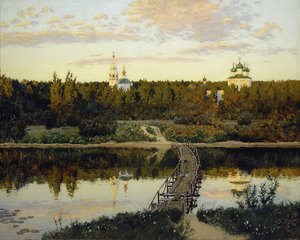
イサク・イリイチ・レヴィタン
1860 - 1900 , ロシア
基本情報
- Artistic Movement Or Style: ムードランド風景画、リアリズム
- Artists Who Influenced This Artist: ['アレクセイ・サヴァロフ」「ヴィタリー・ポレノフ」\n }']
- Date Of Birth: August 30, 1860
- Date Of Death: July 22, 1900
- Full Name: Isaak Ilyich Levitan
- Nationality: ロシア語
- Notable Artworks: ['秋の日のソコリンキ」「ウラジミールカ通り」「永遠の休息」「春の洪水」「嵐の日」「ヴェスパーの鐘']
- Place Of Birth: Kibarty, Lithuania
関連記事

Watercolor Wonders: 10 Masterpieces That Redefined Art History | ArtsDot
Journey through 10 legendary watercolor masterpieces by Sargent, Turner & Homer! Explore iconic landscapes, portraits & floral art that redefined history. Find museum-quality reproductions and curated decor ideas at ArtsDot.com.

Ephemeral Visions: Exploring the Artistic Legacy & Contemporary Practice of Watercolor Painting
Explore the captivating world of watercolor painting! Discover its rich history, essential techniques, influential artists & collecting tips. A comprehensive guide for art enthusiasts from ArtsDot.
Ephemeral Visions: Exploring the History & Emotional Resonance of Watercolor Painting
Explore the captivating history of watercolor painting, from ancient techniques to modern masters like Kandinsky & Blake. Discover essential artists, collecting tips & the emotional power of this luminous medium. Expert insights for art enthusiasts.

Ephemeral Visions: Exploring the Artistic Legacy & Nuances of Watercolor Painting
Explore the captivating world of watercolor painting! Discover its rich history, essential techniques, influential artists & collecting tips from art experts. A comprehensive guide for enthusiasts.
Ephemeral Echoes: Exploring the Aesthetic & Historical Significance of Vintage Watercolor Painting
Explore the captivating world of vintage watercolor painting! Discover its rich history, techniques, influential artists & collecting tips. Expert insights for enthusiasts and collectors at ArtsDot.