

 プレビュー
プレビュー
 シェアする
シェアする シェアする
シェアする
 詳細を見る
詳細を見る

 ダウンロード
 似ている作品
 X線調査
X線調査 スライドショー
 統計情報
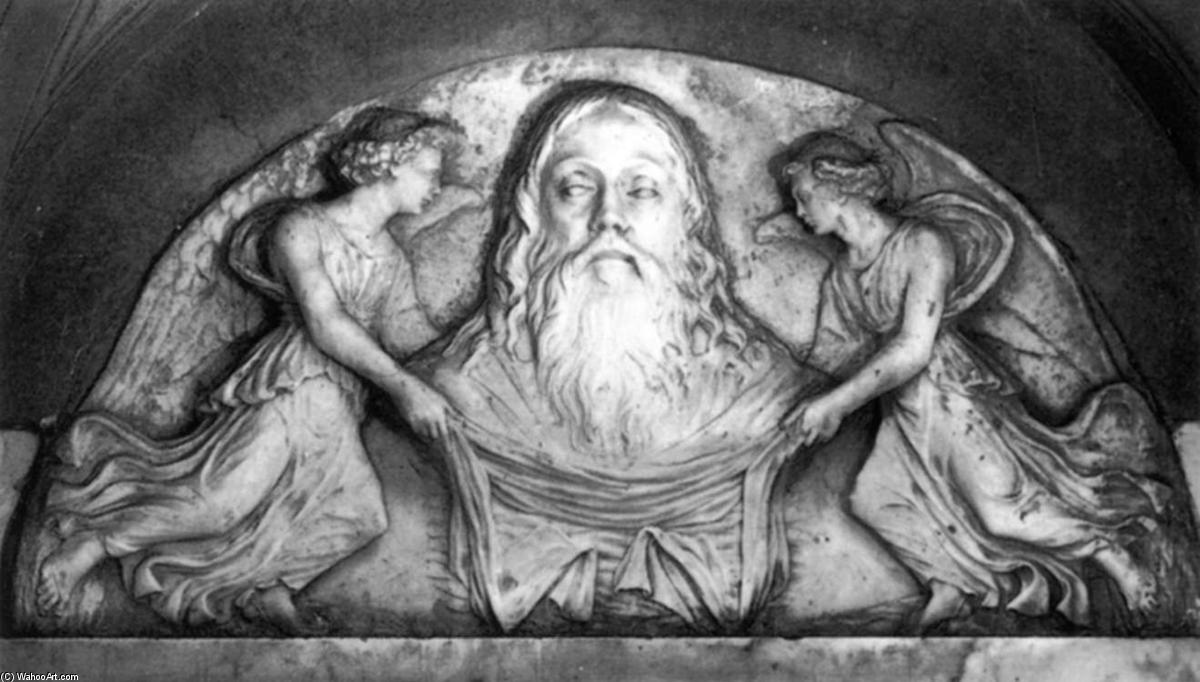
統計情報Reliquary Tabernacle of the Head of St Andrew


 詳細を見る
詳細を見る
ジークレー/アートプリント
迅速な制作と多彩な仕上げオプションを備えた、ミュージアムクオリティのジークレーまたはキャンバスプリント。 ( 手描きの絵画を購入 デジタル画像販売へ切り替え)




































作品のオリジナル比率に合わせた、当店の規定サイズからお選びください。

特定のフレームやスペースに合わせて、ご自身でサイズを指定することも可能です。選択されたサイズが元の画像の比率と一致しない場合、作品をトリミングするか、鏡面反射または単色での塗りつぶしによって画像を拡張いたします。制作を開始する前に、ご確認用のデジタルモックアップをお送りいたします。
画面上のプレビューには、実際のトリミングや拡張は反映されませんのでご注意ください。最終的な構図を正確に確認できるのは、モックアップのみとなります。
カスタムサイズも承っておりますが、元の比率を維持するためには、あらかじめ用意されたリストからサイズを選択することをお勧めいたします。


 ガラスオプションは、110cm未満のサイズでのみご利用いただけます。

Reliquary Tabernacle of the Head of St Andrew
ジークレー/アートプリント
複製画のサイズ
-


合計金額
$ 62
関連作品
アーティストの略歴
Isaia da Pisa: The Silent Master of Roman Majesty
Isaia da Pisa, a name perhaps less familiar than those of his contemporaries in the bustling workshops of Florence and Rome, nevertheless stands as a pivotal figure in the late 15th-century Italian Renaissance. Born around 1410 in Pisa, he emerged from a lineage steeped in stoneworking tradition – his grandfather, Giovanni di Gante, was a skilled artisan, and his father, Pippo di Giovanni de Ghante da Pisa, even collaborated with the legendary Donatello on the magnificent Brancacci monument in Florence. This familial connection to craftsmanship undoubtedly shaped Isaia’s early artistic development, grounding him in the fundamental techniques of carving and modeling stone.
While much about Isaia's life remains shrouded in mystery – biographical details are scarce and often intertwined with legend – his career primarily unfolded during a period of intense artistic innovation. He spent considerable time in Rome, a city undergoing a dramatic transformation fueled by papal patronage and the rediscovery of classical ideals. This Roman environment profoundly influenced his style, leading him to embrace the refined elegance and restrained emotion characteristic of late Gothic and early Renaissance sculpture. Unlike the flamboyant expressiveness often associated with artists like Michelangelo or Leonardo, Isaia’s work is marked by a quiet dignity and an almost meditative quality.
The Reliquary Tabernacle of St Andrew: A Testament to Roman Patronage
Isaia da Pisa's most celebrated achievement is undoubtedly the Reliquary Tabernacle of the Head of St Andrew, housed within the Grotte Vaticane (Vatican Caves) in Rome. Commissioned around 1463-64 for Pope Pius II, this extraordinary work represents a culmination of Isaia’s artistic vision and a testament to the lavish patronage that characterized the papal court. The tabernacle is not merely a container for relics; it's a miniature architectural marvel, meticulously crafted from white marble and adorned with intricate carvings depicting scenes from the life of St Andrew, the apostle to whom the relic belonged.
The level of detail is astonishing – every figure, drapery fold, and architectural element is rendered with remarkable precision. Isaia’s mastery of perspective and his understanding of classical forms are evident throughout the piece. Notably, he collaborated with Paolo Romano on this project, demonstrating a willingness to learn from and engage with other skilled artisans. The tabernacle's serene atmosphere and its subtle emotional resonance have captivated viewers for centuries, solidifying Isaia’s reputation as one of Rome’s most accomplished sculptors.
A Shadowy Figure in the Shadows of Fra Angelico
Beyond the Reliquary Tabernacle, Isaia da Pisa's oeuvre is relatively modest, consisting primarily of commissions undertaken in collaboration with other artists. However, his contributions to the Tomb of Fra Angelico in the church of San Marco in Florence are significant. He sculpted the elaborate reliquary that housed the saint’s remains, a work reflecting the same meticulous craftsmanship and restrained elegance seen in the St Andrew tabernacle.
Interestingly, Isaia's style appears to have been influenced by the Roman sculptural tradition of the late 14th and early 15th centuries – a period marked by a revival of classical forms and a preference for idealized figures. His work demonstrates a remarkable ability to synthesize these influences, creating sculptures that are both deeply rooted in Italian artistic heritage and imbued with a sense of timeless beauty.
Legacy and Historical Context
Isaia da Pisa’s legacy is often overshadowed by the brilliance of his more famous contemporaries, yet his contributions to the development of Renaissance sculpture are undeniable. He represents a crucial link between the Gothic and Early Renaissance styles, embodying the quiet dignity and restrained emotion that characterized much of Roman art during this period. His work reflects the influence of humanist ideals – particularly the emphasis on classical forms and the pursuit of beauty – while also retaining a deep connection to Italian artistic tradition.
Despite the scarcity of biographical information, Isaia da Pisa’s impact is felt through his enduring creations: monuments that speak volumes about the artistry, patronage, and spiritual aspirations of Renaissance Rome. He remains a testament to the power of subtle skill and quiet mastery – a silent master whose work continues to inspire awe and admiration.
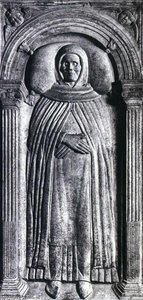
isaia da pisa
1410 - , Italy
基本情報
- Artistic Movement Or Style: Renaissance Sculpture
- Artists Or Movements Influenced By This Artist: ['Late Roman Sculpture']
- Artists Who Influenced This Artist:
- Donatello
- Nicola Pisano
- Date Of Birth: 1410
- Full Name: Isaia da Pisa
- Nationality: Italian
- Notable Artworks:
- Reliquary Tabernacle St Andrew
- Tomb Fra Angelico
- Place Of Birth: Pisa, Italy