

 プレビュー
プレビュー
 シェアする
シェアする シェアする
シェアする
 詳細を見る
詳細を見る

 ダウンロード
 似ている作品
 X線調査
X線調査 スライドショー
 統計情報
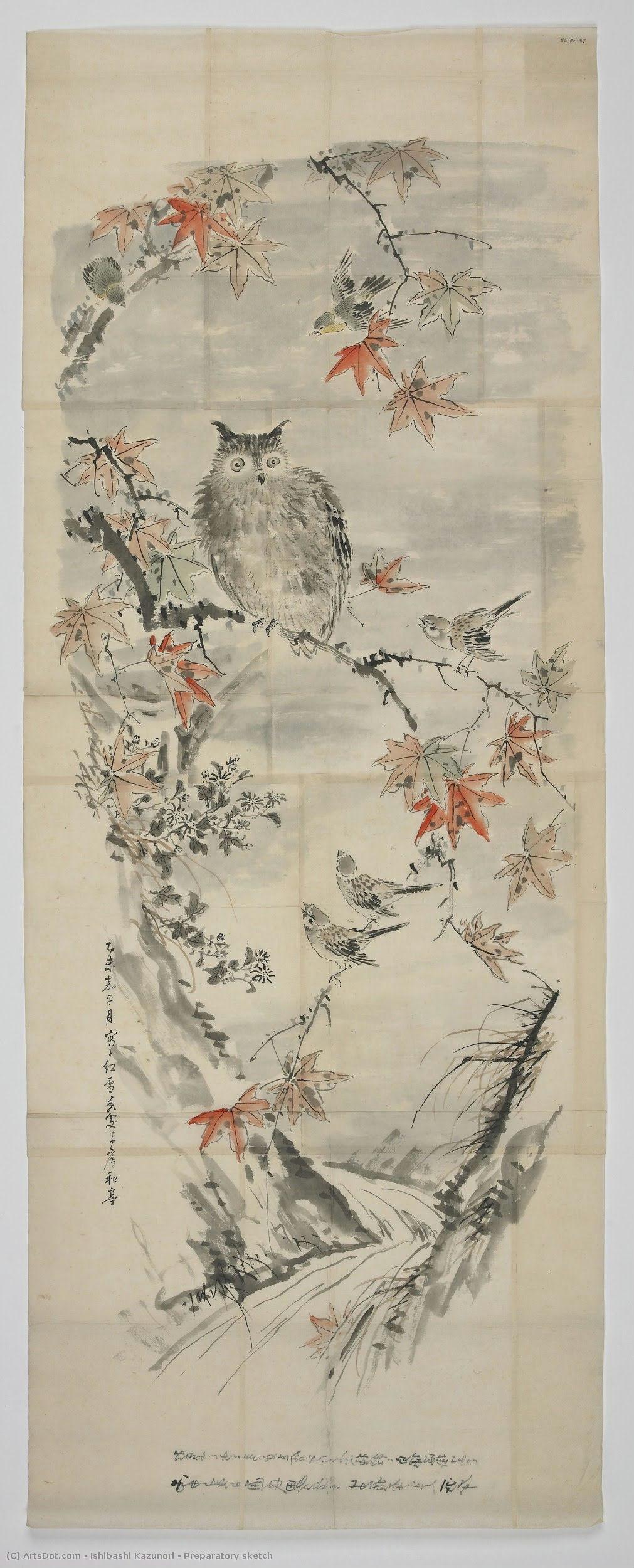
統計情報Preparatory sketch
 Watercolor
- WallArt
- Japanese Painting
 19th Century
 32.0 x 50.0 cm
 National Museums Liverpool
 詳細を見る
詳細を見る
ジークレー/アートプリント
迅速な制作と多彩な仕上げオプションを備えた、ミュージアムクオリティのジークレーまたはキャンバスプリント。 ( 手描きの絵画を購入 デジタル画像販売へ切り替え)




P118B $10

P118H $10

P118W $10

P438Z $10

P508JH $12

P508YH $12

P805H $10

P805Z $10

P919BZ $10

P919G $10

P919XJ $10

P959ZH $10

P968JZ $12

W106C $8

W218G $10

W218JH $8

W218Y $10

W307PJ $10

W316G $10

W316PJ $8

W316Y $10

W398PJ $8

W4111J $10

W500HY $15

W500JH $15

W692G $12

W849H $8

W940BG $15

W953PJ $8




作品のオリジナル比率に合わせた、当店の規定サイズからお選びください。

特定のフレームやスペースに合わせて、ご自身でサイズを指定することも可能です。選択されたサイズが元の画像の比率と一致しない場合、作品をトリミングするか、鏡面反射または単色での塗りつぶしによって画像を拡張いたします。制作を開始する前に、ご確認用のデジタルモックアップをお送りいたします。
画面上のプレビューには、実際のトリミングや拡張は反映されませんのでご注意ください。最終的な構図を正確に確認できるのは、モックアップのみとなります。
カスタムサイズも承っておりますが、元の比率を維持するためには、あらかじめ用意されたリストからサイズを選択することをお勧めいたします。


 ガラスオプションは、110cm未満のサイズでのみご利用いただけます。

Preparatory sketch
ジークレー/アートプリント
複製画のサイズ
-


合計金額
-
Ishibashi Kazunori: Bridging Tradition and Innovation in Japanese Landscape Painting
Ishibashi Kazunori (石橋 和訓; 1876–1928) stands as a pivotal figure in the late Meiji era’s artistic landscape, embodying a remarkable synthesis of Western influences—particularly Yōga—with the enduring traditions of Nihonga. Born in Shimane Prefecture, he embarked on an ambitious journey to master both styles, ultimately achieving renown for his evocative depictions of nature and his masterful execution of ink wash techniques. His legacy continues to inspire artists today, cementing his place as one of Japan’s most celebrated painters.Early Life and Artistic Influences
Kazunori's formative years were marked by a deep immersion in the teachings of Taki Katei, a prominent proponent of Yōga—the Western style of painting championed during Japan’s modernization process. This exposure instilled in him an appreciation for bold color palettes and expressive brushstrokes, characteristics distinctly absent from earlier Nihonga traditions. However, Kazunori recognized that true artistic advancement demanded embracing the richness of Japanese aesthetics, propelling him to study at the Royal Academy Schools in London where he honed his skills alongside fellow artists like Bernard Leach. This transatlantic exchange profoundly shaped his artistic vision.A Unique Synthesis: Yōga and Nihonga Combined
Kazunori’s distinctive style emerged from a deliberate effort to reconcile these seemingly disparate influences. He skillfully navigated the complexities of both Yōga and Nihonga, creating artworks that transcended stylistic boundaries while retaining an unmistakable Japanese sensibility. Unlike many artists of his time who adhered rigidly to one tradition, Kazunori sought to capture the essence of nature—particularly birds and flowering branches—through a nuanced blend of Western color theory and Eastern compositional principles. This approach resulted in paintings imbued with both vibrancy and serenity, reflecting the profound connection between artist and subject.“Woman Reading Poetry”: A Masterpiece Defined
Perhaps Kazunori’s most enduring achievement is “Woman Reading Poetry,” currently housed at the Shimane Art Museum. Considered his magnum opus by critics and scholars alike, this portrait exemplifies Kazunori's ability to convey emotion through subtle detail and masterful brushwork. The subject—a woman absorbed in literature—was modeled after an English actress, a deliberate choice that underscores Kazunori’s engagement with Western artistic conventions. Yet, the painting retains a distinctly Japanese aesthetic quality, achieved through meticulous observation of light and shadow and a restrained palette dominated by muted earth tones. It stands as a testament to Kazunori's unwavering commitment to capturing the human spirit within the framework of traditional Japanese art.Symbolism and Emotional Resonance
The imagery employed in Kazunori’s paintings resonates with deep symbolic significance rooted in Buddhist cosmology and Confucian philosophy. Birds, frequently depicted in Nihonga landscapes, symbolize freedom, longevity, and auspicious fortune—themes central to Japanese cultural heritage. Similarly, flowering branches evoke notions of beauty, renewal, and the cyclical rhythms of nature. Kazunori's artworks invite contemplation on these profound concepts, fostering a sense of harmony between humanity and the natural world. They are not merely representations of scenery; they are expressions of inner reflection and spiritual aspiration—qualities that continue to captivate audiences worldwide.Technique and Materials: The Art of Ink Wash
Kazunori’s technique exemplifies the mastery of ink wash painting (墨絵), a cornerstone of Nihonga tradition. He employed thin washes of ink layered upon one another with painstaking precision, utilizing brushes of varying sizes and shapes to achieve remarkable textural effects. Careful attention was paid to capturing subtle gradations of tone—a hallmark of Japanese landscape art—creating images that shimmer with luminosity and depth. The artist’s meticulous approach ensured that every stroke conveyed a sense of deliberate intention, reflecting the profound respect for nature inherent in Nihonga aesthetics. This dedication to craft elevates Kazunori's paintings beyond mere visual spectacle, transforming them into enduring symbols of artistic excellence.関連作品
アーティストの略歴
石橋一教:伝統と近代を繋ぐ架け橋
早年期と芸術の黎明
石橋一教(石橋若雲、画号:牛画薤としても知られる)は、1876年に日本に生を受け、1928年にその生涯を閉じました。彼の幼少期に関する詳細な記録は決して多くはありませんが、当初は日本の伝統的な絵画技法の研鑽に身を投じていたことが分か説いています。しかし、西洋美術の影響を受けた洋画という新たな潮流への情熱が、やがて彼を虜にしました。この決定的な転換点は、確立された芸術的規範と革新的なアプローチを融合させるという、彼の探求の始まりとなったのです。芸術的展開と独自の様式
石橋の芸術的な旅路は、日本の伝統美と西洋の絵画技法との類まれな融合によって特徴づけられます。彼は洋画と日本画という、相反する複雑な様式を巧みに操り、彼にしか成し得ない独自の作品群を生み出しました。その作風は、大胆な色彩、表情豊かな筆致、そして細部への鋭いこだわりによって、一目でそれと見分けることができます。美しい女性や風景、静物画を頻繁に描き出しただけでなく、遠近法や陰影に対する革新的な理解を示し、画面に深みと立体感をもたらしました。代表作とその功績
石橋一教の最も名高い作品として、「詩を読む女」や「扇の意匠」が挙げられます。現在島根県立美術館に収蔵されている「詩を読む女」は、彼の最高傑作として広く知られています。ある英国人女優をモデルにしたと言い伝えられており、島根県の文化財にも指定されています。また、様々な形態で残る「扇の意匠」は、伝統的な日本美術のエッセンスを現代的な文脈の中で捉え直す、彼の卓越した技量を見事に示しています。絹や紙に施された岩絵具や有機的な素材の使用は、彼の全作品に通底する独特の質感と色彩美に寄与しました。影響と遺産
具体的な影響源については詳細な記録が残っていないものの、石橋一教の作品には、当時の日本における芸術的遺産と西洋的な絵画様式への深い関わりが明確に刻まれています。彼の革新的なアプローチは、その後の日本美術の発展に多大な影響を与え、次世代の芸術家たちにインスピレーションを与え続けました。特筆すべきは、写実的な洋画風肖像画で知られる岸田劉生が、石橋の技法と芸術的ヴィジョンに影響を受けた一人であったことです。歴史的意義
石橋一教は、伝統と近代の隔たりを埋めることに成功した芸術家として、日本美術史において極めて重要な地位を占めています。洋画と日本画の様式を統合するその能力は、同時代の人々の共感を呼び、現代に至るまでアーティストたちに刺激を与え続けています。東京の室町美術館には彼の見事なコレクションが収蔵されており、それは彼の芸術的な多才さと不朽の遺産の証となっています。明治・大正期における日本絵画の変遷を辿る者にとって、彼は今なお欠かすことのできない重要な人物であり続けています。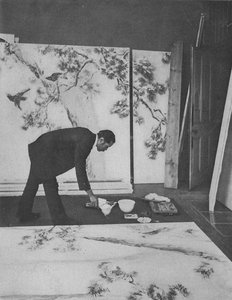
石橋一登
1876 - 1928 , 日本
基本情報
- Birth Date: 1876年
- Birth Place: 日本
- Death Date: 1928年
- Influenced: ['岸田劉生']
- Movement:
- 洋画
- 日本画
- Name: 石橋一規
- Nationality: 日本人
- Notable Works:
- 詩を読む女
- 扇子の意匠
関連記事
The Beauty of Ink Wash: Discover Serene & Soulful Art for Your Home
Discover the tranquil beauty of ink wash painting. Explore how Sumi-e and monochrome landscapes bring Zen-inspired serenity and soulful elegance to your home decor through expert curation and timeless East Asian aesthetics.

Crimson Threads of Narrative: Exploring Symbolism & Representation in Artworks Featuring the Red Dress
Explore the rich symbolism of the red dress in art history! From ancient power displays to iconic portraits like Cézanne’s 'Madame Cezanne', discover the cultural and artistic significance behind this captivating color. Expert analysis & insights.
Blossoming Symbolism: A Historical Journey Through Flowers in Western Painting
Explore the rich history of flower symbolism in Western painting! Discover how artists from the Renaissance to Modernism used blossoms to convey meaning, emotion & beauty. Learn about iconic artworks and movements.
Ephemeral Expressions: Exploring the Nuances of Ink on Paper Through History & Contemporary Art
Explore the captivating world of ink wash painting – from its ancient origins to contemporary masters. Discover techniques, symbolism & conservation insights with ArtsDot.com.
Ephemeral Lines: Exploring Emotional Resonance in Ink Sketching Traditions
Explore the profound art of ink sketching! Discover techniques to express emotion, master line work, and cultivate artistic sensitivity. Learn from historical masters & unlock your creative potential.
