

 プレビュー
プレビュー
 シェアする
シェアする シェアする
シェアする
 詳細を見る
詳細を見る

 ダウンロード
 似ている作品
 X線調査
X線調査 スライドショー
 Stats
StatsRed Flower: The Women of Okinawa (7 of 11)
 Acrylic On Canvas
- WallArt
- Documentary Photography
 1975
1975 15.0 x 23.0 cm
 クイーンズランド美術館 | ゴマ(ギャラリー・オブ・モダン・アート)
 詳細を見る
詳細を見る
手描き油彩複製画
当社のアーティストが、お客様のご希望のサイズと額縁に合わせて、キャンバスに手描きで制作する油彩画です。 ( Switch to Print Switch to Digital Image)




P118B $10

P118H $10

P118W $10

P438Z $10

P508JH $12

P508YH $12

P805H $10

P805Z $10

P919BZ $10

P919G $10

P919XJ $10

P959ZH $10

P968JZ $12

W106C $8

W218G $10

W218JH $8

W218Y $10

W307PJ $10

W316G $10

W316PJ $8

W316Y $10

W398PJ $8

W4111J $10

W500HY $15

W500JH $15

W692G $12

W849H $8

W940BG $15

W953PJ $8




作品のオリジナル比率に合わせた、当店の規定サイズからお選びください。

特定のフレームやスペースに合わせて、ご希望のサイズをご入力いただけます。選択されたサイズが元の画像の比率と異なる場合、アートワークをトリミングするか、手描きで要素を追加して絵画を拡張いたします。デジタルモックアップ を制作し、制作開始前にご確認(承認)をいただきます。
画面上のプレビューは、実際のトリミングや拡張を正確に反映しているものではありません。最終的な構図は、モックアップによってのみ正確にご確認いただけます。
カスタムサイズもご利用いただけますが、元の比率を維持するためには、あらかじめ用意されたリストからサイズを選択することをお勧めいたします。
ご注文後、ArtsDot.com チームより詳細な指示をお送りするとともに、仕上がりイメージ(モックアップ)をご提供いたします。


 ガラスオプションは、110cm未満のサイズでのみご利用いただけます。

Red Flower: The Women of Okinawa (7 of 11)
複製技法
複製画のサイズ
-


合計金額
$ 263
Red Flower: The Women of Okinawa – A Portrait of Resilience
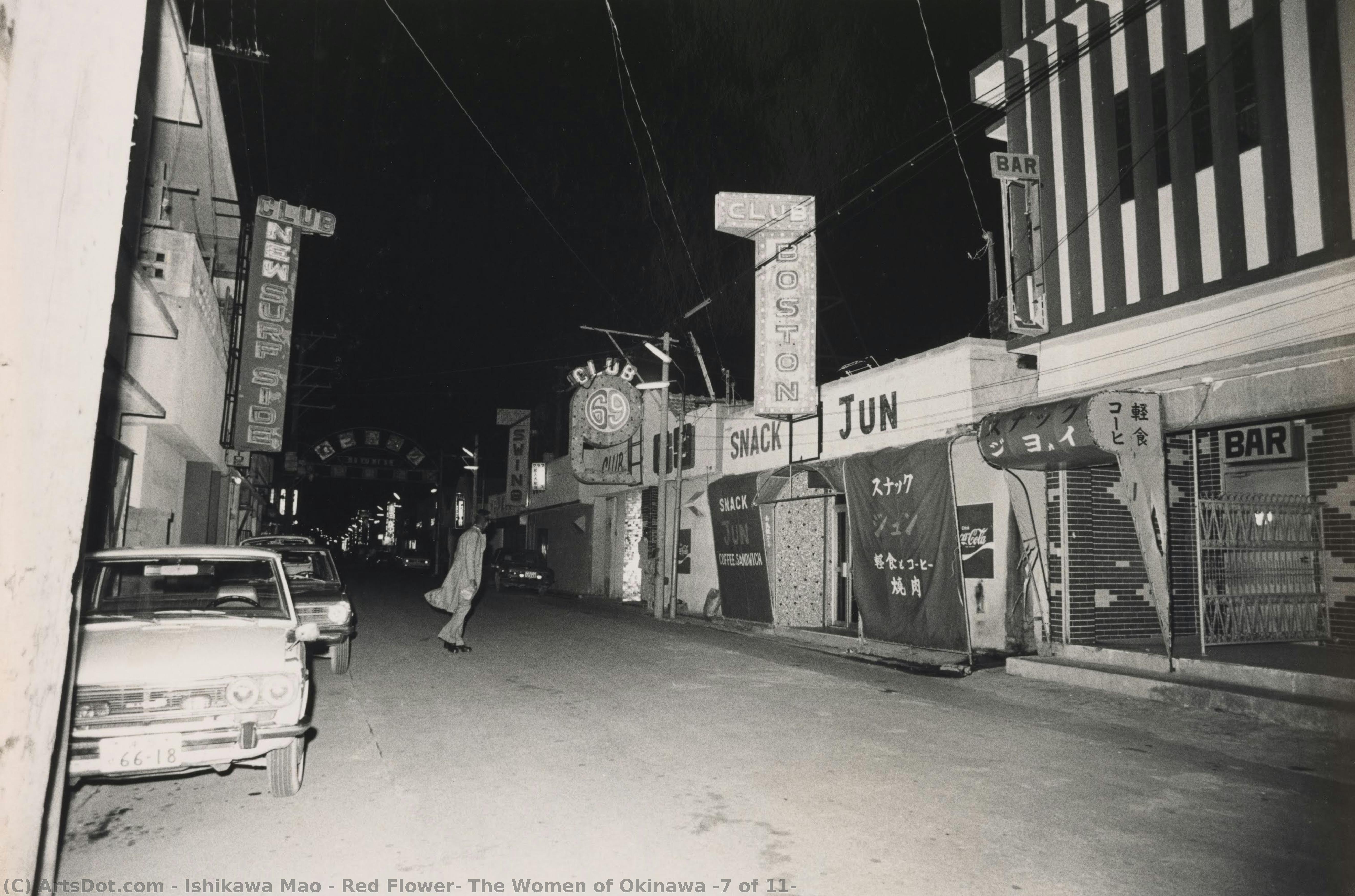
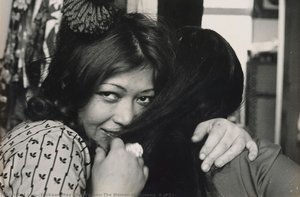
Mao Ishikawa’s “Red Flower: The Women of Okinawa (7 of 11)” isn't merely a photograph; it’s a snapshot crystallized in time—a testament to Okinawan identity during the turbulent years following US occupation. Captured in April 1975, this image documents Ishikawa’s foray into Koza City, where she established a bar catering primarily to African American personnel amidst an era of unofficial segregation. More than just capturing a scene, Ishikawa embarked on a mission to portray the women who defied societal norms by engaging in relationships with servicemen—a courageous act that challenged prevailing attitudes and fueled discussions about cultural autonomy. The photograph itself exudes an atmosphere of quiet observation. Dominated by a narrow street illuminated by artificial lights, it depicts a typical Japanese urban landscape populated by diverse establishments – bars, restaurants (including ‘Jun’), and shops. A solitary figure walks down the center of the road, emphasizing the sense of solitude and fostering contemplation within the viewer’s gaze. Ishikawa skillfully employs perspective—slightly angled—drawing the eye towards the distant buildings and creating depth that enhances the overall impression. Lines are prominent throughout the composition: vertical stripes on the bar sign, horizontal lines across storefronts, and the receding contours of the street itself – elements meticulously considered to guide the viewer's attention and contribute to the image’s narrative power.- Composition: The photograph’s central figure anchors the scene, while the surrounding architecture provides context and depth.
- Lighting: Uneven illumination highlights key details—signs and building facades—creating dramatic contrasts that heighten visual impact.
- Texture: Ishikawa's grainy technique lends a palpable sense of realism to the image, mirroring the weathered appearance of the buildings and conveying the tactile quality of Okinawan life.
Artist’s Vision & Context – Ishikawa’s Journey Through Occupation
Mao Ishikawa’s artistic trajectory is inextricably linked to Okinawa's history—specifically its experience under US occupation (1945-1972). Born and raised in a society grappling with the aftermath of WWII, Ishikawa emerged during a period marked by profound upheaval and loss. The island endured devastating bombing raids, resulting in 90 percent of its buildings being destroyed, and witnessing the exodus of nearly half its population. This formative experience instilled within Ishikawa a deep empathy for marginalized communities and fueled her unwavering commitment to documenting their realities—a dedication that extends beyond mere visual representation; it embodies a profound engagement with cultural identity and social justice. Ishikawa’s artistic influences stemmed from Shomei Tomatsu, whose groundbreaking approach to postwar Japan championed unconventional perspectives and challenged conventional aesthetic norms. Inspired by Tomatsu's pioneering spirit, Ishikawa pursued her own distinctive style—characterized by immersive portraits and an uncompromising honesty—resulting in images that resonate with emotional depth and intellectual curiosity. Her work reflects a desire not just to record what is seen but to convey the unspoken narratives embedded within everyday life.Symbolism & Emotional Resonance – Beyond Representation
“Red Flower: The Women of Okinawa” transcends simple documentation; it embodies a powerful symbolic gesture—a celebration of youthful defiance and intimate connection amidst societal constraints. Ishikawa’s portraits capture the spirit of Okinawan women who dared to challenge social taboos by pursuing relationships with American servicemen, highlighting their resilience and determination in confronting prejudice. The photograph's grainy texture evokes memories of a bygone era, mirroring the island’s scarred landscape—a visual reminder of its wartime trauma and subsequent occupation. Ishikawa’s masterful use of light and shadow contributes to the image’s emotional impact, creating an atmosphere of contemplative solitude that invites viewers to contemplate themes of freedom, vulnerability, and cultural identity. The artist's unwavering conviction—expressed in her poignant declaration that she hates the US military but loves American soldiers—underscores the complexities inherent in navigating geopolitical tensions while preserving cultural heritage.Technical Details – Craftsmanship & Legacy
The photograph itself is executed with meticulous care using gelatin silver printing techniques—a method favored by Ishikawa for its ability to capture subtle tonal variations and produce a distinctive grain. The image was created in 1975–77, utilizing archival photographic paper and chemicals—materials that have endured the passage of time remarkably well, preserving the original aesthetic qualities of the artwork. Ishikawa’s daughter discovered the prints after sorting through items in her father's home—a serendipitous rediscovery that ensured the preservation of these iconic images for future generations. The photograph’s enduring appeal lies not only in its visual beauty but also in its profound contribution to documenting Okinawan culture during a pivotal moment in history.関連作品
アーティストの略歴
没入する生:石川真茂のフォトグラフィー
1953年、日本、沖縄の宜野座村に生まれた石川真茂の人生と芸術的ビジョンは、故郷である島の複雑な歴史や鮮やかな文化と分かちがたく結びついています。単なるドキュメンタリー作家という枠を超え、石川は没入型のストーリーテラーであり、境界で生きる人々の記録者であり、そして現代の沖縄を形作ってきた社会政治的な力の恐れを知らぬ観察者でもあります。彼女の作品の本質は、被写体をただ「見る」ことではなく、その世界の中に身を置き、その空気を吸い、語られざる物語を理解することにあります。この深い関わりこそが彼女のフォトグラフィーを定義しており、めったに出会うことのできない親密さと剥き出しの誠実さを湛えたイメージを生み出しています。米軍クラブの喧騒から、沖縄の港町が持つ静かな尊厳に至るまで、石川のレンズは主流派の視点が見落としがちな現実を捉えて離しません。初期のヴィジョン:変貌する沖縄の記録
石川の写真への道のりは、沖縄にとって大きな転換期に始まりました。数十年にわたる米軍統治を経て、島は1972年に日本へと返還されましたが、その返還は完全な解放をもたらすものではありませんでした。米軍基地の継続的な存在や、沖縄のアイデンティティと日本主権との間の複雑な関係が、彼女の作品の核心的なテーマとなっていきます。当初は東京のワークショップ・スクール・オブ・フォトグラフィーで東松照明に師事しましたが、石川はすぐに独自の道を切り開き、目の前で展開される人々の生活を記録すべく沖縄へと戻りました。初期のシリーズである『赤い花:沖縄の女性たち』(1975年)は、その決意の力強い証しとなっています。この痛切なモノクロームのコレクションは、米軍兵士を相手にするバーで働く女性たち――しばしば疎外され、誤解されてきた人々――に、容赦のない眼差しを向けました。石川は彼女たちの強靭さ、脆さ、そして静かな力強さを描くことを避けることなく、共感的でありながらも深く真実を暴き出すポートレートを作り上げました。この活動は単なる観察ではありませんでした。彼女は被写体と共に暮らし、かつてないほどの親密さを可能にする信頼関係を築き上げたのです。この没入的なアプローチは彼女のスタイルの象徴となり、自らが語る物語に深くコミットする写真家としての地位を確立させました。政治的覚醒:米軍存在への対峙
石川のキャリアが進むにつれ、その作品にはますます明白な政治的色彩が帯びていきました。常に人間的な経験に根ざしながらも、彼女は沖縄における米軍存在という論争的な問題や、事態に対処する日本政府への不信感の高まりに対し、直接的に向き合い始めました。彼女の写真は個人のポートレートを超え、より広範な情景――活動中の兵士、国内外に広がる軍事基地、そしてこれらの力が沖縄の生活に与える具体的な影響――を包含するようになりました。この変化は突然の転向ではなく、島とその人々との深い結びつきから生まれた自然な進化でした。彼女は自身の写真を社会的な批評やアクティビズムの一形態として使い始め、支配的なナラティブに異議を唱え、しばしば沈黙を強いられる人々に声を与えたのです。この時期、石川は単なる芸術家としてだけでなく、政治的に緊張した風景の複雑さを恐れずに記録する、時代における不可欠な記録者としての役割を確固たるものにしました。「大琉球写真絵巻」と不朽の遺産
石川の最も野心的で現在も続くプロジェクトである『大琉球写真絵巻』(2014年〜)は、進化し続ける彼女の芸術的ビジョンを象徴しています。この物語主導の作品は、風刺やポップカルチャーへの言及、そして歴史的出来事の遊び心ある再構築を用いることで、沖縄史の重要な瞬間を再構成していきます。これは伝統的なドキュメンタリー写真からの大胆な脱却ですが、真実と社会批評への彼女の献身には深く根ざしたままです。このシリーズは過去の強力な再解釈として機能し、従来の理解に挑戦し、鑑賞者に既成の物語を疑うよう促します。石川の貢献は広く認められており、2019年には日本写真家協会から生涯功労賞を授与されました。彼女の作品は、横浜美術館、クイーンズランド美術館、東京都写真美術館、沖縄県立博物館、MoMA PS1など、世界的な権威を持つ機関で展示されてきました。石川真茂の遺産は、その素晴らしい写真の中にだけあるのではありません。真実を記録し、対話を育み、沖縄の文化的記憶を守り抜こうとする揺るぎない献身の中にこそ存在しています。それは、社会変革と芸術的表現のための力としての写真の可能性を証明するものなのです。影響と芸術的スタイル
- ドキュメンタリーの伝統: 石川の作品は、社会的なリアリズムと疎外されたコミュニティに焦点を当て、被写体との深い関わりを優先するドキュメンタリーの伝統と共鳴しています。
- 没入型のアプローチ: 彼女のスタイルは、記録対象となる環境の中に身を置き、被写体との深い結びつきを重視する写真家たちの志向を示しています。
- 剥き出しの美学と物語性: 彼女は、容赦のない生々しい美学と繊細な物語性を融合させ、視覚的に強烈でありながら感情に深く響くイメージを生み出しています。
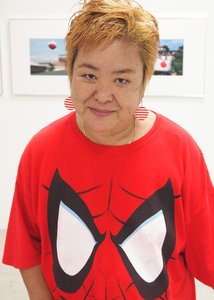
石川真
1953 - , 日本
基本情報
- Artistic Movement Or Style: ドキュメンタリー写真
- Artists Who Influenced This Artist: ['東松照明']
- Date Of Birth: 1953年
- Full Name: 石川真
- Nationality: 日本人
- Notable Artworks:
- 赤い花:沖縄
- 港町の哀歌
- 大琉球写真絵巻
- Place Of Birth: 日本、大宜味村
関連記事

Giclée Prints: Archival Quality & Aesthetic Nuances for the Discerning Collector
Explore the world of giclée prints with ArtsDot. Learn about archival quality, aesthetic nuances & investment potential. Expert guidance for discerning art collectors seeking museum-quality reproductions and lasting value.

Monochrome Visions: Exploring the Aesthetic & Historical Significance of Black & White Photography
Explore the rich history & artistic power of black and white photography. From early techniques to iconic masters like Ansel Adams, discover why monochrome continues to captivate art lovers today. Expert insights for collectors.

葛飾北斎:25の傑作が語る浮世絵の世界 - ArtsDot
葛飾北斎の25選:『神奈川沖浪裏』や『富嶽三十六景』など、浮世絵の世界を深く探求。木版画の技法と日本美術の美をArtsDotで。高品質なアートプリントで空間に感動を。コレクションはこちら。
Beyond the Lens: Photography's Enduring Influence on Modern & Contemporary Art
Explore photography's pivotal role in shaping modern & contemporary art. Discover key movements, influential artists like Stieglitz, and expert collecting advice from ArtsDot.

Pictorialism: A Search for Artistic Photography's Soul – Aesthetics, Techniques & Legacy
Explore the captivating world of Pictorialism – a pivotal movement that transformed photography into fine art. Discover key artists like Stieglitz & Käsebier, techniques, and collecting tips from experts.