

 プレビュー
プレビュー
 シェアする
シェアする シェアする
シェアする
 詳細を見る
詳細を見る

 ダウンロード
 似ている作品
 X線調査
X線調査 スライドショー
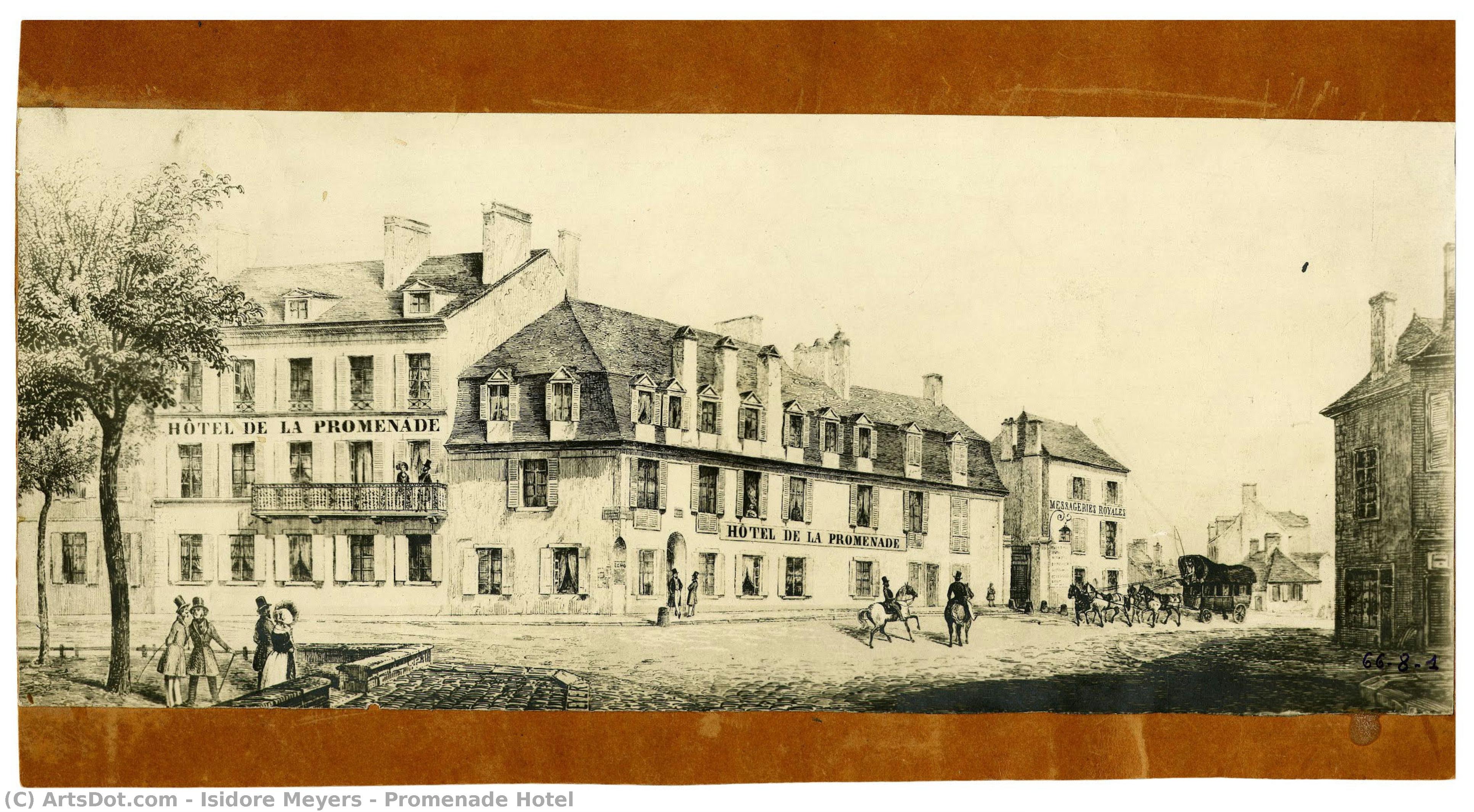
Promenade Hotel


 詳細を見る
詳細を見る
ジークレー/アートプリント
迅速な制作と多彩な仕上げオプションを備えた、ミュージアムクオリティのジークレーまたはキャンバスプリント。 ( 手描きの絵画を購入 画像を購入)




P118B $10

P118H $10

P118W $10

P438Z $10

P508JH $12

P508YH $12

P805H $10

P805Z $10

P919BZ $10

P919G $10

P919XJ $10

P959ZH $10

P968JZ $12

W106C $8

W218G $10

W218JH $8

W218Y $10

W307PJ $10

W316G $10

W316PJ $8

W316Y $10

W398PJ $8

W4111J $10

W500HY $15

W500JH $15

W692G $12

W849H $8

W940BG $15

W953PJ $8




作品のオリジナル比率に合わせた、当店の規定サイズからお選びください。

特定のフレームやスペースに合わせて、ご自身でサイズを指定することも可能です。選択されたサイズが元の画像の比率と一致しない場合、作品をトリミングするか、鏡面反射または単色での塗りつぶしによって画像を拡張いたします。制作を開始する前に、ご確認用のデジタルモックアップをお送りいたします。
画面上のプレビューには、実際のトリミングや拡張は反映されませんのでご注意ください。最終的な構図を正確に確認できるのは、モックアップのみとなります。
カスタムサイズも承っておりますが、元の比率を維持するためには、あらかじめ用意されたリストからサイズを選択することをお勧めいたします。


 ガラスオプションは、110cm未満のサイズでのみご利用いただけます。

Promenade Hotel
ジークレー/アートプリント
複製画のサイズ
-


合計金額
$ 62
関連作品
アーティストの略歴
Isidore Meyers: A Master of 19th-Century Urban Landscapes
Born in Antwerp, Belgium, in 1836, Isidore Meyers (also known as Isidore Meyer) emerged as a significant figure in Belgian art during the mid-19th century. His career spanned several decades, marked by a dedication to capturing the vibrant energy and intricate details of urban life – particularly the bustling streets and grand architecture of Antwerp and Brussels. While not always receiving the widespread recognition afforded to his contemporaries like James Ensor or Magritte, Meyers’s work offers a unique and compelling perspective on a rapidly changing Europe, revealing a keen eye for composition, light, and the subtle nuances of human interaction within a historical context.
Meyers's early life remains somewhat shrouded in anecdotal detail. Accounts suggest he was initially trained as a draftsman, honing his observational skills before pursuing painting. This foundational training proved invaluable, allowing him to translate what he saw onto canvas with remarkable accuracy and precision. His artistic development coincided with the rise of Realism and Impressionism, movements that profoundly influenced his approach to depicting the world around him. Unlike the purely representational tendencies of earlier academic art, Meyers sought to capture not just the *appearance* of a scene but also its atmosphere and emotional resonance.
The Palette of Progress: Themes and Techniques
Meyers’s oeuvre is predominantly characterized by meticulously rendered landscapes and cityscapes. He frequently depicted scenes from Antwerp, his birthplace, showcasing the port's dynamic activity, the grandeur of its buildings, and the everyday lives of its inhabitants. His paintings often feature a cast of characters – merchants, laborers, horse-drawn carriages, and pedestrians – all contributing to a sense of bustling realism. The “Promenade Hotel,” one of his most celebrated works, exemplifies this style perfectly, offering a detailed snapshot of 19th-century Antwerp’s social fabric. The painting's monochrome palette—a deliberate choice—heightens the drama and emphasizes the textures of the streetscape.
Technically, Meyers was a master of detail. He employed a precise draftsmanship, carefully rendering architectural elements, clothing, and facial features. However, he avoided overly fussy or cluttered compositions, instead favoring balanced arrangements that drew the eye through the scene. His use of light and shadow was particularly noteworthy; he skillfully manipulated these elements to create depth, volume, and mood. Meyers’s work also demonstrates a subtle understanding of atmospheric perspective, creating a sense of distance and recession within his urban landscapes.
Influences and Artistic Context
Meyers's artistic trajectory reveals the influence of several key movements and artists. The Realist movement, with its focus on depicting everyday life without idealization, undoubtedly shaped his approach to subject matter. Furthermore, he was influenced by the Barbizon School painters in France, whose emphasis on plein air painting—working directly from nature—inspired him to observe and capture the world around him with greater immediacy. The meticulous detail of Gustave Courbet’s landscapes also appears to have resonated with Meyers.
It's important to note that Meyers operated within a specific historical context – the rapid industrialization and urbanization of 19th-century Europe. His paintings offer a visual record of this transformation, documenting the changing social landscape and the impact of technological advancements on urban life. His work can be seen as a reflection of the anxieties and aspirations associated with this period of profound change.
Legacy and Rediscovery
Despite not achieving widespread fame during his lifetime, Isidore Meyers’s art has experienced a resurgence in recent years, largely due to renewed interest in Belgian 19th-century painting. His meticulous detail, evocative compositions, and insightful portrayal of urban life continue to captivate viewers today. ArtsDot's reproductions offer an opportunity to appreciate the beauty and historical significance of his work, bringing these captivating scenes from Antwerp’s past back to life.
Further research into Meyers’s life and work reveals a dedicated artist who quietly documented a pivotal era in European history. His paintings serve as valuable windows into the social, economic, and cultural dynamics of 19th-century Belgium, offering a unique and compelling perspective on a world undergoing rapid transformation.
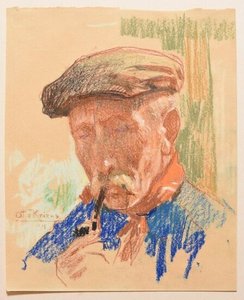
isidore meyers
1836 - 1917 , Belgium
基本情報
- Artistic Movement Or Style: Landscapes, Cityscapes
- Date Of Birth: Feb 14, 1836
- Date Of Death: Dec 23, 1916
- Full Name: Isidore Meyers
- Nationality: Belgian
- Notable Artworks:
- Promenade Hotel
- The House of Father Adam
- Place Of Birth: Antwerp, Belgium
関連記事

Dark Masterpieces: 10 Iconic Paintings Dominated by Black Tones |
Explore 10 iconic paintings dominated by black tones, from Rembrandt’s chiaroscuro to Goya's dark expressions. Discover the stories behind these masterpieces & find museum-quality art reproductions for your home at .
Transforming Hospitality Spaces: Curating Gallery-Inspired Aesthetics for Boutique Hotels Through Artful Display & Narrative Integration
Elevate your boutique hotel with expertly curated art collections. Discover how strategic art placement & sourcing enhances guest experience, defines your brand narrative, and boosts property value. Expert consultation available.
物語を紡ぐ壁:ホテルアートキュレーションがもたらすアイデンティティと顧客体験の深化
ホテルデザインにおけるアートキュレーションの専門知識を提供。空間にアイデンティティを付与し、記憶に残る顧客体験を創造する方法をご紹介します。成功事例や伝統工芸との融合によるサステナブルな文化継承についても解説。
Anchoring Identity: The Psychological Impact of Lobby Art on Hotel Guest Perception and Emotional Resonance
Discover how strategic lobby art impacts guest perception & brand loyalty. Expert insights for luxury hotels & interior designers – elevate your space with curated artwork.
Elevating Hospitality Aesthetics: Museum-Quality Art for Luxury Hotels
Elevate your hotel's ambiance with expertly curated museum-quality art reproductions. Discover how to select artwork that reflects your brand, enhances the guest experience & creates lasting impressions. Trusted by designers worldwide.