

 プレビュー
プレビュー
 シェアする
シェアする シェアする
シェアする
 詳細を見る
詳細を見る

 ダウンロード
 似ている作品
 X線調査
X線調査 スライドショー
 統計情報
統計情報Royal Order of the Star of Oceania


 詳細を見る
詳細を見る
ジークレー/アートプリント
迅速な制作と多彩な仕上げオプションを備えた、ミュージアムクオリティのジークレーまたはキャンバスプリント。 ( 手描きの絵画を購入 デジタル画像販売へ切り替え)




P118B $10

P118H $10

P118W $10

P438Z $10

P508JH $12

P508YH $12

P805H $10

P805Z $10

P919BZ $10

P919G $10

P919XJ $10

P959ZH $10

P968JZ $12

W106C $8

W218G $10

W218JH $8

W218Y $10

W307PJ $10

W316G $10

W316PJ $8

W316Y $10

W398PJ $8

W4111J $10

W500HY $15

W500JH $15

W692G $12

W849H $8

W940BG $15

W953PJ $8




作品のオリジナル比率に合わせた、当店の規定サイズからお選びください。

特定のフレームやスペースに合わせて、ご自身でサイズを指定することも可能です。選択されたサイズが元の画像の比率と一致しない場合、作品をトリミングするか、鏡面反射または単色での塗りつぶしによって画像を拡張いたします。制作を開始する前に、ご確認用のデジタルモックアップをお送りいたします。
画面上のプレビューには、実際のトリミングや拡張は反映されませんのでご注意ください。最終的な構図を正確に確認できるのは、モックアップのみとなります。
カスタムサイズも承っておりますが、元の比率を維持するためには、あらかじめ用意されたリストからサイズを選択することをお勧めいたします。


 ガラスオプションは、110cm未満のサイズでのみご利用いただけます。

Royal Order of the Star of Oceania
ジークレー/アートプリント
複製画のサイズ
-


合計金額
$ 62
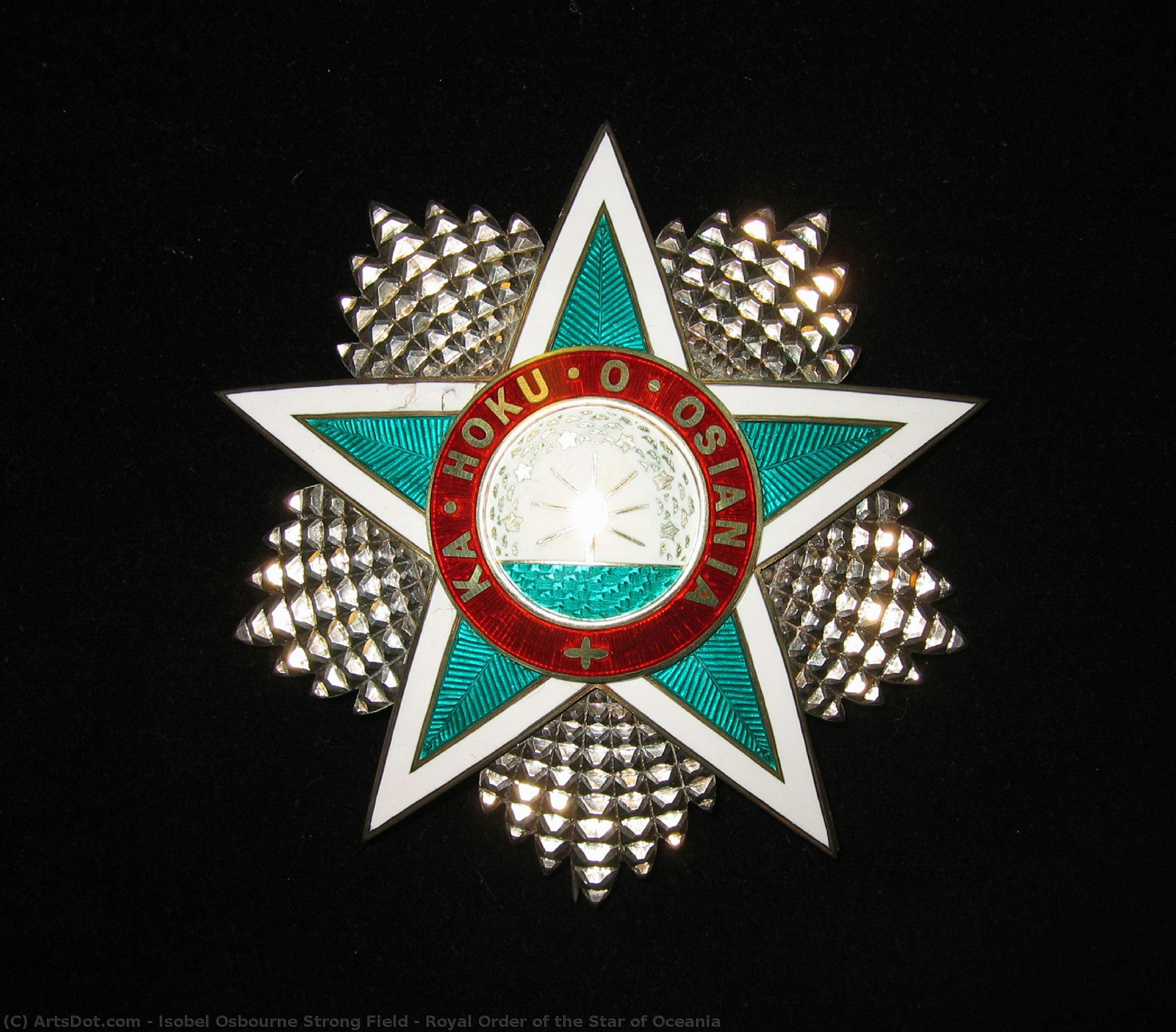
Royal Order of the Star of Oceania: A Beacon of Hawaiian Identity
The Royal Order of the Star of Oceania stands as a testament to King Kalākaua’s ambitious vision for Hawaii—a beacon illuminating the path toward an Oceanic confederation and securing its place amongst the nations of the Pacific. Established in 1886, this order wasn't merely decorative; it was a calculated diplomatic maneuver designed to attract international support for Hawaiian expansionism during a period fraught with anxieties about Western influence.
- Design Symbolism: The insignia itself speaks volumes about the Order’s intent. Dominating the design is a stylized beacon, representing Hawaii and its guiding light amidst turbulent geopolitical currents. Surrounding it are six stars—likely symbolizing other Pacific archipelagos—underscoring Kalākaua's aspiration for unity and bolstering Hawaii’s prestige on the global stage.
- Craftsmanship & Technique: Isobel Osbourne Strong Field, a prolific designer herself, meticulously oversaw the creation of this emblem. Employing enamel cloisonné technique – a painstaking process involving soldering thin wires onto a metal surface to create compartments filled with colored enamel—the artisans achieved remarkable detail and luminosity. The use of blue and green enamels contributes to an overall impression of serenity and reflects the lush landscapes of Hawaii.
- Historical Context: Kalākaua’s reign marked a dramatic shift away from the conservative policies of his predecessors, prioritizing cultural revival and asserting Hawaiian sovereignty. Recognizing that formal recognition by influential nations would bolster Hawaii's credibility, he commissioned this Order as a symbol of regal authority and diplomatic aspiration. It embodies the spirit of a monarch determined to safeguard his kingdom’s independence amidst mounting pressures from imperial powers.
- Emotional Impact: More than just an emblem of power, the Royal Order of the Star of Oceania conveys a profound sense of pride in Hawaiian heritage. Its intricate beauty serves as a reminder of the artistry and resilience inherent in Polynesian culture—a visual embodiment of Kalākaua’s unwavering commitment to preserving his kingdom's identity against external forces.
The Order’s enduring appeal lies not only in its aesthetic qualities but also in its narrative significance: it chronicles a pivotal moment in Hawaiian history and celebrates the ambition of a visionary leader who dared to forge a bold path toward regional prominence.
Isobel Osbourne Strong Field – The Designer Behind the Icon
Isobel Osbourne Strong Field (September 18, 1858 – June 26, 1953) stands as a remarkable figure in late nineteenth-century American art and literature—a woman who defied societal expectations and carved out an extraordinary life marked by creativity, intellectual curiosity, and unwavering devotion to her family. Born Indianapolis, Indiana, the daughter of Fanny Stevenson and sister of Lloyd Osbourne, Isobel’s upbringing fostered a profound appreciation for artistic expression and storytelling, shaping her lifelong pursuits.
Her marriage to Joseph Dwight Strong in 1879 cemented this passion within a creative partnership that would produce significant contributions to both visual arts and dramatic writing. Early Life and Artistic Beginnings
Isobel's formative years were steeped in the intellectual atmosphere of Indianapolis’ burgeoning artistic community. Fanny Stevenson, herself a celebrated novelist and artist, instilled in Isobel a love for observation and meticulous detail—qualities that would prove invaluable in her subsequent endeavors as a designer.
The Enamel Cloisonné Technique – Precision and Luminosity
The creation of the Royal Order of the Star of Oceania exemplifies the mastery of enamel cloisonné technique. This painstaking process demanded exceptional skill and patience, requiring artisans to solder thin wires onto a metal surface—typically silver or brass—to create compartments filled with colored enamel. Each compartment was meticulously gilded before being filled with pigment, ensuring vibrant hues and remarkable luminosity.
The resulting enamel surface achieved unparalleled brilliance thanks to the careful layering of metallic salts and polishing compounds. This technique not only produced a visually stunning emblem but also underscored the Order’s prestige—a symbol of refined craftsmanship reflecting Hawaii's cultural sophistication.
A Legacy of Artistic Vision
Isobel Osbourne Strong Field’s contribution extends beyond merely designing the Order; she embodies the spirit of artistic perseverance and intellectual engagement. Her life’s work—spanning literature, design, and family—serves as an inspiration to aspiring artists and demonstrates the transformative power of pursuing one's passions with unwavering dedication.
関連作品

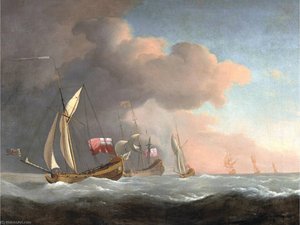
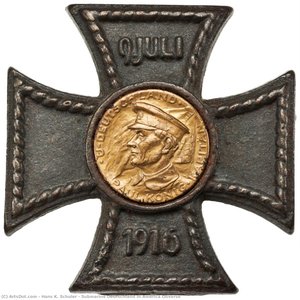
アーティストの略歴
A Tapestry of Creativity: The Life and Legacy of Isobel Osbourne Strong Field
In the vibrant intersection of late nineteenth-century literature and visual design, few figures possess a life as richly textured as Isobel Osbourne Strong Field. Born in Indianapolis in 1858, her very existence was woven into a lineage of profound intellectual and artistic significance. As the daughter of the celebrated novelist Fanny Stevenson and the sister of Lloyd Osbourne, Isobel was raised within a domestic sphere where storytelling was not merely an occupation but a way of life. This upbringing, steeped in the meticulous observation required by her mother’s prose and the imaginative expansiveness shared with her brother, cultivated in Isobel a unique ability to blend aesthetic precision with deep symbolic meaning.
Her journey was one of constant movement and remarkable adaptation, traversing continents and cultures. Her marriage to the artist Joseph Dwight Strong in 1879 initiated a period of intense creative partnership, during which her artistic sensibilities were tested by the diverse landscapes she inhabited. From the burgeoning artistic circles of the American Midwest to the tropical majesty of Hawaii, Isobel’s eye was constantly being refined by the light and color of new worlds. It was during her time in Hawaii, between 1883 and 1889, that her talent reached a pinnacle of international recognition, proving that her vision could transcend the boundaries of traditional female roles in the arts.
The Radiance of the Royal Order
Perhaps the most enduring testament to Isobel’s design prowess is her commission for the Royal Order of the Star of Oceania. In 1886, King Kalākaua sought a symbol that would articulate his vision for an Oceanic confederation—a diplomatic beacon to assert Hawaiian sovereignty amidst growing Western pressures. Entrusted with this monumental task, Isobel demonstrated an extraordinary capacity for synthesizing complex political aspirations into a singular, breathtaking emblem. Her design was not merely decorative; it was a masterclass in symbolic communication.
The insignia featured a stylized beacon, representing the guiding light of Hawaii, surrounded by six stars that whispered of the unity sought among the Pacific archipelagos. To bring this vision to life, Isobel oversaw a process of immense technical difficulty, utilizing the enamel cloisonné technique. This painstaking method involved soldering delicate wires onto metal surfaces to create compartments for vibrant colored enamels. The resulting interplay of deep blues and lush greens captured the very essence of the Hawaiian landscape, creating an object that possessed both a celestial dignity and a terrestrial serenity. Such achievement placed her among a rare group of women recognized by royal authority during an era when the design of state honors was almost exclusively a male domain.
Literary Shadows and Later Years
Beyond the brilliance of her graphic designs, Isobel’s life was inextricably linked to the literary giants of her age. Following the death of her mother and her subsequent move to Vailima, Samoa, she stepped into a role of profound importance as the literary assistant to her stepfather, Robert Louis Stevenson. In the quiet, often difficult moments of his declining health, it was Isobel who transcribed his words, ensuring that his literary voice continued to resonate even when his physical strength faltered. This period of her life, documented alongside her brother in Memories of Vailima, highlights her role as a guardian of literary history.
Her later years were marked by a different kind of stability and prosperity following her marriage to the journalist Edward Salisbury Field. The establishment of an artists' studio at Zaca Lake in California transformed her home into a sanctuary for the creative spirit, a meeting place where writers and actors could gather under the warmth of shared passion. When we look back at the life of Isobel Osbourne Strong Field, we see more than just a designer or a memoirist; we see a woman who navigated the complexities of her era with grace, leaving behind a legacy of beauty that continues to illuminate the history of both art and literature.
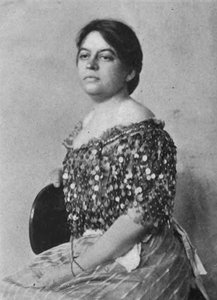
isobel osbourne strong field
1858 - 1953 , United States of America
基本情報
- Artistic Movement Or Style: None Specified
- Artists Or Movements Influenced By This Artist: ['None Specified']
- Artists Who Influenced This Artist: ['Robert Louis Stevenson']
- Date Of Birth: September 18, 1858
- Date Of Death: June 26, 1953
- Full Name: Isobel Osbourne Strong Field
- Nationality: American
- Notable Artworks: ['Allen Herbert’s House']
- Place Of Birth: Indianapolis, United States
関連記事
ArtsDot.com F.A.Q.: 至高の美術品、迅速な納品と顧客満足度を保証する緊急注文対応 – エリートコレクター向け
ArtsDot.comでは、エリートコレクターの皆様に最高品質の手作業油絵複製とカスタムポートレートをご提供。緊急注文にも迅速に対応し、徹底した品質保証と透明性の高い進捗管理でお応えします。安心の返品保証と専門家によるアートコンサルタントも。

ArtsDot.com F.A.Q.: 購入後の配送先住所変更や注文詳細の修正は可能ですか? – エリート・コレクター向け詳細解説
ArtsDot.com F.A.Q.: 購入後の住所変更や注文修正について、専門家が詳細解説。高品質なオーダーメイド絵画を安心してご購入ください。経験豊富なアーティストと連携し、お客様の理想のアートを実現します。

ArtsDot.com FAQ:大規模注文と企業向けカスタムアートソリューション – エリートコレクターおよびビジネスオーナーのためのオーダーメイド戦略
ArtsDot.comでは、エリートコレクターやビジネスオーナー様向けに、高品質なオーダーメイドアートとカスタムソリューションを提供しています。大規模注文から特別なご要望まで、専門のアートコンサルタントがお客様のビジョンを実現します。信頼と実績のArtsDotで、唯一無二のアート体験を。

ArtsDot.com F.A.Q.: エリート・コレクターのための注文履歴とお気に入り作品の管理方法
ArtsDot.com F.A.Q.: エリート・コレクターのための注文履歴とコレクション管理。高品質な油絵複製、カスタムアートワークの進捗状況を詳細に解説。信頼と実績で選ばれるArtsDotで、理想のアートライフを実現しましょう。

ArtsDot.com F.A.Q.: Track Your Order from Studio to Doorstep
Experience complete peace of mind with ArtsDot.com. Learn how to track your hand-painted oil masterpiece from the artist's studio to your doorstep through our secure order management system and premium global logistics.