


 プレビュー
プレビュー
 シェアする
シェアする シェアする
シェアする
 詳細を見る
詳細を見る

 ダウンロード
 似ている作品
 X線調査
X線調査 スライドショー
 統計情報
統計情報bilancia da cucina

 詳細を見る
詳細を見る
手描き油彩複製画
当社のアーティストが、お客様のご希望のサイズと額縁に合わせて、キャンバスに手描きで制作する油彩画です。 ( プリント版に切り替え デジタル画像販売へ切り替え)




































作品のオリジナル比率に合わせた、当店の規定サイズからお選びください。

特定のフレームやスペースに合わせて、ご希望のサイズをご入力いただけます。選択されたサイズが元の画像の比率と異なる場合、アートワークをトリミングするか、手描きで要素を追加して絵画を拡張いたします。デジタルモックアップ を制作し、制作開始前にご確認(承認)をいただきます。
画面上のプレビューは、実際のトリミングや拡張を正確に反映しているものではありません。最終的な構図は、モックアップによってのみ正確にご確認いただけます。
カスタムサイズもご利用いただけますが、元の比率を維持するためには、あらかじめ用意されたリストからサイズを選択することをお勧めいたします。
ご注文後、ArtsDot.com チームより詳細な指示をお送りするとともに、仕上がりイメージ(モックアップ)をご提供いたします。


 ガラスオプションは、110cm未満のサイズでのみご利用いただけます。

bilancia da cucina
複製技法
複製画のサイズ
-


合計金額
$ 263
関連作品

アーティストの略歴
Francesco Bacchiacca: The Shadowed Master of Florentine Mannerism
Born in Florence around 1494 and tragically dying there in 1557, Francesco Bacchiacca remains a figure shrouded in intriguing mystery. His life was marked by both artistic brilliance and personal turmoil, contributing to the enigmatic nature of his work – a potent blend of Florentine Mannerism and nascent Baroque sensibilities. Unlike many of his contemporaries whose lives were documented with relative ease, details surrounding Bacchiacca’s existence are scarce, relying heavily on fragmented records and scholarly conjecture. He was Francesco d'Ubertino Verdi by birth, adopting the moniker “Bacchiacca” – a nickname derived from the Florentine dialect for ‘cat’ – which became inextricably linked to his artistic identity.
His early training is debated; some scholars suggest he studied under Leonardo da Vinci, while others point towards influences from Botticelli and Verrocchio. However, Bacchiacca quickly forged his own distinctive style, characterized by a dramatic use of light and shadow, elongated figures, and an intense psychological depth rarely seen in his time. He wasn’t interested in the idealized beauty prevalent in High Renaissance portraiture; instead, he captured the raw emotions and vulnerabilities of his subjects – often portraying them with a palpable sense of melancholy and unease.
A Palette of Emotion: Bacchiacca's Artistic Style
Bacchiacca’s artistic language is immediately recognizable. He employed a technique known as “disegno,” prioritizing drawing and compositional structure over mere surface decoration – a hallmark of Florentine art at the time. His figures are frequently rendered with a sense of dynamism, caught in moments of intense action or profound contemplation. He masterfully utilized chiaroscuro—the dramatic contrast between light and dark—to create a powerful emotional impact, emphasizing the psychological state of his subjects.
His compositions often feature asymmetrical arrangements and unconventional perspectives, pushing against the established conventions of Renaissance art. He wasn’t afraid to distort proportions or exaggerate gestures, imbuing his paintings with a sense of immediacy and realism that was both unsettling and captivating. A key element in Bacchiacca's style is his use of color – often muted and earthy tones punctuated by flashes of vibrant hues, creating a visual tension that mirrors the emotional complexity of his subjects.
The Weight of Portraiture: Key Works and Subjects
Bacchiacca’s most celebrated works are his portraits, which stand apart from the idealized representations common in his era. He didn't shy away from depicting the flaws and imperfections of his sitters – wrinkles, scars, and expressions of weariness were all rendered with unflinching honesty. His subjects included members of Florence’s elite—merchants, bankers, and nobles—but also ordinary people, offering a rare glimpse into the lives of those outside the privileged circles.
Notable portraits include “Portrait of a Woman Holding a Cat,” a captivating study of female beauty and vulnerability. The cat itself becomes a symbolic element, perhaps representing both cunning and domesticity. Another significant work is his portrait of a man holding a lute, showcasing his skill in capturing the nuances of human expression. Bacchiacca’s portraits are not merely likenesses; they are profound explorations of character and psychology.
Influence and Legacy: A Bridge to the Baroque
Bacchiacca's influence on subsequent generations of artists is considerable, though often understated. He is considered a pivotal figure in the transition from Florentine Mannerism to the early Baroque style. His emphasis on dramatic lighting, psychological depth, and dynamic composition paved the way for artists like Caravaggio, who would later revolutionize painting with his chiaroscuro technique.
Despite the relative obscurity of his life, Bacchiacca’s artistic legacy endures. His paintings continue to fascinate art historians and collectors alike, offering a rare glimpse into the turbulent world of Renaissance Florence and the intensely personal vision of a truly remarkable artist. He remains a testament to the power of art to capture not just appearances but also the hidden depths of the human soul.
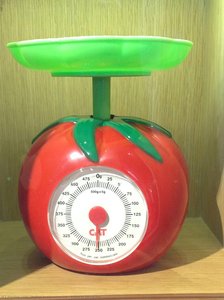
italian production cat
Italy
基本情報
- Artistic Movement Or Style: Florentine Mannerism
- Artists Or Movements Influenced By This Artist: ['Annibale Carracci']
- Artists Who Influenced This Artist:
- Leonardo da Vinci
- Francesco Bacchiacca
- Date Of Birth: 1494-03-01
- Date Of Death: 1557-10-05
- Full Name: Francesco d'Ubertino Verdi
- Nationality: Italian
- Notable Artworks:
- Madonna of the Cat
- Portrait of a woman with cat
- Place Of Birth: Florence, Italy