

 プレビュー
プレビュー
 シェアする
シェアする シェアする
シェアする
 詳細を見る
詳細を見る

 ダウンロード
 似ている作品
 X線調査
X線調査 スライドショー
 統計情報
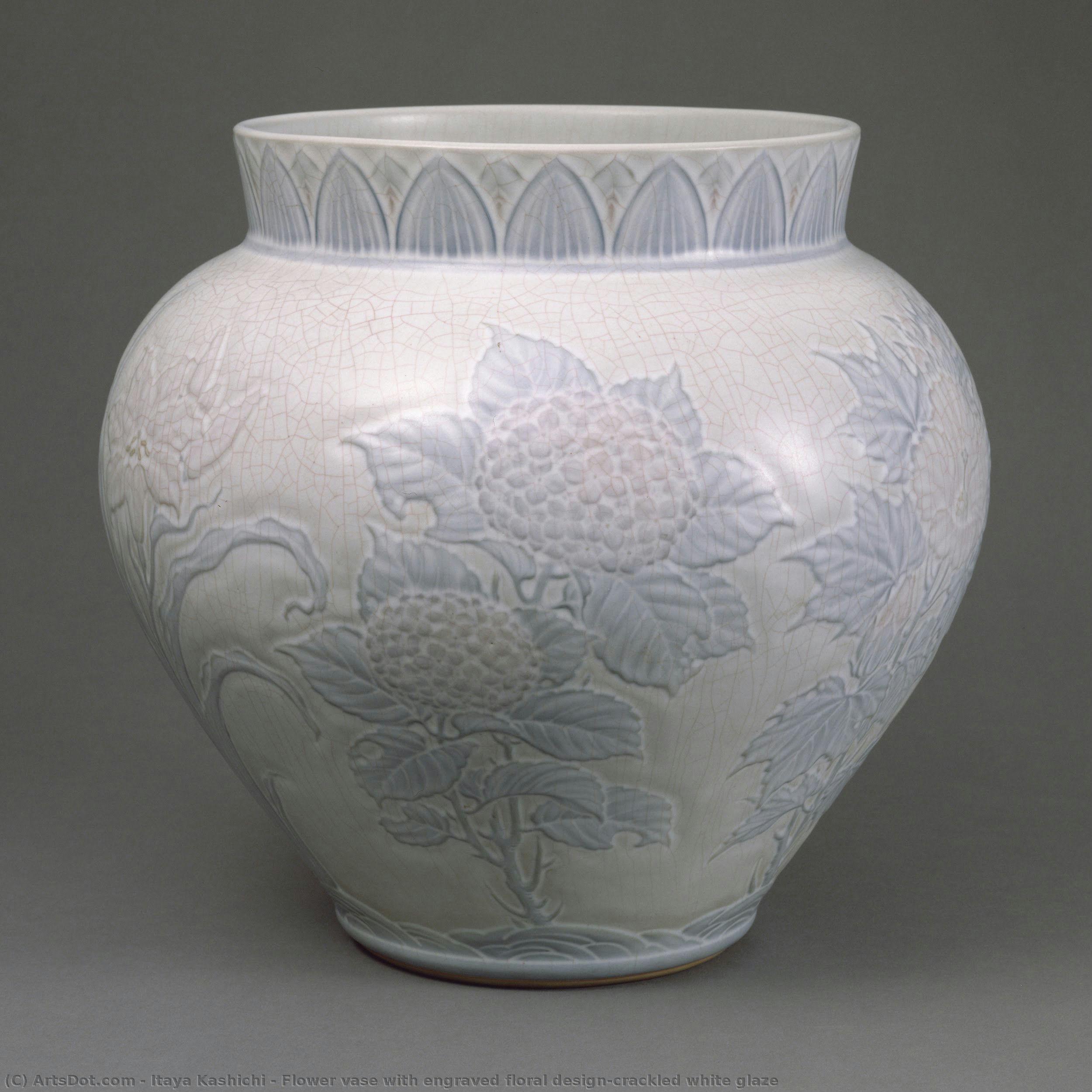
統計情報Flower vase with engraved floral design,crackled white glaze

 詳細を見る
詳細を見る
オンラインプレビューをはるかに凌ぐ、高解像度で鮮明なデジタル画像をご購入いただけます。
各ファイルは、社内の専門家が高度なツールと熟練した手作業によるレタッチを用いて、細心の注意を払って準備されています。すべての画像において、卓越した鮮明度、正確な色彩再現性、そして繊細なディテールを保証いたします。
最終ファイルは、プロフェッショナルな編集・印刷環境ですぐにご利用いただけるよう最適化された状態で、72時間以内にメールにてお届けいたします。これは、一流のデザインスタジオ、出版社、ギャラリーから信頼されているものと同等の品質です。
デジタルアート
個人での鑑賞、印刷、クリエイティブなプロジェクト用に、高解像度ファイルをダウンロードできます。 ( プリント版に切り替え 手描きの絵画を購入)
デジタル画像のご注文に付随する特典
高品質なデジタル画像配信を、確かな品質で。
ArtsDot.com を選ぶことは、単に画像を手に入れることではありません。それは、プロの手によって精密に仕上げられ、満足保証が付いた高品質なデジタルアートワークを受け取ることを意味します。ご注文いただいた際に自動的に付随する内容は、以下の通りです:

メールですぐにお届け
ご注文から72時間以内に、高解像度のデジタル画像ファイルがメールでお手元に届きます。すぐにそのままご利用いただけます。

AI技術で最適化されたデジタルファイル
お客様の作品は、高度なAIツールと専門家による手作業の編集を組み合わせてプロフェッショナルに最適化されており、細部のディテール、鮮明さ、そして正確な色再現性を最大限に引き出しています。

一生涯無料の再送サービス
ファイルを誤って削除したり、紛失してしまったりしましたか?ご安心ください。いつでも無料で再送いたします。

輸入手数料は一切かかりません
関税や手数料、配送料を気にすることなく、お気に入りのアートワークをすぐにお楽しみいただけます。デジタルダウンロードは常に免税です。

色彩再現の保証
プロ仕様のツールとカラーマネジメント技術を用いることで、デジタル画像が元の色を最大限に忠実に再現することを保証いたします。

100日間満足保証
ご購入いただいたデジタル画像にご満足いただけない場合は、100日以内であれば、理由を問わず修正または100%の返金対応をさせていただきます。

100% 返金保証
ご満足いただけない場合は、デジタルファイルを受け取ってから100日以内であれば、理由を問わず全額返金いたします。

まとめ買い割引
3枚購入で10%OFF - 5枚購入で15%OFF - 10枚以上購入で20%OFF。クリエイティブなプロジェクト、ギャラリー、エージェンシーに最適です。
関連作品








作家の略歴
Itaya Hazan: A Pioneer of Modern Japanese Ceramics
Itaya Kashichi Itaya Hazan (板谷波山, 1872—1963) stands as a monumental figure in the history of Japanese ceramics, recognized universally as a trailblazer who fundamentally reshaped artistic expression during the Meiji and Taisho eras. Born in Shimodate, Ibaraki Prefecture, he descended from humble origins – his father was a soya sauce maker – yet ascended to become one of Japan’s most celebrated artists, leaving an indelible mark on both craft and aesthetic philosophy. His artistic pseudonym, Hazan (“wavy mountain”), derived from the landscape of his birthplace, encapsulates the spirit of observation and connection to nature that would permeate his oeuvre.- Early Life & Education: Hazan’s formative years were marked by a profound engagement with Western art movements, particularly Art Nouveau. Influenced by luminaries like Kōun Takamura and Tenshin Okakura at the Tokyo Fine Arts School (now Tokyo University of the Arts), he honed his sculptural skills alongside an equally fervent dedication to ceramics. This dual pursuit would prove instrumental in shaping his artistic vision.
- The Birth of Hazan Style: The closure of Ishikawa Prefectural Industrial School in 1898 propelled Hazan toward independent exploration, where he established a kiln in Tokyo and embarked on a journey to master traditional Chinese ceramic techniques. His groundbreaking sketchbook “Twelve Shapes of Ancient Ceramics” published in the same year signaled his commitment to preserving heritage while simultaneously innovating new forms.
- A Studio Dedicated to Craftsmanship: Hazan’s studio was a crucible of artistic experimentation, fostering collaborations with assistants like Fukami Sanjiro and later Genda Ichimatsu until Ichimatsu's passing in 1963. This partnership nurtured a distinctive aesthetic characterized by meticulous attention to detail and an unwavering pursuit of perfection—a hallmark of Hazan’s artistic approach.
The Flowering of Hazan Style: Innovation and Recognition
Hazan’s artistic evolution unfolded in two distinct styles – Saiji and Hokosaiji – each reflecting a nuanced understanding of materiality and visual language. His debut exhibition at the Japan Art Association in 1906 garnered critical acclaim, propelling him to prominence within the burgeoning Japanese art scene. The subsequent nationwide ceramics exhibition of 1911 cemented his reputation as a visionary artist, securing him the prestigious top prize and establishing Hokosaiji as a dominant aesthetic force.- Commercial Ceramics & Artistic Retreat: As ceramics gained traction in Japan’s commercial landscape during the 1910s, Hazan consciously distanced himself from exhibitions, prioritizing artistic contemplation over public recognition. This decision allowed him to delve deeper into classical Chinese traditions and refine his craft with unwavering dedication.
- The Order of Cultural Merit & Legacy: In 1954, Hazan achieved unparalleled honor when he was awarded the Order of Cultural Merit – Japan’s highest accolade for artistic achievement—a testament to his enduring influence on Japanese art history. His work continues to inspire artists and scholars alike, housed prominently in the Idemitsu Museum of Arts where it stands as a beacon of aesthetic excellence.
Exploring Hazan's Artistic Vision: Form and Color
Hazan’s ceramics are distinguished by their masterful manipulation of form and color—elements that intertwine to convey profound emotional resonance. He championed the concept of “inner life,” striving to imbue each piece with a sense of dynamism and expressive depth, mirroring his sculptural training. His distinctive Saiji style favored relief carving, meticulously capturing subtle nuances of texture and surface ornamentation. Simultaneously, Hokosaiji embraced bold color palettes—often incorporating vibrant hues inspired by nature—creating visually arresting compositions that captivated audiences.Notable Works & Influence
Among Hazan’s celebrated creations is “Large Vase with Painted Porcelain Butterbur Leaves Design,” a masterpiece embodying his stylistic principles and securing him the top prize at the Japan Art Association Exhibition in 1917. His exploration of Chinese ceramic traditions profoundly impacted subsequent generations of Japanese artists, establishing Hokosaiji as an influential aesthetic paradigm. Hazan’s legacy extends beyond individual artworks; he fundamentally transformed perceptions of ceramics—elevating it from a utilitarian craft to a realm of artistic contemplation and cultural significance.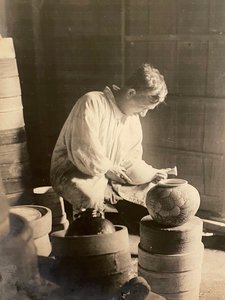
itaya kashichi
1872 - 1963 , Japan
プロフィール概要
- Artistic Movement Or Style: Modern Japanese Ceramics; Saji & Hokosaiji Styles
- Artists Or Movements Influenced By This Artist: ['Art Nouveau']
- Artists Who Influenced This Artist:
- Kōun Takamura
- Tenshin Okakura
- Date Of Birth: 1872
- Full Name: Itaya Kashichi Hazan
- Nationality: Japanese
- Notable Artworks: ['Large Vase with Painted Porcelain Butterbur Leaves Design']
- Place Of Birth: Shimoda, Japan