 プレビュー
プレビュー
 シェアする
シェアする シェアする
シェアする
 詳細を見る
詳細を見る

 ダウンロード
 似ている作品
 X線調査
X線調査 スライドショー
 Stats
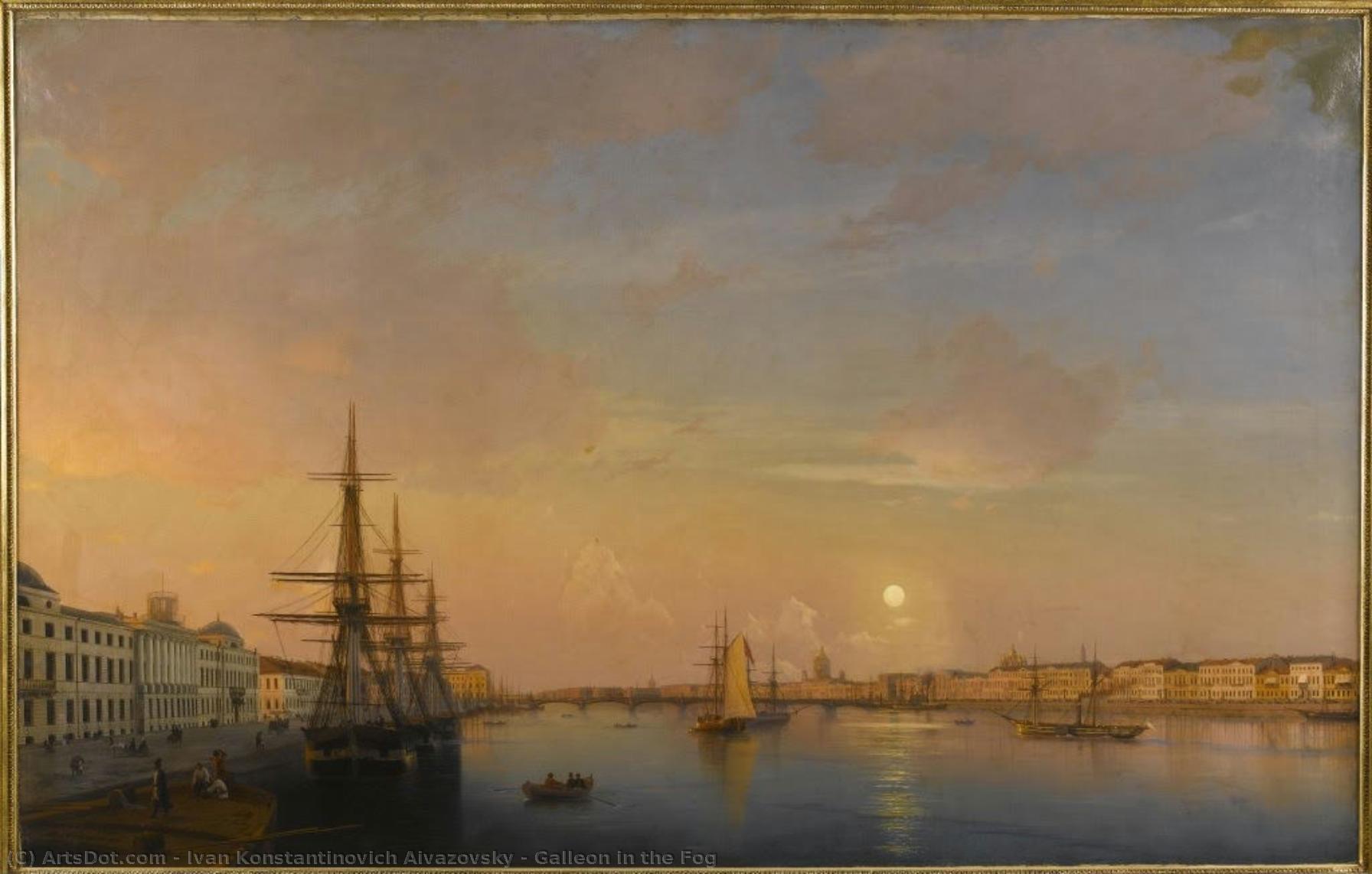
StatsGalleon in the Fog


 詳細を見る
詳細を見る
手描き油彩複製画
当社のアーティストが、お客様のご希望のサイズと額縁に合わせて、キャンバスに手描きで制作する油彩画です。 ( Switch to Print Switch to Digital Image)




P118B $10

P118H $10

P118W $10

P438Z $10

P508JH $12

P508YH $12

P805H $10

P805Z $10

P919BZ $10

P919G $10

P919XJ $10

P959ZH $10

P968JZ $12

W106C $8

W218G $10

W218JH $8

W218Y $10

W307PJ $10

W316G $10

W316PJ $8

W316Y $10

W398PJ $8

W4111J $10

W500HY $15

W500JH $15

W692G $12

W849H $8

W940BG $15

W953PJ $8




作品のオリジナル比率に合わせた、当店の規定サイズからお選びください。

特定のフレームやスペースに合わせて、ご希望のサイズをご入力いただけます。選択されたサイズが元の画像の比率と異なる場合、アートワークをトリミングするか、手描きで要素を追加して絵画を拡張いたします。デジタルモックアップ を制作し、制作開始前にご確認(承認)をいただきます。
画面上のプレビューは、実際のトリミングや拡張を正確に反映しているものではありません。最終的な構図は、モックアップによってのみ正確にご確認いただけます。
カスタムサイズもご利用いただけますが、元の比率を維持するためには、あらかじめ用意されたリストからサイズを選択することをお勧めいたします。
ご注文後、ArtsDot.com チームより詳細な指示をお送りするとともに、仕上がりイメージ(モックアップ)をご提供いたします。


 ガラスオプションは、110cm未満のサイズでのみご利用いただけます。

Galleon in the Fog
複製技法
複製画のサイズ
-


合計金額
$ 263
The Storm Within: Ivan Aivazovsky’s ‘Galleon in the Fog’
Ivan Konstantinovich Aivazovsky's “Galleon in the Fog” isn’t merely a seascape; it’s an immersion into the very soul of the sea. Painted around 1850, this monumental canvas captures not just a fleeting moment but a profound emotional experience – the raw power and unsettling beauty of a storm brewing on the Black Sea. Aivazovsky, born in Feodosia, Crimea, possessed an almost preternatural connection to the ocean; his life was inextricably linked to its moods, its rhythms, and its capacity for both breathtaking serenity and terrifying fury. This painting is a testament to that bond, a distillation of decades spent observing and translating the sea’s complex language onto canvas.
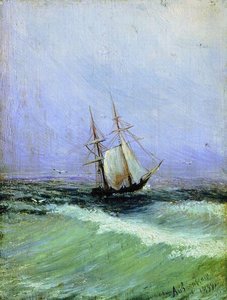
The scene unfolds with an almost claustrophobic intensity. A lone galleon, barely discernible through the swirling, impenetrable fog, struggles against the relentless onslaught of waves. The ship, rendered in muted tones of grey and brown, appears small and vulnerable, a tiny speck swallowed by the immensity of the storm. Aivazovsky masterfully employs a technique known as ‘atmospheric perspective’ – or ‘aerial perspective’ – to create an illusion of depth and distance. He achieves this through subtle gradations of color and tone; the distant horizon is washed out in pale blues and greys, while the foreground is dominated by dark, brooding hues. This creates a sense of vastness and isolation, drawing the viewer into the heart of the storm.
Romantic Sensibility: A Window to the Soul
Aivazovsky’s work firmly resides within the Romantic movement, a period characterized by an intense focus on emotion, imagination, and the sublime power of nature. Unlike earlier depictions of maritime scenes that prioritized accuracy and detail, Aivazovsky prioritizes capturing the *feeling* of being at sea – the apprehension, the awe, the vulnerability. The painting isn’t about charting a ship's course; it’s about conveying the psychological impact of confronting an overwhelming force.
The use of light is particularly striking. It’s not bright or cheerful; instead, it’s diffused and melancholic, filtered through the fog and reflected off the turbulent waves. Aivazovsky employs a technique called ‘chiaroscuro,’ using dramatic contrasts between light and shadow to heighten the emotional intensity of the scene. The flashes of white foam against the dark backdrop create a sense of drama and urgency, while the subtle gradations of grey evoke a feeling of unease and foreboding. The painting is not simply depicting a storm; it’s embodying its essence – a swirling vortex of chaos and beauty.
Echoes of History: A Crimean Painter's Vision
Born in Feodosia, Crimea, Aivazovsky’s life was deeply intertwined with the Black Sea. His family had roots in the region dating back centuries, and he spent his childhood immersed in its maritime culture. This intimate connection profoundly shaped his artistic vision. He wasn't just painting what he saw; he was translating his own experiences of the sea – its moods, its dangers, its allure – onto canvas.
Interestingly, Aivazovsky’s career spanned nearly six decades, and he continued to refine his technique throughout his life. He spent considerable time in Italy during his early years, studying with renowned artists and absorbing the influence of Italian landscape painting. However, it was his return to Russia that truly cemented his legacy as a master of marine art. His work was highly regarded by the Russian Imperial Court, and he received numerous accolades for his artistic achievements. The painting “Galleon in the Fog” is considered one of his most important works, exemplifying his mastery of light, color, and composition.
Symbolism and Emotional Resonance
Beyond its technical brilliance, "Galleon in the Fog" resonates with profound symbolic meaning. The lone galleon represents humanity’s vulnerability in the face of nature's power – a poignant reminder of our insignificance within the vastness of the universe. The fog itself symbolizes uncertainty and obscurity, while the storm embodies chaos and destruction. Yet, amidst this turmoil, there is also a sense of beauty and grandeur—a testament to the enduring allure of the sea.
Reproductions of “Galleon in the Fog” capture much of the original’s emotional depth, offering a captivating glimpse into Aivazovsky's artistic vision. It’s a piece that invites contemplation, prompting viewers to reflect on their own relationship with nature and the enduring mysteries of the sea.
関連作品
アーティストの略歴
Ivan Konstantinovich Aivazovsky (Hovhannes Aivazian): Embodies the Romantic Spirit of the Sea
Ivan Konstantinovich Aivazovsky, born Hovhannes Aivazian in 1817, was more than just a painter; he was inextricably linked to the soul of the Black Sea—a vast expanse that would dominate his artistic vision and propel him to unparalleled fame. His existence seemed to unfold alongside its turbulent currents, mirroring its unpredictable beauty and inherent danger. Born in Feodosia, Crimea – a city he would spend much of his life inhabiting – Aivazovsky possessed an innate connection to the sea that transcended mere observation; it was felt deeply within his artistic sensibility. This formative influence began early on, nurtured by architect Jacob Koch who recognized his prodigious talent and solidified by the rigorous academic training afforded him at Saint Petersburg’s Imperial Academy of Arts. Yet, formal education alone couldn't fully capture the essence of Aivazovsky’s understanding; it was the ceaseless wind whipping across the Black Sea shore and the cries of gulls circling overhead that truly sculpted his artistic spirit.Early Life and Artistic Foundations
Hovhannes Aivazian’s Armenian heritage played a crucial role in shaping his worldview and informing his artistic pursuits. Baptized at St. Sargis Armenian Church in Feodosia, he maintained strong ties to his cultural roots throughout his life—occasionally incorporating Armenian motifs into his expansive oeuvre. From humble beginnings, fueled by unwavering determination and supported by the patronage of influential figures like Czar Nicholas I, Aivazovsky ascended to become one of Russia’s most celebrated artists. His formative years were marked by a fascination with European art movements, particularly Romanticism – an aesthetic that championed emotion, imagination, and the sublime grandeur of nature—influences evident in his stylistic choices and thematic explorations. The Imperial Academy instilled in him meticulous technique and fostered a disciplined approach to artistic creation, equipping him with the tools necessary for achieving mastery over his medium.The Rise of a Naval Painter: Patronage and Artistic Transformation
A pivotal moment arrived when Aivazovsky was appointed official painter of the Russian Navy—a position that granted him unparalleled access to maritime life, naval battles, and firsthand observation. This wasn’t merely an honorific title; it was transformative – providing him with invaluable material for his art and cementing his reputation as a visionary artist. He became intimately acquainted with the daily rhythms of seafaring existence, immersing himself in the sights, sounds, and smells of shipyards and naval maneuvers. These experiences profoundly impacted his artistic perspective, fueling his passion for depicting dramatic scenes of maritime heroism and conveying the raw power of the ocean. The patronage of the Imperial family further bolstered his career, affording him considerable financial stability and allowing him to dedicate himself entirely to his craft.A Master of Romantic Seascapes: Style and Technique
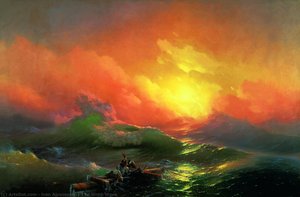
Aivazovsky’s artistic style is instantly recognizable for its dramatic compositions, masterful use of color, and evocative rendering of atmospheric effects—characteristics firmly rooted in the Romantic movement. He excelled at capturing the sublime beauty of nature, particularly the turbulent seascapes that defined his oeuvre. His technique involved painstaking attention to detail, employing thin layers of paint to achieve luminous textures and conveying a palpable sense of dynamism. Like Turner before him, Aivazovsky sought to evoke emotion rather than simply documenting reality—capturing not just what he saw but what he felt when confronted with the immensity and majesty of the ocean. His paintings are characterized by bold brushstrokes, vibrant hues, and dramatic lighting—elements that contribute to their enduring power and beauty. Notable works include *The Ninth Wave*, a harrowing depiction of shipwreck survivors battling colossal waves—a testament to his ability to convey terror and resilience simultaneously. ## Legacy and Enduring Influence Ivan Konstantinovich Aivazovsky remains one of Russia’s most revered artists—a figure whose influence extends far beyond the realm of painting. His prolific output – approximately 6,000 canvases—established him as a titan among his contemporaries and cemented his place in art history. He profoundly impacted subsequent generations of Russian painters, inspiring them to embrace Romantic ideals and explore the expressive potential of landscape painting. Beyond artistic achievement, Aivazovsky’s unwavering dedication to his craft embodies the spirit of perseverance and ambition—a legacy that continues to resonate with audiences worldwide. His paintings are exhibited in museums across continents, captivating viewers with their breathtaking beauty and conveying a timeless message about humanity's relationship with nature. He is remembered not only for his artistic brilliance but also for his patriotic fervor – celebrating Russian naval victories and bolstering national pride. Aivazovsky’s enduring fame testifies to the power of art to transcend time and inspire awe—a testament to the genius of a man who truly understood how to capture the soul of the sea.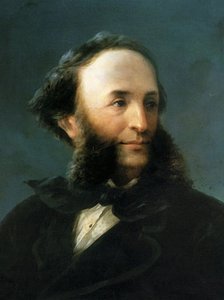
アイヴァゾフスキー
1817 - 1900 , ロシア
基本情報
- Artistic Movement Or Style: ロマン主義、海洋美術
- Artists Or Movements Influenced By This Artist: ['ロシア風景画']
- Artists Who Influenced This Artist: ['J.M.W. トゥルナー']
- Date Of Birth: 1817年7月29日
- Date Of Death: 1900年4月2日
- Full Name: Ivan Konstantinovich Aivazovsky
- Nationality: ロシア・アルメニア人
- Notable Artworks:
- 第九の波
- 嵐の中の船
- 海の満月
- Place Of Birth: フェオドシア、ロシア帝国
関連記事
Ivan Aivazovsky: Mastering Light & Emotion in 19th-Century Marine Painting
Explore the captivating world of Ivan Aivazovsky, a master of 19th-century marine painting. Discover his techniques, iconic artworks & lasting legacy in this expert guide.

Romantic Realism's Finest: 10 Masterpieces for Your Home | ArtsDot
Explore 10 defining masterpieces of Romantic Realism! Discover Courbet, Millet & Daumier's powerful paintings—capturing emotion and social realities. Find museum-quality reproductions for your home at ArtsDot.com.
The Allure of the Horizon: A Comprehensive Exploration of Seascape Art Through History & Emotion
Explore the captivating world of seascape art! Discover its history, key artists & movements – from Dutch Masters to Impressionism. Expert insights for collectors and enthusiasts at ArtsDot.
The Azure Depths: Exploring Representations of the Ocean in Art History
Explore the rich history of ocean art! Discover Romantic seascapes, renowned artists like Aivazovsky & Harris, and expert guidance for collectors at ArtsDot.com.

Dark Masterpieces: 10 Iconic Paintings Dominated by Black Tones |
Explore 10 iconic paintings dominated by black tones, from Rembrandt’s chiaroscuro to Goya's dark expressions. Discover the stories behind these masterpieces & find museum-quality art reproductions for your home at .