

 プレビュー
プレビュー
 プリントを購入
 シェアする
シェアする シェアする
シェアする
 詳細を見る
詳細を見る

 ダウンロード
 似ている作品
 X線調査
X線調査 スライドショー
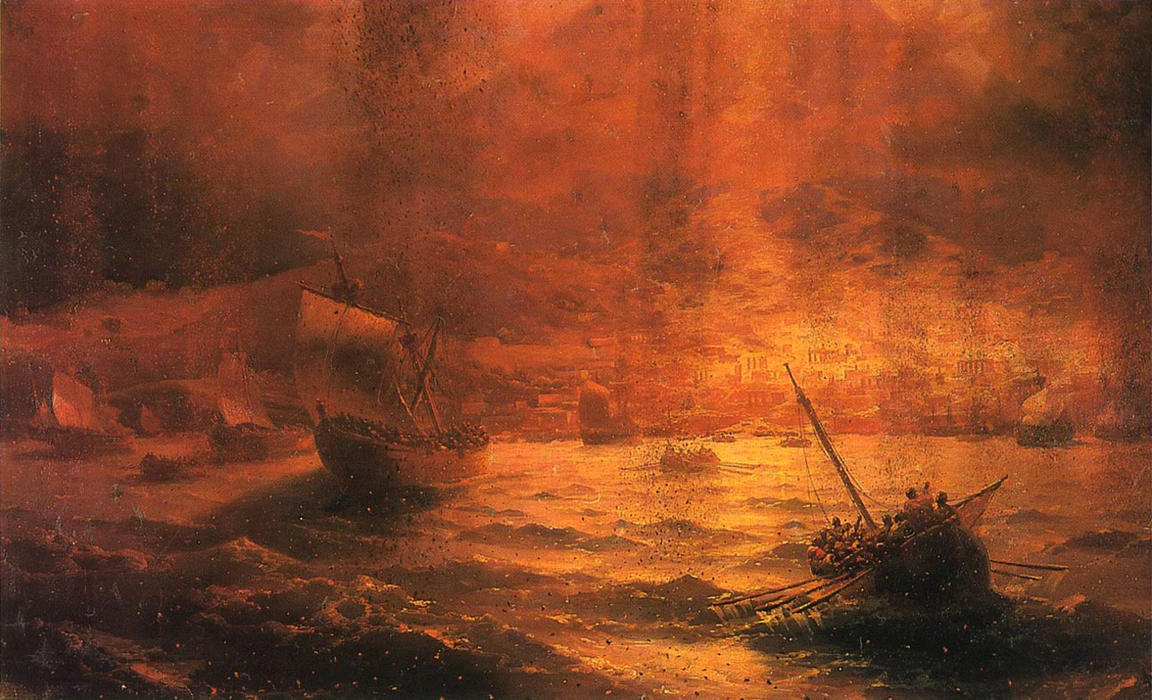
The Ruins of Pompeii
 Oil On Canvas
- WallArt
- Romanticism
 1889
1889- 19th Century
 128.0 x 218.0 cm
 詳細を見る
詳細を見る
オンラインプレビューをはるかに凌ぐ、高解像度で鮮明なデジタル画像をご購入いただけます。
各ファイルは、社内の専門家が高度なツールと熟練した手作業によるレタッチを用いて、細心の注意を払って準備されています。すべての画像において、卓越した鮮明度、正確な色彩再現性、そして繊細なディテールを保証いたします。
最終ファイルは、プロフェッショナルな編集・印刷環境ですぐにご利用いただけるよう最適化された状態で、72時間以内にメールにてお届けいたします。これは、一流のデザインスタジオ、出版社、ギャラリーから信頼されているものと同等の品質です。
デジタル画像のご注文に付随する特典
高品質なデジタル画像配信を、確かな品質で。
ArtsDot.com を選ぶことは、単に画像を手に入れることではありません。それは、プロの手によって精密に仕上げられ、満足保証が付いた高品質なデジタルアートワークを受け取ることを意味します。ご注文いただいた際に自動的に付随する内容は、以下の通りです:

メールですぐにお届け
ご注文から72時間以内に、高解像度のデジタル画像ファイルがメールでお手元に届きます。すぐにそのままご利用いただけます。

AI技術で最適化されたデジタルファイル
お客様の作品は、高度なAIツールと専門家による手作業の編集を組み合わせてプロフェッショナルに最適化されており、細部のディテール、鮮明さ、そして正確な色再現性を最大限に引き出しています。

一生涯無料の再送サービス
ファイルを誤って削除したり、紛失してしまったりしましたか?ご安心ください。いつでも無料で再送いたします。

輸入手数料は一切かかりません
関税や手数料、配送料を気にすることなく、お気に入りのアートワークをすぐにお楽しみいただけます。デジタルダウンロードは常に免税です。

色彩再現の保証
プロ仕様のツールとカラーマネジメント技術を用いることで、デジタル画像が元の色を最大限に忠実に再現することを保証いたします。

60日間満足保証
ご購入いただいたデジタル画像にご満足いただけない場合は、60日以内であれば、修正または100%の返金(理由を問う必要はありません)をさせていただきます。

100% 返金保証
ご満足いただけない場合は、デジタルファイルを受け取ってから60日以内であれば、理由を問わず全額返金いたします。

まとめ買い割引
3枚購入で10%OFF - 5枚購入で15%OFF - 10枚以上購入で20%OFF。クリエイティブなプロジェクト、ギャラリー、エージェンシーに最適です。
作品の詳細
A Cataclysm Frozen in Time: The Tragedy of Pompeii
To gaze upon Ivan Konstantinovich Aivazovsky’s depiction of The Ruins of Pompeii is not merely to observe a painting; it is to stand at the precipice of history, witnessing a moment when civilization collided violently with nature's raw, untamed power. This canvas transports us directly into the suffocating aftermath of Vesuvius’s devastating eruption in 79 AD. The air itself seems thick with ash and despair. Aivazovsky masterfully captures the sheer scale of the catastrophe—the juxtaposition of once-vibrant life against overwhelming desolation.
The scene is a haunting tableau of chaos. Buildings, monuments to human endeavor, are shown partially consumed by creeping lava and blanketed under drifts of volcanic ash. On the water, several boats drift like forgotten toys amidst the wreckage, their occupants—if visible at all—are swallowed by the overwhelming narrative of panic. It speaks volumes about fragility; how quickly the grandest structures and most bustling lives can be reduced to silent, tragic remnants.
The Master's Eye: Technique and Emotional Resonance
Aivazovsky, renowned for his profound connection to the sea, applies his signature dramatic flair here to a terrestrial disaster. While his genius is often associated with the boundless expanse of the Black Sea, in this work, that same sense of overwhelming natural force is channeled into the depiction of volcanic ruin. His technique allows the viewer’s eye to wander across the composition, from the foreground boats caught in the murky water to the distant, smoke-stained skyline. The handling of light and shadow is breathtaking; pockets of relative calm exist against a backdrop of suffocating gloom, lending an almost unbearable tension to every square inch.
The emotional impact is immediate and profound. It is a meditation on loss, survival, and the relentless march of geological time against human memory. For collectors and designers alike, this piece offers more than mere decoration; it provides a powerful focal point for contemplation—a dramatic anchor that speaks to the sublime terror inherent in existence.
Symbolism of Ruin and Resilience
The symbolism woven into The Ruins of Pompeii is rich and multilayered. The city itself represents the ephemeral nature of human achievement, a potent memento mori rendered with breathtaking beauty. Yet, within this desolation lies an undercurrent of resilience. The very act of painting such a scene—preserving the memory of the disaster—is an act of defiance against oblivion. The scattered figures, whether fleeing or simply witnessing, embody the enduring spirit that refuses to be entirely extinguished by catastrophe.
For those seeking art with narrative depth, this work resonates deeply. It invites dialogue about what we build, what we cherish, and how we endure when the foundations beneath us begin to shake. The drama is palpable, making it a centerpiece worthy of grand halls or contemplative studies.
A Statement for the Modern Collector
Reproducing such an iconic piece allows one to bring this monumental sense of history and dramatic flair into a contemporary setting. Whether adorning a formal drawing-room where conversation is paramount, or lending moody gravitas to a study, Aivazovsky’s vision commands attention. The scale (128 x 218 cm) ensures that the narrative unfolds grandly, enveloping the viewer in its tragic majesty. Owning this reproduction is acquiring not just an image of Pompeii, but a tangible piece of Romantic-era artistic interpretation concerning humanity's place beneath the vast indifference of nature.
関連作品
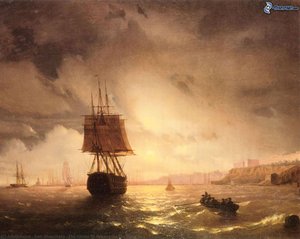
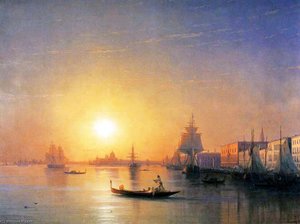
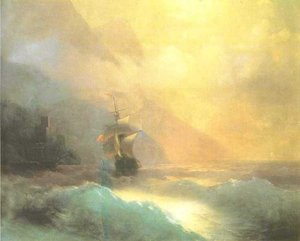
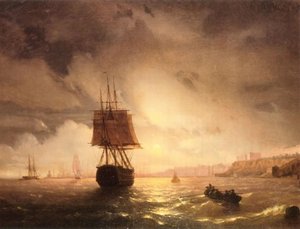

作家の略歴
Ivan Konstantinovich Aivazovsky (Hovhannes Aivazian): Embodies the Romantic Spirit of the Sea
Ivan Konstantinovich Aivazovsky, born Hovhannes Aivazian in 1817, was more than just a painter; he was inextricably linked to the soul of the Black Sea—a vast expanse that would dominate his artistic vision and propel him to unparalleled fame. His existence seemed to unfold alongside its turbulent currents, mirroring its unpredictable beauty and inherent danger. Born in Feodosia, Crimea – a city he would spend much of his life inhabiting – Aivazovsky possessed an innate connection to the sea that transcended mere observation; it was felt deeply within his artistic sensibility. This formative influence began early on, nurtured by architect Jacob Koch who recognized his prodigious talent and solidified by the rigorous academic training afforded him at Saint Petersburg’s Imperial Academy of Arts. Yet, formal education alone couldn't fully capture the essence of Aivazovsky’s understanding; it was the ceaseless wind whipping across the Black Sea shore and the cries of gulls circling overhead that truly sculpted his artistic spirit.Early Life and Artistic Foundations
Hovhannes Aivazian’s Armenian heritage played a crucial role in shaping his worldview and informing his artistic pursuits. Baptized at St. Sargis Armenian Church in Feodosia, he maintained strong ties to his cultural roots throughout his life—occasionally incorporating Armenian motifs into his expansive oeuvre. From humble beginnings, fueled by unwavering determination and supported by the patronage of influential figures like Czar Nicholas I, Aivazovsky ascended to become one of Russia’s most celebrated artists. His formative years were marked by a fascination with European art movements, particularly Romanticism – an aesthetic that championed emotion, imagination, and the sublime grandeur of nature—influences evident in his stylistic choices and thematic explorations. The Imperial Academy instilled in him meticulous technique and fostered a disciplined approach to artistic creation, equipping him with the tools necessary for achieving mastery over his medium.The Rise of a Naval Painter: Patronage and Artistic Transformation
A pivotal moment arrived when Aivazovsky was appointed official painter of the Russian Navy—a position that granted him unparalleled access to maritime life, naval battles, and firsthand observation. This wasn’t merely an honorific title; it was transformative – providing him with invaluable material for his art and cementing his reputation as a visionary artist. He became intimately acquainted with the daily rhythms of seafaring existence, immersing himself in the sights, sounds, and smells of shipyards and naval maneuvers. These experiences profoundly impacted his artistic perspective, fueling his passion for depicting dramatic scenes of maritime heroism and conveying the raw power of the ocean. The patronage of the Imperial family further bolstered his career, affording him considerable financial stability and allowing him to dedicate himself entirely to his craft.A Master of Romantic Seascapes: Style and Technique
Aivazovsky’s artistic style is instantly recognizable for its dramatic compositions, masterful use of color, and evocative rendering of atmospheric effects—characteristics firmly rooted in the Romantic movement. He excelled at capturing the sublime beauty of nature, particularly the turbulent seascapes that defined his oeuvre. His technique involved painstaking attention to detail, employing thin layers of paint to achieve luminous textures and conveying a palpable sense of dynamism. Like Turner before him, Aivazovsky sought to evoke emotion rather than simply documenting reality—capturing not just what he saw but what he felt when confronted with the immensity and majesty of the ocean. His paintings are characterized by bold brushstrokes, vibrant hues, and dramatic lighting—elements that contribute to their enduring power and beauty. Notable works include *The Ninth Wave*, a harrowing depiction of shipwreck survivors battling colossal waves—a testament to his ability to convey terror and resilience simultaneously. ## Legacy and Enduring Influence Ivan Konstantinovich Aivazovsky remains one of Russia’s most revered artists—a figure whose influence extends far beyond the realm of painting. His prolific output – approximately 6,000 canvases—established him as a titan among his contemporaries and cemented his place in art history. He profoundly impacted subsequent generations of Russian painters, inspiring them to embrace Romantic ideals and explore the expressive potential of landscape painting. Beyond artistic achievement, Aivazovsky’s unwavering dedication to his craft embodies the spirit of perseverance and ambition—a legacy that continues to resonate with audiences worldwide. His paintings are exhibited in museums across continents, captivating viewers with their breathtaking beauty and conveying a timeless message about humanity's relationship with nature. He is remembered not only for his artistic brilliance but also for his patriotic fervor – celebrating Russian naval victories and bolstering national pride. Aivazovsky’s enduring fame testifies to the power of art to transcend time and inspire awe—a testament to the genius of a man who truly understood how to capture the soul of the sea.
アイヴァゾフスキー
1817 - 1900 , ロシア
プロフィール概要
- Artistic Movement Or Style: ロマン主義、海洋美術
- Artists Or Movements Influenced By This Artist: ['ロシア風景画']
- Artists Who Influenced This Artist: ['J.M.W. トゥルナー']
- Date Of Birth: 1817年7月29日
- Date Of Death: 1900年4月2日
- Full Name: Ivan Konstantinovich Aivazovsky
- Nationality: ロシア・アルメニア人
- Notable Artworks:
- 第九の波
- 嵐の中の船
- 海の満月
- Place Of Birth: フェオドシア、ロシア帝国

