

 プレビュー
プレビュー
 プリントを購入
 シェアする
シェアする シェアする
シェアする
 詳細を見る
詳細を見る

 ダウンロード
 似ている作品
 X線調査
X線調査 スライドショー
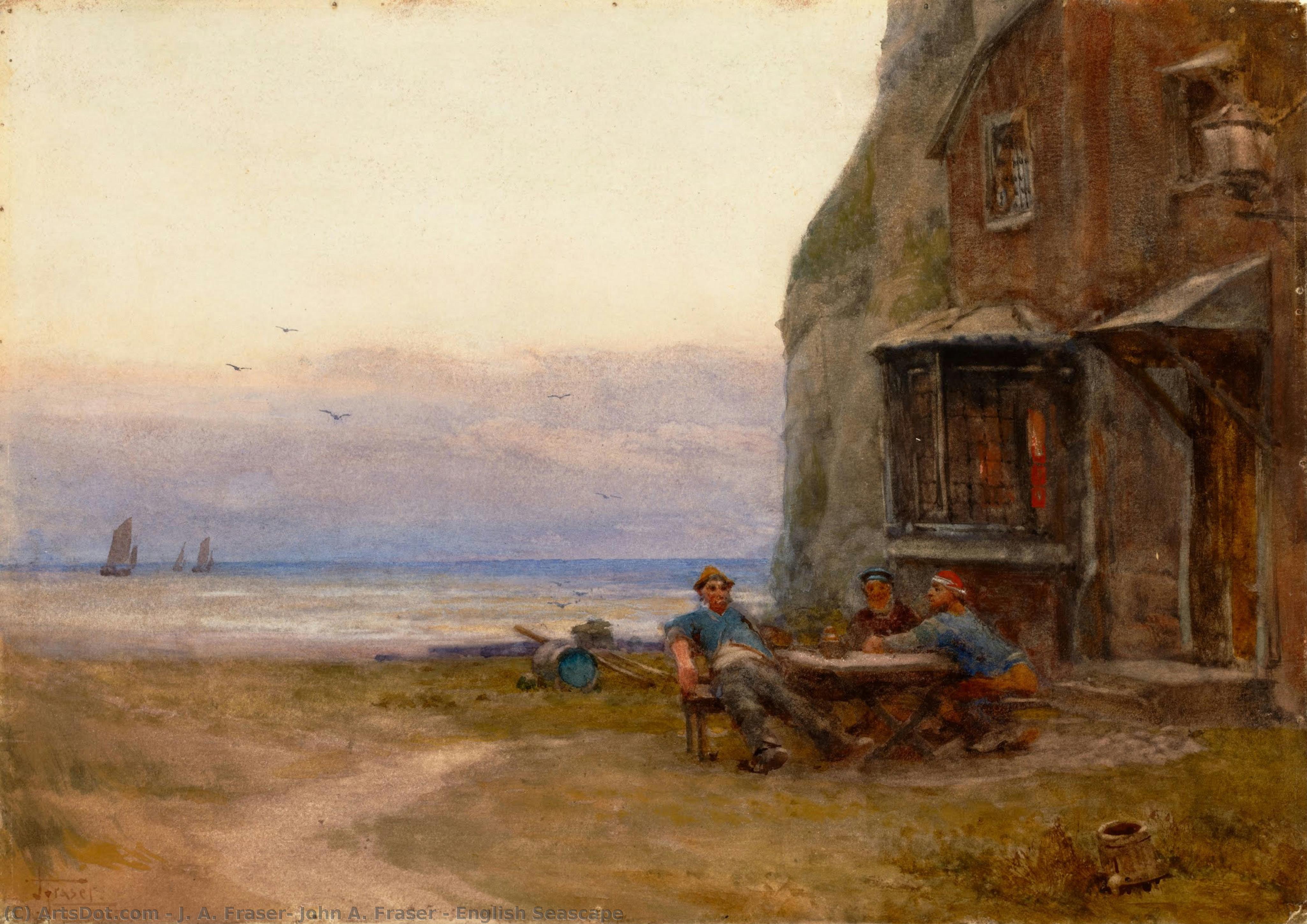
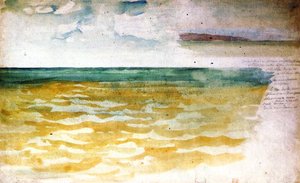
English Seascape
 Watercolor
- WallArt
- Realism
 1889
1889- 19th Century
 25.0 x 35.0 cm
 The Robert McLaughlin Gallery
 詳細を見る
詳細を見る
オンラインプレビューをはるかに凌ぐ、高解像度で鮮明なデジタル画像をご購入いただけます。
各ファイルは、社内の専門家が高度なツールと熟練した手作業によるレタッチを用いて、細心の注意を払って準備されています。すべての画像において、卓越した鮮明度、正確な色彩再現性、そして繊細なディテールを保証いたします。
最終ファイルは、プロフェッショナルな編集・印刷環境ですぐにご利用いただけるよう最適化された状態で、72時間以内にメールにてお届けいたします。これは、一流のデザインスタジオ、出版社、ギャラリーから信頼されているものと同等の品質です。
デジタル画像のご注文に付随する特典
高品質なデジタル画像配信を、確かな品質で。
ArtsDot.com を選ぶことは、単に画像を手に入れることではありません。それは、プロの手によって精密に仕上げられ、満足保証が付いた高品質なデジタルアートワークを受け取ることを意味します。ご注文いただいた際に自動的に付随する内容は、以下の通りです:

メールですぐにお届け
ご注文から72時間以内に、高解像度のデジタル画像ファイルがメールでお手元に届きます。すぐにそのままご利用いただけます。

AI技術で最適化されたデジタルファイル
お客様の作品は、高度なAIツールと専門家による手作業の編集を組み合わせてプロフェッショナルに最適化されており、細部のディテール、鮮明さ、そして正確な色再現性を最大限に引き出しています。

一生涯無料の再送サービス
ファイルを誤って削除したり、紛失してしまったりしましたか?ご安心ください。いつでも無料で再送いたします。

輸入手数料は一切かかりません
関税や手数料、配送料を気にすることなく、お気に入りのアートワークをすぐにお楽しみいただけます。デジタルダウンロードは常に免税です。

色彩再現の保証
プロ仕様のツールとカラーマネジメント技術を用いることで、デジタル画像が元の色を最大限に忠実に再現することを保証いたします。

100日間満足保証
ご購入いただいたデジタル画像にご満足いただけない場合は、100日以内であれば、修正または100%の返金(理由を問う必要はありません)をさせていただきます。

100% 返金保証
ご満足いただけない場合は、デジタルファイルを受け取ってから100日以内であれば、理由を問わず全額返金いたします。

まとめ買い割引
3枚購入で10%OFF - 5枚購入で15%OFF - 10枚以上購入で20%OFF。クリエイティブなプロジェクト、ギャラリー、エージェンシーに最適です。
A Golden Hour of Tranquility: The Essence of English Seascape
In the delicate, translucent layers of English Seascape, John A. Fraser invites the viewer into a fleeting moment of coastal repose. Painted in 1889, this exquisite watercolor captures more than just a landscape; it captures a mood of profound serenity. As the sun begins its descent, casting a warm, amber glow across the shoreline, we find ourselves standing upon the sand alongside a small group of companions. The scene is anchored by the gentle presence of figures gathered around a table, their quiet interaction suggesting a shared history and a deep-seated comfort in the company of one another. A loyal dog rests nearby, adding a touch of domestic warmth to the vast, salt-sprayed expanse of the coast.
The technique employed by Fraser demonstrates a masterful command over the watercolor medium. Through subtle washes and soft, diffused edges, he replicates the hazy atmosphere of a maritime sunset. There is no harshness here; instead, the light seems to bleed into the shadows, creating a seamless transition between the sky and the sea. The distant silhouette of a boat serves as a poignant reminder of the ocean's industrious nature, yet in this specific moment, it remains a silent witness to the peace on shore. This interplay of light and shadow creates a sense of depth that draws the eye from the intimate foreground gathering toward the infinite horizon.
Historical Resonance and Artistic Legacy
To understand English Seascape, one must consider the hand of J.A. Fraser, an artist whose life bridged the gap between the traditional fine arts and the emerging photographic sensibilities of the late 19th century. Born in London, Fraser brought a sophisticated European eye to his subjects, blending a keen observational realism with a romanticized view of nature. This piece reflects the Victorian era's fascination with the pastoral and the coastal—a period when the seaside became a sanctuary from the burgeoning industrialization of the cities. The painting acts as a window into a slower, more contemplative way of life, where the passage of time is measured not by clocks, but by the shifting tides and the fading light.
For the discerning collector or interior designer, this artwork offers a versatile elegance. Its soft palette of warm golds, muted blues, and sandy ochres makes it an ideal centerpiece for spaces designed to evoke calm and sophistication. Whether placed in a sun-drenched morning room or a quiet study, the painting provides a focal point that encourages introspection. It is not merely a decorative element but an emotional anchor, bringing the timeless, rhythmic beauty of the English coast into the modern home. Owning a reproduction of such a piece is an opportunity to preserve a fragment of 19th-century tranquility, ensuring that the peaceful spirit of Fraser’s vision continues to inspire generations to come.
関連作品
作家の略歴
John A. Fraser: Bridging Photography and Watercolor in the Canadian Landscape
Born in London, England, in 1838 to a politically engaged family, John Arthur Fraser’s artistic journey took him across continents and ultimately shaped his unique contribution to both Canadian art history and the burgeoning field of photographic landscape painting. His early life, steeped in Chartist politics through his father, instilled a sense of social awareness that subtly informed his later work – a keen observation of the natural world and its people. While formal artistic training remains somewhat elusive, records suggest evening studies at the Royal Academy Schools around 1852, followed by enrollment at the South Kensington School, though definitive proof is lacking. This ambiguity only adds to the intrigue surrounding Fraser’s development as an artist, a process marked by experimentation and collaboration.
Fraser's career truly took shape in Montreal during the mid-19th century, where he joined William Notman’s photographic firm. Initially employed as a tintener – responsible for coloring photographs – his skills quickly evolved into overseeing the art department. This role proved pivotal, leading to the development of “painted photographs,” a revolutionary technique that combined the precision of photography with the artistry of watercolor painting. These weren't simply tinted prints; Fraser meticulously painted landscapes onto large sheets of photographic paper, creating images that possessed an astonishing level of realism and atmospheric depth. The process involved carefully masking out studio props before applying translucent layers of paint, mimicking the appearance of traditional watercolors while retaining the sharp detail characteristic of photography. This innovative approach established Fraser as a pioneer in blending these two seemingly disparate art forms.
- Key Techniques: Fraser’s mastery lay in his ability to seamlessly integrate photographic realism with watercolor techniques. He employed layering, glazing, and meticulous attention to detail to capture the nuances of light, color, and texture.
- Materials: The use of high-quality photographic paper was crucial, allowing for the delicate application of paint. Fraser’s choice of pigments contributed significantly to the luminous quality of his finished works.
- Process: The creation of a painted photograph involved careful planning, precise masking, and multiple layers of paint applied with remarkable control.
Fraser's artistic output spanned a diverse range of subjects, including genre scenes – such as “Sunshine and Shower,” depicting children playing in a pond – and meticulously rendered landscapes of New Hampshire and the Eastern Townships of Quebec. These paintings were exhibited at the Art Association of Montreal, garnering critical acclaim for their realism and evocative qualities. Beyond his painting, Fraser’s photographic work showcased a deep appreciation for the Canadian landscape, capturing its rugged beauty with an almost painterly sensibility. His photographs weren't merely representations; they felt like intimate glimpses into a specific time and place.
Fraser’s legacy extends beyond his individual works. He was a charter member of the Society of Canadian Artists in 1867, a testament to his recognition as a significant figure in the burgeoning Canadian art scene. His election to the American Society of Painters in Watercolors further solidified his reputation as an accomplished watercolorist. His work served as an important bridge between European artistic traditions and the developing identity of Canadian landscape painting. He wasn’t simply copying existing styles; he was innovating, pushing the boundaries of both photography and watercolor, and establishing a new visual language for depicting the Canadian wilderness.
Despite his contributions, Fraser's life remains somewhat shrouded in mystery. His move to Toronto in 1868, where he partnered with William Notman to establish a photographic studio, marked a shift in focus. While he continued to paint and exhibit, his later years were largely dedicated to the business of photography. However, his early artistic explorations – particularly his pioneering work in painted photographs – continue to inspire artists and art enthusiasts alike, reminding us of the power of combining seemingly disparate techniques to create truly unique and compelling works of art.
Further Exploration
For a deeper understanding of John A. Fraser’s life and work, consider exploring these resources:
- National Gallery of Canada: John A. Fraser - National Gallery of Canada
- Wikipedia: John Arthur Fraser - Wikipedia
- ArtsDot.com: (Note: This is a placeholder link – verify the actual URL) Explore examples of his work and related artists.
To delve further into the broader context of Canadian art history, consult resources such as the Dictionary of Canadian Biography (http://www.biographi.ca/en/bio/fraser_john_arthur_12E.html) and the website of the Art Association of Montreal.
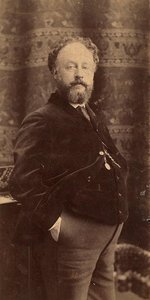
j. a. fraser, john a. fraser
1838 - 1898 , United Kingdom
プロフィール概要
- Artistic Movement Or Style: Watercolor landscapes
- Artists Or Movements Influenced By This Artist: ['Royal Canadian Academy']
- Artists Who Influenced This Artist: ['']
- Date Of Birth: 9 January 1838
- Date Of Death: 1 January 1898
- Full Name: John Arthur Fraser
- Nationality: English
- Notable Artworks:
- Sunshine and shower
- New Hampshire landscapes
- Eastern Township landscapes
- Place Of Birth: London, England