

 プレビュー
プレビュー
 プリントを購入
 シェアする
シェアする シェアする
シェアする
 詳細を見る
詳細を見る

 ダウンロード
 似ている作品
 X線調査
X線調査 スライドショー
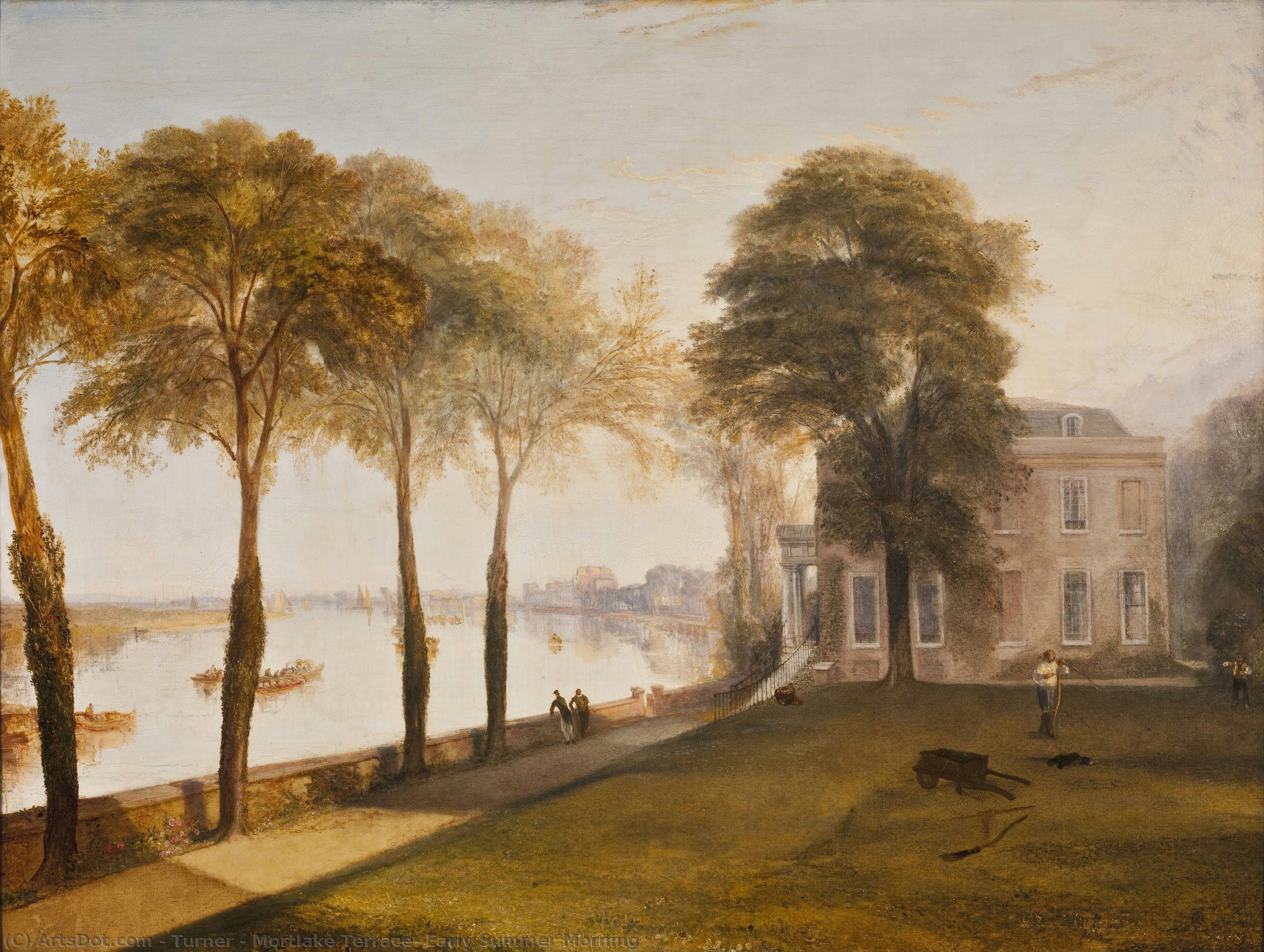
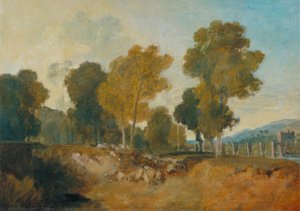
Mortlake Terrace: Early Summer Morning
 Oil On Canvas
- WallArt
- Romanticism
 1826
1826- 19th Century
 93.0 x 123.0 cm
 フリック美術館
 詳細を見る
詳細を見る




P118B $10

P118H $10

P118W $10

P438Z $10

P508JH $12

P508YH $12

P805H $10

P805Z $10

P919BZ $10

P919G $10

P919XJ $10

P959ZH $10

P968JZ $12

W106C $8

W218G $10

W218JH $8

W218Y $10

W307PJ $10

W316G $10

W316PJ $8

W316Y $10

W398PJ $8

W4111J $10

W500HY $15

W500JH $15

W692G $12

W849H $8

W940BG $15

W953PJ $8




作品のオリジナル比率に合わせた、当店の規定サイズからお選びください。

特定のフレームやスペースに合わせて、ご希望のサイズをご入力いただけます。選択されたサイズが元の画像の比率と異なる場合、アートワークをトリミングするか、手描きで要素を追加して絵画を拡張いたします。デジタルモックアップ を制作し、制作開始前にご確認(承認)をいただきます。
画面上のプレビューは、実際のトリミングや拡張を正確に反映しているものではありません。最終的な構図は、モックアップによってのみ正確にご確認いただけます。
カスタムサイズもご利用いただけますが、元の比率を維持するためには、あらかじめ用意されたリストからサイズを選択することをお勧めいたします。
ご注文後、ArtsDot.com チームより詳細な指示をお送りするとともに、仕上がりイメージ(モックアップ)をご提供いたします。


 ガラスオプションは、110cm未満のサイズでのみご利用いただけます。

Mortlake Terrace: Early Summer Morning
複製技法
複製画のサイズ
-


合計金額
$ 263
作品解説
The Luminous Embrace of an Early Summer Morning
To gaze upon Mortlake Terrace: Early Summer Morning is to step directly into a moment suspended by the ethereal hand of light. This magnificent canvas, painted in 1826 for William Moffatt, does more than merely depict a view; it captures the very breath of an early summer day along the Thames. J.M.W. Turner, the master who seemed to paint with atmosphere itself, has rendered this scene not with photographic precision, but with a sublime sensitivity that speaks directly to the soul. The composition is a masterful dialogue between the permanence of human dwelling—the stately house positioned gracefully on the right—and the ceaseless, breathing energy of nature embodied by the river and the expansive sky. It is a vision steeped in tranquility, inviting the viewer to slow their pace and simply absorb the gentle rhythm of life unfolding at the water's edge.
A Study in Light and Atmosphere
Turner’s technical brilliance here is breathtakingly apparent. He eschews hard lines for luminous washes, allowing light itself to become the primary subject matter. The palette sings with soft yellows, those signature tones that catch the nascent sunbeams reflecting off the water's surface, mingling with deep, restful blues and vibrant, yet muted, greens of the foliage. Notice how the edges blur; this is not a flaw in execution but a deliberate artistic choice, an embrace of the ephemeral. The technique employed suggests loose, visible brushwork—a painterly freedom that allows the viewer’s eye to wander across the canvas as if catching stray beams of sunlight. This atmospheric quality, characteristic of his mature style, transforms what might be a simple landscape into a profound meditation on perception itself.
Historical Context and Enduring Appeal
Painted during a period when Romanticism championed emotion over Enlightenment rationality, this work perfectly encapsulates the era's fascination with the sublime—the overwhelming beauty found in nature. The fact that it was exhibited alongside his ambitious painting of Cologne speaks to Turner’s consistent exploration of grand scale and emotional resonance within landscape settings. For the modern collector or designer, this piece offers a connection to history while providing unparalleled decorative depth. Imagine this scene gracing a drawing-room wall; its soft grandeur complements both classical elegance and contemporary serenity, acting as an instant focal point that whispers tales of Georgian refinement.
Symbolism of Peace and Domesticity
Beyond the visual splendor lies a deeper emotional resonance. The subject matter—a private estate viewed at dawn—evokes potent feelings of peace, nostalgia, and sheltered domestic bliss. The river itself often symbolizes the passage of time, yet here, it is rendered so calm that time seems to pause entirely. The interplay between the solid architecture and the fluid water suggests a harmonious balance in life: the grounding comfort of home set against the beautiful, unstoppable flow of existence. It is an artwork that promises contemplation, offering respite from the clamor of the everyday world.
Bringing Turner Home
Owning a reproduction of Mortlake Terrace allows one to curate not just a wall hanging, but an entire mood. The soft focus and luminous quality mean that even in reproductions, the sense of diffused light remains palpable. It is art designed to be lived with—a constant, gentle reminder of nature’s quiet majesty. Whether placed above a console table or anchoring a gallery wall, this piece promises to infuse any space with the golden, tranquil glow of an early summer morning at Mortlake Terrace.
関連作品


アーティストの略歴
光で描かれた生涯:J.M.W. ターナーの世界
J.M.W. ターナーの名で世界に知られるジョセフ・マロード・ウィリアム・ターナーは、単なる画家ではありませんでした。彼は風景画の概念を再定義し、現代の抽象表現への道を切り拓いた先見の明を持つ芸術家でした。1775年、ロンドンのコヴェント・ガーデン、メイデン・レーンに生まれた彼の出自は、理髪師でありカツラ職人であった父を持つ、控えめなものでした。しかし、幼少期からその内には驚くべき才能が芽生えていました。わずか14歳でロイヤル・アカデミーに入学し、そのわずか1年後には最初の作品を展示しています。この初期の有望さは、単なる技術的な習熟に留まるものではありませんでした。それは、後の輝かしいキャリアの代名詞となる、光、色彩、そして大気に対する天賦の理解を予感させるものでした。彼は建築図面家としての実務経験を通じて芸術教育を補い、遠近法や構図の能力を磨き上げました。その研ぎ澄まされた技術は、緻密な地形図的な風景から、感情を揺さぶる広大な風景画に至るまで、あらゆる描写において計り知れない価値を発揮することになります。ターナーの若き日々は、天性の素質と芸術的卓越性への飽くなき追求に支えられた、自らの技への献身によって刻まれていました。ロマン主義の嵐:様式と影響
ターナーはロマン主義時代の絶頂期に登場しましたが、単にその慣習に従うだけの画家ではありませんでした。彼は様々な源泉から影響を吸収しました。クロード・ロランやエルバート・カイプといったオランダの巨匠からは、その光り輝く風景画から学び、リチャード・ウィルソンのような芸術家からは、自然への詩的なアプローチを受け継ぎました。しかし、ターナーは単なる模倣に留まらず、これらの影響を統合して全く新しい何かを生み出したのです。彼の作品は表現豊かな色彩の使用を特徴とし、しばしば大胆なコントラストと鮮やかな色調を用いて、感情や情緒を伝えます。彼は自然が持つ力強さとドラマに魅了されました。荒れ狂う海、燃えるような夕日、そして渦巻く嵐は、彼の絵画における繰り返されるモチーフとなりました。彼は単に目に見えるものを描写することに関心があったのではありません。彼はその場所の「感覚」、すなわち自然界が呼び起こす崇高な畏怖の念を捉えようとしたのです。この探求は、次第に筆致を緩め、形態を色彩と光の層へと溶け込ませる実験的な手法へと彼を導きました。これは数十年後の印象派運動を先取りする技法でした。1840年以降、風景画を批評的な称賛の新たな高みへと引き上げたジョン・ラスキンの支持により、彼の作品は大きな評価を獲得することとなります。多作なる遺産:ターナーの創作の規模
ターナーが残した芸術的成果の量は、驚くべきものです。彼は550点を超える油彩画、2,000点近い水彩画、そして驚異的な3万点もの紙作品を生み出しました。この多作さは単なる量の問題ではありません。それは、異なる主題、技法、様式に対する彼の絶え間ない探求の反映でした。その画題は、イギリスの風景を描いた緻密な地形図的視点から、劇的な歴史的場面、そして情緒豊かな海洋画まで多岐にわたります。彼は、田園風景の静寂を捉えることにも、猛り狂う嵐の恐ろしい力を描き出すことにも、等しく長けていました。「ヴィミュー砦」のような作品は、渦巻く雲、打ち寄せる波、そして強烈な光といった大気効果を描き出す彼の卓越した技量を象徴しています。同様に、「カンパーニャの風景」では、繊細な筆致と光り輝く色彩によって、イタリアの田園地帯の温もりと静謐さを捉える能力が示されています。絵画にとどまらず、ターナーは熟練した版画家でもあり、エッチングやリトグラフを通じて自らの芸術的ビジョンをさらに広く普及させました。奇行と追憶:傑作の背後にいた人物
ターナーの私生活は、その芸術と同様に複雑で謎に満察したものでした。彼は極めてプライベートな存在であり、社交の場を避け、アトリエの孤独や開かれた道での旅を好む隠遁的な生活を送りました。彼は、仲間の芸術家の妻であったサラ・ダンビーとの間にエヴェリーナとジョージアナという二人の娘をもうけましたが、彼女たちとは疎遠な関係を保っていました。晩年は、ますます強まる奇行と健康の衰えが目立つようになりました。1829年に父を亡くした後、彼はますます陰鬱で引きこもりがちになり、荒れた生活の中で身なりを顧みることもなくなりました。正体を隠すために「ブース氏」という偽名を用いることもあり、国勢調査の際には追跡を逃れるためにボートでテムズ川へと漕ぎ出したことさえあります。こうした奇行にもかかわらず、あるいはそれゆえに、ターナーは今なおイギリスで最も愛される芸術家の一人であり続けています。最期の日々はチェルシーで過ごされ、1851年12月19日、76歳でその生涯を閉じました。彼の不朽の遺産へのふさわしい献辞として、彼は他のイギリスの偉人たちと共にセント・ポール大聖堂に埋葬されています。これは、芸術と文化に対する彼の深い影響力の証です。彼の作品は今もなお世界中の芸術家にインスピレーションを与え、観衆を魅了し続けており、J.M.W. ターナーの放つ光が、これからの世代へと輝き続けることを約束しています。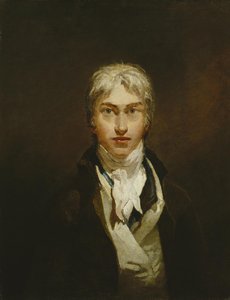
J.M.W. ターナー
1775 - 1851
基本情報
- Artistic Movement Or Style: ロマン主義
- Artists Or Movements Influenced By This Artist:
- 印象派
- 抽象芸術
- Artists Who Influenced This Artist:
- ジョン・ロバート・コゼンス
- リチャード・ウィルソン
- Date Of Birth: 1775年4月23日
- Date Of Death: 1851年12月19日
- Full Name: ジョセフ・マロード・ウィリアム・ターナー
- Nationality: イギリス
- Notable Artworks:
- ヴィミュー要塞
- カンパーニャの風景
- Place Of Birth: イギリス、ロンドン
関連記事
Slate Blue Masterpieces: 10 Iconic Paintings & Timeless Home Decor Ideas
Immerse yourself in the captivating world of slate blue! Explore 10 iconic paintings by Monet, Van Gogh & Renoir. Discover their stories, techniques & find museum-quality art reproductions for your home at .

ロマン派ランドスケープ:時代を彩る巨匠の10選|アートとインテリアの世界
ロマン派絵画の時代を彩る10選。巨匠たちの風景が織りなす感動の世界へ。ターナー、ルーベンスなど、名作の裏話と高精細複製でアートをお部屋に。ArtsDot.comで至福のアート体験を。

ジョン・コンスタブルの傑作25選:英国風景画の巨匠が描く自然と光の詩 | ArtsDot
ジョン・コンスタブルの傑作25選。英国風景画の巨匠が描く自然と光の詩の世界へ。ロマン主義を代表する絵画、デダム・ヴェールやヘイ・ウェインなど、ArtsDotで高品質なアートプリントをお楽しみください。インテリアに深みと感動を。コレクションはこちら。
The Sublime Landscape: Exploring the Hudson River School Movement
Explore the captivating world of the Hudson River School! Discover the history, artists, and defining characteristics of this iconic American art movement. Learn about Romanticism's influence & find inspiration for your collection.
Echoes of Arcadia: Nostalgia & Transformation in Vintage Landscape Art
Explore the evocative world of vintage landscape art! Discover the history, artists & emotional power behind masterpieces from the Hudson River School & beyond. Expert insights for collectors & enthusiasts.

