

 プレビュー
プレビュー
 シェアする
シェアする シェアする
シェアする
 詳細を見る
詳細を見る

 ダウンロード
 似ている作品
 X線調査
X線調査 スライドショー
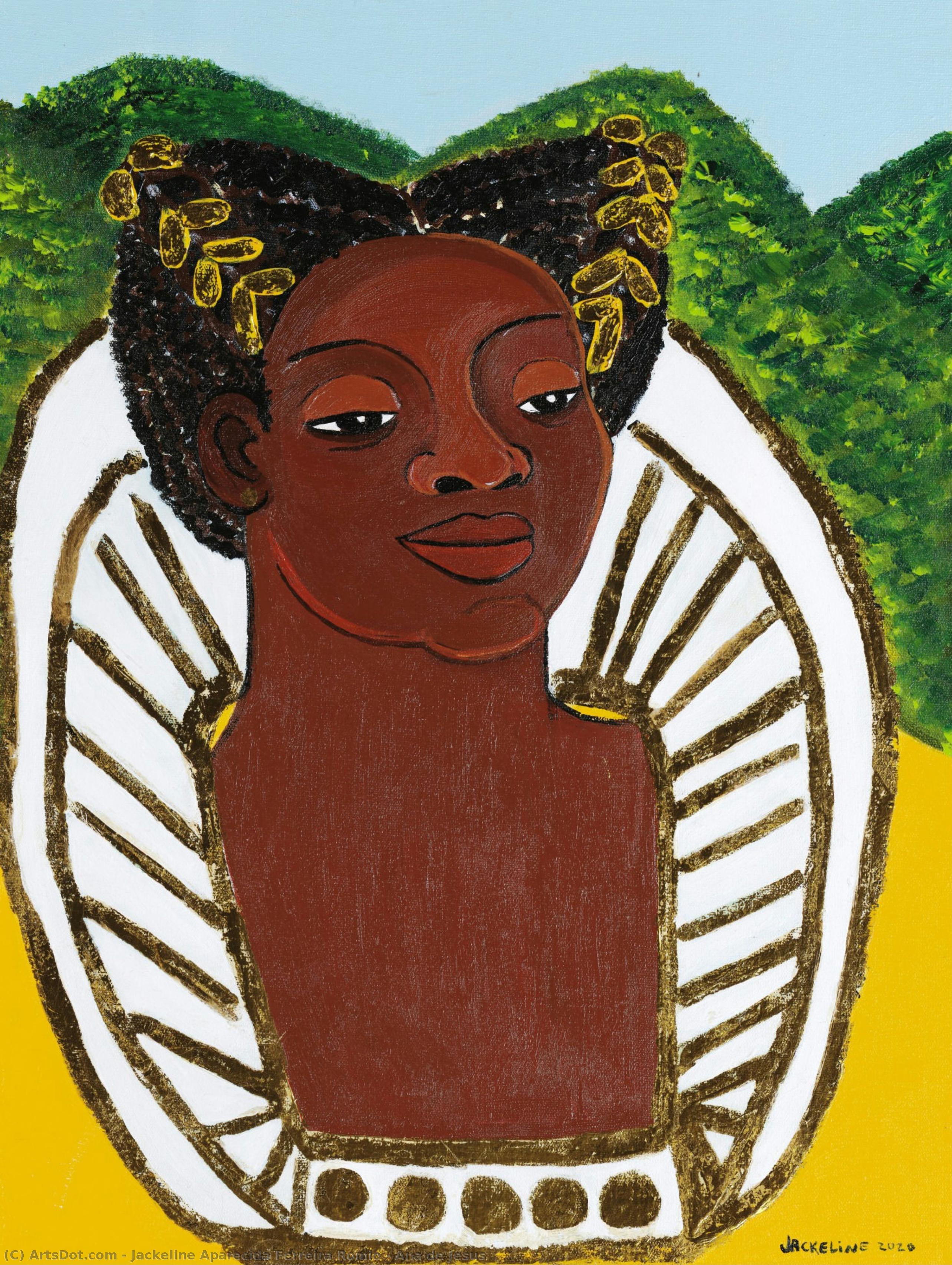
Ana de Jesus


 詳細を見る
詳細を見る
ジークレー/アートプリント
迅速な制作と多彩な仕上げオプションを備えた、ミュージアムクオリティのジークレーまたはキャンバスプリント。 ( 手描きの絵画を購入 画像を購入)




P118B $10

P118H $10

P118W $10

P438Z $10

P508JH $12

P508YH $12

P805H $10

P805Z $10

P919BZ $10

P919G $10

P919XJ $10

P959ZH $10

P968JZ $12

W106C $8

W218G $10

W218JH $8

W218Y $10

W307PJ $10

W316G $10

W316PJ $8

W316Y $10

W398PJ $8

W4111J $10

W500HY $15

W500JH $15

W692G $12

W849H $8

W940BG $15

W953PJ $8




作品のオリジナル比率に合わせた、当店の規定サイズからお選びください。

特定のフレームやスペースに合わせて、ご自身でサイズを指定することも可能です。選択されたサイズが元の画像の比率と一致しない場合、作品をトリミングするか、鏡面反射または単色での塗りつぶしによって画像を拡張いたします。制作を開始する前に、ご確認用のデジタルモックアップをお送りいたします。
画面上のプレビューには、実際のトリミングや拡張は反映されませんのでご注意ください。最終的な構図を正確に確認できるのは、モックアップのみとなります。
カスタムサイズも承っておりますが、元の比率を維持するためには、あらかじめ用意されたリストからサイズを選択することをお勧めいたします。


 ガラスオプションは、110cm未満のサイズでのみご利用いただけます。

Ana de Jesus
ジークレー/アートプリント
複製画のサイズ
-


合計金額
$ 62
A Portrait of Resilience and Reclaimed History
In the vibrant contemporary work "Ana de Jesus," artist Jackeline Aparecida Ferreira Romio breathes life into a forgotten chapter of Brazilian history. The painting serves as a profound tribute to a woman whose very existence was an act of defiance against the shackles of enslavement. Through a masterful blend of folk art aesthetics and modern graphic sensibility, Romio reconstructs the narrative of Ana de Jesus, a figure who, through the arduous labor of finding alluvial gold in the rivers of Vila Rica, managed to secure her freedom and navigate the complex social hierarchies of seventeenth-century Minas Gerais. The portrait is not merely a depiction of a face, but a reclamation of a legacy that was nearly erased by time.
The visual language of the piece is strikingly bold, utilizing a limited yet energetic color palette dominated by warm, sun-drenched tones. Romio employs a stylized, almost iconic approach to the subject, where the central figure is framed by a decorative, halo-like structure that suggests a sense of divinity and protection. This geometric ornamentation, characterized by circles and sweeping lines, elevates the subject from a historical figure to a symbol of enduring strength. The technique is palpably painterly; thick, textured brushstrokes create a tactile surface that invites the viewer to feel the weight of the history being told. There is a deliberate flattening of perspective, which pushes the subject toward the foreground, demanding an intimate and unavoidable encounter with her gaze.
Symbolism and the Soul of Brazilian Heritage
Beyond its striking visual appeal, "Ana de Jesus" is deeply embedded with layers of symbolic meaning that resonate with themes of identity, empowerment, and social justice. The artist, whose work is deeply rooted in feminist activism and the investigation of social complexities, uses the portrait to explore the intersection of race, gender, and class. The halo surrounding the subject acts as a visual metaphor for the sanctity of the human spirit and the resilience required to thrive under oppression. Every patterned border and geometric shape serves to reinforce the connection to African diasporic artistic traditions, weaving a tapestry of cultural heritage that feels both ancient and urgently contemporary.
For collectors and interior designers, this artwork offers more than just a beautiful focal point; it provides a profound emotional anchor for any space. The piece possesses a regal quality that commands attention, making it an ideal centerpiece for those seeking to curate environments that celebrate diversity and historical depth. Whether placed in a modern gallery setting or a sophisticated residential study, the painting’s vibrant energy and soulful narrative invite contemplation. It is a work of art that does not just decorate a wall—it tells a story of triumph, inviting all who view it to reflect on the enduring power of the human will to overcome and prosper.
関連作品



アーティストの略歴
A Tapestry of Resistance: The Art and Activism of Jackeline Romio
In the vibrant yet often turbulent landscape of contemporary Brazilian art, few voices resonate with as much profound urgency as that of Jackeline Aparecida Ferreira Romio. Born in São Paulo in 1980, Romio has cultivated a practice that exists at the intersection of rigorous academic inquiry and raw, emotive expression. Her work is not merely an aesthetic endeavor but a vital sociological intervention, weaving together the threads of demography, social justice, and feminist theory. To encounter her art is to engage with a deep-seated commitment to uncovering the invisible scars left by systemic violence and racial oppression within Latin American society.
Romio’s creative evolution is inseparable from her intellectual journey. As a scholar holding a doctorate and master's degree in demography from UNICAMP, her artistic vision is informed by a meticulous investigation into the complexities of femicide and the intersectional nature of violence. Her research into how race, gender, and class converge to shape the lived experiences of women provides the structural backbone for her visual narratives. This unique duality—the precision of the researcher paired with the empathy of the painter—allows her to transform cold, statistical realities into poignant, humanized portraits that demand a response from the viewer.
Symbolism and the Reclamation of Narrative
The power of Romio’s work lies in its ability to reclaim histories that have been systematically erased or silenced. Her paintings often serve as sites of reclamation, where the subjects are not merely victims of circumstance but agents of their own enduring legacies. A quintessential example is her 2020 masterpiece, 'Ana de Jesus'. In this work, Romio utilizes a palette of warm tones and bold, decisive lines that pay homage to the rich traditions of Brazilian folk art. Through this stylistic choice, she elevates the narrative of an enslaved woman, transforming a historical figure of suffering into a monumental symbol of self-determination and resilience.
The symbolism within her compositions often reflects the tension between oppression and survival. By utilizing colors that evoke the earth and the warmth of Brazilian heritage, she anchors her subjects in a sense of place and identity, even when addressing themes of profound loss. Her art functions as a visual epistemology—a way of knowing and naming experiences that are often relegated to the margins of history. Through her brushstrokes, the abstract concept of social injustice becomes a tangible, breathing reality, forcing an intimate confrontation with the legacies of colonialism and gender-based violence.
A Legacy of Social Transformation
Beyond the canvas, Jackeline Romio’s significance extends into the realm of global discourse on human rights. Her contribution to contemporary art is defined by its refusal to remain passive; her work acts as a catalyst for dialogue, challenging dominant narratives and fostering empathy across cultural divides. She has successfully bridged the gap between the academic study of social indicators and the visceral impact of visual storytelling, making the heavy subject matter of mortality and violence accessible and deeply moving.
The enduring importance of Romio’s practice can be summarized through several key pillars of her contribution to the arts:
- Intersectional Advocacy: Her ability to visually articulate the complex relationship between racial, gendered, and class-based oppressions.
- Cultural Preservation: The integration of Brazilian folk art aesthetics to celebrate and protect historical identities.
- Artistic Activism: The use of painting as a tool for raising awareness about femicide and the necessity of social reform.
- Narrative Reclamation: Providing a platform for marginalized figures to reclaim their agency and historical presence.
As the world continues to grapple with the realities of social inequality, the work of Jackeline Romio stands as a testament to the power of art to serve as both a mirror to society's darkest corners and a beacon of hope for its transformation.

jackeline aparecida ferreira romio
1980 - , Brazil
基本情報
- Artistic Movement Or Style: Contemporary Art
- Date Of Birth: 1980
- Full Name: Jackeline Aparecida Ferreira Romio
- Nationality: Brazilian
- Notable Artworks: ['Ana de Jesus']
- Place Of Birth: São Paulo, Brazil
関連記事

ゴヤ傑作25選:スペインの魂を揺さぶる、深遠な芸術の世界 | ArtsDot
ゴヤ傑作25選:ロマン主義を代表するスペインの巨匠、フランシスコ・デ・ゴヤの世界へ。黒衣の女からマハまで、魂を揺さぶる絵画の物語と技法を紐解きます。ArtsDotで高品質なアートレプリカを見つけ、インテリアに深みと風格を。今すぐコレクションをご覧ください。

About Us
Discover our story! We bring world-class art into your life through expert curation, personalized creations, and free previews. Trusted by individuals and businesses since 2000.

Dark Masterpieces: 10 Iconic Paintings Dominated by Black Tones |
Explore 10 iconic paintings dominated by black tones, from Rembrandt’s chiaroscuro to Goya's dark expressions. Discover the stories behind these masterpieces & find museum-quality art reproductions for your home at .
Alceu de Paula Penna: A Synthesis of Brazilian Modernism & Poetic Abstraction
Explore the captivating world of Alceu de Paula Penna, a pivotal figure in Brazilian Modernism. Discover his innovative concrete poetry & influence on Latin American art history. Expert insights for collectors.

Mars Black Masterpieces: 10 Iconic Paintings & Timeless Art Decor Ideas
Delve into the power of 'Mars Black' with 10 iconic paintings by masters like Rembrandt & Caravaggio. Explore dramatic chiaroscuro, gothic art, and timeless beauty. Find museum-quality reproductions & elevate your home decor on .