 プレビュー
プレビュー
 シェアする
シェアする シェアする
シェアする
 詳細を見る
詳細を見る

 ダウンロード
 似ている作品
 X線調査
X線調査 スライドショー
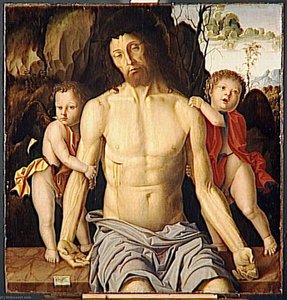
Man of Sorrows
 Oil On Canvas
- WallArt
- Northern Renaissance
 23.0 x 15.0 cm
 Museum Mayer van den Bergh
 詳細を見る
詳細を見る
ジークレー/アートプリント
迅速な制作と多彩な仕上げオプションを備えた、ミュージアムクオリティのジークレーまたはキャンバスプリント。 ( 手描きの絵画を購入 画像を購入)




P118B $10

P118H $10

P118W $10

P438Z $10

P508JH $12

P508YH $12

P805H $10

P805Z $10

P919BZ $10

P919G $10

P919XJ $10

P959ZH $10

P968JZ $12

W106C $8

W218G $10

W218JH $8

W218Y $10

W307PJ $10

W316G $10

W316PJ $8

W316Y $10

W398PJ $8

W4111J $10

W500HY $15

W500JH $15

W692G $12

W849H $8

W940BG $15

W953PJ $8




作品のオリジナル比率に合わせた、当店の規定サイズからお選びください。

特定のフレームやスペースに合わせて、ご自身でサイズを指定することも可能です。選択されたサイズが元の画像の比率と一致しない場合、作品をトリミングするか、鏡面反射または単色での塗りつぶしによって画像を拡張いたします。制作を開始する前に、ご確認用のデジタルモックアップをお送りいたします。
画面上のプレビューには、実際のトリミングや拡張は反映されませんのでご注意ください。最終的な構図を正確に確認できるのは、モックアップのみとなります。
カスタムサイズも承っておりますが、元の比率を維持するためには、あらかじめ用意されたリストからサイズを選択することをお勧めいたします。


 ガラスオプションは、110cm未満のサイズでのみご利用いただけます。

Man of Sorrows
ジークレー/アートプリント
複製画のサイズ
-


合計金額
$ 62
作品詳細説明
The Weight of Sorrow: Jacob Cornelisz van Oostsanen’s “Man of Sorrows”
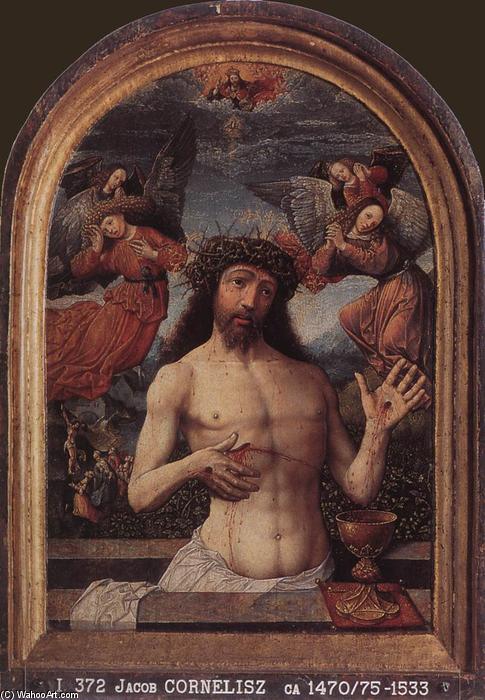
Jacob Cornelisz van Oostsanen's "Man of Sorrows," painted circa 1510, isn’t merely a depiction of Christ; it’s an immersion into profound grief and spiritual contemplation. Emerging from the artistic crucible of Northern Europe during a period of intense religious fervor, this painting transcends its formal elements to resonate with a deeply human experience – the recognition of suffering and the promise of redemption. The work stands as a testament to van Oostsanen's skill in capturing not just physical form but also the very essence of sorrow, a feat rarely achieved with such poignant intensity.
The painting’s genesis lies within the rich tapestry of devotional art that flourished across Europe during the early 16th century. Drawing heavily from Byzantine precedents – particularly the iconic “Imago Pietatis” or Christ of Pity – van Oostsanen elevates a familiar image to new heights of emotional depth. The composition is deliberately restrained, focusing entirely on the central figure of Christ. He’s presented in a half-length pose, his body slumped forward, mirroring the weight of his sacrifice. The starkness of the background—a muted expanse punctuated by two serene angels – serves only to amplify the drama unfolding before the viewer. The artist masterfully employs chiaroscuro, utilizing subtle gradations of light and shadow to sculpt Christ’s form and emphasize the vulnerability etched upon his face.
A Study in Texture and Technique
Van Oostsanen's technical prowess is immediately evident in the meticulous detail with which he renders the textures of Christ’s garments. The folds of the fabric, rendered with a delicate brushwork that suggests both weight and fluidity, create a tactile quality that invites the viewer to almost reach out and touch them. The artist demonstrates an astute understanding of anatomy, subtly conveying the musculature beneath the skin while simultaneously imbuing the figure with an air of ethereal grace. The use of oil paint allows for rich color saturation and layering, contributing to the painting’s luminous quality despite its predominantly somber palette. Notice particularly the subtle variations in tone applied to the wounds – a testament to his ability to capture both the raw pain and the inherent dignity of Christ's suffering.
Symbolism Woven into Sorrow
Beyond the immediate depiction of Christ’s agony, “Man of Sorrows” is laden with symbolic meaning. The crown of thorns, prominently displayed on his head, serves as a potent reminder of his humiliation and rejection. The visible wounds—a gaping gash across his side and lacerations on his hands—are not simply representations of physical pain but visual metaphors for the sins of humanity. The angels flanking Christ’s head are often interpreted as symbols of divine protection and solace, offering a silent witness to his suffering. Crucially, the presence of the dove, soaring above the scene, represents the Holy Spirit – a symbol of hope and the promise of resurrection. The chalice held by the angels at the base of the composition is a direct reference to the Eucharist, transforming Christ’s sacrifice into an act of profound spiritual nourishment for believers.
An Echo of Emotion: The Painting's Enduring Impact
“Man of Sorrows” wasn’t intended as a mere historical record but rather as a vehicle for personal devotion. Paintings like this were often displayed in private homes, serving as focal points for prayer and contemplation. The painting’s enduring appeal lies in its ability to evoke a visceral response – a sense of empathy for Christ's suffering and a recognition of the universality of human sorrow. It is a work that invites viewers to pause, reflect, and connect with the profound themes of sacrifice, redemption, and hope. Today, reproductions of this powerful image continue to resonate with audiences worldwide, serving as a poignant reminder of the enduring legacy of faith and artistic expression.
関連作品
アーティストの略歴
ヤコブ・コルネリス・ファン・オーストサネ:アムステルダムにおけるゴシックとルネサンスの架け橋
ヤコブ・コルネリス・ファン・オーストサネ(1470年頃 – 1533年)は、北ネーデルラント美術における極めて重要な人物であり、活気あふれる都市アムステルダムにおいて、中世の伝統から芽生えつつあったルネサンス精神への最終的な転換期を象徴しています。彼の生涯に関する伝記的詳細は乏しく、主にカレル・ファン・マンダーの『書記画論(Schilder-boック)』や公文書記録に頼らざるを得ないのが現状ですが、研究者たちはその人生と芸術的軌跡を丹念に再構築してきました。そこから浮かび上がるのは、ハールレムのゴシックな遺産に深く根ざしながらも、フィレンツェやニュルンベルクから伝播してきた革新的な潮流に深い影響を受けた、一人の熟練した職人の姿です。- 生い立ちと家族:1470年頃、北ホラント州のオーストザーンに生まれたヤコブ・コルネリスは、絵画に身を捧げた芸術家一家の一員でした。彼の兄弟であるコルネリス・バイス(IおよびII)もまた、優れた才能を持つ画家でした。この出生地そのものが、彼の形成期における芸術的環境を物語っています。オーストザーンがアムステルダムに近いという地理的条件は、有力な工房や確立された芸術的系譜との繋がりを育むこととなりました。
- 修行と影響:当時の多くの芸術家と同様に、ヤコブ・コルネリスはハールレムでその技術を磨きました。彼は、ゴシック様式の特徴である光り輝く色彩パレットと引き伸ばされたプロポーションの達人、ヘールヘン・ト・シント・ヤンスの様式的規範を吸収していきました。しかし同時に、アルブレヒト・デューラーが提唱した変革的な思想にも触れており、新たな芸術的手法や技法を受け入れようとする柔軟な姿勢を示していました。
アムステルダムとルネサント絵画の黎明
1500年頃、ヤコブ・コルネリスがアムステルダムへと移り住んだことは、彼の芸術キャリアにおける決定的な転換点となりました。彼はカルフェラート通りに隣接する二つの家を購入し、街を代表する芸術家の一人としての地位を確立するとともに、家族のための安定した生活基盤を築きました。この移住は、都市が著しい成長と文化的ダイナミズムを見せていた時期と重なります。当時のアムステルダムは、ヨーロッパ全土から職人や知識人を惹きつける国際的な中心地へと急速に変貌を遂げつつありました。彼の工房は実験の拠点となり、依頼による肖像画のみならず、当時の美意識を反映した緻密な木版画やステンドグラスの制作が行われました。代表作と芸術的様式
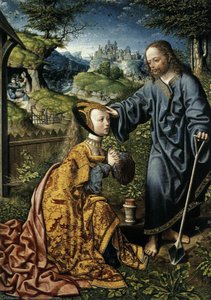
ヤコブ・コルネリスの作品群は、約200点の木版画と27点の絵画に及び、デザイナーおよび画家としての彼の多才さを証明しています。彼の版画は、細部への徹底したこだわりと北ネーデルラントの伝統的な慣習への忠実さを特徴とし、物語の明快さを優先しながら、巧みに配置された人物像を通じて感情を伝えます。また、『園丁としてのキリスト』のような絵画は、彼の様式の進化を象徴しています。そこには、簡略化されたプロポーション、光り輝く色彩の調和、そして初期ゴシック美術の硬直した形式主義から脱却した、より自由な筆致が見て取れます。彼はハールレム絵画の要素とデューラーの影響を見事に融合させ、精神的な深みと視覚的な華やかさを兼ね備えたイメージを創り出したのです。象徴性と宗教的背景
芸術家としての生涯を通じて、ヤコブ・コルネリスは一貫して宗教的な主題に取り組んできました。その多くは、台頭するプロテスタントの宗教改革に対抗し、正統派の信仰を守ろうとしたカトリックのパトロンたちからの依頼によるものでした。『降誕』や『サウルとエンドルの魔女』といった彼の作品には、中世の伝統に根ざした確立された図像学が用いられつつも、現代的な様式の革新が取り入れられています。これらの作品は信仰の視覚的な表現として機能し、人文主義的な学問や芸術的潮流に精通した当時の観衆の心に響くよう、巧みに作り上げられていました。遺産と歴史的重要路
美術史におけるヤコブ・コルネリス・ファン・オーストサネの貢献は疑いようのないものです。彼は、イタリア的な様式の流入に抗ったフランドル派画家の最後の砦を象徴しています。彼の工房は死後も繁栄を続け、芸術的な革新を促進し、アムステルダムの著名な芸術家としての家族の遺産を永続させました。彼は今なお、ゴシックの職人技とルネサンスの理想が融合した、芸術的変遷の象徴として存在しています。それは北ヨーロッパの視覚文化を形作る上で、極めて重要な瞬間であったのです。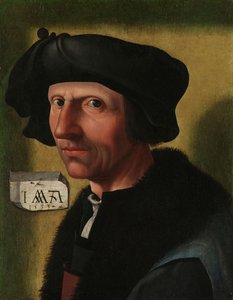
ヤコブ・コルネリス・ファン・オーストサネ
1470 - 1533 , オランダ
基本情報
- Artistic Movement Or Style: 初期ネーデルランデ絵画
- Artists Or Movements Influenced By This Artist: ['ヤン・ファン・エイク']
- Artists Who Influenced This Artist:
- ヘールヘン・トット・シント・ヤンス
- アルブレヒト・デューラー
- Date Of Birth: 1470年頃
- Date Of Death: 1533年
- Full Name: ヤコブ・コルネリス・ファン・オーストサネ
- Nationality: オランダ
- Notable Artworks:
- 東方三博士の礼拝
- キリストの埋葬 1
- 聖ヒエロニムス
- Place Of Birth: オランダ、オーストザーン
関連記事

レンブラント傑作25選:光と影の巨匠、魂を揺さぶる名画の世界 | ArtsDot
レンブラントの傑作25選。光と影の魔術師が描いた魂を揺さぶる名画の世界へ。美術史に残る自画像、夜警、宗教画…ArtsDotで高品質なアートプリントやインテリアアートをお楽しみください。コレクションはこちら→

Early Netherlandish Masters: 10 Paintings That Revolutionized Art & Decor
Journey into the world of Early Netherlandish painting! Explore 10 masterpieces by Jan van Eyck, Rogier van der Weyden & more. Discover stunning detail, symbolism & Renaissance art for your home decor. Find museum-quality reproductions on ArtsDot.com

Early Netherlandish Masters: 10 Paintings That Revolutionized Art & Decor
Journey into the Early Netherlandish Renaissance! Explore 10 iconic paintings by Jan van Eyck, Rogier van der Weyden & more. Discover stunning detail, symbolism, and oil painting techniques. Find museum-quality art reproductions for your home at ArtsDot.com.
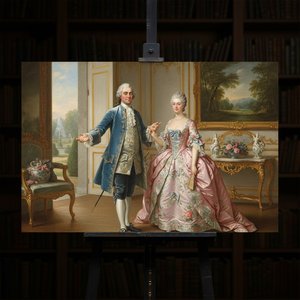
Charles-André van Loo: A Study in Rococo Portraiture & the French Court's Artistic Dynamics
Explore the elegant world of Charles-André van Loo, a master of Rococo portraiture at the French court. Discover his life, techniques, and enduring influence on 18th-century art. Hand-painted reproductions available.
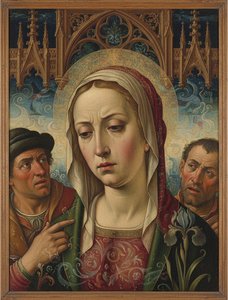
Hugo van der Goes: Devotion, Innovation & the Psychological Depth of Early Netherlandish Painting
Explore the revolutionary art of Hugo van der Goes – a master of Early Netherlandish painting renowned for his dramatic realism, psychological depth & profound influence on Renaissance artists. Discover his iconic works and lasting legacy.