 プレビュー
プレビュー
 プリントを購入
 シェアする
シェアする シェアする
シェアする
 詳細を見る
詳細を見る

 ダウンロード
 似ている作品
 X線調査
X線調査 スライドショー
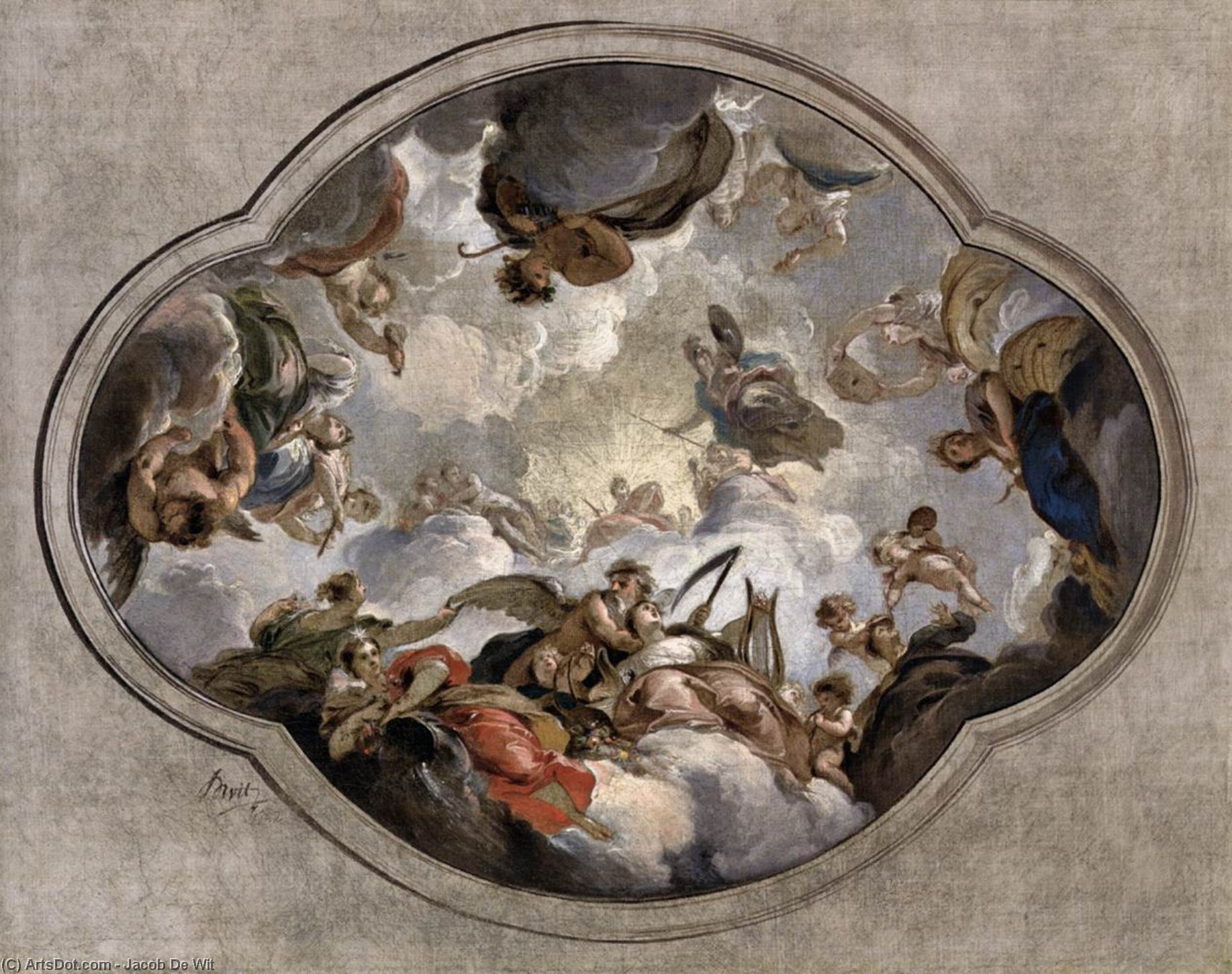
Allegory of the Arts
 Oil On Canvas
- WallArt
- Baroque
 1742
1742- Early Modern
 48.0 x 59.0 cm
 メトロポリタン美術館
 詳細を見る
詳細を見る




P118B $10

P118H $10

P118W $10

P438Z $10

P508JH $12

P508YH $12

P805H $10

P805Z $10

P919BZ $10

P919G $10

P919XJ $10

P959ZH $10

P968JZ $12

W106C $8

W218G $10

W218JH $8

W218Y $10

W307PJ $10

W316G $10

W316PJ $8

W316Y $10

W398PJ $8

W4111J $10

W500HY $15

W500JH $15

W692G $12

W849H $8

W940BG $15

W953PJ $8




作品のオリジナル比率に合わせた、当店の規定サイズからお選びください。

特定のフレームやスペースに合わせて、ご希望のサイズをご入力いただけます。選択されたサイズが元の画像の比率と異なる場合、アートワークをトリミングするか、手描きで要素を追加して絵画を拡張いたします。デジタルモックアップ を制作し、制作開始前にご確認(承認)をいただきます。
画面上のプレビューは、実際のトリミングや拡張を正確に反映しているものではありません。最終的な構図は、モックアップによってのみ正確にご確認いただけます。
カスタムサイズもご利用いただけますが、元の比率を維持するためには、あらかじめ用意されたリストからサイズを選択することをお勧めいたします。
ご注文後、ArtsDot.com チームより詳細な指示をお送りするとともに、仕上がりイメージ(モックアップ)をご提供いたします。


 ガラスオプションは、110cm未満のサイズでのみご利用いただけます。

Allegory of the Arts
複製技法
複製画のサイズ
-


合計金額
$ 263
作品解説
A Celestial Celebration: Unveiling the Allegory of the Arts
To gaze upon this magnificent depiction, the Allegory of the Arts, is to step directly into a realm where creativity takes tangible form. This painting is not merely an arrangement of figures; it is a vibrant, swirling testament to human ingenuity, capturing the very breath of artistic endeavor in a moment of divine inspiration. The composition unfolds like a grand, heavenly pageant, inviting the viewer to lose themselves among the clouds and the graceful forms that embody humanity's greatest pursuits.
At its heart resides a central figure—the embodiment of Music—whose presence seems to radiate an ethereal harmony. She is surrounded by companions representing poetry, dance, drama, and countless other disciplines, each form given life through gesture, posture, and symbolic attribute. The inclusion of angels fluttering overhead adds a layer of celestial blessing, suggesting that the arts themselves are gifts bestowed from above, elevating earthly experience to something sublime.
The Rococo Whisper of Jacob de Wit
This masterpiece hails from 1742, placing it squarely within the effervescent period of the Rococo style. The artist responsible for this vision is Jacob de Wit, a master whose touch defined much of Amsterdam’s opulent interior decoration. De Wit was renowned not only for his skill but for his ability to translate grand, sweeping narratives onto canvases that seemed too delicate for their subject matter. His background in both the Baroque tradition and the emerging Rococo sensibility allowed him to create works that felt simultaneously monumental and exquisitely graceful.
While de Wit is celebrated for his ceiling paintings and decorative panels, this work showcases his ability to handle complex allegorical narratives with a lightness of touch. The overall effect is one of dynamic movement contained within a carefully orchestrated vision—a hallmark of the period's taste for sophisticated ornamentation.
Symbolism Woven in Cloud and Canvas
The symbolism permeating this piece is rich and deeply resonant. The very structure, set against scattered clouds, suggests that art itself exists beyond the mundane boundaries of everyday life; it belongs to a higher plane of contemplation. Each represented art form—be it the measured rhythm of music or the dramatic flourish of theater—is given equal weight, suggesting a harmonious interdependence among creative disciplines. It speaks to an era fascinated by Enlightenment ideals filtered through a lens of divine patronage.
For the collector or designer, this painting offers more than mere decoration; it is a philosophical statement about the value of culture and beauty in human life. The energy captured here suggests that creativity is not a solitary act but a communal, almost spiritual experience.
A Reproduction for Modern Reverence
To bring the breathtaking scope of this Allegory of the Arts into your own space is to invite an atmosphere of perpetual inspiration. When considering a hand-painted reproduction, one acquires not just pigment on canvas, but a piece of history imbued with artistic aspiration. The quality of such a reproduction allows modern interiors—whether drawing rooms or grand halls—to echo the sophisticated grandeur of 18th-century European taste. It serves as an immediate focal point, whispering tales of patronage, genius, and the enduring power of human imagination.
It is a work that elevates any setting, transforming it into a gallery dedicated to the celebration of all things beautiful and created by hand.
関連作品

アーティストの略歴
ヤコブ・デ・ウィット:グリザイユの巨匠、そしてアントウェルペンのバロックが遺した足跡
ヤコブ・デ・ウィット(1695–1754)は、オランダ・ロココ美術における極めて重要な人物としてその名を刻んでいます。アムステルダムやハールレムの歴史的建造物を彩る息を呑むような天井画や、精緻な技巧が凝らされたドアパネルによって、彼は広く知られてきました。彼の作品は単なる装飾的な美しさを超え、卓越した芸術的スキルと細部への執拗なまでのこだわりが融合した結晶といえます。当時の華やかな時代の嗜好を反映しながら、デ・ウィットは時代を代表する最も影響力のあるインテリア・デコレーターとしての地位を不動のものにしました。 アムステルダムに生まれたデ・ウィエットの形成期は、アルベルト・ファン・スパイアーズやヤコブ・ファン・ハルといった巨匠たちの指導のもとで過ごされました。彼らはデ・ウィットにバロック様式の深遠な原理を叩き込むと同時に、芽生えつつあったロココ的な美意識をも育んでいったのです。1714年にはアムステルダムの聖ルカ組合への入会を果たし、芸術家コミュニティにおける地位を確固たるものにしました。その後、彼はアントウェルペンへと舞台を移します。そこで彼はカロルス・ボルメウス教会にある壮麗なルーベンスの天井画をスケッチすることで、観察眼を研ぎ澄ませていきました。この依頼から生まれた、緻密に記録された水彩画シリーズは1751年に出版され、デ・ウィットの技術的な卓越性を証明すると同時に、アントウェルペンの芸術的遺産を伝える極めて貴重な歴史的記録となりました。文化的な宝を守り抜こうとする彼の献身的な姿勢が、ここに見て取れるのです。 デ・ウィットの門下には、ヤン・デ・グロート、ディオニュス・ファン・ナイメーヘン、ヤン・プント、ピーター・タンジェ、そしてフランスとヤコブ・ザビエル兄弟といった才能たちが名を連ねていました。彼らはデ・ウィットの様式的なヴィジョンを吸収し、自らも芸術家としてその遺志を継承していきました。彼の作品を象徴するのは、「グリザイユ」として知られる繊細な階調の変化を用いた独特のアプローチであり、それが絵画に天上的で軽やかな質感を与えています。他のロココ派の画家たちが鮮やかな色彩を用いるのに対し、デ・ウィットはモノクロームのグレーの陰影を好みました。光と影を巧みに操ることで、深い精神性を湛えたドラマチックな構図を生み出したのです。このグリザイユ技法の卓越した使い方は、アイザック・デ・ムシュロンやジョヴァンニ・バッティスタ・ガウリといった同時代の画家たちとは一線を画す、彼独自の芸術的署名となりました。 彼の活動は、アムステルダムやハールレムの洗練されたヴィラにおける数多くの依頼に及び、芸術家として、また装飾家としての多才さを遺憾なく発揮しました。名高い天井画のみならず、聖書の場面や神話の物語を描いた見事なドアパネルも制作し、それらは豪華な室内空間における視覚的な中心となりました。これらの作品は単に審美的に優れているだけでなく、古典神話や宗教的図像への深い関心を反映しており、啓蒙主義時代の知的な熱狂を体現しています。アムステルダムの歴史地区に今なお残るデ・ウィットの創造物は、建築装飾と芸術的伝統に対する彼の永続的な影響力を物語っています。 結局のところ、ヤコブ・デ・ウィットがオランダ・バロック美術に果たした貢献は、単なる視覚的な美しさを超越しています。彼は、緻密な職人技と深遠な芸術的ヴィジョンが結びついた象徴であり、その遺産は今日においても賞賛と学術的な研究の対象であり続けています。後世の芸術家たちの作品の中に見出される彼の影は、アントウェルペンの芸術史における礎石として、そしてオランダ・ロココ様式の至高の象徴としての地位を、永遠のものにしています。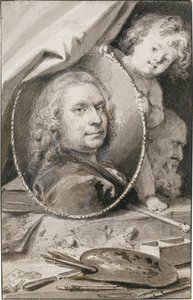
ヤコブ・デ・ウィット
1695 - 1754 , オランダ
基本情報
- Artistic Movement Or Style: ロココ絵画
- Artists Or Movements Influenced By This Artist: ['ヤン・プント']
- Artists Who Influenced This Artist:
- アルベルト・ファン・スパイアーズ
- ヤコブ・ファン・ハル
- Date Of Birth: オランダ、アムステルダム (1695年)
- Date Of Death: 1754年
- Full Name: ヤコブ・デ・ウィット
- Nationality: オランダ
- Notable Artworks: ['秋', '夏', '冬']
- Place Of Birth: アムステルダム
関連記事

ゴヤ傑作25選:スペインの魂を揺さぶる、深遠な芸術の世界 | ArtsDot
ゴヤ傑作25選:ロマン主義を代表するスペインの巨匠、フランシスコ・デ・ゴヤの世界へ。黒衣の女からマハまで、魂を揺さぶる絵画の物語と技法を紐解きます。ArtsDotで高品質なアートレプリカを見つけ、インテリアに深みと風格を。今すぐコレクションをご覧ください。
From Grandeur to Grace: Exploring the Evolution of Baroque & Rococo Art
Explore the captivating evolution from Baroque's drama to Rococo's grace! Discover key artists, characteristics & lasting influence of these art movements with expert insights at ArtsDot.

The Rococo Aesthetic: Opulence, Rebellion & the Pursuit of Pleasure in 18th-Century Art
Explore the opulent world of Rococo art! Discover its origins, key artists like Watteau & Boucher, and lasting influence on design. Expert insights for collectors & enthusiasts.

About Us
Discover our story! We bring world-class art into your life through expert curation, personalized creations, and free previews. Trusted by individuals and businesses since 2000.

華麗なるロココ:芸術史を彩る10大傑作の世界
華麗なるロココ美術の世界へ。バロックから生まれた優雅な芸術、その10大傑作を徹底解説!ブーシェ、フロマンなど巨匠たちの技と物語を紐解き、お部屋を彩るアートを見つけよう。ArtsDot.comで至高の美術館品質レプリカとインテリアアイデアを発見。