

 プレビュー
プレビュー
 プリントを購入
 シェアする
シェアする シェアする
シェアする
 詳細を見る
詳細を見る

 ダウンロード
 似ている作品
 X線調査
X線調査 スライドショー
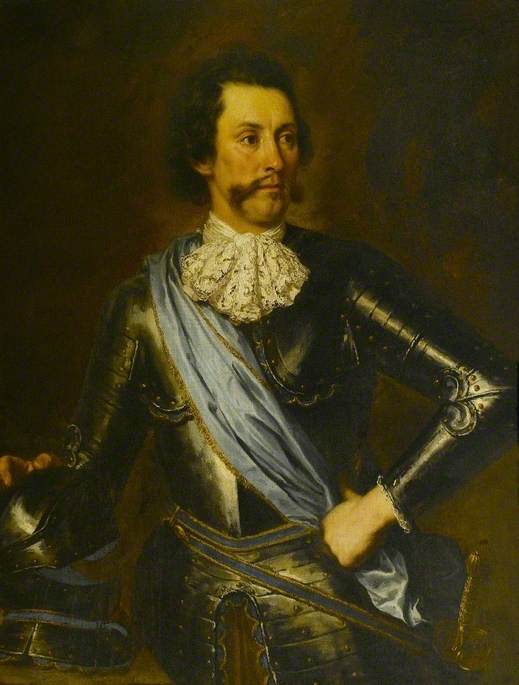
Portrait of an Officer
 109.0 x 85.0 cm
 Chequers Court
 詳細を見る
詳細を見る
オンラインプレビューをはるかに凌ぐ、高解像度で鮮明なデジタル画像をご購入いただけます。
各ファイルは、社内の専門家が高度なツールと熟練した手作業によるレタッチを用いて、細心の注意を払って準備されています。すべての画像において、卓越した鮮明度、正確な色彩再現性、そして繊細なディテールを保証いたします。
最終ファイルは、プロフェッショナルな編集・印刷環境ですぐにご利用いただけるよう最適化された状態で、72時間以内にメールにてお届けいたします。これは、一流のデザインスタジオ、出版社、ギャラリーから信頼されているものと同等の品質です。
デジタル画像のご注文に付随する特典
高品質なデジタル画像配信を、確かな品質で。
ArtsDot.com を選ぶことは、単に画像を手に入れることではありません。それは、プロの手によって精密に仕上げられ、満足保証が付いた高品質なデジタルアートワークを受け取ることを意味します。ご注文いただいた際に自動的に付随する内容は、以下の通りです:

メールですぐにお届け
ご注文から72時間以内に、高解像度のデジタル画像ファイルがメールでお手元に届きます。すぐにそのままご利用いただけます。

AI技術で最適化されたデジタルファイル
お客様の作品は、高度なAIツールと専門家による手作業の編集を組み合わせてプロフェッショナルに最適化されており、細部のディテール、鮮明さ、そして正確な色再現性を最大限に引き出しています。

一生涯無料の再送サービス
ファイルを誤って削除したり、紛失してしまったりしましたか?ご安心ください。いつでも無料で再送いたします。

輸入手数料は一切かかりません
関税や手数料、配送料を気にすることなく、お気に入りのアートワークをすぐにお楽しみいただけます。デジタルダウンロードは常に免税です。

色彩再現の保証
プロ仕様のツールとカラーマネジメント技術を用いることで、デジタル画像が元の色を最大限に忠実に再現することを保証いたします。

60日間満足保証
ご購入いただいたデジタル画像にご満足いただけない場合は、60日以内であれば、修正または100%の返金(理由を問う必要はありません)をさせていただきます。

100% 返金保証
ご満足いただけない場合は、デジタルファイルを受け取ってから60日以内であれば、理由を問わず全額返金いたします。

まとめ買い割引
3枚購入で10%OFF - 5枚購入で15%OFF - 10枚以上購入で20%OFF。クリエイティブなプロジェクト、ギャラリー、エージェンシーに最適です。
関連作品








作家の略歴
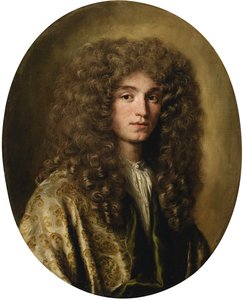
Jacob Ferdinand Voet: The Florentine Shadow of Baroque Elegance
Jacob Ferdinand Voet, a name often whispered in the circles of 17th-century European art, remains a figure of captivating mystery and undeniable skill. Born in Antwerp around 1639, his life unfolded across the vibrant landscapes of Italy and France, leaving behind a legacy of exquisitely rendered portraits that captured the glamour and social intricacies of an era. While details regarding his early training remain scarce – a frustratingly common occurrence for artists of this period – Voet quickly established himself as one of the most fashionable and sought-after portrait painters in Rome, earning him a reputation for elegance, refined detail, and a remarkable ability to imbue his subjects with captivating presence.
Voet’s career began in Antwerp, the son of painter Elias Voet. He embarked on a journey that led him first to Rome, where he resided from 1663 to 1680. This period proved pivotal, immersing him within the bustling artistic community of the Bentvueghels – an association of Dutch and Flemish artists who documented their experiences through drawings and prints. A particularly intriguing artifact stemming from this time is a charcoal drawing depicting all members of the group, preserved on the wall of a Roman inn; its survival speaks volumes about Voet’s standing within the artistic network and his contribution to its collective identity.
The Papal Court and Beyond: Patronage and Artistic Flourishing
Rome became the epicenter of Voet's career. He swiftly gained recognition for his portraits, attracting a prestigious clientele that included members of the papal court, prominent Roman families like the Colonna and Odescalchi, and even Queen Christina of Sweden, who commissioned a portrait reflecting her regal bearing. The influence of these patrons fueled his artistic development, exposing him to diverse styles and demanding an elevated level of sophistication in his work. Beyond Rome, Voet’s talents were also appreciated by European nobility, including English visitors on their Grand Tours – journeys designed to expose young aristocrats to the art and culture of Europe.
A particularly significant commission during this period was a series of 37 portraits known as ‘Galleria delle Belle,’ created for Cardinal Chigi between 1672 and 1678. These captivating depictions of Roman women, showcased in his dining room at the Palazzo Chigi in Ariccia, sparked a trend throughout Europe – a fascination with portraying young women in luxurious settings. Voet’s meticulous attention to detail, particularly in capturing the eyes and expressions of his subjects, elevated these portraits beyond mere likenesses; they became windows into the lives and social standing of Rome's elite.
A Scandalous Reputation and a Shifting Landscape
Despite his success, Voet’s career was not without controversy. His depictions of women often featured daringly low necklines – a stylistic choice that scandalized Pope Innocent XI, who promptly banned him from Rome in 1680. This episode highlights the complex social and religious constraints faced by artists during this era, demonstrating how artistic freedom could be limited by prevailing moral sensibilities. Following his expulsion, Voet continued to work, establishing himself in Milan, Florence, and eventually Turin, adapting his style and catering to new patrons.
Legacy and Enduring Influence
Jacob Ferdinand Voet’s impact on the history of portraiture is undeniable. He masterfully blended the elegance of the Baroque with a keen understanding of human psychology, creating portraits that are both visually stunning and psychologically insightful. While his early life remains shrouded in some mystery, his later years were marked by prolific output and widespread acclaim. His work continues to be studied and admired for its technical brilliance, its ability to capture the essence of his subjects, and its reflection of a pivotal moment in European art history – the flourishing of portraiture during the late Baroque period. Voet’s legacy endures not just through his paintings but also through the enduring fascination they inspire, offering a glimpse into the opulent world of 17th-century Europe.
Jacob Ferdinand Voet
1639 - 1700 , Belgium
プロフィール概要
- Artistic Movement Or Style: Baroque portraiture
- Date Of Birth: 1639 Antwerp, Belgium
- Date Of Death: 1700
- Full Name: Jacob Ferdinand Voet
- Nationality: Flemish
- Notable Artworks:
- Queen Christina of Sweden
- Cardinal de Retz
- Cardinal Carlo Cerri
- Place Of Birth: Antwerp, Belgium

