

 プレビュー
プレビュー
 プリントを購入
 シェアする
シェアする シェアする
シェアする
 詳細を見る
詳細を見る

 ダウンロード
 似ている作品
 X線調査
X線調査 スライドショー
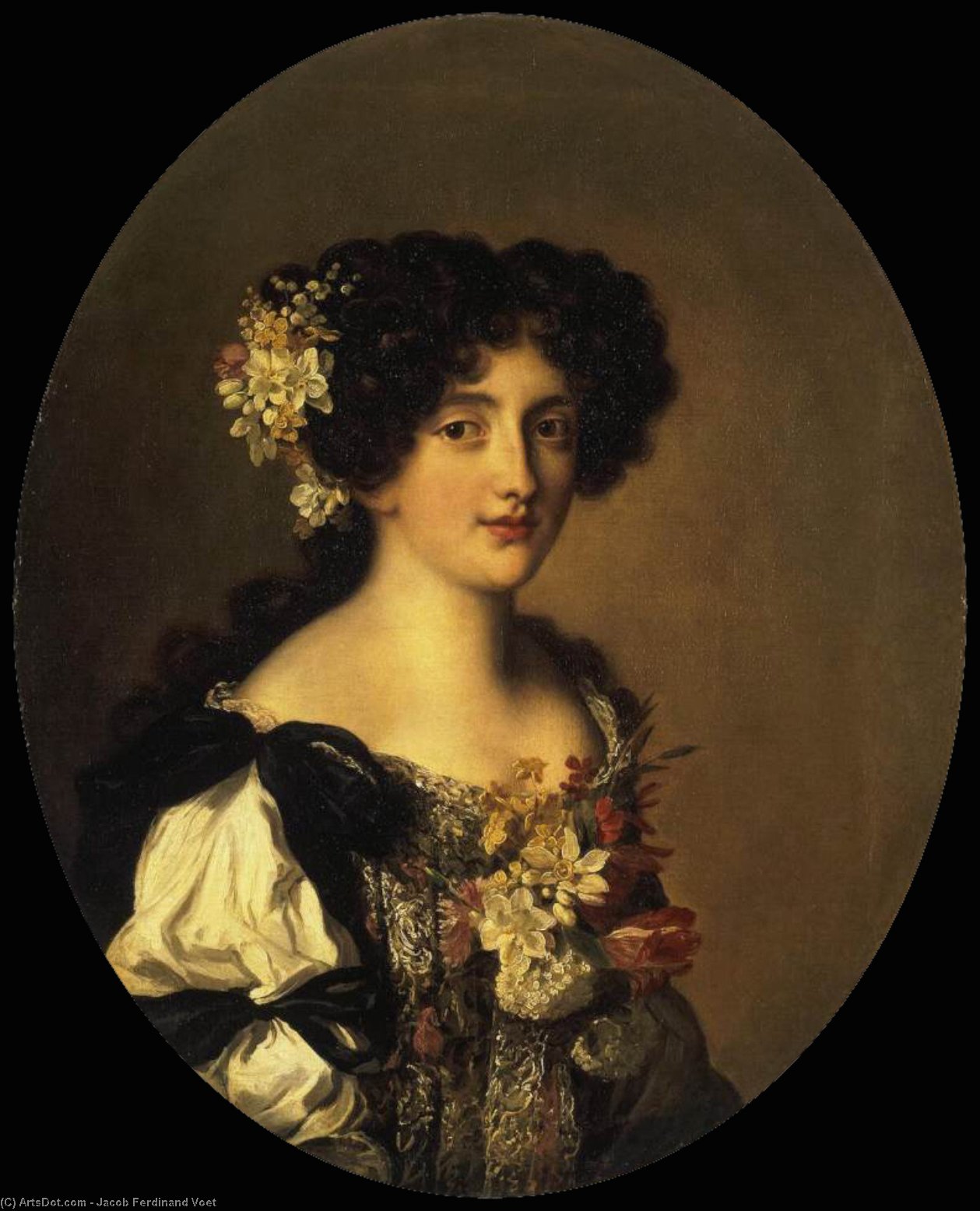
Portrait of Gabriela Mancini
 Oil On Canvas
- WallArt
- Baroque Elegance
 1670
1670- Early Modern
 80.0 x 66.0 cm
 エルミタージュ美術館
 詳細を見る
詳細を見る




P118B $10

P118H $10

P118W $10

P438Z $10

P508JH $12

P508YH $12

P805H $10

P805Z $10

P919BZ $10

P919G $10

P919XJ $10

P959ZH $10

P968JZ $12

W106C $8

W218G $10

W218JH $8

W218Y $10

W307PJ $10

W316G $10

W316PJ $8

W316Y $10

W398PJ $8

W4111J $10

W500HY $15

W500JH $15

W692G $12

W849H $8

W940BG $15

W953PJ $8




作品のオリジナル比率に合わせた、当店の規定サイズからお選びください。

特定のフレームやスペースに合わせて、ご希望のサイズをご入力いただけます。選択されたサイズが元の画像の比率と異なる場合、アートワークをトリミングするか、手描きで要素を追加して絵画を拡張いたします。デジタルモックアップ を制作し、制作開始前にご確認(承認)をいただきます。
画面上のプレビューは、実際のトリミングや拡張を正確に反映しているものではありません。最終的な構図は、モックアップによってのみ正確にご確認いただけます。
カスタムサイズもご利用いただけますが、元の比率を維持するためには、あらかじめ用意されたリストからサイズを選択することをお勧めいたします。
ご注文後、ArtsDot.com チームより詳細な指示をお送りするとともに、仕上がりイメージ(モックアップ)をご提供いたします。


 ガラスオプションは、110cm未満のサイズでのみご利用いただけます。

Portrait of Gabriela Mancini
複製技法
複製画のサイズ
-


合計金額
$ 263
作品解説
A Vision of Baroque Splendor
In the luminous depths of Jacob Ferdinand Voet’s 1670 masterpiece, Portrait of Gabriela Mancini, we encounter more than just a likeness; we step into the gilded heart of the seventeenth century. This exquisite oil on canvas serves as a breathtaking window into an era defined by opulence and theatrical grace. The subject, draped in the finery of her station, emerges from the shadows with a presence that is both commanding and ethereal. Voet, a master who bridged the artistic traditions of Antwerp and Rome, utilizes his brush to weave a tapestry of texture and light, ensuring that every fold of fabric and every delicate petal feels tangibly alive. For the discerning collector or interior designer, this piece offers an unparalleled sense of historical prestige, acting as a focal point that commands attention through its sheer elegance.
The technical virtuosity on display in this portrait is nothing short of mesmerizing. Voet employs a sophisticated approach to chiaroscuro, allowing light to dance across the subject's skin and catch the intricate details of the floral adornments encircling her neck and hair. The artist’s ability to render the soft, organic curves of the blossoms against the structured luxury of her attire creates a sensory experience that transcends the flat surface of the canvas. Each stroke is deliberate, contributing to a sense of depth that makes the portrait feel as though it possesses its own atmosphere. This mastery of light and shadow does not merely illuminate the subject; it breathes life into the very fabric of the composition, making it an ideal selection for spaces that require a touch of classical drama and sophisticated warmth.
Symbolism and the Language of Elegance
Beyond the surface beauty lies a profound layer of symbolic storytelling. The inclusion of flowers—delicate, vibrant, and carefully placed—serves as a classic Baroque motif, representing both the fleeting nature of youth and the enduring beauty of the soul. In the context of 1670, such botanical elements were often used to communicate status, fertility, and a refined connection to the natural world. As the viewer gazes upon Gabriela Mancini, these floral accents act as a bridge between the human subject and the divine order of nature. This interplay of organic beauty and aristocratic poise creates an emotional resonance that is both melancholic and celebratory, offering a complex narrative that invites prolonged contemplation.
For those looking to integrate such a profound work into a contemporary setting, the Portrait of Gabriela Mancini provides a versatile anchor for various design aesthetics. Whether placed in a grand library, a formal dining room, or a curated gallery wall, its rich tones and historical weight lend an air of timelessness to any environment. A high-quality reproduction of this work allows the spirit of the Baroque era to inhabit modern spaces, providing a sophisticated dialogue between the past and the present. It is not merely a decoration; it is an invitation to experience the grandeur, the mystery, and the unparalleled artistry of one of the seventeenth century's most captivating portraitists.
関連作品






アーティストの略歴
Jacob Ferdinand Voet: The Florentine Shadow of Baroque Elegance
Jacob Ferdinand Voet, a name often whispered in the circles of 17th-century European art, remains a figure of captivating mystery and undeniable skill. Born in Antwerp around 1639, his life unfolded across the vibrant landscapes of Italy and France, leaving behind a legacy of exquisitely rendered portraits that captured the glamour and social intricacies of an era. While details regarding his early training remain scarce – a frustratingly common occurrence for artists of this period – Voet quickly established himself as one of the most fashionable and sought-after portrait painters in Rome, earning him a reputation for elegance, refined detail, and a remarkable ability to imbue his subjects with captivating presence.
Voet’s career began in Antwerp, the son of painter Elias Voet. He embarked on a journey that led him first to Rome, where he resided from 1663 to 1680. This period proved pivotal, immersing him within the bustling artistic community of the Bentvueghels – an association of Dutch and Flemish artists who documented their experiences through drawings and prints. A particularly intriguing artifact stemming from this time is a charcoal drawing depicting all members of the group, preserved on the wall of a Roman inn; its survival speaks volumes about Voet’s standing within the artistic network and his contribution to its collective identity.
The Papal Court and Beyond: Patronage and Artistic Flourishing
Rome became the epicenter of Voet's career. He swiftly gained recognition for his portraits, attracting a prestigious clientele that included members of the papal court, prominent Roman families like the Colonna and Odescalchi, and even Queen Christina of Sweden, who commissioned a portrait reflecting her regal bearing. The influence of these patrons fueled his artistic development, exposing him to diverse styles and demanding an elevated level of sophistication in his work. Beyond Rome, Voet’s talents were also appreciated by European nobility, including English visitors on their Grand Tours – journeys designed to expose young aristocrats to the art and culture of Europe.
A particularly significant commission during this period was a series of 37 portraits known as ‘Galleria delle Belle,’ created for Cardinal Chigi between 1672 and 1678. These captivating depictions of Roman women, showcased in his dining room at the Palazzo Chigi in Ariccia, sparked a trend throughout Europe – a fascination with portraying young women in luxurious settings. Voet’s meticulous attention to detail, particularly in capturing the eyes and expressions of his subjects, elevated these portraits beyond mere likenesses; they became windows into the lives and social standing of Rome's elite.
A Scandalous Reputation and a Shifting Landscape
Despite his success, Voet’s career was not without controversy. His depictions of women often featured daringly low necklines – a stylistic choice that scandalized Pope Innocent XI, who promptly banned him from Rome in 1680. This episode highlights the complex social and religious constraints faced by artists during this era, demonstrating how artistic freedom could be limited by prevailing moral sensibilities. Following his expulsion, Voet continued to work, establishing himself in Milan, Florence, and eventually Turin, adapting his style and catering to new patrons.
Legacy and Enduring Influence
Jacob Ferdinand Voet’s impact on the history of portraiture is undeniable. He masterfully blended the elegance of the Baroque with a keen understanding of human psychology, creating portraits that are both visually stunning and psychologically insightful. While his early life remains shrouded in some mystery, his later years were marked by prolific output and widespread acclaim. His work continues to be studied and admired for its technical brilliance, its ability to capture the essence of his subjects, and its reflection of a pivotal moment in European art history – the flourishing of portraiture during the late Baroque period. Voet’s legacy endures not just through his paintings but also through the enduring fascination they inspire, offering a glimpse into the opulent world of 17th-century Europe.
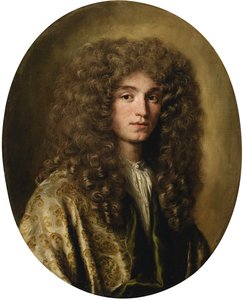
Jacob Ferdinand Voet
1639 - 1700 , Belgium
基本情報
- Artistic Movement Or Style: Baroque portraiture
- Date Of Birth: 1639 Antwerp, Belgium
- Date Of Death: 1700
- Full Name: Jacob Ferdinand Voet
- Nationality: Flemish
- Notable Artworks:
- Queen Christina of Sweden
- Cardinal de Retz
- Cardinal Carlo Cerri
- Place Of Birth: Antwerp, Belgium
関連記事

バロックのドラマ:現代のインテリアに壮麗さと情感を取り込む
バロック様式の歴史、絵画、家具の魅力をご紹介。ArtsDotでは、高品質な油絵複製やカスタムポートレートをご提供し、現代のインテリアに壮麗さと情感を取り入れます。アートコンサルテーションも承ります。

バロック美術を極めた至宝:時代を彩る10大名作の世界
バロック美術の華!カラヴァッジョ、ベルニーニら巨匠が創り上げた10大名作を徹底解剖。ドラマチックな色彩と豪華絢爛の世界観に触れ、至宝のアートプリントで空間を彩ろう。ArtsDot.comで美術館品質の複製と洗練されたインテリアを見つけましょう!

The Visceral Stage: Exploring Dramatic Narratives & Emotional Intensity in Baroque Art
Explore the dramatic world of Baroque art! Discover iconic masters like Caravaggio & Rembrandt, their techniques, and the movement's lasting impact. Expert insights for collectors & enthusiasts at ArtsDot.

The Dramatic Flourish: Exploring the Baroque Movement's Enduring Legacy in Art History
Explore the dramatic world of Baroque art! Discover iconic artists like Caravaggio & Rubens, defining techniques, and its lasting impact on art history. Expert insights for collectors & enthusiasts at ArtsDot.

Simon Vouet: A Baroque Master's Journey from Italian Influence to French Classicism
Explore the life & art of Simon Vouet, a pivotal French Baroque painter who introduced Italian styles to France. Discover his masterpieces and lasting influence on 17th-century art.

